Much has been said about the dangers that humanity as a whole will face from the effects of the climate crisis. More intense floods, prolonged droughts, hotter summers, and freezing winters are some of the immediate consequences we can already feel.
The cause of these local disasters is a global and historical problem: the growing and systematic emission of greenhouse gases (GHGs) from anthropogenic activities since the Industrial Revolution. These gases intensify our atmosphere's greenhouse effect, a natural phenomenon that sustains life on the planet. This heightened greenhouse effect disrupts natural cycles, now putting at risk not only our future, but our present as well.
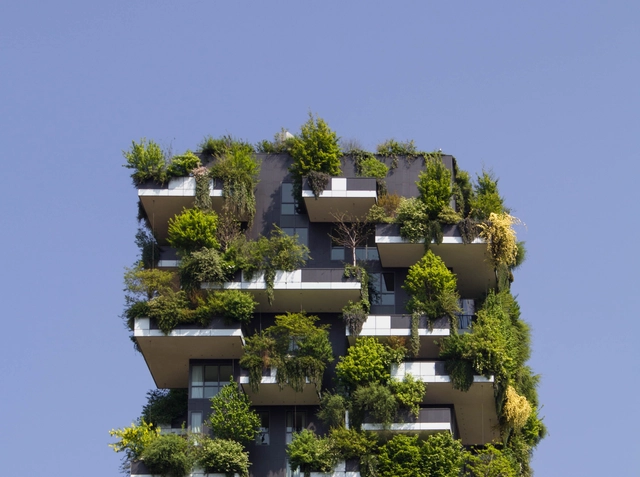
https://www.archdaily.com/1136449/what-is-carbon-offsettingGabriela Ribas e Fernando Paraíso
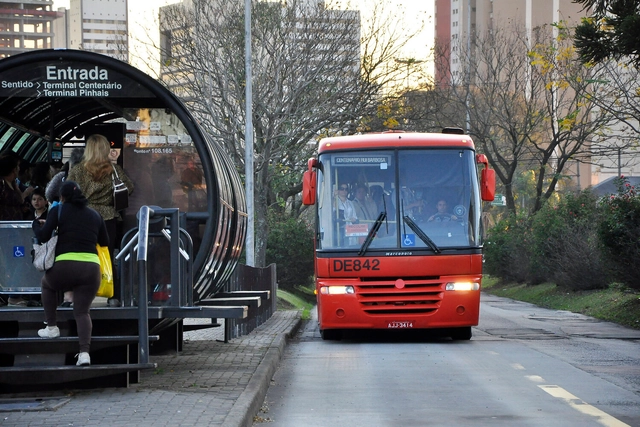
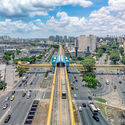
Curitiba BRT and tube station. Photo: Mariana Gil/EMBARQ Brasil, via Flickr. License CC BY-NC 2.0
The city of Curitiba, located in the state of Paraná, has been recognized internationally as a leading benchmark for Brazilian urban planning, primarily due to the success of its public transit model. Within this context, tracing the path that led the capital of Paraná to achieve such acclaim is a compelling exercise. Addressing the process of diffusion of ideas, this essay highlights Curitiba's shifting positions in the history of urban planning: at times an importer of ideas, at others an exporter.
https://www.archdaily.com/1136450/curitibas-public-transportation-model-goes-against-the-grain-of-foreign-ideas-adopted-in-brazilValdinei de Souza Castro
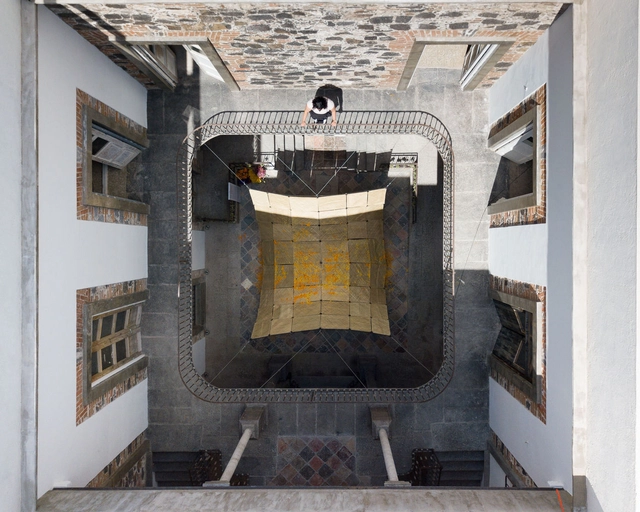
Following an invitation from the Municipal Government of Puebla, Mexico, through the Office of the Historic Center and Cultural Heritage, "Patio Efímero, the festival of contemporary art, architecture, and heritage," better known as "Patio Efímero," will represent Puebla at Berlin Design Week 2023. This year's central theme is resilience; accordingly, the Puebla-based collective responsible for organizing the festival will address the September 19, 2017 earthquake and the COVID-19 pandemic—events that have shaped all three editions of the project.
No País dos Arquitectos is a podcast created by Sara Nunes, who also runs the architectural film production company Building Pictures. The podcast aims to profile the professionals, projects, and stories behind landmark contemporary Portuguese architecture. With just over 10 million inhabitants, Portugal is a highly intriguing country in this professional field, and its architectural output far exceeds what its small population and territorial scale might suggest.
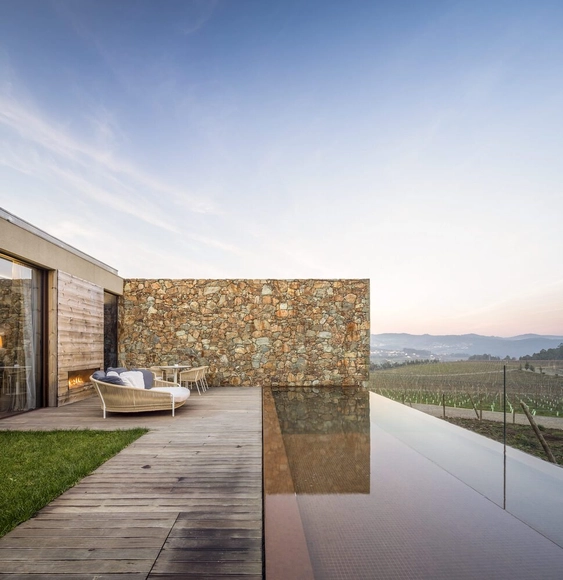
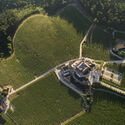
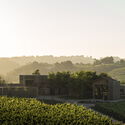
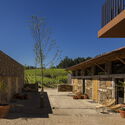
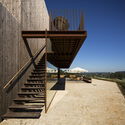
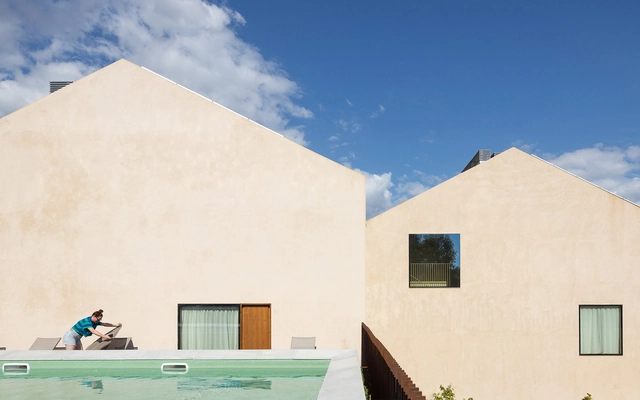
In this episode of the sixth season, Sara talks with architect Fernando Coelho of the firm FCC Arquitectura about the Monverde Rural Hotel project, located in Quinta da Lixa. Listen to the conversation and read an excerpt of the interview below.
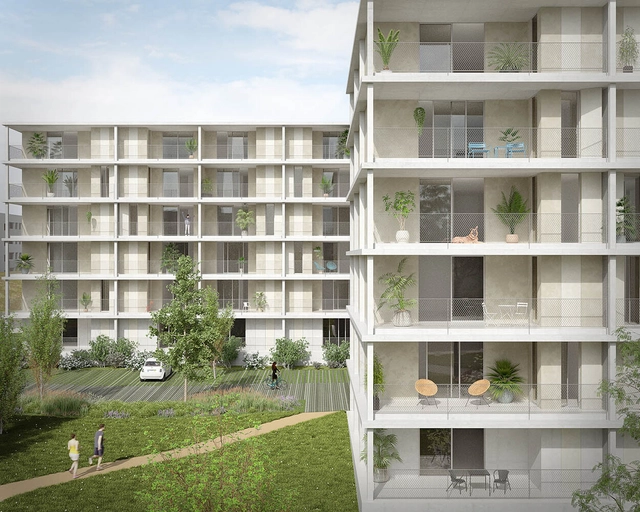
Conjunto habitacional Avenida Joaquim Campos em Setúbal . Image Cortesia de Branco del Río, Arquitectos
No País dos Arquitectosis a podcast created by Sara Nunes, who also runs the architectural film production company Building Pictures. The podcast aims to profile the professionals, projects, and stories behind leading contemporary Portuguese architecture. With just over 10 million inhabitants, Portugal is a highly compelling country regarding this professional field, and its architectural output punches far above its demographic or territorial scale.
In this episode of the fifth season, Sara talks with architects Paula del Rio and João Branco, from the firm Branco del Río, Arquitectos, about collective housing. Listen to the conversation and read part of the interview below.
No País dos Arquitectosis a podcast created by Sara Nunes, who is also responsible for the architectural film production company Building Pictures. It aims to introduce the professionals, projects, and stories behind leading contemporary Portuguese architecture. With just over 10 million inhabitants, Portugal is a fascinating country when it comes to this professional field, and its architectural output punches far above its weight relative to its population or territorial scale.
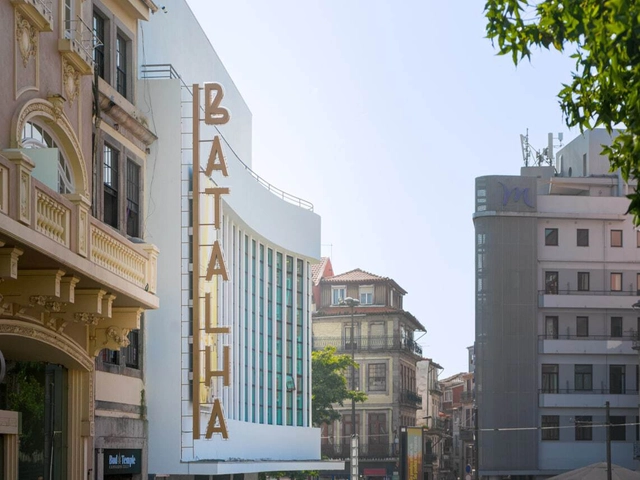
In this episode of the fifth season, Sara talks with Alexandre Alves Costa and Sérgio Fernandez about the Batalha Cinema Center. Listen to the conversation and read part of the interview below.
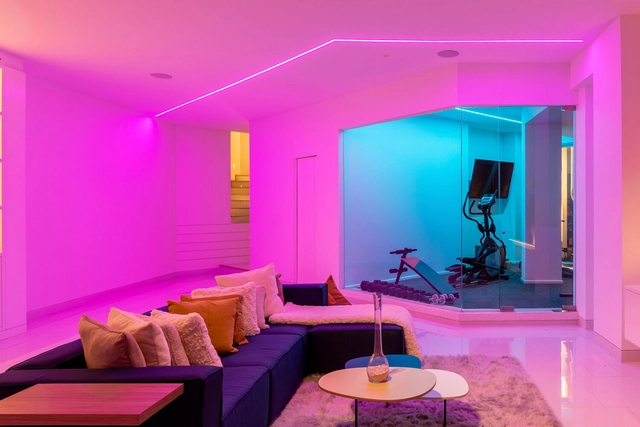
The history of light has undergone various transformations over the centuries; its intrinsic relationship with architecture itself has sparked expressions and critiques that, beyond serving as a tool to illuminate the inhabited world, directly influence how we perceive it and how the built environment is produced. Every lighting project is directly tied to its own understanding of quality, class, interpretation, intention, and meaning.
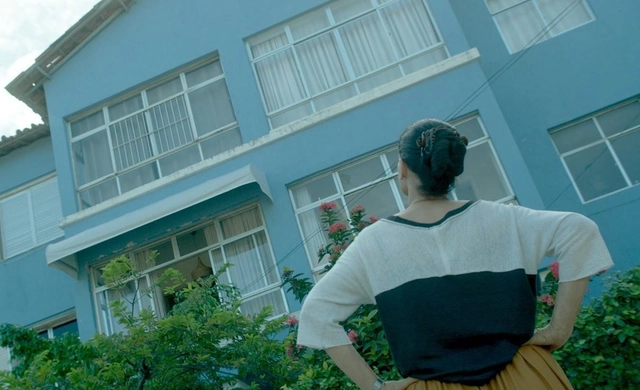
Set in Recife, specifically along Boa Viagem beach, Aquarius (2016)portrays a conflict experienced in many cities worldwide. Unfolding in parts, the film draws a parallel between the protagonist's personal struggles and her fight against a real estate developer seeking to acquire her apartment to make way for a new development.
No País dos Arquitectos is a podcast created by Sara Nunes, who also heads the architectural film production company Building Pictures. The podcast aims to profile the professionals, projects, and stories behind contemporary Portuguese architecture. With just over 10 million inhabitants, Portugal is a fascinating country when it comes to this professional field, and its architectural output far exceeds what its small population and territorial scale might suggest.
In this episode of the fifth season, Sara talks with architects Marta Brandão and Mário Sousa about the Mima housing system. Listen to the conversation and read an excerpt of the interview below.
No País dos Arquitectos is a podcast created by Sara Nunes, who also runs the architectural film production company Building Pictures. The podcast aims to profile the professionals, projects, and stories behind landmark contemporary Portuguese architecture. With just over 10 million inhabitants, Portugal is a highly compelling country in this professional field, and its architectural output far exceeds what its population or territorial scale would suggest.
In this episode of the sixth season, Sara talks with architect Patrício Barbas, from the firm Barbas Lopes Arquitectos, about the FPM 41 project. Listen to the conversation and read part of the interview below.
No País dos Arquitectos is a podcast created by Sara Nunes, who is also responsible for the architectural film production company Building Pictures. The podcast aims to profile the professionals, projects, and stories behind leading contemporary Portuguese architecture. With just over 10 million inhabitants, Portugal is a fascinating country regarding this professional field, and its architectural output punches far above its population or territorial scale.
In this episode of the sixth season, Sara talks with architects Susana Leite and Luís Barbosa e Silva, from the firm Arquitectos Aliados, about the design for the Hotel Apartamento e Sala Espetáculos - M.OU.CO. Listen to the conversation and read an excerpt of the interview below.
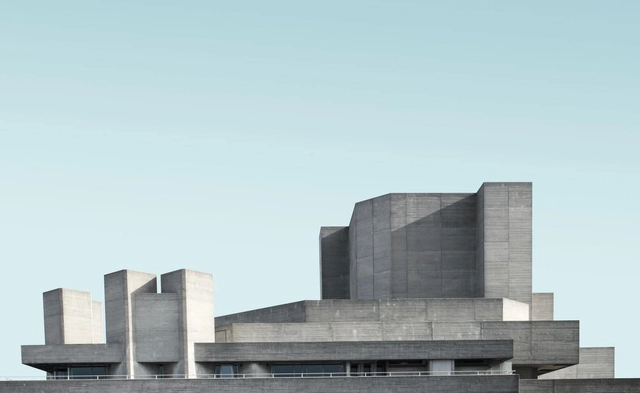
An architectural movement that emerged in the 1950s, Brutalism spread across several continents over the following decades. In this conversation, Arquicast goes beyond mere historiography to explore the legacy of this mode of spatial production and iconic buildings.
No País dos Arquitectosis a podcast created by Sara Nunes, who also runs the architectural film production company Building Pictures. The show aims to introduce the professionals, projects, and stories behind leading contemporary Portuguese architecture. With just over 10 million inhabitants, Portugal is a fascinating country when it comes to this professional field, and its architectural output far exceeds its population or territorial scale.
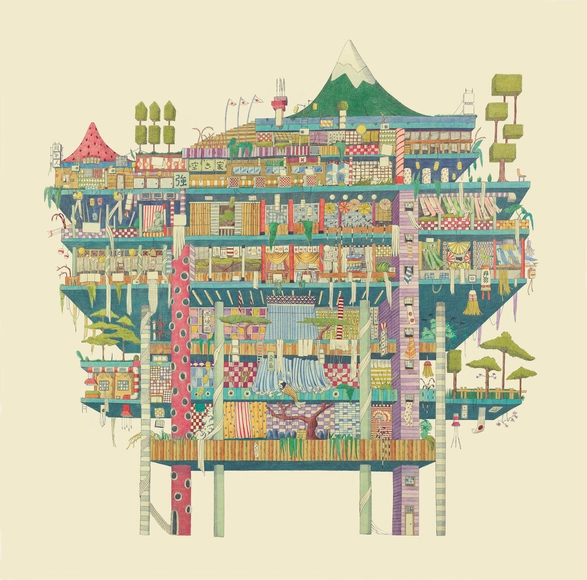
In this episode of the fifth season, Sara talks with designer Ana Aragão about her illustrations dedicated to architecture and cities. Listen to the conversation and read part of the interview below.
During Rio2C, the Arts&Crafts stage hosted another special episode of Arquicast for a live recording. This time, the guest was Alberto Renault, a set designer, writer, screenwriter, theater and TV director, as well as an International Emmy nominee and creator of several series, such as “Casa Brasileira,” “Lar: Vida Interior,” “Morar,” and “De Casa em Casa.”
Videos
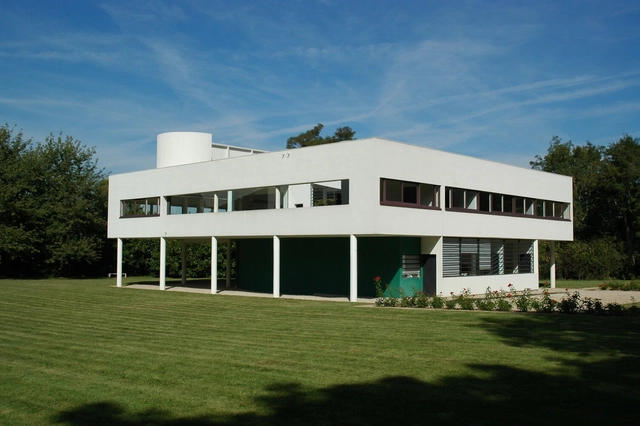
Villa Savoye. Photo by Fernando Leiva, via Flickr. License CC BY-NC-ND 2.0
In another episode dedicated to architectural landmarks, Arquicast centers on the iconic Villa Savoye, a milestone in the history of 20th-century modernist architecture. Guest PC Lourenço offers an in-depth analysis of this architectural icon and its paradigms, providing an insightful look into its enduring significance and influence. The episode is also available in video format, allowing viewers to follow the discussion alongside photos and technical drawings of the building.
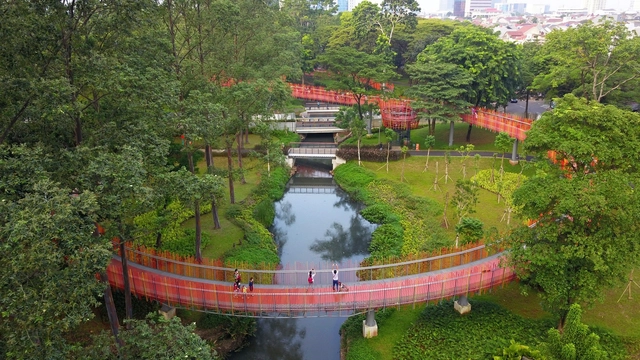
Tebet Eco Park / SIURA Studio. Image courtesy of SIURA Studio
In another episode on quality of life and connection with nature, Arquicast explores a topic that has become even more relevant in recent times: public open spaces in cities, with a focus on precious, revitalizing green spaces—urban parks and plazas. In an increasingly urbanized world, the search for places to connect with nature has become essential. The discussion is enriched by two special guests: Luciana Jesus, an architect, urban planner, and leader of the Urban Landscape and Inclusion research group at the University of Vila Velha; and Klaus Chaves Alberto, a PhD in urbanism and researcher in the field of health, well-being, and quality of life at the Federal University of Juiz de Fora.
mobility, but also for other urban functions, bringing greater complexity to the use, occupation, and development of cities, as well as stairways, elevators, sidewalks, and bike lanes, among other active mobility devices. All of these structures are known as “architectures of mobility.”
No País dos Arquitectos (In the Land of Architects) is a podcast created by Sara Nunes, who also runs the architectural film production company Building Pictures. The podcast aims to profile the professionals, projects, and stories behind leading contemporary Portuguese architecture. With just over 10 million inhabitants, Portugal is a fascinating country when it comes to this professional field, producing architectural work that far exceeds what its population and territorial scale might suggest.
In the first episode of the fifth season, Sara talks with architect Andreia Garcia about the project Fertile Futures, the Portuguese representation at the Venice Architecture Biennale 2023. Listen to the conversation and read an excerpt of the interview below.
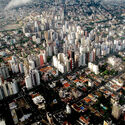
French urbanist Alain Bertaud is known for his work in the analysis and planning of urban systems. He is the author of several books, including Order without Design: How Markets Shape Cities, the Portuguese translation of which will be launched on April 11 at an event starting at 9 a.m. at Insper. Bertaud will participate in a panel to discuss the themes addressed in his work and other aspects of urban agglomerations.
https://www.archdaily.com/1136509/data-is-fundamental-to-improving-the-quality-of-life-in-citiesAlain Bertaud e Laboratório Arq.Futuro
Cities are fascinating and challenging spaces. While they serve as arenas for exchange and encounter, they also present seemingly unsolvable problems. Episode 58 of Betoneira features a conversation with urban planner Mauro Calliari on the potential of cities, considering the complexity of the post-pandemic landscape.
The first point Calliari addressed was the very concept of the city. According to him, defining it precisely is one of the central debates of urbanism, as there are many ways to approach the issue. A city is usually a reasonably large, dense, and diverse place. Cities presuppose a certain concentration of people, commercial activities, and other functions necessary to sustain life.
Mauro Gil-Fournier is a PhD architect, researcher, and professor who, after a 15-year career, decided to found Arquitecturas Afectivas: "a community that creates architecture with pleasure, cultivating the affects of people, other beings, and living things."
What is the process for creating affective architectures? Why are they important for the future of architecture? In the following conversation with Mauro, we delve deeper into this concept, which is fundamentally based on "enabling others to design from their truest expression."
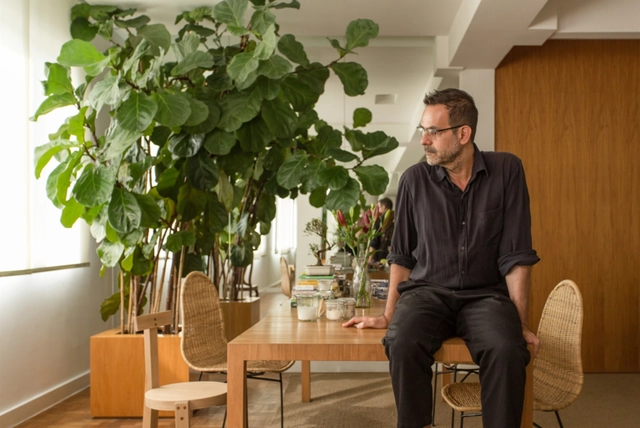
Arquicast speaks with one of Brazil's most intriguing and renowned architects, Eduardo Longo. Describing any professional's body of work is a complex task, but it is especially challenging when discussing a figure like Longo, whose career is defined by a rejection of the established principles of his time, consistently seeking innovation and experimentation in architecture.
No País dos Arquitectosis a podcast created by Sara Nunes, who is also responsible for the architectural film production company Building Pictures. The podcast aims to profile the professionals, projects, and stories behind contemporary Portuguese architecture of reference. With just over 10 million inhabitants, Portugal is a fascinating country when it comes to this professional field, and its architectural output punches far above its weight relative to its population or territorial scale.
In this episode of the fifth season, Sara talks with architects Luís Tavares Pereira and Guiomar Rosa about the Mountain House in Gerês. Listen to the conversation and read part of the interview below.
Episode 213 of Arquicast explores the fascinating field of event architecture, highlighting the importance of designing spaces that transform simple occasions into memorable experiences. The robust resurgence of the event market after two challenging years during the pandemic reflects the human need to celebrate, share joy, and escape the daily routine. Behind these memorable experiences, however, are event architects and designers, whose attention to detail and creativity shape the success of every occasion.