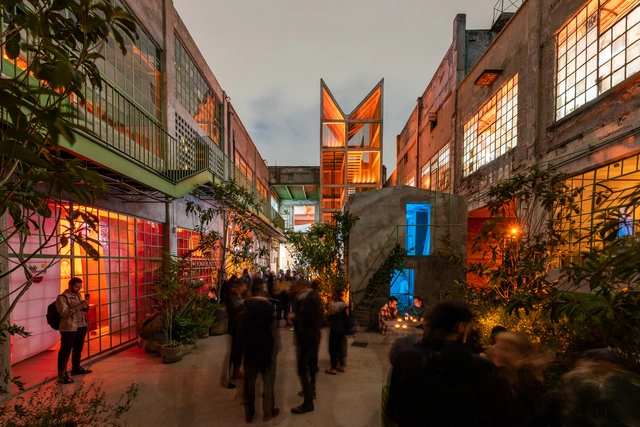
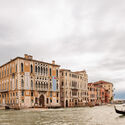
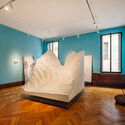
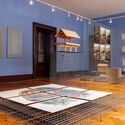
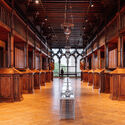
LIGA, Espacio para arquitectura is a non-profit institution dedicated to promoting emerging Latin American architecture through a public program of exhibitions, lectures, and publications. On September 23, 2022, the institution celebrated 10 years of work at its headquarters on Calle Doctor Erazo 176, in Colonia Doctores, Mexico City. The anniversary also honored the work of three prominent women whose contributions have been crucial to Latin American architecture: Tatiana Bilbao (Mexico), Marta Moreira (Brazil), and Florencia Román (Argentina).
The history of Mexican photography has helped shape Mexico's global presence. Photographers like Elsa Medina, Lola Álvarez Bravo, Graciela Iturbide, Maya Goded, and Juan Rulfo have masterfully captured the life of buildings, homes, and streets in a rapidly developing nineteenth-century Mexico. As a result, the contemporary Mexican photography scene has become an essential tool for architecture, contributing to a deeper visual understanding of the works that rise day by day.
A few weeks ago, Grupo Firme performed in Mexico’s Zócalo. According to the city government, this band broke an attendance record with over 280,000 people. According to my own data—without proof but also without a doubt—another record was set: the highest volume of racist and classist comments directed at the attendees of an event.
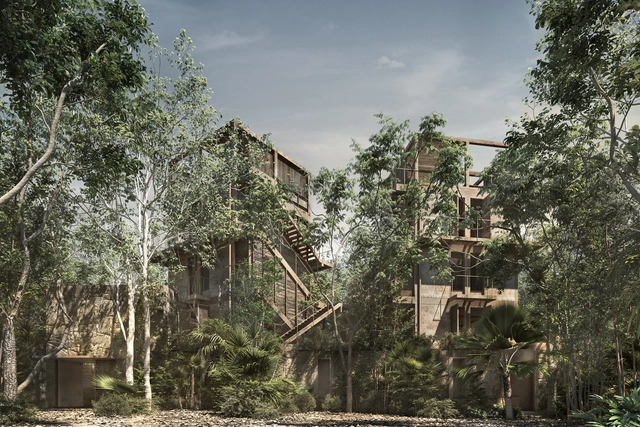
Tulum is a region located in southeastern Mexico, within the state of Quintana Roo, specifically on the coast of the Caribbean Sea, and is part of the Riviera Maya. Historically, Tulum was a walled city; its name, which means "wall" in Mayan, arose when the settlement was already in ruins.
No País dos Arquitectos is a podcast created by Sara Nunes, who also runs the architectural film production company Building Pictures. The podcast aims to profile the professionals, projects, and stories behind landmark contemporary Portuguese architecture. With just over 10 million inhabitants, Portugal is a highly intriguing country in this professional field, and its architectural output far exceeds what its small population and territorial scale might suggest.
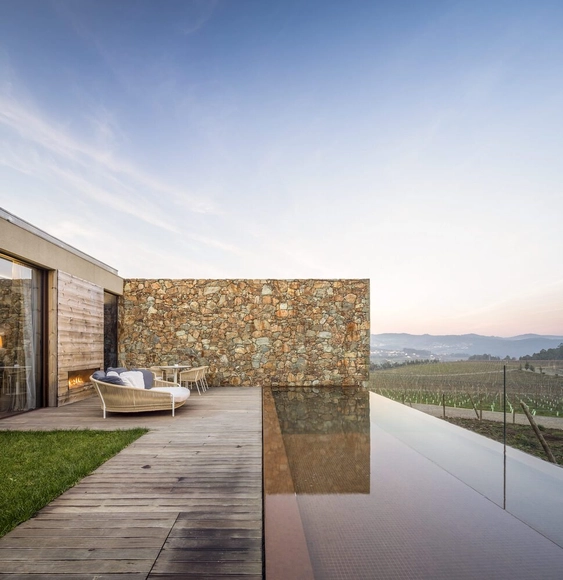
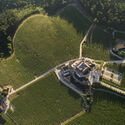
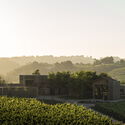
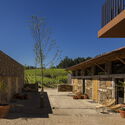
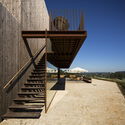
In this episode of the sixth season, Sara talks with architect Fernando Coelho of the firm FCC Arquitectura about the Monverde Rural Hotel project, located in Quinta da Lixa. Listen to the conversation and read an excerpt of the interview below.
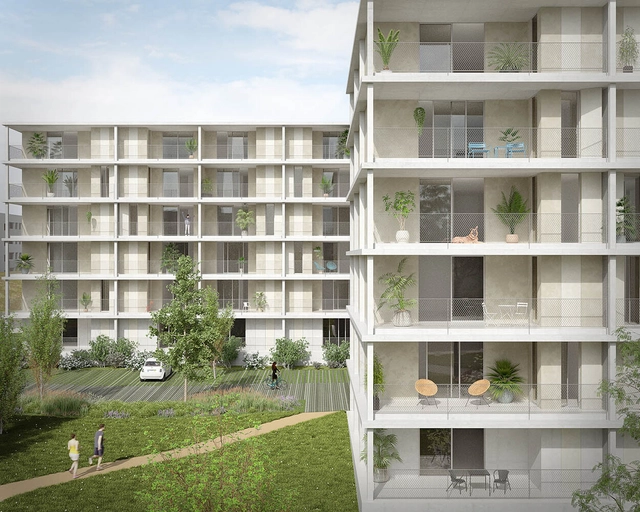
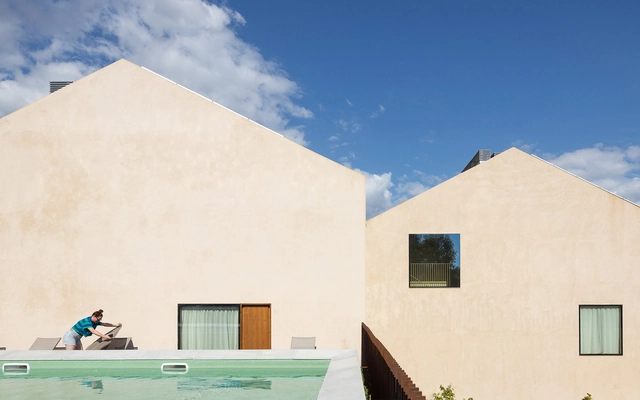
Conjunto habitacional Avenida Joaquim Campos em Setúbal . Image Cortesia de Branco del Río, Arquitectos
No País dos Arquitectosis a podcast created by Sara Nunes, who also runs the architectural film production company Building Pictures. The podcast aims to profile the professionals, projects, and stories behind leading contemporary Portuguese architecture. With just over 10 million inhabitants, Portugal is a highly compelling country regarding this professional field, and its architectural output punches far above its demographic or territorial scale.
In this episode of the fifth season, Sara talks with architects Paula del Rio and João Branco, from the firm Branco del Río, Arquitectos, about collective housing. Listen to the conversation and read part of the interview below.
No País dos Arquitectosis a podcast created by Sara Nunes, who is also responsible for the architectural film production company Building Pictures. It aims to introduce the professionals, projects, and stories behind leading contemporary Portuguese architecture. With just over 10 million inhabitants, Portugal is a fascinating country when it comes to this professional field, and its architectural output punches far above its weight relative to its population or territorial scale.
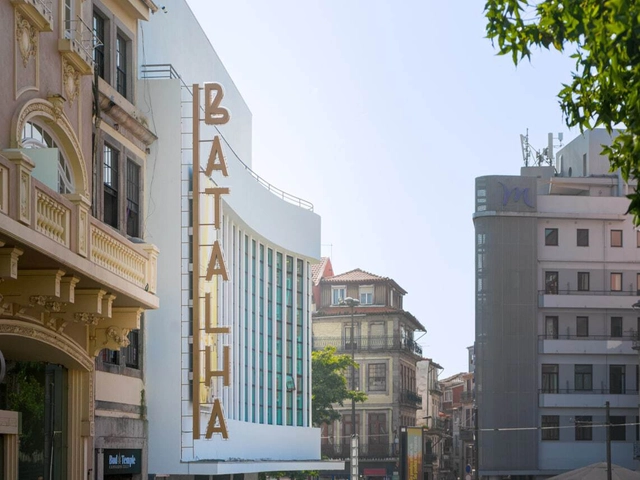
In this episode of the fifth season, Sara talks with Alexandre Alves Costa and Sérgio Fernandez about the Batalha Cinema Center. Listen to the conversation and read part of the interview below.
In the latest episode of the series, Arquicast spoke with the jury of the 9th Tomie Ohtake Akzonobel Architecture Award to understand the criteria established for the accolade. This time, joined by Sabrina Fontenele, architect, urbanist, and coordinator of the award, along with the other awardees, a roundtable discussion was held on the projects, providing a deeper look into their significance and the identity of the prize.
Doing more with less is an urgent architectural imperative. This is especially true in our recent global context, where environmental concerns are compounded by economic and social crises in various parts of the world. Within this landscape, the firm Branco Del Rio Arquitectos has been developing its practice since its founding in Coimbra in 2014. Established during a period of instability in Portugal, the office is the result of Paula del Rio and João Branco's pursuit of a simple architecture that seeks to address contemporary demands as objectively as possible.
In less than ten years of activity, the firm has garnered competition awards and international recognition, and was recently selected as one of ArchDaily's Best New Practices of 2023. We had the opportunity to speak with the architects about their experience with architectural rehabilitation, their collective housing projects, and their practice characterized by an economy of means.
No País dos Arquitectos is a podcast created by Sara Nunes, who also runs the architectural film production company Building Pictures. The podcast aims to profile the professionals, projects, and stories behind Portugal's leading contemporary architecture. With just over 10 million inhabitants, Portugal is a highly compelling country in this professional field, producing an architectural output that far exceeds its population and territorial scale.
In this episode of the fifth season, Sara talks with architect Fátima Fernandes of the firm Cannatà & Fernandes about the ESAP - Porto Higher School of Arts. Listen to the conversation and read part of the interview below.
In the field of architecture, the challenges are multifaceted, including long working hours, low pay, inequality, and a lack of transparency. Yet, focusing solely on these negative aspects is often insufficient, if not simplistic. It is crucial to reflect on how we address these issues in our daily practice—promoting ethical decision-making, fostering teamwork and collaboration, and facilitating adaptation and innovation. While projects and clients often take center stage, we rarely delve deeply into the culture, work environments, routines, and dynamics of architecture firms.
The XXII Chilean Biennial of Architecture and Urbanism is co-directed by Cristóbal Molina, coordinator of the Architecture Area of the Ministry of Cultures, Arts, and Heritage, and Loreto Lyon, director of activities of the Colegio de Arquitectos de Chile. The outcome of this joint alliance between both institutions has successfully driven this cultural event, which took over the public space around the Palacio de La Moneda to foster debate and community around the theme: "Vulnerable Habitats."
During the event, which closes on the evening of Sunday, January 22, we spoke with Cristóbal Molina and Loreto Lyon to learn more about how the pavilions and installations engage with the central theme. Below is what you cannot miss at the XXII Chilean Biennial of Architecture and Urbanism.
No País dos Arquitectosis a podcast created by Sara Nunes, who also runs the architectural film production company Building Pictures. The project aims to profile the professionals, projects, and stories behind landmark contemporary Portuguese architecture. With just over 10 million inhabitants, Portugal is a highly compelling country in this professional field, with an architectural production that far exceeds what its population or territorial scale would suggest.
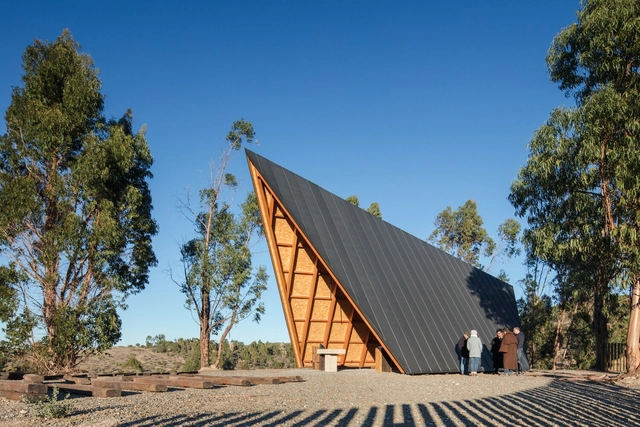
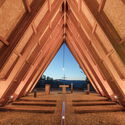
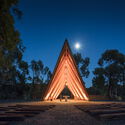
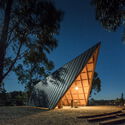
In this episode of the fifth season, Sara talks with architects Helena Vieira and Pedro Ferreira from the office Plano Humano Arquitectos about the design of the Chapel of Our Lady of Fátima. Listen to the conversation and read an excerpt of the interview below.
Nadia Somekh, a guest on Betoneira, speaks about housing for all. Drawing on her extensive experience in the public sector as an architect, manager, and activist, Somekh begins the conversation by noting that while public housing policies in Brazil are not yet where they need to be, progress is being made. Her research on verticalization shows that, since 1957, zoning and urban planning regulations in São Paulo have systematically excluded low-income populations from apartments. For instance, these regulations prohibited the construction of studio apartments on Avenida Nove de Julho and Avenida Paulista.
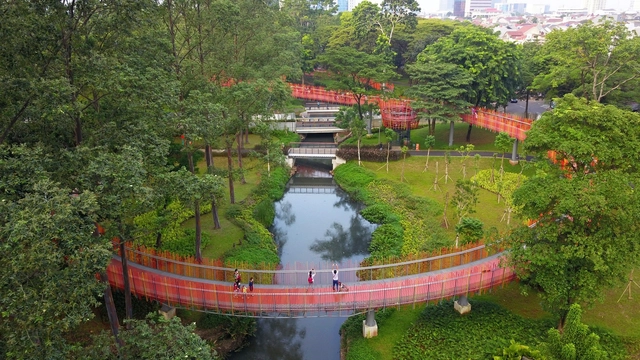
Tebet Eco Park / SIURA Studio. Image courtesy of SIURA Studio
In another episode on quality of life and connection with nature, Arquicast explores a topic that has become even more relevant in recent times: public open spaces in cities, with a focus on precious, revitalizing green spaces—urban parks and plazas. In an increasingly urbanized world, the search for places to connect with nature has become essential. The discussion is enriched by two special guests: Luciana Jesus, an architect, urban planner, and leader of the Urban Landscape and Inclusion research group at the University of Vila Velha; and Klaus Chaves Alberto, a PhD in urbanism and researcher in the field of health, well-being, and quality of life at the Federal University of Juiz de Fora.
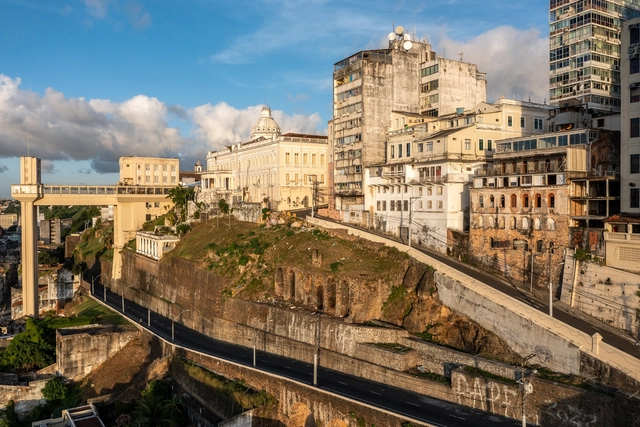
mobility, but also for other urban functions, bringing greater complexity to the use, occupation, and development of cities, as well as stairways, elevators, sidewalks, and bike lanes, among other active mobility devices. All of these structures are known as “architectures of mobility.”
No País dos Arquitectos (In the Land of Architects) is a podcast created by Sara Nunes, who also runs the architectural film production company Building Pictures. The podcast aims to profile the professionals, projects, and stories behind leading contemporary Portuguese architecture. With just over 10 million inhabitants, Portugal is a fascinating country when it comes to this professional field, producing architectural work that far exceeds what its population and territorial scale might suggest.
In the first episode of the fifth season, Sara talks with architect Andreia Garcia about the project Fertile Futures, the Portuguese representation at the Venice Architecture Biennale 2023. Listen to the conversation and read an excerpt of the interview below.
French urbanist Alain Bertaud is known for his work in the analysis and planning of urban systems. He is the author of several books, including Order without Design: How Markets Shape Cities, the Portuguese translation of which will be launched on April 11 at an event starting at 9 a.m. at Insper. Bertaud will participate in a panel to discuss the themes addressed in his work and other aspects of urban agglomerations.
https://www.archdaily.com/1136509/data-is-fundamental-to-improving-the-quality-of-life-in-citiesAlain Bertaud e Laboratório Arq.Futuro
Cities are fascinating and challenging spaces. While they serve as arenas for exchange and encounter, they also present seemingly unsolvable problems. Episode 58 of Betoneira features a conversation with urban planner Mauro Calliari on the potential of cities, considering the complexity of the post-pandemic landscape.
The first point Calliari addressed was the very concept of the city. According to him, defining it precisely is one of the central debates of urbanism, as there are many ways to approach the issue. A city is usually a reasonably large, dense, and diverse place. Cities presuppose a certain concentration of people, commercial activities, and other functions necessary to sustain life.
No País dos Arquitectos is a podcast created by Sara Nunes, who also runs the architectural film production company Building Pictures. The podcast aims to profile the professionals, projects, and stories behind landmark contemporary Portuguese architecture. With just over 10 million inhabitants, Portugal is a highly compelling country in this professional field, and its architectural output far exceeds what its population or territorial scale would suggest.
In this episode of the sixth season, Sara talks with architect Patrício Barbas, from the firm Barbas Lopes Arquitectos, about the FPM 41 project. Listen to the conversation and read part of the interview below.
No País dos Arquitectos is a podcast created by Sara Nunes, who is also responsible for the architectural film production company Building Pictures. The podcast aims to profile the professionals, projects, and stories behind leading contemporary Portuguese architecture. With just over 10 million inhabitants, Portugal is a fascinating country regarding this professional field, and its architectural output punches far above its population or territorial scale.
In this episode of the sixth season, Sara talks with architects Susana Leite and Luís Barbosa e Silva, from the firm Arquitectos Aliados, about the design for the Hotel Apartamento e Sala Espetáculos - M.OU.CO. Listen to the conversation and read an excerpt of the interview below.
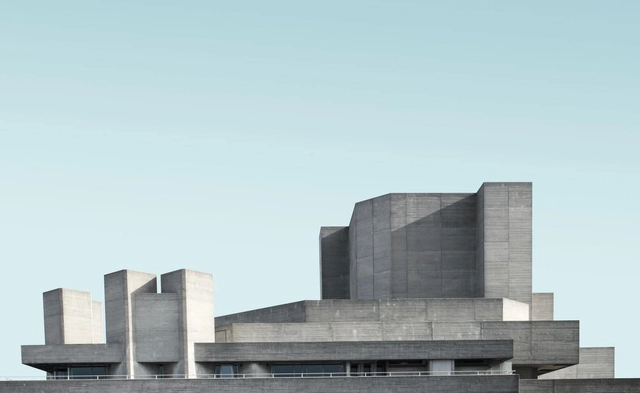
An architectural movement that emerged in the 1950s, Brutalism spread across several continents over the following decades. In this conversation, Arquicast goes beyond mere historiography to explore the legacy of this mode of spatial production and iconic buildings.
No País dos Arquitectosis a podcast created by Sara Nunes, who also runs the architectural film production company Building Pictures. The show aims to introduce the professionals, projects, and stories behind leading contemporary Portuguese architecture. With just over 10 million inhabitants, Portugal is a fascinating country when it comes to this professional field, and its architectural output far exceeds its population or territorial scale.
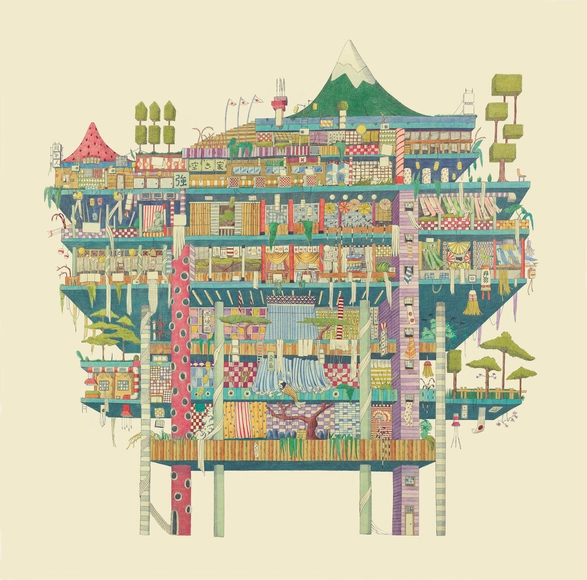
In this episode of the fifth season, Sara talks with designer Ana Aragão about her illustrations dedicated to architecture and cities. Listen to the conversation and read part of the interview below.
During Rio2C, the Arts&Crafts stage hosted another special episode of Arquicast for a live recording. This time, the guest was Alberto Renault, a set designer, writer, screenwriter, theater and TV director, as well as an International Emmy nominee and creator of several series, such as “Casa Brasileira,” “Lar: Vida Interior,” “Morar,” and “De Casa em Casa.”