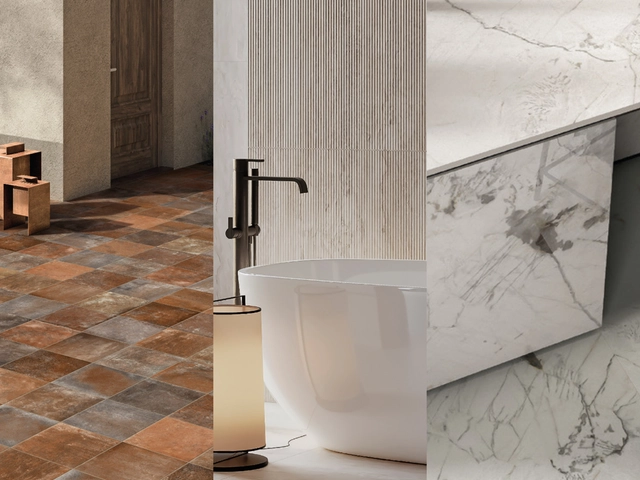
Stone and marble continue to establish themselves as essential materials in architecture and design, for both interiors and exteriors worldwide. CHC offers a curated selection designed to create spaces with a timeless, elegant character. Discover how to incorporate marble and stone into your projects to add a touch of modern style.
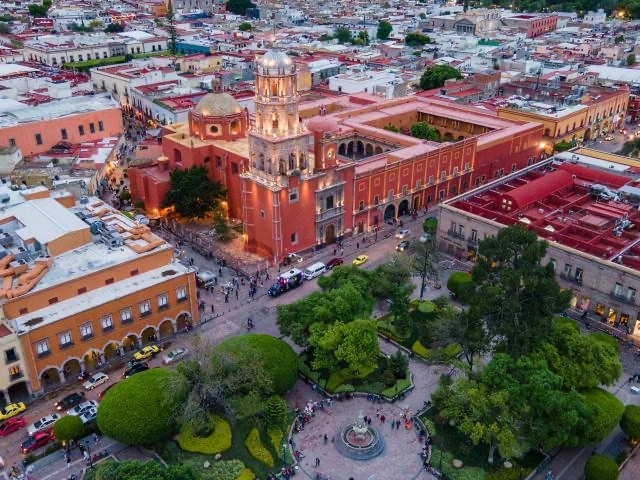
In 2024, the official celebration of World Habitat Day and the presentation of the Scroll of Honour award is in Querétaro, Mexico. Photo: Shutterstock
As the world rapidly urbanizes, cities are becoming home to a new generation of leaders and changemakers. Youth are at the center of this transformation, especially in regions like Africa, Asia, and the Americas. On Monday, October 7, the United Nations Human Settlements Programme (UN-Habitat) invites everyone interested in sustainable urban development to celebrate World Habitat Day, which this year centers on the theme "Engaging youth to create a more inclusive urban future."
https://www.archdaily.com/1078753/world-habitat-day-the-leading-role-of-youth-in-citiesArchDaily Team
Choosing between vinyl and laminate flooring is no longer necessary, as resilient hybrid flooring combines the best features of both materials. Kiwi is a natural flooring made of 80% wood, utilizing a premium impregnation technology that makes it 100% waterproof. This product features 80% wood, while the remaining 20% is composed of plant-based resins. Consequently, it is 100% PVC-free, making it an entirely eco-friendly choice.
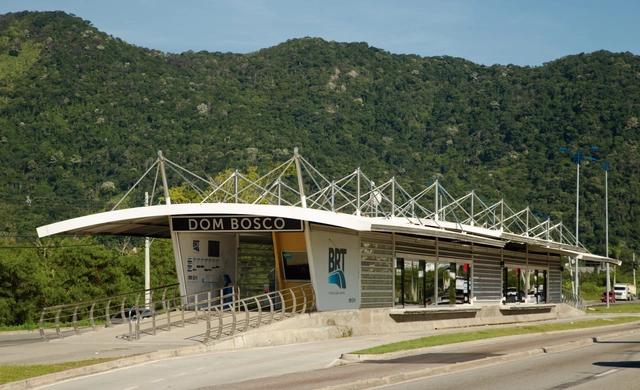
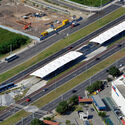
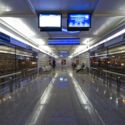
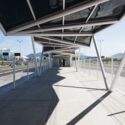
Jozé Candido is an architect and urban planner from Rio de Janeiro with extensive experience in the public sector, particularly in transportation. His design for the BRT (Bus Rapid Transit) stations in Rio de Janeiro was recognized as a "Gold Standard BRT" in 2013 by the ITDP. The BRT is a public transit system that crosses the city in the center-west direction and was implemented in Rio de Janeiro between 2012 and 2024.
Urban mobility architecture and its infrastructure — stations, terminals, pedestrian overpasses, etc. — are spaces of collective, daily use for the population of Brazilian metropolises. Aiming to expand knowledge and repertoire regarding these spaces, this interview explores the technical, political, and logistical challenges faced during the design and implementation of the BRT in the city, as well as the legacy of Jaime Lerner. The following interview highlights the impact of this project on urban development, transit modal integration, and the role of architecture in the functionality and sustainability of transportation systems.
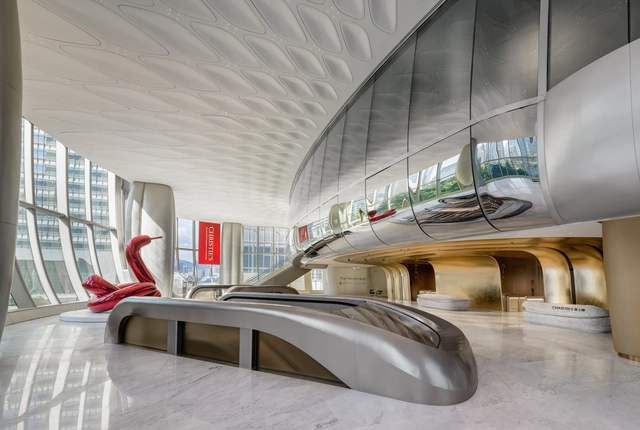
In Central, the bustling hub of Hong Kong's commercial, financial, cultural, and entertainment activities, what kind of synergy can emerge between a landmark skyscraper and a world-renowned art auction house? Can they break free from the traditional convention-center framework of art auctions to pioneer an entirely new spatial and operational model? Christie’s, one of the world's oldest art auction houses, has made a bold and successful attempt at its new Asia-Pacific headquarters in Hong Kong's landmark building, The Henderson—
The design strategy and spatial features of the new Asia-Pacific headquarters center on four key elements: 1. Large-scale motorized movable walls 2. Automated lighting and smart building control systems 3. A vertical gallery 4. Open-plan workspaces
https://www.archdaily.com/1078882/within-a-hong-kong-skyscraper-a-spatial-dialogue-between-art-and-the-future-finds-its-voice韩爽 - HAN Shuang
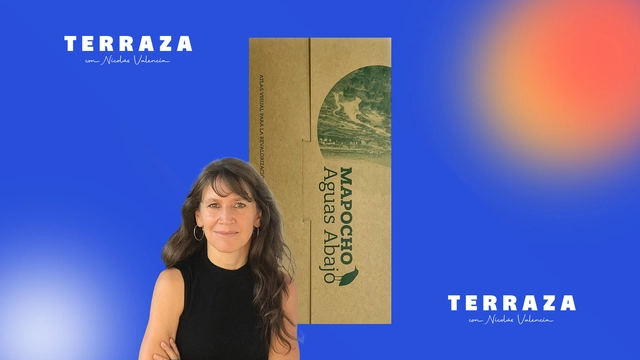
On this week's episode of the TERRAZA podcast, Nicolás Valencia speaks with Chilean architect Sandra Iturriaga about the book Mapocho Aguas Abajo (Ediciones ARQ), a publication developed by the Mapocho 42K Lab at the Pontificia Universidad Católica de Chile that proposes revaluing the heritage and landscape of the downstream stretch of the Mapocho River in Santiago, Chile.
https://www.archdaily.com/1078867/sandra-iturriaga-the-city-must-be-thought-of-as-an-ecosystemArchDaily Team
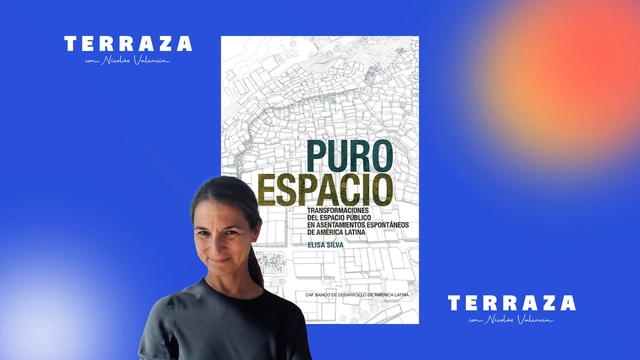
This week on the TERRAZA podcast, Nicolás Valencia talks with Venezuelan-American architect Elisa Silva about her book, "Pure Space: Public Space Transformations in Latin American Spontaneous Settlements" (Actar Publishers), an analysis of a series of public space interventions in communities across Mexico, Colombia, Venezuela, Brazil, Argentina, Peru, and Chile.
https://www.archdaily.com/1078783/elisa-silva-spontaneous-settlements-do-not-need-to-be-integrated-because-they-are-already-part-of-the-cityArchDaily Team
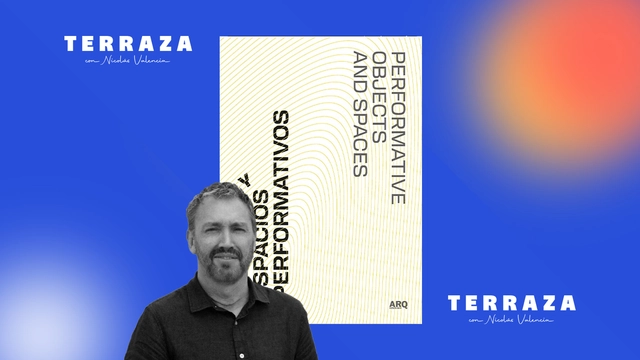
Nicolás Valencia talks this week on the TERRAZA podcast with Chilean architect Rodrigo Tisi about his book Objetos y espacios performativos (Ediciones ARQ), research that examines key moments to observe, explain, and establish the possibilities of certain performance practices in academia and creative environments.
https://www.archdaily.com/1078873/what-are-performative-spaces-in-architecture-according-to-rodrigo-tisiArchDaily Team
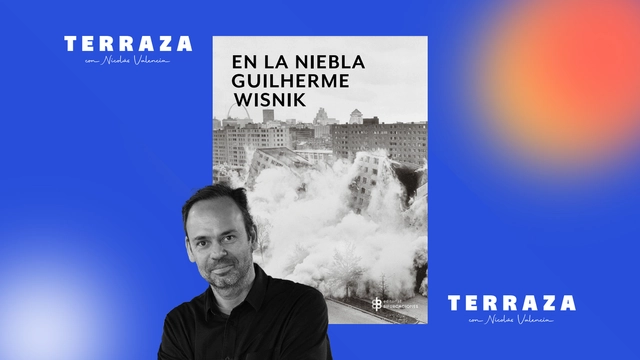
This week on the TERRAZA podcast, Nicolás Valencia talks with Brazilian architect and critic Guilherme Wisnik about his book En la niebla (Editorial Bifurcaciones), a series of essays where fog serves as a metaphor for the state of uncertainty in today's world, weaving together contemporary debates on space, art, and politics.
https://www.archdaily.com/1078849/guilherme-wisnik-in-an-ephemeral-world-architecture-has-to-become-an-imageArchDaily Team
Conceived as an initiative to meet the construction sector's demand for all types of finishes, the Obra Blanca exhibition is set to celebrate its second edition. Designed as a meeting point for both professionals looking to showcase their products and those seeking to compare different finishing options, this specialized trade show will focus on the visitor experience and the professionalization of an increasingly comprehensive and sophisticated industry.
May 3 is a holiday originating from the Finding of the Holy Cross, May Cross, or Festival of the Crosses, which traces its roots to the Roman rite celebrating the Cross of Christ. This commemoration has evolved over time, being adopted in cities across Mexico, Chile, Spain, Ecuador, El Salvador, Guatemala, Paraguay, Peru, Trinidad and Tobago, Argentina, Colombia, and Venezuela, where the celebration typically includes floral decorations, processions, and dances.
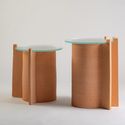
The design studio PECA—led by Mexican architect Caterina Moretti—launches its new collection titled "Impronta Terracota," made from clay and fused glass. Comprising two vessels that offer an unexpected twist on their purpose, they transform into table pedestals rising to two different heights. This exploration was developed at the Taller de Locos pottery workshop in Guadalajara.
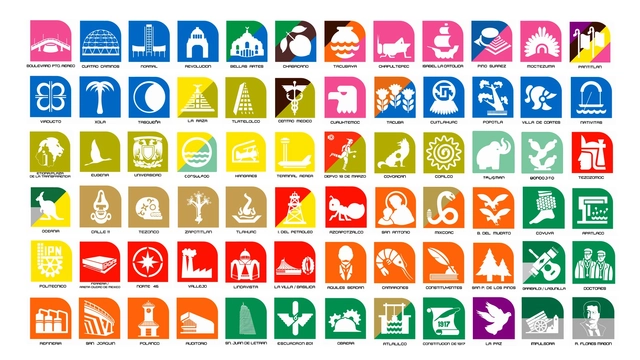
The history of the Mexico City Metro dates back to the 1960s, a time when the Historic Center buckled under traffic congestion, overcrowded buses, and inefficient streetcars that were overwhelmed by the growing population of the then-Federal District. While other major Latin American cities like Buenos Aires had implemented underground transit systems since the early 20th century, it was not until 1967 that Mexico—by presidential decree and in collaboration with the French government—established a decentralized public agency called the Sistema de Transporte Colectivo (STC).
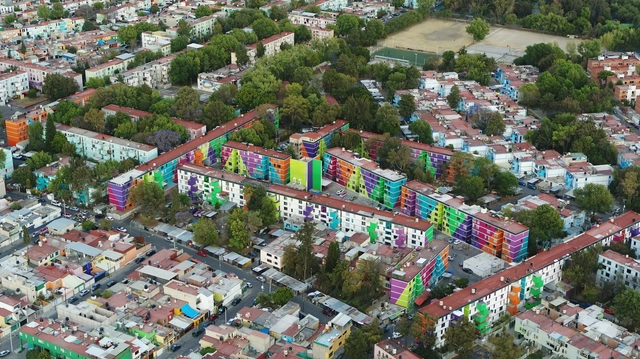
Forty-seven years after construction began on the El Rosario housing complex—the largest housing development in Mexico at 350 hectares—the Azcapotzalco borough of Mexico City, in coordination with the city's Social Prosecutor's Office and the ICA Foundation, inaugurated the photographic exhibition “The City within the City: El Rosario” on March 25 at Plaza El Parián. The exhibition aims to show residents and visitors the evolution this complex has undergone over time.
The TEMA Competition was established to give young architects and students from the University of Guadalajara the opportunity to develop projects that express ideas beyond the standard academic requirements of an architecture or design school. This year's theme, “Utopia of an Ideal,” stems from a reflection on how students navigate their university careers through academic projects, encouraging them to propose designs that address a utopian concept or a scenario detached from everyday reality.
Following three cycles held in 2020, we begin this new year by presenting the fourth cycle of Viernes de Fábrica. We remain convinced that now more than ever, the academic must be linked to the social, creating School+Community projects. Today, with the participation of over 1,500 students, architects, and professors from 20 countries across the 28 sessions held so far, we invite you to continue contributing to this initiative.
I am thrilled to share a very important milestone with all of you. Today, August 3, 2021, ArchDaily Mexico celebrates its 9th anniversary! Indeed, nine years ago, with great excitement and high expectations, we launched the Mexican edition of ArchDaily—already the most visited architecture website in the world. Our mission remained to deliver inspiration, knowledge, and tools, but with a dedicated focus on this country's architects, who over these years have enabled us to continue serving as their primary tool for international and Mexican architectural inspiration and knowledge.
The initiative aims to improve efficient urban solutions at a neighborhood scale, working to counteract the effects of climate heating through urban acupuncture and tactical urbanism as strategies for evaluating urban planning and economic proposals. Additionally, it aims to strengthen direct interactions between the project team and the beneficiary community.
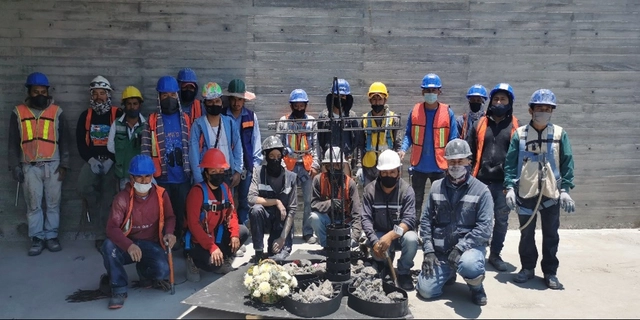
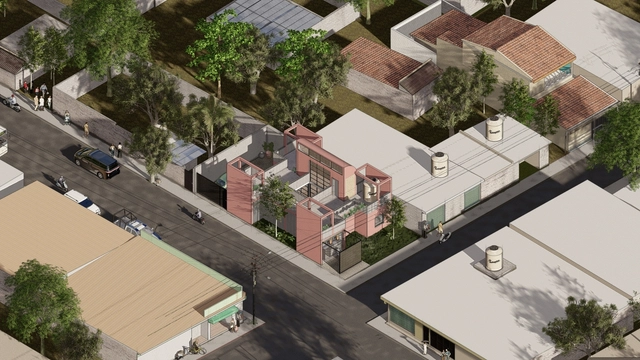
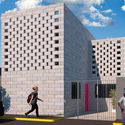
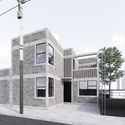
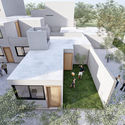
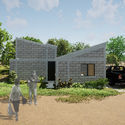
As part of an initiative by KeObra—a platform providing reliable, free information through content, infographics, videos, and social media to support those building their own homes while fostering a network that empowers self-builders, master masons, material suppliers, and architects—the First KeObra University Competition was launched. The competition called for progressive housing proposals to be integrated into the KeObra Calculator, a tool that provides cost estimates, material lists, projected timelines, and the necessary construction blueprints.
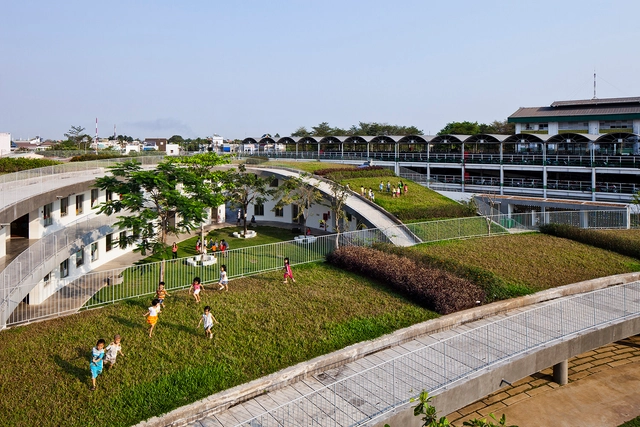
In the face of an unprecedented climate crisis, green roofs are increasingly establishing themselves as a global architectural trend, providing multiple social, economic, and environmental benefits in urban areas. Following the example of pioneering models like Copenhagen's, cities around the world are replacing gray roofs with green ones in an effort to move toward a more sustainable and healthy future. As a result, integrating green roofs has become a recurring practice in projects aiming to address the inherent challenges of the contemporary city.
The School of Architecture at the Universidad Intercontinental (UIC) has announced the winners of the 20th Academic Competition of Architecture Schools. This edition saw record-breaking participation in the number of students and projects compared to previous years, and for the first time in two decades, achieved international reach with the participation of a university from Ecuador.
Since 1985, the Faculty of Architecture at the National Autonomous University of Mexico has organized the Alberto J. Pani Architectural Composition Award, aiming to bring together the best students from institutions affiliated with the Association of Architecture Education Institutions of the Mexican Republic (ASINEA). This year, the collaborating host is the Universidad Internacional in Cuernavaca, Morelos.
One of the greatest challenges facing our cities today is reconciling two priority objectives that, at times, seem irreconcilable: reducing inequality and addressing the effects of climate change. On one hand, our planet is at a critical juncture where no action should be underestimated. Urban growth always comes at the expense of green spaces, which is why we must control our settlements. Yet, it is also a fact that certain environmental regulations, besides being ineffective at achieving their intended goals, have discriminatory effects on the most marginalized sectors. It is often these very groups that face the most rigorous enforcement of environmental administrative requirements, as well as penalties for non-compliance. Is there a way out of this apparent dichotomy?















.jpg?1612458774&format=webp&width=640&height=580)

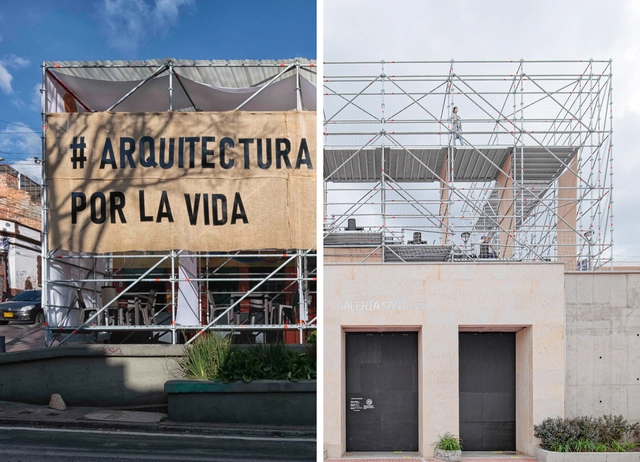
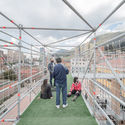
.jpg?1619133181 "Vertical Activation Installation / Taller Architects + Colab-19 + SCA. Image © Andrés Toquica")
.jpg?1619133175 "Vertical Activation Installation / Taller Architects + Colab-19 + SCA. Image © Andrés Toquica")

.jpg?1620226413&format=webp&width=640&height=580)
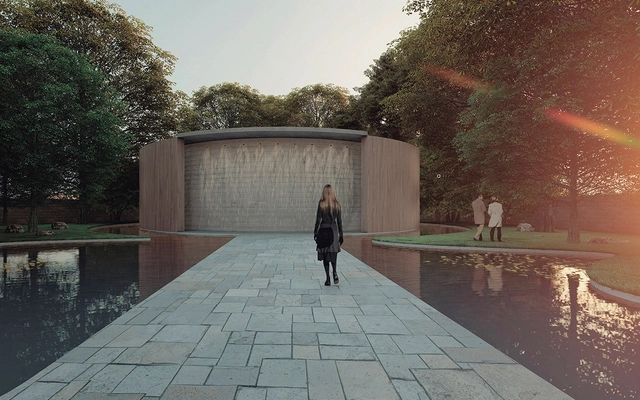
_2.jpg?1629819988&format=webp&width=640&height=580)
.jpg?1629390332 "© Carla Luisa Escoffié Duarte")
_2.jpg?1629819988)