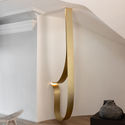
Choosing between vinyl and laminate flooring is no longer necessary, as resilient hybrid flooring combines the best features of both materials. Kiwi is a natural flooring made of 80% wood, utilizing a premium impregnation technology that makes it 100% waterproof. This product features 80% wood, while the remaining 20% is composed of plant-based resins. Consequently, it is 100% PVC-free, making it an entirely eco-friendly choice.
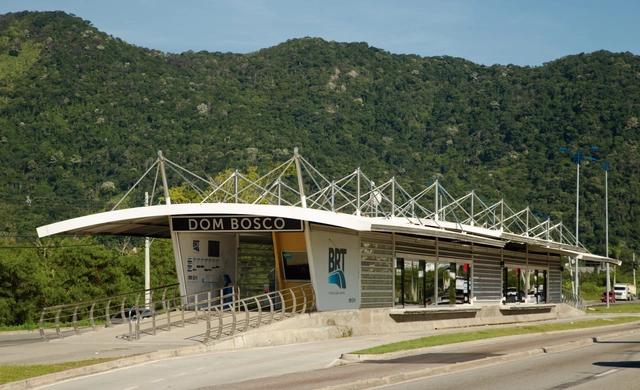
Jozé Candido is an architect and urban planner from Rio de Janeiro with extensive experience in the public sector, particularly in transportation. His design for the BRT (Bus Rapid Transit) stations in Rio de Janeiro was recognized as a "Gold Standard BRT" in 2013 by the ITDP. The BRT is a public transit system that crosses the city in the center-west direction and was implemented in Rio de Janeiro between 2012 and 2024.
Urban mobility architecture and its infrastructure — stations, terminals, pedestrian overpasses, etc. — are spaces of collective, daily use for the population of Brazilian metropolises. Aiming to expand knowledge and repertoire regarding these spaces, this interview explores the technical, political, and logistical challenges faced during the design and implementation of the BRT in the city, as well as the legacy of Jaime Lerner. The following interview highlights the impact of this project on urban development, transit modal integration, and the role of architecture in the functionality and sustainability of transportation systems.
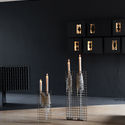
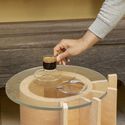
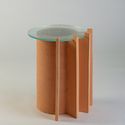
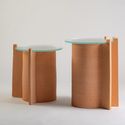
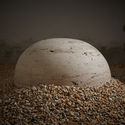
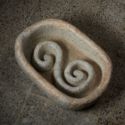
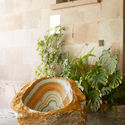
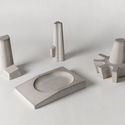
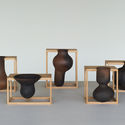
The design studio PECA—led by Mexican architect Caterina Moretti—launches its new collection titled "Impronta Terracota," made from clay and fused glass. Comprising two vessels that offer an unexpected twist on their purpose, they transform into table pedestals rising to two different heights. This exploration was developed at the Taller de Locos pottery workshop in Guadalajara.
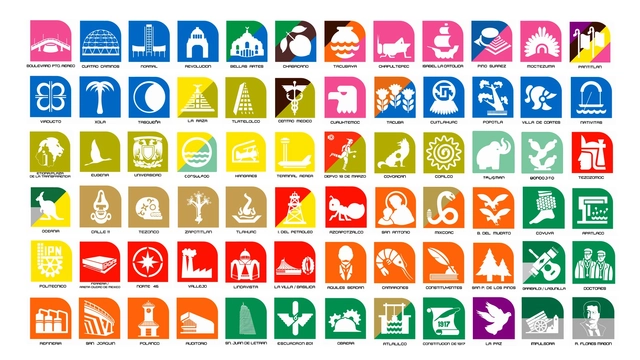
The history of the Mexico City Metro dates back to the 1960s, a time when the Historic Center buckled under traffic congestion, overcrowded buses, and inefficient streetcars that were overwhelmed by the growing population of the then-Federal District. While other major Latin American cities like Buenos Aires had implemented underground transit systems since the early 20th century, it was not until 1967 that Mexico—by presidential decree and in collaboration with the French government—established a decentralized public agency called the Sistema de Transporte Colectivo (STC).
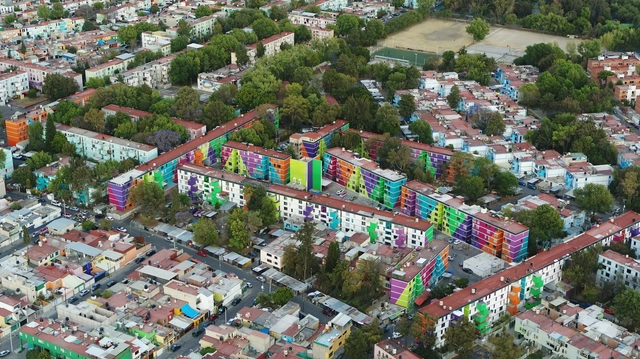
Forty-seven years after construction began on the El Rosario housing complex—the largest housing development in Mexico at 350 hectares—the Azcapotzalco borough of Mexico City, in coordination with the city's Social Prosecutor's Office and the ICA Foundation, inaugurated the photographic exhibition “The City within the City: El Rosario” on March 25 at Plaza El Parián. The exhibition aims to show residents and visitors the evolution this complex has undergone over time.
The TEMA Competition was established to give young architects and students from the University of Guadalajara the opportunity to develop projects that express ideas beyond the standard academic requirements of an architecture or design school. This year's theme, “Utopia of an Ideal,” stems from a reflection on how students navigate their university careers through academic projects, encouraging them to propose designs that address a utopian concept or a scenario detached from everyday reality.
Following three cycles held in 2020, we begin this new year by presenting the fourth cycle of Viernes de Fábrica. We remain convinced that now more than ever, the academic must be linked to the social, creating School+Community projects. Today, with the participation of over 1,500 students, architects, and professors from 20 countries across the 28 sessions held so far, we invite you to continue contributing to this initiative.
May 3 is a holiday originating from the Finding of the Holy Cross, May Cross, or Festival of the Crosses, which traces its roots to the Roman rite celebrating the Cross of Christ. This commemoration has evolved over time, being adopted in cities across Mexico, Chile, Spain, Ecuador, El Salvador, Guatemala, Paraguay, Peru, Trinidad and Tobago, Argentina, Colombia, and Venezuela, where the celebration typically includes floral decorations, processions, and dances.
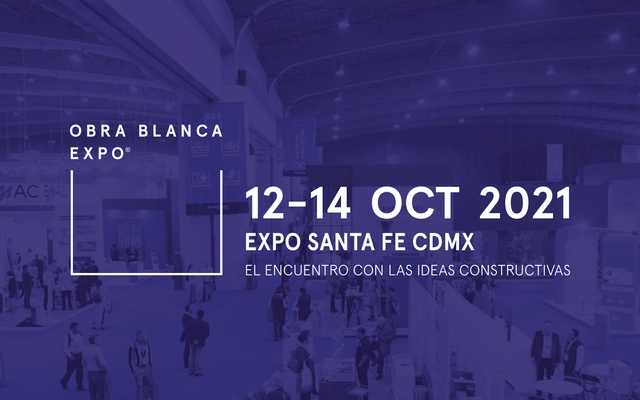
Conceived as an initiative to meet the construction sector's demand for all types of finishes, the Obra Blanca exhibition is set to celebrate its second edition. Designed as a meeting point for both professionals looking to showcase their products and those seeking to compare different finishing options, this specialized trade show will focus on the visitor experience and the professionalization of an increasingly comprehensive and sophisticated industry.
I am thrilled to share a very important milestone with all of you. Today, August 3, 2021, ArchDaily Mexico celebrates its 9th anniversary! Indeed, nine years ago, with great excitement and high expectations, we launched the Mexican edition of ArchDaily—already the most visited architecture website in the world. Our mission remained to deliver inspiration, knowledge, and tools, but with a dedicated focus on this country's architects, who over these years have enabled us to continue serving as their primary tool for international and Mexican architectural inspiration and knowledge.
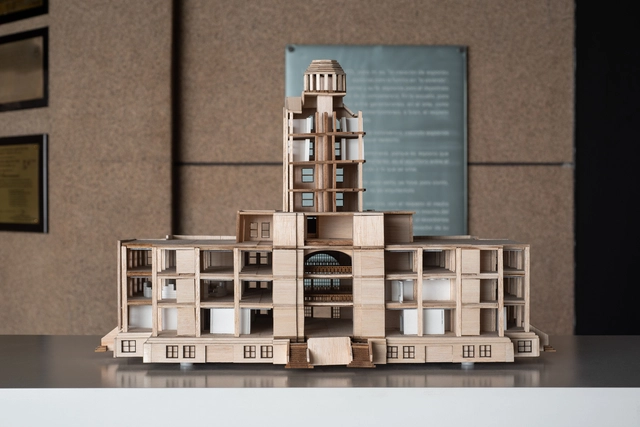
In October, within the framework of the XXI NL Biennial, the exhibition "Folio 2. LABNL | Geometries and Components" was inaugurated at the Exhibition Hall of the College of Architects of Nuevo León. Developed by the firm Taller Arquitectónico, led by architect Manuel Martínez, the LABNL project was awarded the Calli de Cristal in the Restoration category at the XXI Nuevo León Architecture Biennial. The project involves the restoration of the Old Federal Palace, located in Monterrey's Metropolitan Center, to house a cultural laboratory for civic innovation and development.
MASA Gallery presents the exhibition "Vital Elements" in Oaxaca de Juárez, Mexico, as part of a tribute to the work of Cuban artist Ana Mendieta, returning the after-effects of an encounter—its documentation and subsequent influence—to its place of origin. For the first time, five of the artist's celebrated films are being shown in the city where they were made, including the first film from Mendieta's 'Silueta' series, filmed at the Yagul archaeological site in 1974.
Some administrative decisions affect populations to varying degrees. The signing of the agreement between the Colombian government—and guarantor countries—and the FARC-EP was one of the most anticipated events for over 40 million Colombians and multiple generations affected by the internal armed conflict. Yet, the path was not easy, and deep polarization surrounded an agreement that would bring an undeniable benefit to everyone, regardless of political affiliation: peace.
Today, there is a clear need for those who practice and think about architecture to focus on latent, realistic, and immediate issues that directly impact people's quality of life—rather than focusing on egocentric architectural landmarks spanning thousands of square meters.
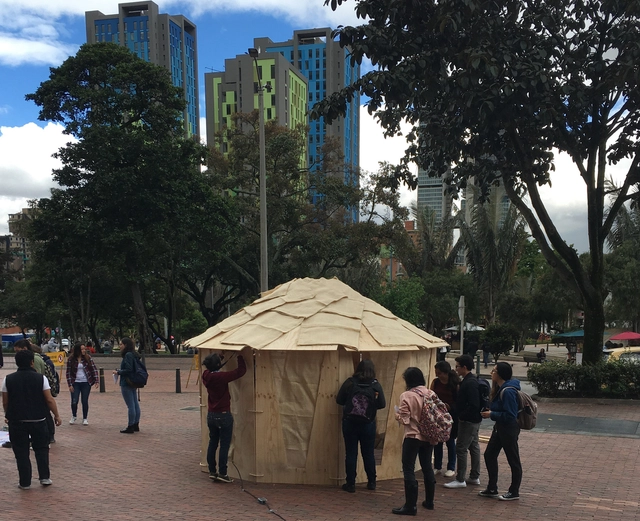
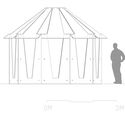
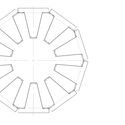
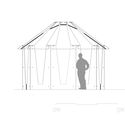
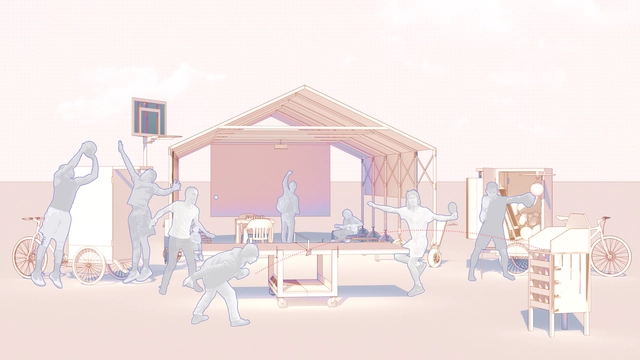
This is the case with the project by architect PhD Juan Pablo Aschner Rosselli: a series of activation artifacts for coexistence including the *Jugarmario*, the *Ciclaportivas*, and the *Carpamóvil*. These were designed for the Corpovisionarios Center for Thought and Action, which managed the project.
Render Tipología 4. Image Cortesía de Manuela Keegan
Barranquilla is one of the few Colombian cities whose urban grid was not shaped by a foundational central plaza. Instead, the city grew along the Magdalena River, a bustling trade hub where narrow alleys were formed to distribute goods. Today, the condition of these alleys is a far cry from the peak of the urban landscape recorded in history. Discover the winning proposal of the university competition: Recovering the Alleys of Downtown Barranquilla.
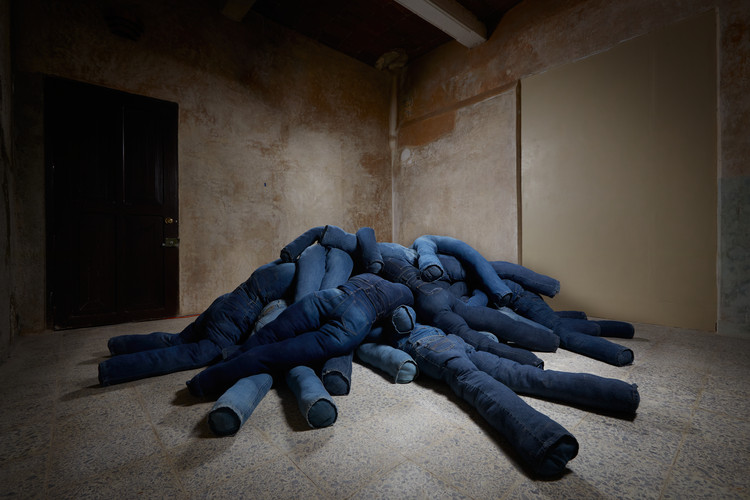
As part of the cultural programming of the Mexico City-based art gallery, MASA presents its fourth exhibition, The Last Tenant, curated by artist Mario García Torres and featuring works by artists such as Carlos Amorales, Leticia Arroyo, Geles Cabrera, Jose Dávila, Héctor Esrawe, EWE, Marie Lund, Theo Michael, Adeline de Monseignat, Rubén Ortiz Torres, Ana Pellicer, Rooms, Josef Strau, Brian Thoreen, and Jorge Yázpik.
As part of the annual celebrations hosted by the CEMEX Awards, the recipient of the Arq. Marcelo Zambrano Scholarship has been announced, reaffirming the commitment to fostering the continued development of architecture in Mexico. CEMEX awards the Arq. Marcelo Zambrano Scholarship in honor of the exemplary career, professional dedication, and leadership of architect Marcelo Zambrano, aiming to support young Mexicans in pursuing postgraduate studies at prestigious international universities.
As part of an initiative by the new Mexico Design Fair platform, the "Designer of the Year" award was presented today, May 22, at Casa Naila in Puerto Escondido to industrial designer Liliana Ovalle, whose work demonstrates an extensive exploration of materials and processes that incorporate narratives and observations of her surroundings.
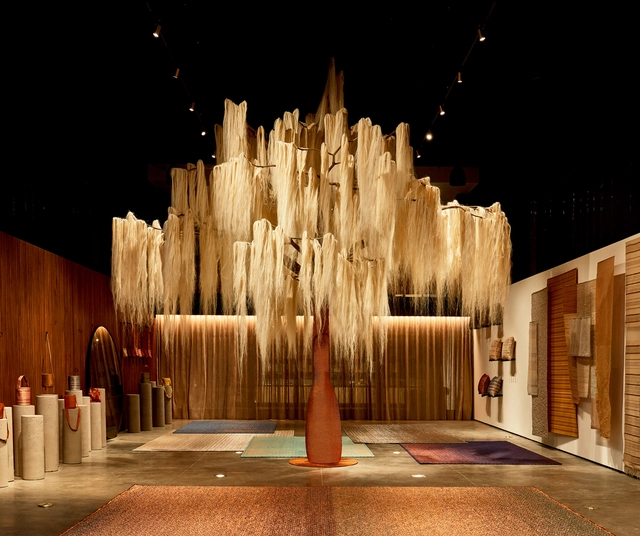
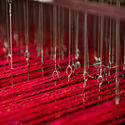
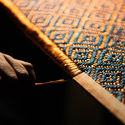
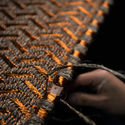
Built in collaboration with the architecture firm Colette Studio, the showroom for Verdi, a textile studio from Colombia, Bogotá, invites visitors to immerse themselves in a phenomenological experience that bridges textile tradition and contemporary industry. The exhibition space is not only designed with the studio's moving family and cultural legacy in mind, but also reflects the company's belief that exceptional, sustainable craftsmanship is one of today's ultimate luxuries.
As part of the 10th anniversary celebration of the award, Interceramic announced the winners of the Tenth Edition across its various categories and the "2021 Architecture Lifetime Achievement Award." The initiative aims to recognize and promote projects that best reflect contemporary design and express the current state of architecture and interior design, as well as reward creativity in the use of Interceramic ceramic materials.
In a year defined by physical distancing, social media has taken on an even greater role in how we connect and stay informed. Our Instagram accounts have broken reach records, bringing our audience the very best of our website's content: projects, articles, interviews, and news from the architectural world, inspiring new ideas and tools for a better future for our cities.
On Thursday, October 28, as part of the Nuevo Léon Architecture Biennale, the XXI Professional Calli Awards ceremony took place. Honorable mentions, Crystal Calli awards, and silver and gold medals were presented, representing the most prestigious recognitions awarded by the Association of Architects to the best academic and professional projects developed over the last two years.
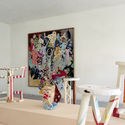
As part of a new initiative, ESRAWE is transforming its Mexico City showroom into a platform that promotes collaboration among the designers and creatives it works with. This inaugural exhibition seeks to capture the essence of the synergy that defines their working method, featuring iconic pieces from VISSIO, EWE, and Héctor Esrawe's own work, alongside high-design furniture from ESRAWE Studio and young designers like Manu Bañó. Additionally, they are presenting their partnership with Galería Arróniz, showcasing a selection of national and international artists. Read on to discover the full collections.
With Tlaquepaque and Tonalá, two highly important pottery centers, as neighbors, Guadalajara naturally became an epicenter for the promotion and commercialization of crafts. Consequently, in 1963, the government of Jalisco decided to develop a space to promote the work of artisans from all regions of the state.




























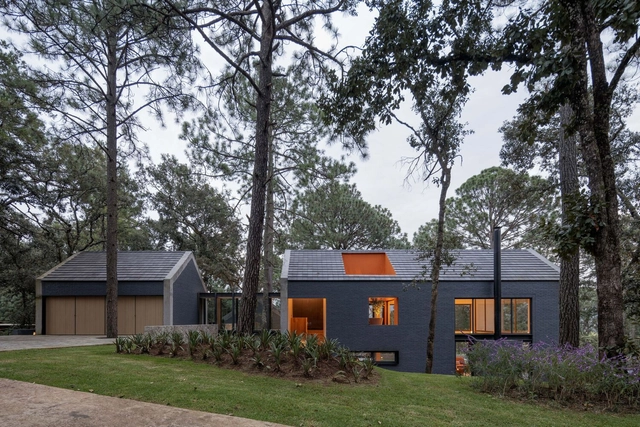
.jpg?1639602926 "CRA House / Estudio MMX. Image")