If quarantine has brought anything positive to the lives of many people around the world, it is the opportunity to shift our daily routines and immerse ourselves in new activities for which we previously had neither the time nor the energy. Learning and gaining deeper knowledge in topics that interest us or relate to our professional work is one of these opportunities.
Many organizations and companies linked to the architecture and construction industries are enhancing their digital presence through webinars that offer in-depth insights into their tools and products, allowing them to stay connected with their professional communities. We invite you to explore this list of free webinars available over the coming weeks. With any luck, you will find one that fits your latest project!
The sixth edition of the Madrid International Festival of Architecture and the City will take place from September 25 to 27, featuring a special edition organized to comply with necessary safety measures and ensure the well-being of all participants. The event will allow citizens to explore more than 80 spaces normally closed to the public free of charge, as well as participate in fifteen outdoor guided tours in small groups, with mandatory pre-registration. The festival will also feature other cross-disciplinary and complementary activities.
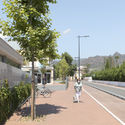
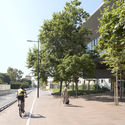
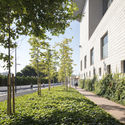
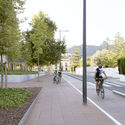
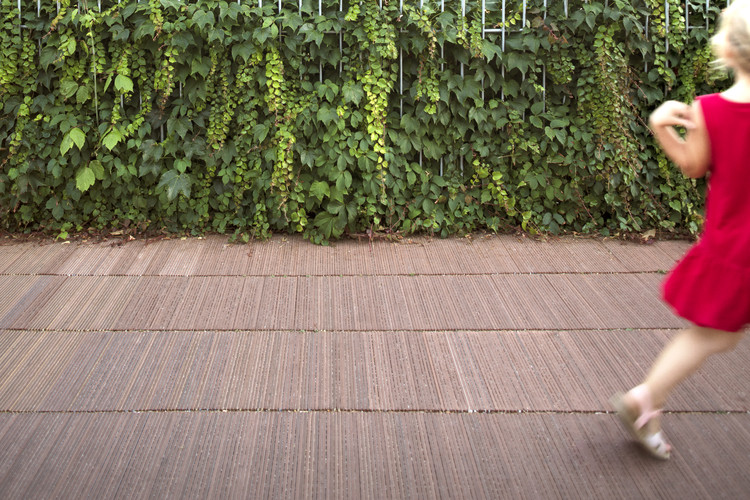
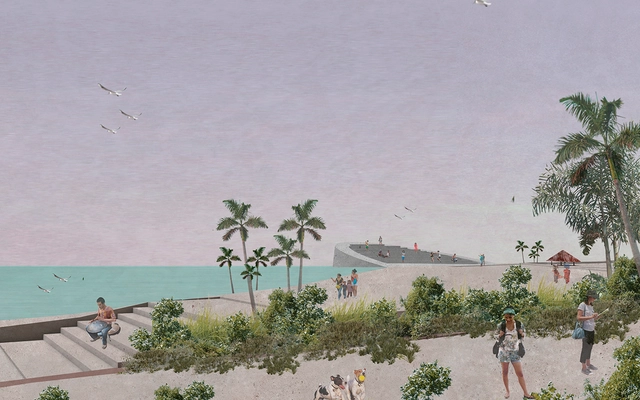
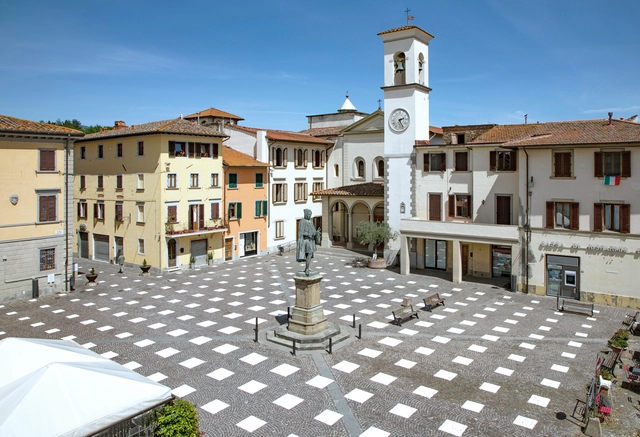
LIFE CERSUDS (which stands for Ceramic Sustainable Urban Drainage System) is a proposal developed within the framework of the LIFE program—the European Union's funding instrument for the environment and climate action. It is a sustainable urban drainage system (SUDS) that utilizes low commercial value ceramic material as a filtering paving system to improve cities' adaptive capacity to the climate crisis.
This initiative was implemented as a demonstrator project in the town of Benicàssim, Spain, by architects Eduardo de Miguel and Enrique Fernández-Vivancos of the Valencia Ceramic Chair. They present the project in detail below.
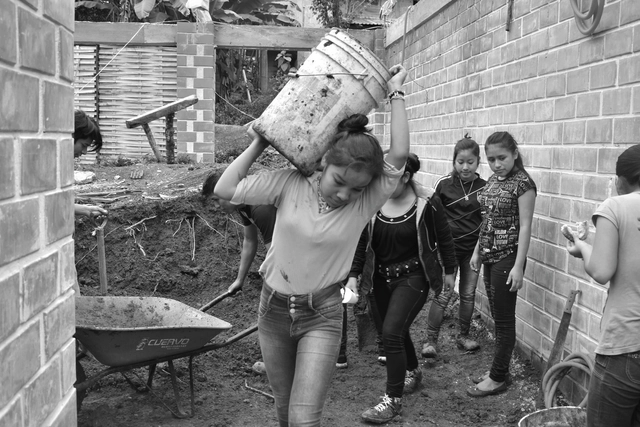
In light of recent statements by the Federal Government and the new programs announced by institutions involved in housing production in Mexico, we believe it is essential to open a dialogue and exchange ideas to better understand the concepts of self-construction, self-production, and the “Social Production and Management of Habitat” [SPMH], as well as the role of architecture in these social processes.
https://www.archdaily.com/1123823/the-role-of-architecture-in-self-construction-self-production-and-assisted-social-housing-productionMariana Ordoñez y Jesica Amescua
Electric scooters represent a significant opportunity to reduce transportation-related carbon emissions by bridging the "first and last mile" connections that people often make by car to access public transit systems during urban trips.
To showcase Uruguay's valuable academic output, we launched an open call inviting readers in the country to submit their final thesis projects.
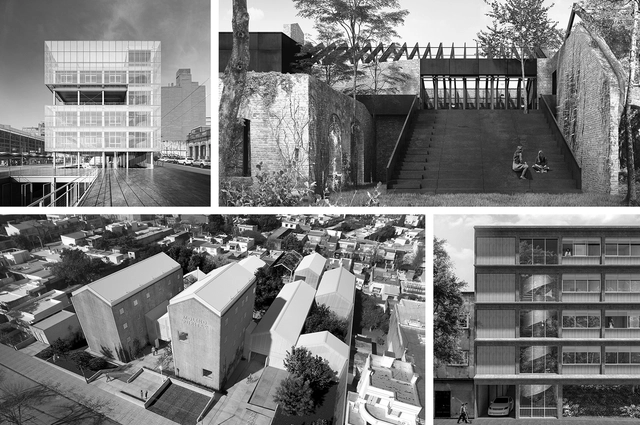
Out of a total of 65 submissions, the editorial team—comprising Fabian Dejtiar (Managing Editor of ArchDaily en Español); Mónica Arellano (Editor, ArchDaily México); Santiago Baraya (Editor, ArchDaily Colombia); and Belén Maiztegui (Editor, ArchDaily Argentina)—selected six. The highlighted projects are those that addressed specific challenges, their chosen form, and their representation through critical, austere, and efficient thinking. We valued proposals that not only delivered the best possible architecture through a simple design suited to its context, program, and users, but also paid close attention to human scale, mediation, and new ways of approaching architecture in cities.
As part of our ongoing effort to highlight the outstanding academic work being produced in universities, we launched an open call last January, inviting Mexican architects to share their graduation projects. We sought theses and academic research addressing critical issues in the Mexican context—projects that typically remain on paper but deserve national recognition.
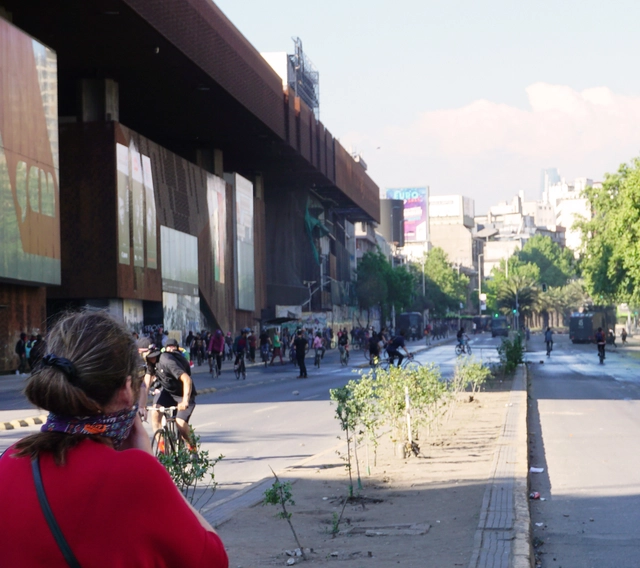
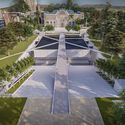
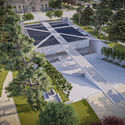
In mid-August, images of a new urban-architectural proposal for downtown Santiago began circulating in the media and on social networks: the preliminary design led by architect Gonzalo Mardones for the MAC Contemporary Art Museum in Parque Forestal.
Despite the potential benefits it aims to deliver, does it capitalize on the opportunity presented by intervening in this area? Does it meet citizens' expectations? Does it foster discussion about its management? Are there other viable alternatives?
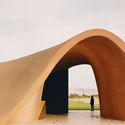
Vaulted structures make it possible to build homes affordably and with minimal infrastructure—relying solely on the catenary arch as a design foundation, a formwork-free construction system, and the human body as a morphological reference. Beyond material cost savings—should financial benefits not offer enough incentive—vaulted structures are characterized by their humanized quality and their potential to create organic spaces imbued with identity.
As part of the cultural program of LIGA, Space for Architecture in Mexico City, the Brazilian quartet Terra e Tuma—comprising Danilo Terra, Fernanda Sakano, Pedro Tuma, and Juliana Terra—presents a project that reflects their architectural practice: a process of copying and repetition. As announced on LIGA's official website, the opening scheduled for Wednesday, March 18, was canceled due to recent developments surrounding COVID-19 in Mexico City. Nevertheless, digital publications like this one aim to share the project to foster dialogue and reflection on the world of architecture.
The third generation of the Bogotá-based firm Bermudez Arquitectos spoke with ArchDaily during the quarantine, discussing various aspects of their practice, their contributions to academia, and the challenges of working in a studio with a family legacy. Read the transcript of the Instagram Live below.
Since 2008, the National Chamber of the Iron and Steel Industry CANACERO has joined forces with the Latin American Steel Association ALACERO through initiatives such as the ALACERO Steel Design Competition for Architecture Students and the CANACERO National Steel Award for Architecture Students, aiming to encourage the use of steel in construction among architecture students in Latin America.
Following the onset of isolation and social distancing, we opened up a space to interview architects, exploring their architectural perspectives through a lens of empathy for our shared global situation. Broadcast live on ArchDaily Colombia's Instagram, one of these conversations was with Antonio Yemail, principal of the Bogotá-based firm Yemail Arquitectura.
Architecture does not feed upon itself. Unlike Francisco de Goya's painting, Saturn Devouring His Son, architecture looks to other arts, sciences, and technologies for nourishment before turning upon its own kind. Without these fundamental tributaries, it could not exist. Its richness is directly proportional to the presence of these supporting contributions.
Since its origins, architecture has maintained a close relationship with measurement—an obsession that represents the transition between creative art and construction technology. Art and technique, united by measurement. First came the body, then proportional and regulatory elements, and finally, complex metrics of various kinds. Historically, the treatises of Vitruvius, Leonardo da Vinci, and Leon Battista Alberti taught us the mathematical relationships between art and nature as the fundamental basis of architecture.
https://www.archdaily.com/1123529/the-new-metric-reflections-on-norms-and-measures-in-times-of-social-distancingManuel Amaya D.
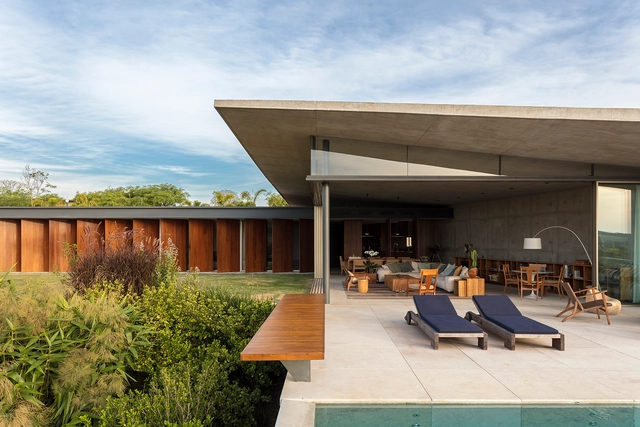
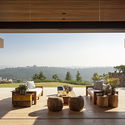
Countries with a predominantly tropical or equatorial climate, such as Brazil, allow homes to foster a more fluid relationship between the indoors and outdoors, with little to no need, across most of the country, for architectural features that restrict this connection to retain heat. In regions marked by warmer temperatures, integrating indoor and outdoor spaces is particularly beneficial, promoting greater natural ventilation and daylighting within the home, alongside its inherent aesthetic appeal.
Our jury of experts—meaning you, our readers—have nominated their favorite projects from among nearly 1,000 built works in Latin America and Spain: today, the day has come to meet the finalists of ODA2020!
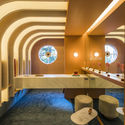
In early October, a new space opened in Mexico City under the name Design House at Público Coworking, showcasing a series of interventions that integrate disciplines such as design, architecture, and interior design. Over the past ten years, Design House has presented cutting-edge concepts from more than one hundred participating firms across various venues, collaborating with showrooms on the Design Route (Ruta del Diseño) that provide the pieces and accessories featured in the diverse installations.
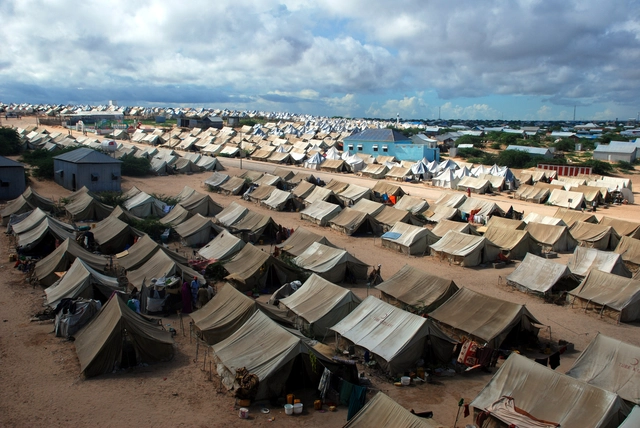
Currently, most global citizens have been directed into lockdown due to COVID-19. After spending more than two months under these circumstances, two broad reflections emerge—regardless of the personal challenges faced by each household. The first is that we might adapt and live in relative harmony within our living spaces; the second is that our living space may not be adequate for our comfort. We will delve into this second point to empathize with vulnerable populations who choose to abandon their lives in one place to migrate toward better opportunities, and to examine how architecture addresses—or fails to address—the migration emergency.
The 13th São Paulo International Architecture Biennial has established reconstruction as the core theme of its 2022 edition. As a preparatory activity for the co-curatorship competition, the IABsp organized three debates to discuss the very essence of art and architecture exhibitions, while also calling on us to reflect on the role of architects, urban planners, and many other professionals in building fairer and more democratic cities.
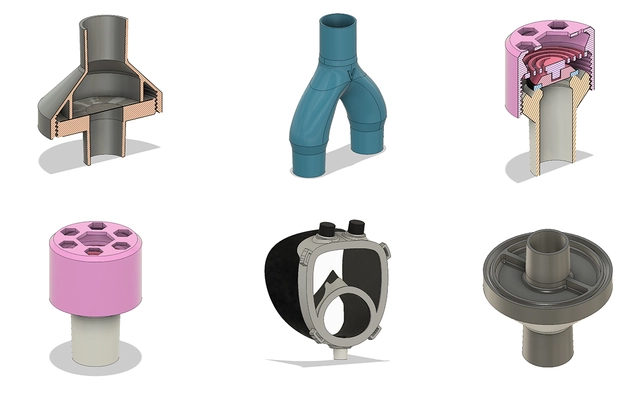
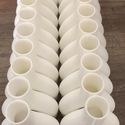
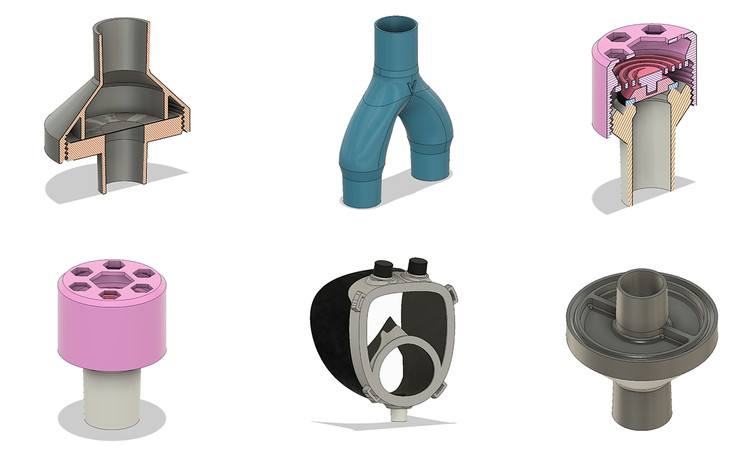
As part of an initiative by Makers México, a group of nearly 300 creative professionals from various fields continues to come together to address the COVID-19 pandemic. Architects such as Juan Carlos Baumgartner and Michel Rojkind, along with designer Ariel Rojo, have joined this effort to contribute in various ways, creating 3D-printed parts to be donated to hospitals across the country. Currently, they are working on a splitter—which allows two patients to be connected to a single ventilator in the event of a shortage—protective masks for doctors and patients, as well as other components to complement their operation.
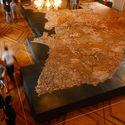
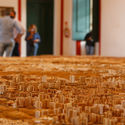
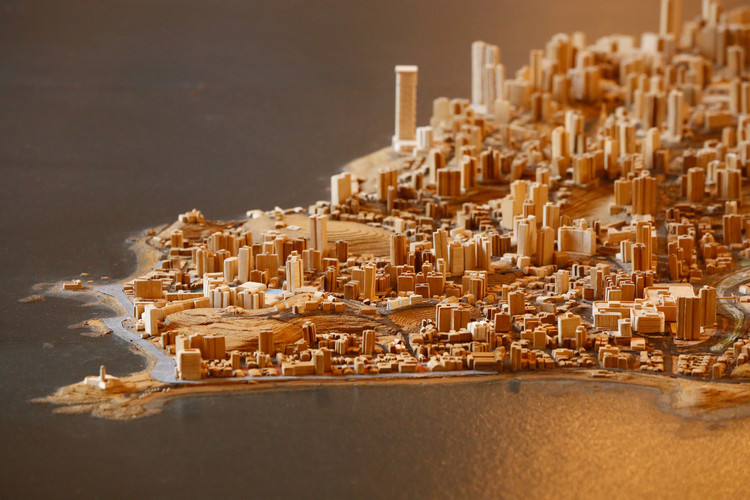
On August 20, the landmarking process began for the scale model of Salvador, which is currently on display at the Associação Comercial da Bahia in the state capital [1]. The model, which will remain open to visitors by appointment until September 18, 2020 [2], was first conceived in the early 1970s by architect Assis Reis. Since then, it has been continually updated by a team of craftspeople from the Salvador Municipal Government to represent the city's urban changes, thus preserving the original vision behind its creation.
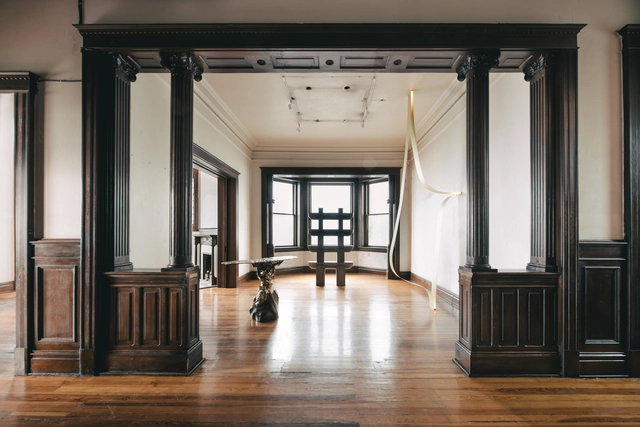
As part of the cultural programming of the Mexico City-based art gallery, MASA presents the exhibition Recover / Uncover, a space featuring unique and limited-edition pieces by designers and artists whose work seeks to challenge labels. In doing so, MASA celebrates contradiction as a reflection of an ongoing process of self-definition and evolution over time, presenting objects as tools for life and contemplation.
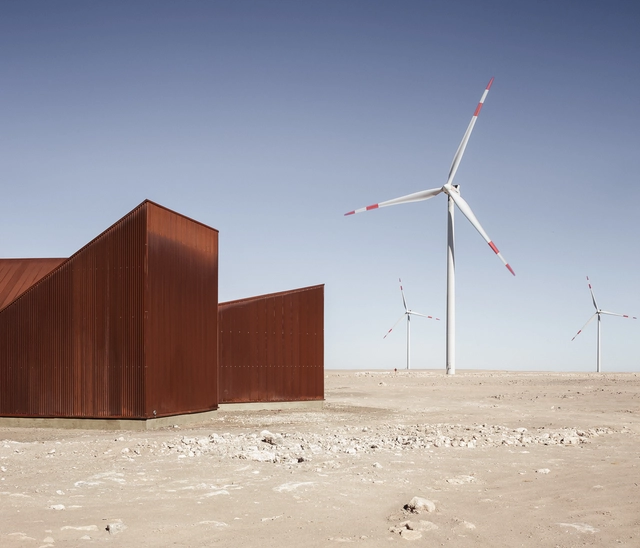
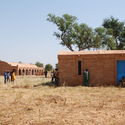
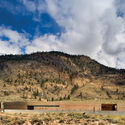
"The hardest thing in architecture is building in the desert. It is terrible, there are no references," Álvaro Siza once remarked. Paradoxical as it may seem, complex site constraints are often the starting point for architectural reasoning. Dealing with steep slopes, significant pre-existing structures, or endemic vegetation might initially seem like an obstacle to the creative process, but in many cases, this very confrontation is what makes a project unique and anchors it to its site.

._Foto_de_Ximo_Michavila_(1).jpg?1600273511&format=webp&width=640&height=580)




.jpg?1602156477)





.jpg?1592235861 "Jungle House / Studiomk27 - Marcio Kogan + Samanta Cafardo. Image: © Fernando Guerra | FG+SG")