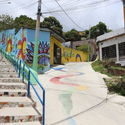
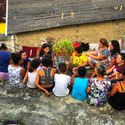
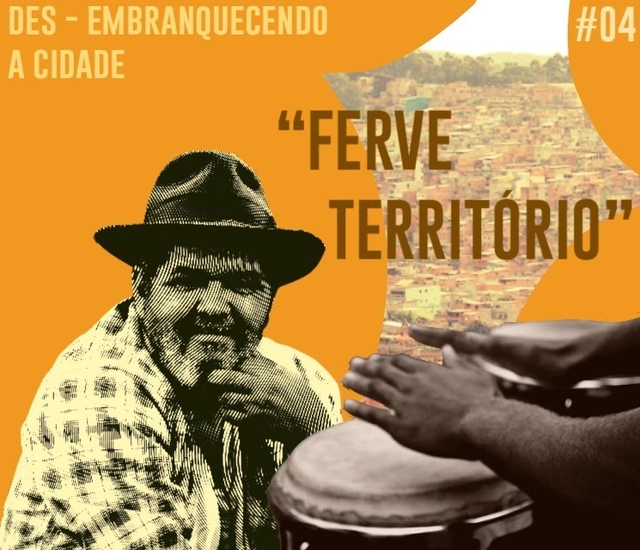
The Terra Preta Cidade collective is a space created from the desire of five Black women living in Salvador, São Paulo, Rio de Janeiro, and Belo Horizonte to bypass geographical distance in order to promote and celebrate coming together. Emmily Leandro, Gabriela Gaia, Luciana Mayrink, Malu de Barros, and Natalia Alves give shape and voice to this exercise of creating a shared virtual territory—which is as much a political statement as an aesthetic one—through the podcast Des-embranquecendo a Cidade, which reaches its fourth episode with the theme: "Boiling Territory — Permanent Steadfastness."
https://www.archdaily.com/1123679/de-whitening-the-city-number-4-territory-boils-permanent-steadfastnessTerra Preta Cidade
Italy has approved a program providing a bonus of up to 500 euros (approximately R$ 3,100) to help residents of cities with more than 50,000 inhabitants buy a bicycle. The measure is part of a decree-law approved on May 13 by the Council of Ministers to boost the country's economic recovery amid the novel coronavirus pandemic. Additionally, the initiative encourages the use of non-polluting vehicles.
Carlos Figueroa, under license CC BY-SA 4.0. ImageHeadquarters of the Ministry of Cultures, Arts, and Heritage of Chile in Valparaíso.
In the context of the global health emergency caused by the COVID-19 pandemic, Chile's Ministry of Cultures, Arts, and Heritage has launched a public survey for freelancers, workers, and representatives of the cultural and artistic sectors to assess the status of their organizations, centers, and agents across the country.
The Porto Alegre-based firm 0E1 Arquitetos has launched an e-book to help professionals design their new home workspaces. The Home Office Guide is a digital publication featuring tips to improve remote work environments, created to raise funds for local charities.
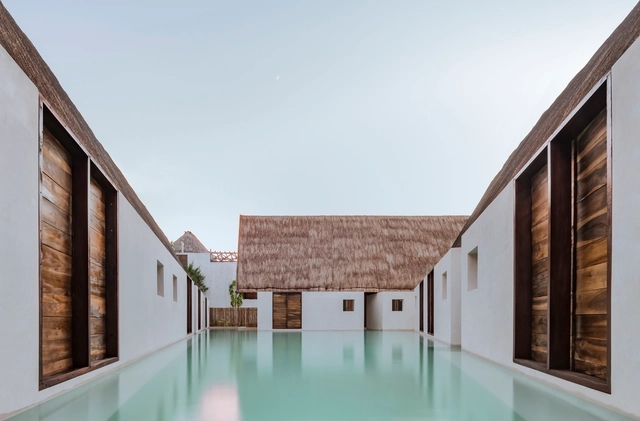
One of the most important factors in design is the site's specific climate. This can pose a challenge in extreme weather, where insulating materials are required to adapt to changing conditions. However, in the case of Mexico and its privileged climate, this factor works to the architects' advantage, allowing them to create microclimates and spaces that blur the transition between indoors and outdoors.
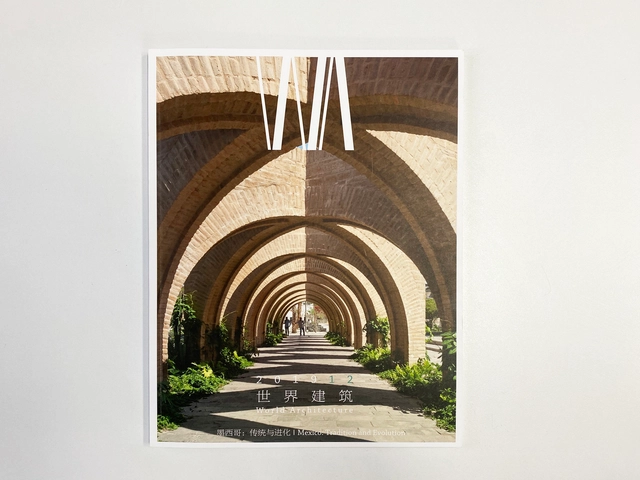
An exclusive issue dedicated to Mexican architecture is the theme of the latest edition of World Architecture (WA) magazine in China, curated by the ArchDaily team. Published by Tsinghua University since its founding in 1980, World Architecture magazine is one of the largest and most prestigious architectural publications in China.
Yesterday, November 9, 2020, marked the opening of the 22nd Pan-American Architecture Biennial of Quito (BAQ2020), held online. As one of the most highly anticipated architectural events nationally and internationally, this edition features a robust program of 28 panel discussions, 4 keynote lectures, 4 interviews, and other exclusive content accessible via the microsite designed for the event. Additionally, a broad cultural program includes interventions in eight buildings and two exhibitions.
https://www.archdaily.com/1123674/the-pan-american-architecture-biennial-of-quito-2020-opens-with-a-presentation-by-momoyo-kaijimaArchDaily Team
Throughout the history of architecture, representation has always played a vital role; it is the very birthplace of a project. Over time, prominent architects have stood out precisely because of their style of representation. Examples include Viollet-Le-Duc, whose drawing style brought to light the restoration of several historic buildings in Europe, and Le Corbusier, whose famous sketches were anything but beautiful yet managed to convey the essence of his projects.
The São Paulo International Architecture Biennial is the most significant project organized by the IABsp. Since its inaugural edition in 1973, the event has sought to review, discuss, explore, and expand access to issues surrounding territorial occupation and society.
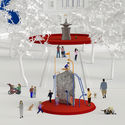
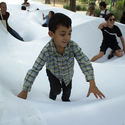
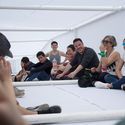
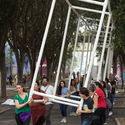
Horizontal Monuments is a participatory intervention carried out at Plaza Juárez in Guadalajara, Mexico. The project began with the construction of a 1:1 scale replica of the obelisk located in the plaza, placed on the ground and shifting its materiality, turning this monument into a malleable and accessible object. This shift sparked a central question: what should be done with it? This question triggered a series of discussions that transformed into actions; students and local community members gathered to give voice and form to the ideas emerging from the transformation of the object. The work was conceived as an educational project to imagine alternative models of monuments capable of addressing the demands and possibilities of specific sites. Its development led to a series of collective actions described below.
https://www.archdaily.com/1123752/horizontal-monuments-a-participatory-intervention-in-guadalajara-mexicoArchDaily Team
Originally published as "Caminando hacia la descolonización urbano-arquitectónica" in the third edition of Revista CLEA—an annual publication of the Coordinadora Latinoamericana de Estudiantes de Arquitectura (CLEA)—this article presents an introduction to the decolonization of spaces as a political, social, and methodological critique of the territorial, urban, and architectural praxis that has become established in our cities.
This article is part of a collaboration with the website coolhuntermx. It was originally published on February 2, 2020, under the title "Un parque moderno para Guadalajara" and written by David Lozano Díaz.
In 1971, architect Fernando González Gortázar, at 29 years of age, was commissioned to build González Gallo Park. This commission served a dual purpose: to commemorate the late former governor José de Jesús González Gallo and to provide a substantial new public space for the developing neighborhoods in eastern Guadalajara.
Photo by Fernando Stankuns on Visualhunt / CC BY-NC-SA
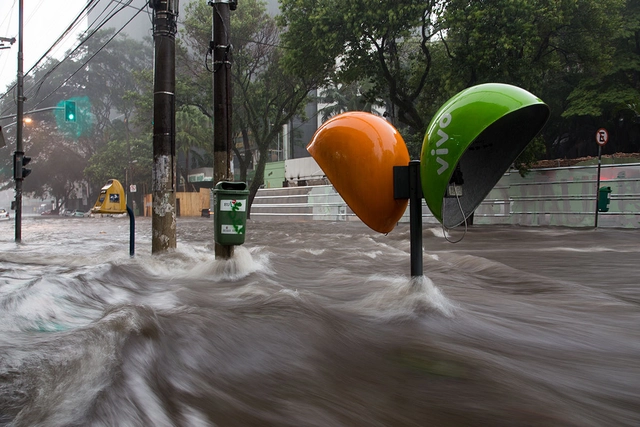
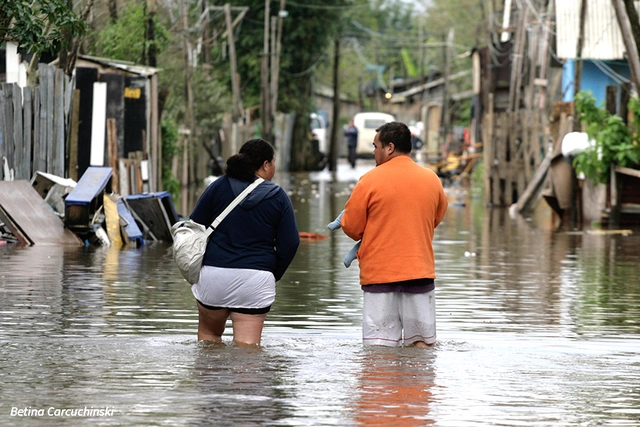
Recent floods in Belo Horizonte and other cities in Minas Gerais have alarmed residents. Videos showing the force of the torrents dragging cars and toppling structures shocked the entire country. This state of emergency was not confined to Minas Gerais. Much of the Southeast faced heavy rains, causing widespread disruption. In Espírito Santo, for instance, more than 5,000 people were forced to leave their homes, while São Paulo was placed on high alert for flooding. Meanwhile, in Rio de Janeiro, an algae bloom in water sources led to the opposite extreme: a water crisis triggered by the poor quality of the water reaching people's taps.
https://www.archdaily.com/1123688/natural-infrastructure-can-prevent-disasters-like-the-floods-in-minas-gerais-and-sao-pauloWRI Brasil
Roma 212 is a multidisciplinary studio dedicated to architectural design, ephemeral installations, interiors, and urban planning. Its philosophy centers on experimenting with new materials, forms, and processes, aiming to renew and rethink architecture as a cultural catalyst.
In recent days, a series of reports and articles correctly diagnosed the cause of the recent floods in the state capitals of Belo Horizonte, São Paulo and Porto Alegre, as well as in smaller cities such as Iconha, in Espírito Santo. The primary cause of these disasters was the urbanization of our cities—both planned and unplanned—which amplified the potential damage.
“Empty Spain, Full Spain. Conciliation Strategies” is the proposal by Anna Bach, Eugeni Bach, and Óscar Miguel Ares that secured the curatorship of the upcoming XV Spanish Biennial of Architecture and Urbanism (BEAU).
To disseminate the history of Argentina's socially-grounded popular architecture, Moderna Buenos Aires - CPAU presents the documentary “Movimiento Nac&Pop”, a film that compiles testimonies from various Argentine architects—including Jorge Moscato, Alfredo Garay, Rodolfo Sorondo, Jorge Hampton, Emilio Rivoira, Roberto Frangella, and Mario Sabugo—who formed the collective known as Nac&Pop. This professional group emerged during the final years of the military dictatorship, fueled by democratic fervor, and was responsible for, among other achievements, driving the transformation of Palermo Viejo and designing the master plan for Puerto Madero.
“Where the city ends should not be the question,” Alejandro Aravena has repeatedly stated in various lectures, “where it begins is the question we should try to understand.” In many Latin American countries, the concentration of wealth in urban environments has led to the explosion of cities and “metropolitan areas,” giving rise to complex challenges.
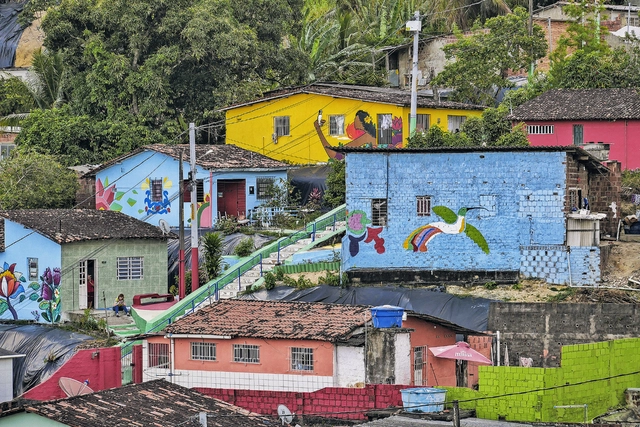
Mais Vida nos Morros is a public policy for citizenship and sustainable development in Recife's communities, conceived by the Executive Secretariat for Urban Innovation of the City of Recife. In partnership with the private sector, the program already serves residents across 49 areas in 27 communities in Recife, directly benefiting 25,000 people. Lagoa Encantada is one of the chapters in this story, shaped by a model of social cooperation.
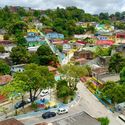
Located in the Ibura neighborhood of Recife, Pernambuco, Lagoa Encantada developed across both flatlands and hillsides. The area's topography directly impacted its urban conditions: while the flatlands enjoyed leisure spaces and infrastructure, the hillside lacked these amenities. This contrast directly influenced how residents interacted with one another and with their territory, serving as the starting point for the intervention process.
With traditional access to information restricted due to social distancing measures implemented worldwide in response to the COVID-19 pandemic, and with many unable to access physical architecture media like magazines, books, and other print publications, Summa+ has decided to release nearly 100 digital issues of its magazine, making its content available for free to readers around the world.
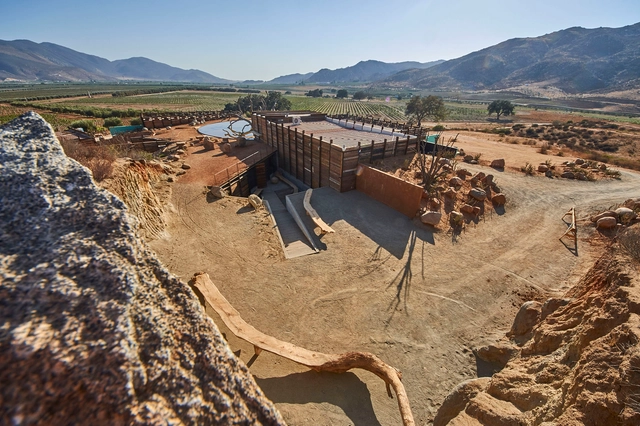
Given its diverse climate and geography, Mexico's wine production has steadily gained recognition in states such as Aguascalientes, Baja California, Baja California Sur, Chihuahua, Coahuila, Durango, Guanajuato, Nuevo León, Puebla, Querétaro, Sonora, and Zacatecas. In these regions, vineyards are increasingly in the spotlight, alongside wine festivals and curated experiences that offer visitors an immersive look into the various stages of production.
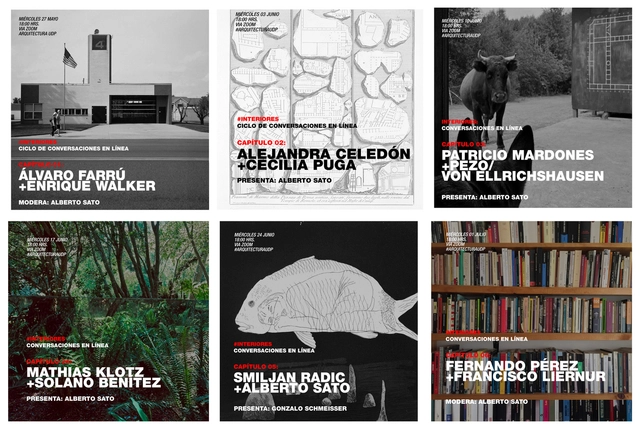
“Interiores: Conversaciones en línea” is the title of the series of virtual encounters organized by the Faculty of Architecture, Art, and Design at Universidad Diego Portales (UDP). In this first season, Professor Alberto Sato hosts meetings between renowned architects, including Álvaro Farrú and Enrique Walker, Alejandra Celedón with Cecilia Puga; Mardones with Pezo von Ellrichshausen; Solano Benítez with Mathias Klotz; Smiljan Radic with Alberto Sato; and Fernando Perez with Francisco Liernur.
Supported by a Graham Foundation grant, the artist explores the possibility and synchronicity of materials and processes across architecture and visual art in a new series of sculptures and drawings inspired by Miguel Fisac's innovative architectural and construction techniques.
Experience it all through the short film by Spirit of Space.







.jpg?1595363051&format=webp&width=640&height=580)










.jpg?1584407631 "Cortesía de Eliú Ruiz Vela")