Población Quebrada Márquez. Image Cortesía de Isis Zúñiga Campos
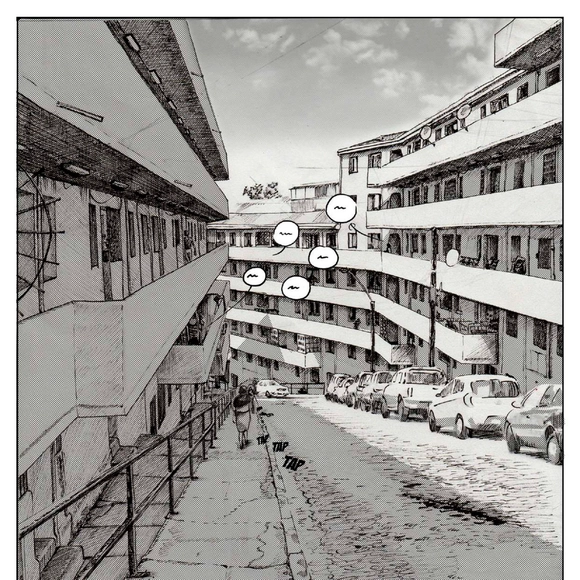
Exploring the relationship between comics and architectural representation, the thesis of Isis Zúñiga Campos invites us on a journey through the “Quebrada Márquez” housing complex, demonstrating how these narratives, built from drawings and images, can convey and represent both ways of inhabiting and the architectural experiences that surround us. Through the use of various graphic tools, drawing characters becomes a fundamental part of understanding how spaces are lived. Indeed, as the author describes, architecture without people is not architecture. While comics still have a long way to go in representing modes of living, in the meantime they reveal the pathways, spaces, and daily uses people create, offering a perspective closer to reality.
Below, the author explains this in detail in her own words.
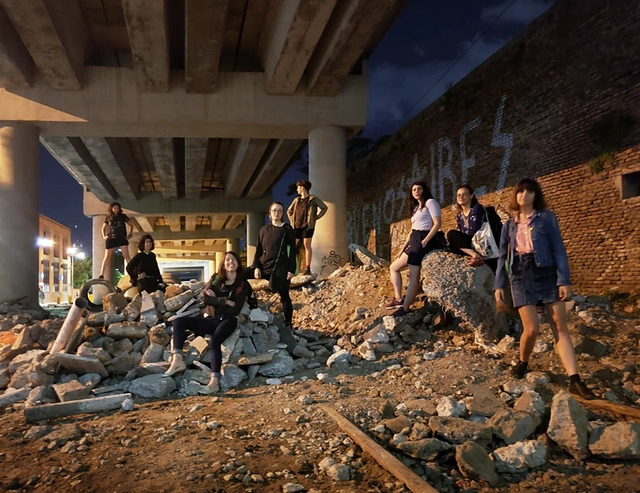
It is well known that since its inception, the field of architecture has been predominantly composed of white, cisgender men, who to this day continue to occupy some of the most prominent positions in both architectural practices and prestigious awards. For this and many other reasons, the struggle to bring visibility to women in architecture has always been present, responding to the specific demands of each era and winning increasingly significant battles. However, inequalities persist, making it a challenging profession for women—and even more so for women of color, Indigenous women, Latinas, and those from disadvantaged economic backgrounds.
In a world that is physically more connected than ever, yet socially unequal and fragmented, what should be the contribution of architects in the pursuit of more egalitarian, developed, and humane cities and communities? According to the authors of this book, the subject of our conversation in this episode, our practice must necessarily embrace its political dimension.
The renowned Fritz Höger Award for Brick Architecture announced the winners of its 2020 edition, which recognizes architectural practices from around the world for their outstanding achievements in brick construction. With nearly 600 projects submitted once again and a strong international response, the competition—now in its fifth edition—is one of Germany's most important architecture awards.
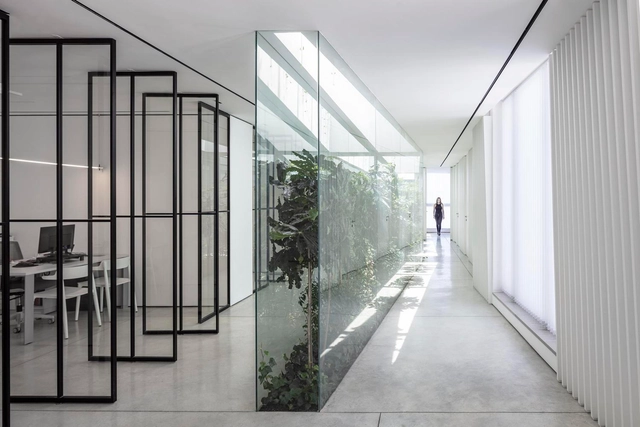
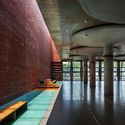
The connection between interior and exterior is almost always cited in architectural projects. After all, bringing glimpses of the outdoor space into a building is one of the most widely used devices when thinking about the well-being of its inhabitants. In addition to contact with the surrounding landscape, an important factor of this strategy is allowing natural light into the space, as it can convey a visual message that transforms spatial perception.
Architect Martín Luis Gutiérrez Martínez was born in Gómez Palacio—a city in the state of Durango, Mexico—in 1927, and he never left behind his Northern roots or any of his lifelong convictions. During the brief and cherished time I shared with him, our conversations were always filled with his exceptional memory, enlivened by an untiring passion for living and feeling architecture.
https://www.archdaily.com/1128314/martin-l-gutierrez-1927-2020-65-years-between-the-practice-and-teaching-of-architecture-in-mexicoJorge Andreas Hernández
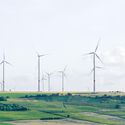
Although the COVID-19 pandemic postponed COP26 to November 2021, UN negotiators were still hard at work throughout 2020. Following a series of virtual events in June of last year, more than 3,000 national delegates concluded the Climate Dialogues, a series of 80 virtual meetings in which countries shared, reviewed, and discussed outstanding issues in international climate negotiations.
From the outset, countries agreed that the dialogues would not include the formal negotiations that typically occur at COPs and would not lead to any official decisions. Instead, they addressed events that countries had previously scheduled for 2020, alongside other informal exchanges. The dialogues served as a platform for countries and non-state actors to take stock of overall climate action progress in 2020, offering an informal space for negotiators to better understand outstanding issues as they prepared to resume negotiations in 2021.
Categoría Viviendas PRO.CRE.AR - Mención: Vivienda en Arturo Seguí. Image Cortesía de Ezequiel Spinelli
The CAPBA Award in Argentina represents an opportunity to showcase the achievements and innovations of architects across their various professional fields. Works located both inside and outside the province of Buenos Aires, completed within the last 10 years, were eligible to enter. Organized by the Association of Architects of the Province of Buenos Aires, the jury for each category evaluated the submissions and awarded first, second, and third prizes, along with several honorable mentions.
As part of a new strategy to offer an alternative vacation dynamic, and after 14 months of operating in Valle de Bravo, State of Mexico, the company Wander has partnered with Mexican architect Michel Rojkind, Amasa Estudio, and TUUX to create a cabin model designed to help guests disconnect and reconnect with nature.
https://www.archdaily.com/1128298/wander-rojkind-arquitectos-amasa-estudio-and-tuux-present-cabin-modules-to-connect-with-natureArchDaily Team
This article by Lucía de Molina Benavides and Elisa Valero Ramos was originally published under the title "La vivienda colaborativa en la era digital como proceso sostenible" [1] in issue 31 of Dearq journal on September 1, 2021 (DOI: https://doi.org/10.18389/dearq31.2021.03).
The article explores how the digital era has revolutionized the lives of millions of people. Today, technological development is visibly affecting the social sustainability of cities through issues such as exclusion, individualism, and gentrification. Conversely, when applied transversally, this technology can foster inclusion, diversity, and a sense of community. This article addresses collaborative housing, understood as a participatory process that extends beyond the design and construction phases into the management and use of spaces, enhancing social sustainability through digital technologies.
https://www.archdaily.com/1128300/collaborative-housing-in-the-digital-age-as-a-sustainable-processLucía de Molina Benavides y Elisa Valero Ramos
This week's featured career opportunities come from two design firms based in Beijing and Shanghai: IN.X Design and SLT- STUDIOLITE. Specialized in projects of varying scales and themes, both practices are highly active across diverse design sectors and are looking to recruit like-minded design talent to join their teams.
Contrary to popular belief, it is impossible to separate law and urban planning. Both disciplines have served as instruments to establish the rampant inequalities we live in—one through the administration of state force, the other through the accumulation of territorial power. Yet both also hold the keys to creating more equitable cities. The only way to build a true right to the city is through interdisciplinary dialogue, particularly now that a reform proposal seeks to recognize this right in the Political Constitution of the United Mexican States. This article aims to open a space for dialogue among those of us working in law, architecture, and urban planning.
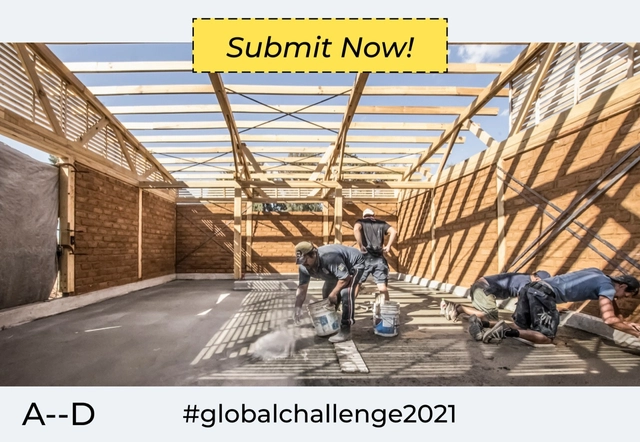
The Global Challenge has launched a call for entries for architectural initiatives with a high social impact. Finalists will have the opportunity to win an award and connect with A - D partners to bring their community projects to life.
The European Award for Architectural Heritage Intervention, organized by the COAC (Architects' Association of Catalonia) and AADIPA (Association of Architects for the Defense and Intervention in Architectural Heritage), has announced the shortlisted works in Category A (Intervention in built heritage) and Category B (Outer Spaces).
The finalists and winners will be announced on June 17 during the 5th International Biennial of Architectural Heritage Intervention.
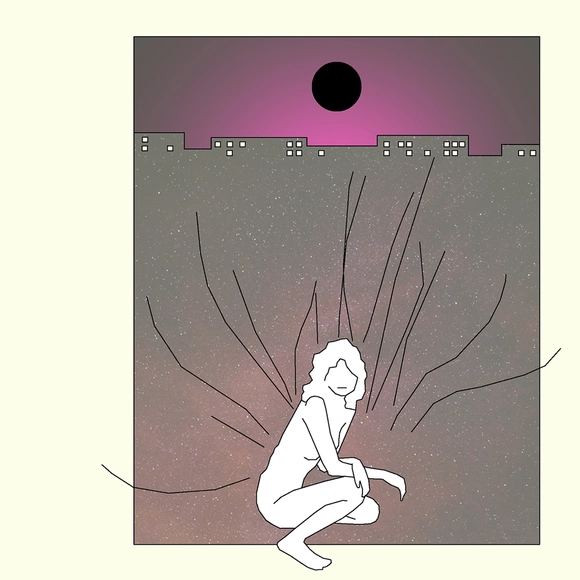
Looking to the future, do you have the option to retire and collect a pension to live peacefully in old age? Is it entirely possible for you to recognize when you are working and when you are not? I pose these as questions, but they are actually statements with a small checkbox next to them to choose from 30 criteria. In the form of a quiz, writer Alejandra Eme Vázquez in her book Su cuerpo dejarán begins to question your situation in the labor market, with the clear intent of pointing out the precarity and invisibility of care and domestic work. Ultimately, sooner or later, all women have to care for someone and care for themselves; this care is the foundation that sustains the system in which we live, sustaining public life.
Videos
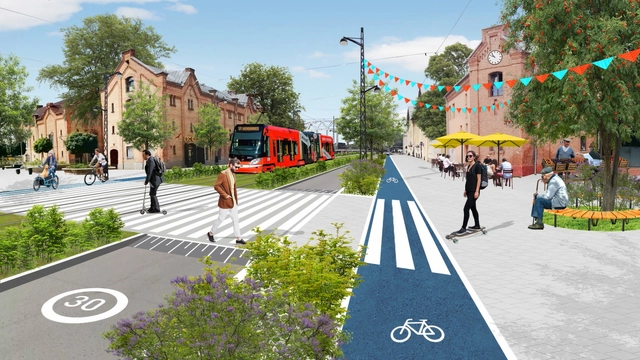
Still from the film "Zaļa iela" by Oto Ozols
Cars remain one of the primary modes of transportation and a major contributor to the climate crisis, as the vast majority consume fossil fuels and generate emissions—particularly carbon dioxide, which intensifies the greenhouse effect and, consequently, global warming. As such, World Car-Free Day is celebrated internationally on September 22 to encourage people to spend a day without their cars and reflect on car dependency. To offer new perspectives on this issue, we highlight the work of Latvian architect Oto Ozols, who envisions cities designed for people rather than cars through videos that demonstrate how public space can be improved from this perspective.
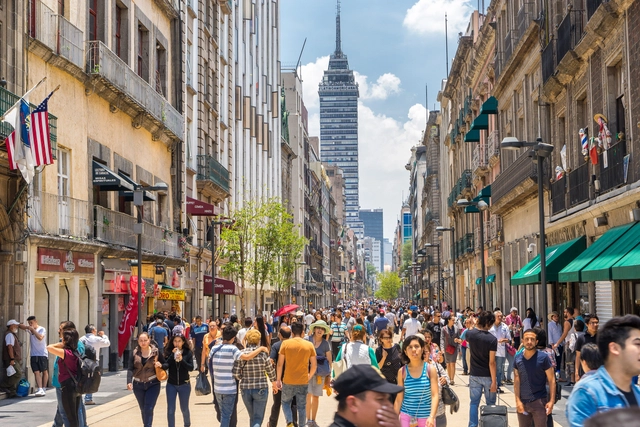
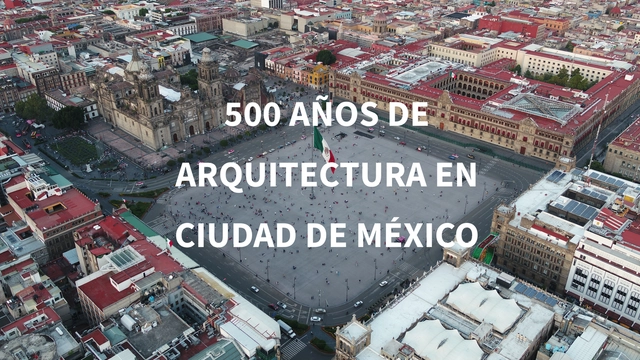
Today, August 13, commemorates two pivotal events in Mexico's history: the approximate founding of Tenochtitlan, capital of the Mexica civilization, around 1325 on an island in Lake Texcoco in the Valley of Mexico; and the fall of this empire in 1521 to the Spanish army led by the conquistador Hernán Cortés.
These are just a few of the many events that shape today's Mexico City, making it nearly impossible to summarize them all. Nonetheless, revisiting some of these milestones helps us understand the very ground we stand on and, above all, reflect on the future of our actions as architecture professionals: from the pre-Hispanic period, colonization, Independence, and the Revolution, to the foreign influences of the Modern Movement and the diverse interpretations that culminate in what we recognize today as contemporary architecture.
Over the years, driven by research that has brought once-neglected and marginalized issues to the fore, the debate surrounding self-construction and migratory processes has become increasingly vital for exploring the social phenomena reflected in the architecture of underserved, commonly termed "irregular" areas. While a clear polarization remains regarding what a living space should or should not be, we must observe what already exists—not only to contribute to the discussion but, above all, to listen and learn.
https://www.archdaily.com/1128287/self-construction-and-migration-on-resilience-and-local-knowledge-through-participatory-practiceArchDaily Team
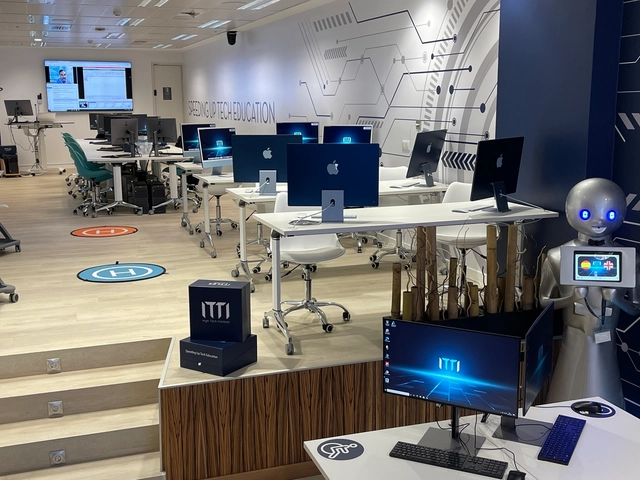
Sede en Madrid | ITTI High Tech Institute . Image Cortesía de Comunicación ITTI
ITTI | High Tech Institute aims to pioneer BIM specialization, providing the knowledge to manage projects through its renowned "Learning By Doing" methodology. Its training programs equip BIM managers with the necessary resources to address complex issues from an innovative and revolutionary perspective.
“What is the essence of ceramic craftsmanship in Pomaire?” asks Kengo Kuma of Rodrigo Veliz, a potter with a long family tradition, with whom he is collaborating on the Clay Route in Chile.
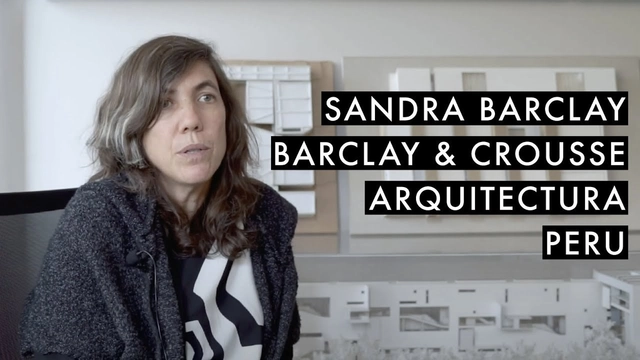
Archivo de Ideas Recibidas is an interdisciplinary research and dissemination project that seeks to document and connect the ideas of individuals who contribute to the contemporary creative ecosystem through art, design, and architecture. It is built on conversations between the team and various creators, delving into themes related to memory, academia, cultural context, their primary influences, and working methodologies.
In this installment, they introduce Sandra Barclay of Barclay & Crousse. Founded in Paris in 1994, the firm has been based in Lima since 2006. Their work is conceived, according to the architects themselves, as a design laboratory that explores the bonds between landscape, climate, and architecture, challenging notions of technology, use, and quality of life that, arising from the specific conditions of developing countries, can inform and remain relevant in a global context.
This article by Carlos David Montoya Valencia and Gloria Aponte García was originally published under the title "La naturaleza, sustrato del paisaje urbano. Propuesta de un Índice de Vínculo de las Ciudades con la Naturaleza" in the 24th issue of the Dearq journal on January 1, 2019 (DOI: https://doi.org/10.18389/dearq24.2019.01).
We present it below as part of a joint collaboration to contribute to the dissemination of research, analysis, and opinions developed by the national and international academic community on architecture, urban issues, and related fields.
https://www.archdaily.com/1128307/the-natural-systems-of-the-city-an-approach-and-analysis-through-landscape-perceptionCarlos David Montoya Valencia y Gloria Aponte García
With 'Heritage and Modernity’ as the central theme, curator José Ángel Medina Murua previously highlighted "Carme's ability to amplify all the values with which she acts, working with her surroundings in a way that benefits and improves all elements."
Ahead of the official opening, we present an interview with Carme Pinós discussing her participation in this year's biennial.
"Domingos Libro" is hosted by Carmelo from Enorme Studio, where every two weeks, he delves deeply into forgotten architectural publications, books, and architectural magazines from the '60s, '70s, and '80s that carry the most interesting stories behind them.
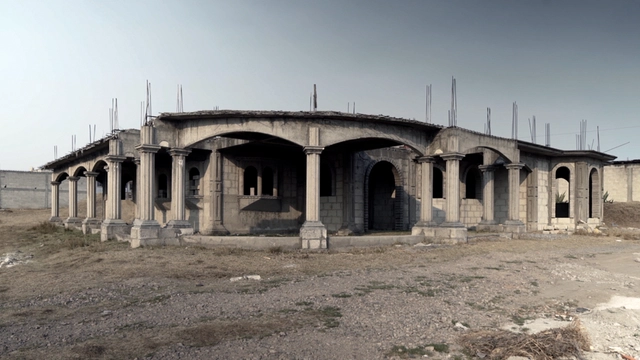
This latest episode focuses on the 1989 double issue 181/182 of the Catalan magazine QUADERNS, specifically examining an unfinished house by Paco Alonso, an architect from the Madrid School who never completed any of his works and was once dubbed "The Builder of Ruins" by a colleague.


.jpg?1615489068 "Participatory architecture that transcends language barriers: Birthing Centers in Los Altos de Chiapas, Mexico. Image © Comunal Taller de Arquitectura")




.jpg?1626363543&format=webp&width=640&height=580)
.jpg?1626363518 "Cristóbal Colón School. Image © Archivo Martín L. Gutiérrez Martínez")
.jpg?1626363496 "Revolución Ice Rink. Image © Archivo Martín L. Gutiérrez Martínez")
.jpg?1626363542 "Cristóbal Colón School. Image © Archivo Martín L. Gutiérrez Martínez")
.jpg?1626363655 "UBAC Rectory. Image © Archivo Martín L. Gutiérrez Martínez")
.jpg?1626363543)



.jpg?1626458685&format=webp&width=640&height=580)
.jpg?1626458761 "© Rojkind Arquitectos")
.jpg?1626458848 "© Rojkind Arquitectos")
.jpg?1626458652 "© Diego Lezama")
.jpg?1626458871 "© Diego Lezama")
.jpg?1626458685)



_page_6.jpg?1627570542 "\"Architecture without architects\". Image © Sandra Calvo")



.jpg?1634904973&format=webp&width=640&height=580)