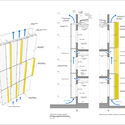
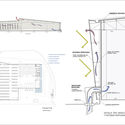
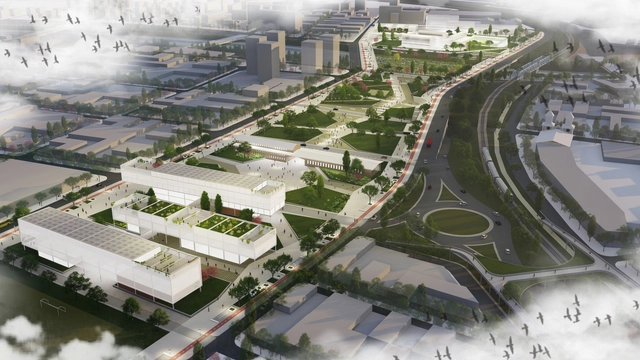
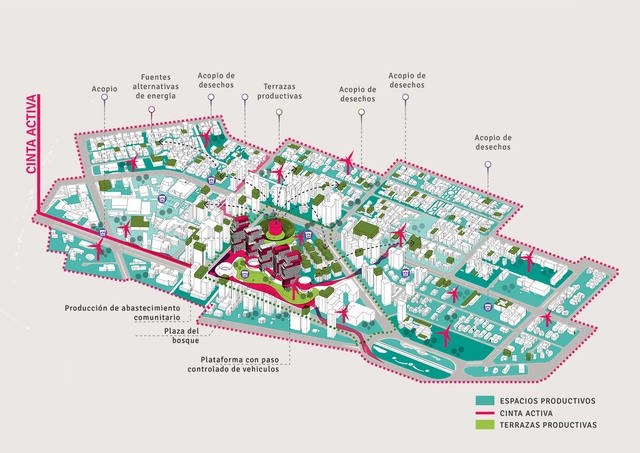
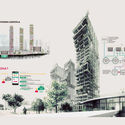
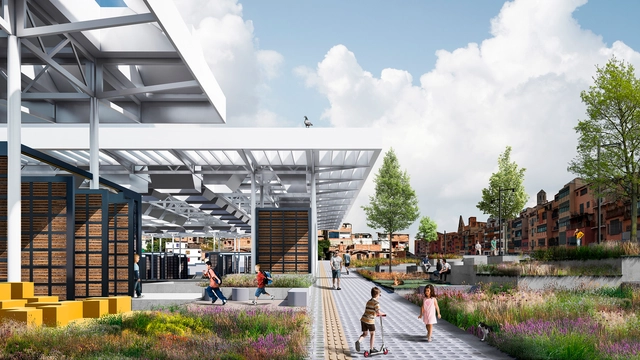
Organized by the Jujuy Association of Architects and sponsored by the Argentine Federation of Architects' Organizations (FADEA), the National Ideas Competition for the Former Penitentiary Site in the city of San Salvador de Jujuy is based on reimagining a new purpose for this walled, self-contained architectural and urban complex. Once located on the city's outskirts, the site now occupies a central position within the urban fabric. The goal is to transform it into an urban element that revitalizes and links degraded sectors.
The jury awarded first prize to architect Edgardo Barone, alongside collaborators Valentín Augusto De la Fuente, Juan María Mandalari, Joaquín Mortatti Perez, and Tomas Smachetti, and traffic engineering consultants Eng. Tomás Daels and Eng. Franco P. Di Biase. Discover the project below.
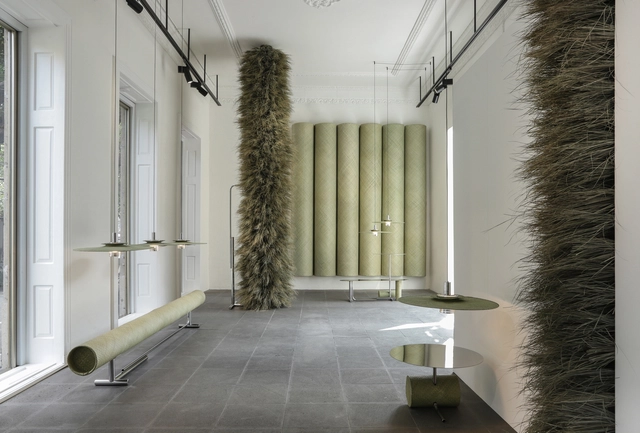
As part of a new initiative accompanying the launch of the 2021 collection, Studio David Pompa has transformed its Mexico City showroom into a space showcasing the "Palma" project—an experimental body of work comprising a series of interior design and lighting pieces centered on the craftsmanship and origins of palm in Mexico.
No País dos Arquitectos is a podcast created by Sara Nunes, who also runs the architectural film production company Building Pictures. The podcast aims to profile the professionals, projects, and stories behind contemporary Portuguese architecture. With just over 10 million inhabitants, Portugal is a highly compelling country in this professional field, with an architectural output that punches far above its demographic or territorial weight.
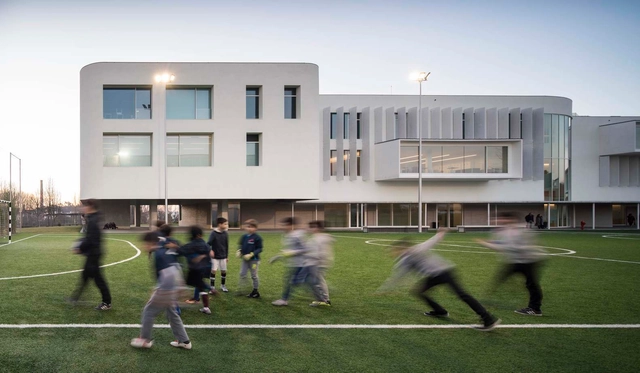
In this week's episode, Sara talks with architect Paula Santos about the Colégio Efanor, Campus II project, located in Senhor da Hora. Listen to the interview and read the transcript of the conversation below:
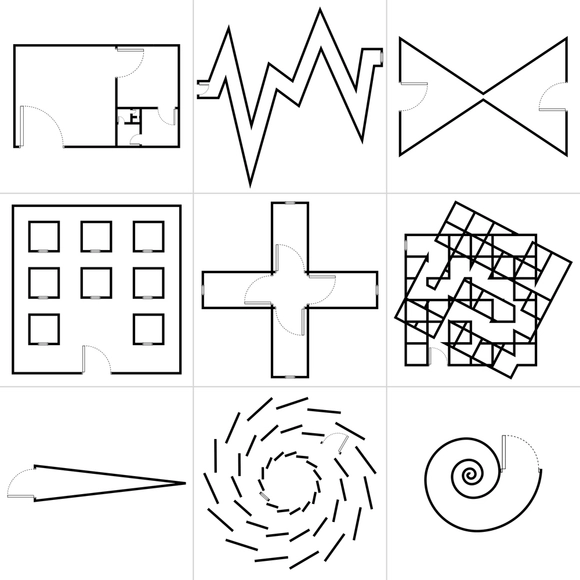
Moradas is a visual-literary project initiated in 2020 by Rafael Baldam, using illustrations based on floor plans and short texts to reflect on domestic space and the act of dwelling. At the beginning of quarantine, the architect and poet began contemplating the domestic sphere, anticipating that it would become a permanent backdrop for the coming months—a reality that indeed materialized and, as of February 2021, still persists.
Inspiration and knowledge to help architects build better cities Inspiration and knowledge to help architects build better cities Founded in 2008, ArchDaily was established with a clear mission: to become an online platform providing design inspiration and knowledge to architects worldwide—transcending geography, race, and gender to exchange methodologies, spark inspiration, explore theory, and showcase practice. In 2020, as COVID-19 impacted the world and transformed the architectural landscape, we updated our mission:
Tools, inspiration, and knowledge to help create better cities Tools, inspiration, and knowledge to help create better cities "Tools" has been added. Over 13 years of dedication, our database has grown to include over 27,000 design firms from around the world. Serving a vast community of designers, we believe we should share more than just designs; we should also share "tools"—such as productivity-boosting workflows, cost-effective building materials, high-quality design competitions, and like-minded design communities. "Architects" has been removed, and "build" has become "create." ArchDaily currently operates websites in 5 languages, 2 WeChat public accounts, and 3 social media platforms, reaching 480,000 daily visits and ranking at the top of Alexa's global architecture and design website list. Our readership extends beyond architects to include designers from other fields and design enthusiasts. Consequently, our content should expand beyond construction to encompass more planning, cross-disciplinary, and diverse design. The goal of "better cities" remains unchanged. ArchDaily receives over 100 project submissions and more than 15 advertising inquiries daily. Guided by our high standards of curating content "for better cities," we consistently deliver high-quality articles, bringing the best content to readers, the most international platform to creators, and the most comprehensive exposure to developers.
2021 marks the fifth anniversary of ArchDaily China. Over the past five years, numerous Chinese architects have reached international audiences and gained global recognition through our platform. Meanwhile, China's diverse market has attracted global designers, fostering cultural exchange as the Chinese architectural design industry matures. To support this growth, we are launching services such as Job Postings and Brand Promotion, aiming to offer a more comprehensive suite of solutions that help architects recruit top talent and secure new projects.
https://www.archdaily.com/1128600/archdaily-recruitment-advertising-and-brand-promotion-services-seeking-fellow-travelers韩爽 - HAN Shuang
We invite you to participate in the 2021 Obra do Ano Award. In its fourth edition, we are giving our readers the responsibility of recognizing and rewarding the projects that have made the greatest impact on the profession. By voting, you become part of an unbiased network of jurors recognizing the most relevant projects built in Portuguese-speaking countries over the past year. There are only a few days left to close the nomination stage, which will select the 15 finalists from more than a thousand projects.
Remember, registered users can nominate their favorite project once a day. The nomination stage ends on Tuesday, March 23 at 11:59 PM (Brasília time, GMT-3). Thank you once again for helping us democratize architecture.
The “Faro Verde” Provincial Ideas Competition, organized by the College of Architects of the Province of Buenos Aires / District 8 (CAPBA) and promoted by BAHMS S.A. (a member of the Faro Verde Group), sought proposals for a new mixed-use building featuring housing, offices, retail, and parking in the city of Tandil, Buenos Aires Province, Argentina.
The jury awarded first prize to architects María Cristina Carasatorre and Luis Federico Risso, alongside collaborating architects Emilio Beilinson, Enrique Nakano, and Ms. María Sol Villaverde, with structural engineering consultation by engineer Alejandro Nico. Explore the project below.
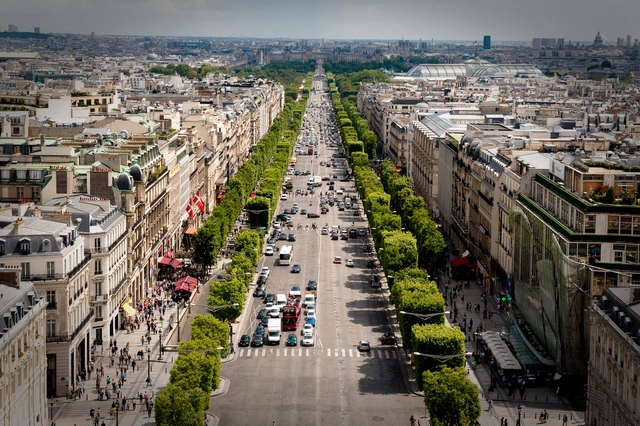
On August 30 of this year, a new speed limit of 30 kilometers per hour came into effect in Paris, France. Making streets safer, quieter, and less polluted are among the measure's goals. While it may seem too slow to many, the initiative has been paved gradually. The 30 km/h limit already applied to about 60% of Paris and now extends to cover almost the entire city. In addition, Paris has been implementing measures to restrict car use on certain streets for several years, while simultaneously expanding pedestrian-only zones.
The architecture studio ON-A has announced the winners of the first edition of the You’re ON! Ideas Competition, an international call open to undergraduate and graduate students in the design field (including architects, urban planners, interior designers, and engineers). The competition sought to encourage innovation and showcase the talent of emerging architects and designers who constantly research, explore, and create ideas for both the present and the future.
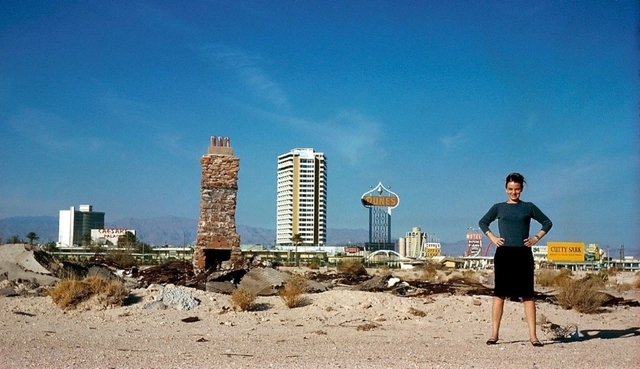
This article by Lina Toro Ocampo was originally published under the title "Mirada distanciada: conceptualización de la experiencia de Denise Scott Brown entre África y Londres, como motor y origen de Learning from Las Vegas*" ("The Distanced Gaze: Conceptualizing Denise Scott Brown’s Experience between Africa and London as the Impetus and Origin of Learning from Las Vegas*") in issue No. 23 of the Dearq journal on January 23, 2018 (DOI: https://doi.org/10.18389/dearq23.2018.01). This article aims to demonstrate the importance of valuing specific autobiographical circumstances within the educational framework of teaching and learning architectural design.
We present it below as part of a joint collaboration to contribute to the dissemination of research, analysis, and opinions developed by the national and international academic community on architecture, urban issues, and related fields.
MUDA-Architects was founded in 2015 in Beijing, China, and Boston, USA, establishing its Chengdu office in 2017. MUDA features an international team of architects composed of creative designers from diverse global backgrounds. The firm brings forward-thinking concepts, extensive experience, high professional standards, and unique creativity to the fields of architecture and design. MUDA’s design portfolio spans public, cultural, and commercial buildings, as well as urban design, landscape architecture, and interior design.
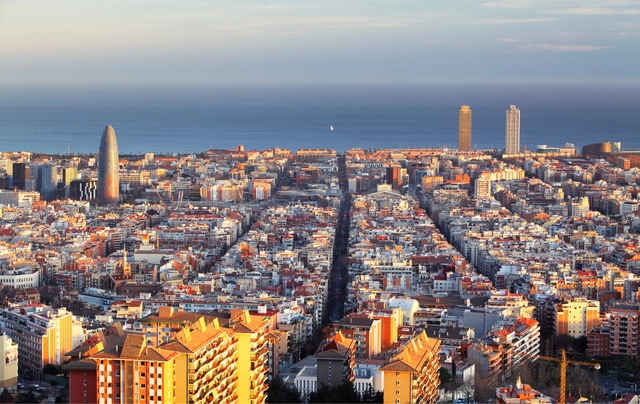
Massimo Paolini shares the following article titled 'Barcelona: Destructions of Use.' It presents the latest projects and debates surrounding the future of the city.
via Gobierno de Ciudad Autónoma de Buenos Aires under License CC BY 2.5 AR
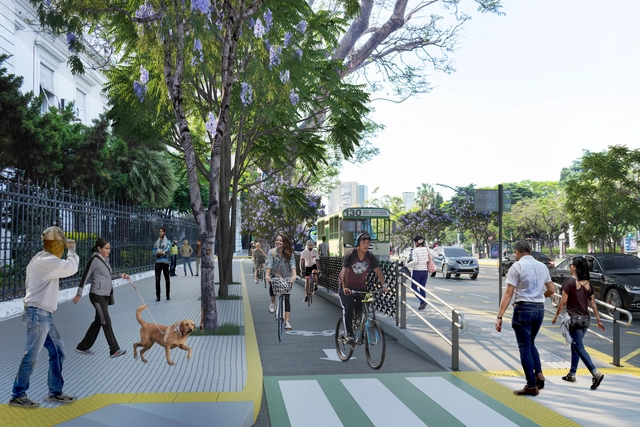
Del Libertador Avenue—which starts in the Retiro neighborhood of the Autonomous City of Buenos Aires and ends 35 kilometers later at the San Fernando Canal, north of Greater Buenos Aires—is set to become a pedestrian, cyclist, driver, and public transit-friendly space. The proposal aims to reclaim pedestrian spaces, incorporate one-way bike lanes on each side of the avenue, install bus boarding platforms, integrate new tree species along the route, and implement new technologies to improve vehicular circulation.
CPTM platform at Luz Station in Downtown São Paulo. Photo: Bruno Escolastico/Photopress/Estadão Conteúdo
More than a year has passed since the pandemic imposed a new routine and atypical safety protocols on the world. A survey by NZN Intelligence, in partnership with the Estadão Summit Mobilidade Urbana, shows that 45.3% of people in Brazil have changed the way they get around since then.
Avoiding crowds led 40.2% of respondents to increase their use of private cars and 31.6% to travel more on foot or by bicycle, reflecting a global trend toward promoting active mobility.
Parque Emergente / El Taller de Arquitectos + Al2 Arquitectos. Image Cortesía de El Taller de Arquitectos + Al2 Arquitectos
The Cundinamarca and Bogotá chapter of the Colombian Society of Architects has announced the winning proposals for the public architectural preliminary design competition for the EDDI - RETO comprehensive development prototype.
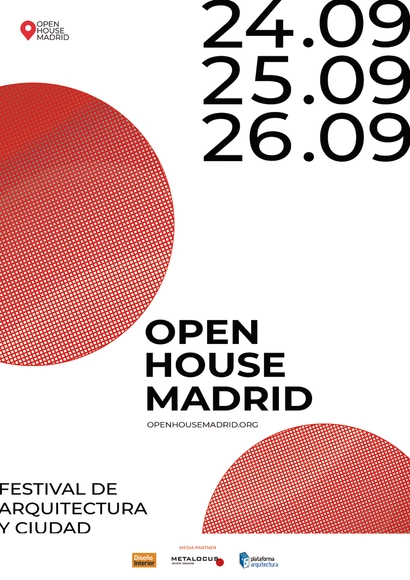
From **September 24 to 26**, the seventh edition of Open House Madrid will take place, an architecture and urbanism festival that promotes architecture by opening the doors of various works of great cultural and heritage value to the public, aiming to bridge the gap between the public, professionals, enthusiasts, and the city.
How important is color in architecture? The choice of color for a facade or a space can have complex effects on people, directly influencing their sensations and perceptions. The possibilities are endless, ranging from bold contrasts to complete achromatism.
The following list is our index of articles, news, and projects covering everything you need to know about the importance of color in buildings—from design strategies and the latest trends to its application in projects and materials.
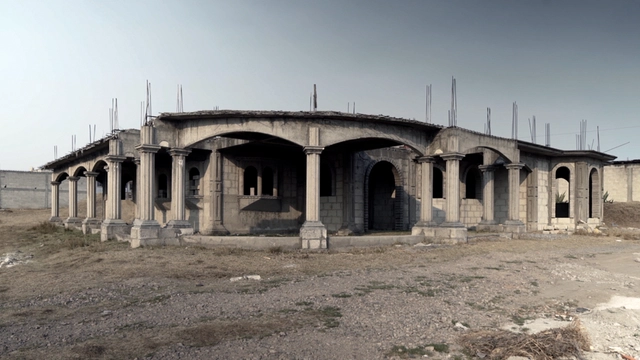
Over the years, driven by research that has brought once-neglected and marginalized issues to the fore, the debate surrounding self-construction and migratory processes has become increasingly vital for exploring the social phenomena reflected in the architecture of underserved, commonly termed "irregular" areas. While a clear polarization remains regarding what a living space should or should not be, we must observe what already exists—not only to contribute to the discussion but, above all, to listen and learn.
https://www.archdaily.com/1128287/self-construction-and-migration-on-resilience-and-local-knowledge-through-participatory-practiceArchDaily Team
Sede en Madrid | ITTI High Tech Institute . Image Cortesía de Comunicación ITTI
ITTI | High Tech Institute aims to pioneer BIM specialization, providing the knowledge to manage projects through its renowned "Learning By Doing" methodology. Its training programs equip BIM managers with the necessary resources to address complex issues from an innovative and revolutionary perspective.
When we speak of passive climate control, we refer to techniques that, with little to no energy consumption, create the appropriate temperature, humidity, and air quality conditions for comfort and habitability, partially or fully replacing active mechanical systems. Typically, these strategies are based on natural environmental parameters—such as air currents, the earth's thermal stability, and solar paths, among others—to regulate heat gain in the summer and heat loss in the winter, achieving optimal thermal comfort.
Primer Premio. Image Cortesía de Ballesteros Arquitectos
The National Public Competition of Ideas for the Redevelopment of the Lacar Lake Waterfront in San Martín de los Andes—organized by the Architects' Association of the Province of Neuquén (CAN), promoted by the Municipality of San Martín de los Andes, and sponsored by the Federal Investment Council (CFI)—aimed to design and plan various urban, landscape, and environmental interventions. These proposals seek to enhance and improve conditions in the area, prioritizing public use through comprehensive actions and a management model that guarantees long-term sustainability.
“What is the essence of ceramic craftsmanship in Pomaire?” asks Kengo Kuma of Rodrigo Veliz, a potter with a long family tradition, with whom he is collaborating on the Clay Route in Chile.
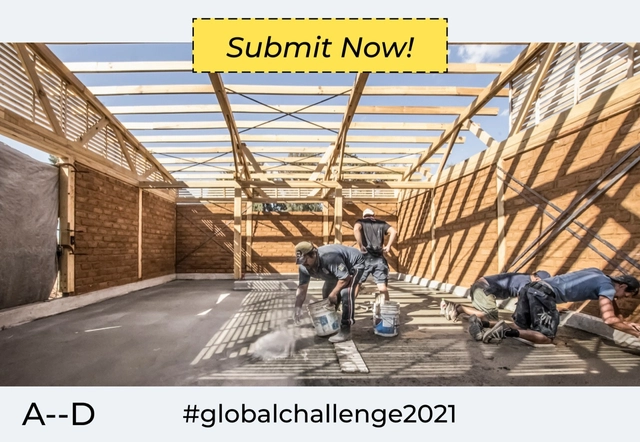
The Global Challenge has launched a call for entries for architectural initiatives with a high social impact. Finalists will have the opportunity to win an award and connect with A - D partners to bring their community projects to life.
The European Award for Architectural Heritage Intervention, organized by the COAC (Architects' Association of Catalonia) and AADIPA (Association of Architects for the Defense and Intervention in Architectural Heritage), has announced the shortlisted works in Category A (Intervention in built heritage) and Category B (Outer Spaces).
The finalists and winners will be announced on June 17 during the 5th International Biennial of Architectural Heritage Intervention.











_page_6.jpg?1627570542 "\"Architecture without architects\". Image © Sandra Calvo")