Proyectar a Conciencia 5.0. Image Cortesía de Sto Chile
Commemorating PAC 3.0 and PAC 4.0, which took place during the quarantine, and launching PAC 5.0, Sto Chile celebrated at "Casa ArchDaily" with competition partners and friends from the private, public, trade, and industrial sectors.
Pablo Jordán, the new president of the Association of Architects' Offices of Chile (AOA). Image via AOA
The Association of Architectural Offices (AOA) has partially renewed its board of directors, electing urban planner Pablo Jordán as its new president for the 2022–2023 term. Meanwhile, architect Marisol Rojas has been selected as vice president.
1 and 3. Via Poema del Ángulo Recto. 2. Courtesy of Perspectivas: Revista Científica de la Universidad de Belgrano
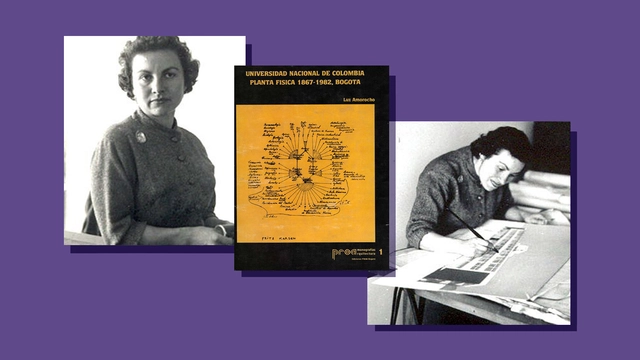
As the first female architect to graduate in Colombia, in 1945, María Luz Amorocho Carreño is a prominent figure in the country's architectural field. Throughout her career, she approached the profession from diverse fronts, ranging from teaching and public and private design to writing and criticism, most notably for the journal *Proa*. Over a career spanning more than 40 years, she steadfastly championed her ideals within a shifting context focused on achieving modernity, setting a precedent for future generations of women architects. An analysis of her work and legacy offers a window into the diverse roles of the architect, spanning from drafting and construction to research and project management.
While online stores have existed since the democratization of the internet in the late 20th century, the pandemic has marked a turning point in the evolution of e-commerce. In response to mobility restrictions and lockdowns, businesses of all scales were forced to embrace digital transformation, saving time and, in some cases, reducing costs. Furthermore, as more consumers discover the convenience of home delivery, online shopping is likely to continue growing even in the post-pandemic era.
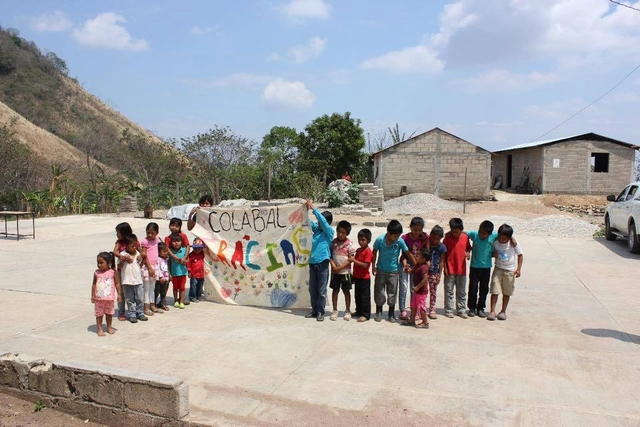
When we speak of social production, we refer to processes where community leaders are adults who represent and make decisions for their community; however, we often overlook children, who also enjoy and live in these spaces. They are the ones with limitless imagination and creativity, who create scenarios on Mars on a basketball court. They are the ones who hold the best car races in the loose sand of their backyards. They are children who, due to various family or economic circumstances, cannot write a letter, but instead express what they feel and want through the lines they draw.
José Antonio Corrales y Ramón Vázquez Molezún . Image Cortesía de Open House Madrid
From September 23 to 25, 2022, the eighth edition of the Open House Madrid Architecture Festival will take place, offering access to more than 100 historic and contemporary buildings that are generally closed to the public. José Antonio Corrales and Ramón Vázquez Molezún will be the featured architects of this new edition of the festival, which aims to bring architecture closer to citizens.
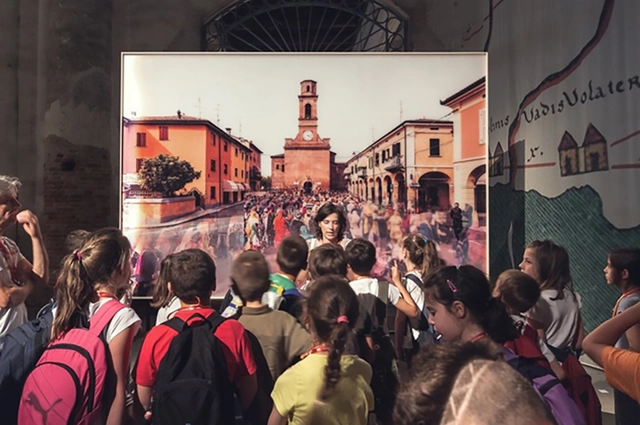
Figure 6. Matilde Cassani, Countryside worship/A celebration Day, 2014 — XIV Venice Biennale. Source: http://www.matildecassani.com/. Image via VAD
Italian law never explicitly denied women access to university. Nevertheless, their minimal presence in the 19th century—only 224 women graduated in Italy between 1867 and 1900—demonstrates how a double discrimination, based on both gender and social class, operated through an inherently elitist and dualistic educational system.
It is well known that the construction industry is one of the largest producers of CO2. Although significant progress has been made in technology and in design and construction processes, there is still a long way to go to minimize or nearly eliminate carbon emissions in the development of the built environment.
Indeed, as revolutionary as the construction industry may seem today, it remains responsible for nearly 40% of global carbon dioxide emissions, 11% of which result from the manufacturing of building materials such as steel, cement, and glass.
What are the latest trends in reducing emissions in both design and material manufacturing? How should the industry transition toward net-zero architecture? These are some of the questions we want you to help us answer.
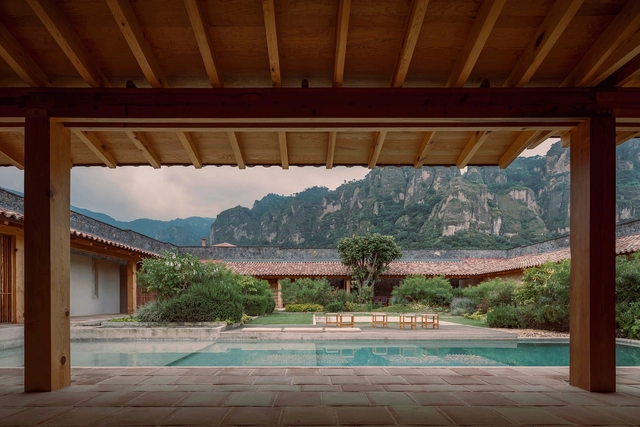
La Hacienda Jardín / Práctica Arquitectura. Image via DNA Paris Design Awards
The DNA Paris Design Awards have announced the winners of the 2022 edition in the categories of architectural design, interior design, landscape design, product design, and graphic design. The results were announced at the end of June, and the awards ceremony will take place in Paris in September 2022.
"I'm an architect... now what?" must be one of the most common questions for any recent graduate holding an architecture degree. Over the years, many will find jobs in different industries that do not necessarily involve working in an office designing and building buildings.
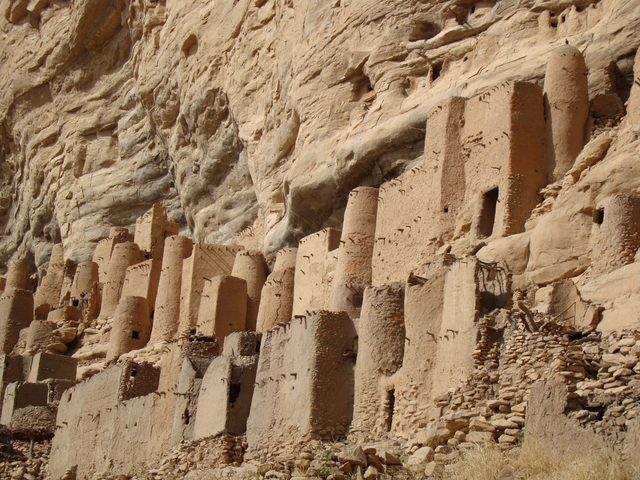
We visited “Dogon Country” in Mali (latitude 15°N) in 2008 to observe how vernacular “Dogon” architecture (a UNESCO World Heritage site) has achieved the counter-form of lived experiences. We were looking for the coherence between society and dwelling through architecture and urbanism in another dimension and another culture.
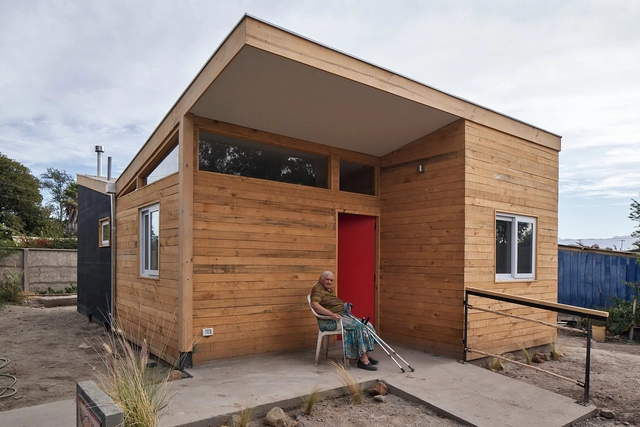
Throughout its history, CHC has participated in and supported social projects that improve the quality of life of their residents, while constantly seeking to establish new and better standards that contribute to the construction of spaces. In this particular case, the project led by architect Jaime Ovando integrates public funds through Chile's Habitabilidad Program and the Illustrious Municipality of Paine, along with private contributions from building material companies, the architecture firm, and the construction company, including CHC.
Thinking about the present and future of older adults is essential to improving the population's quality of life. According to the United Nations study on world population prospects, by 2050, it is estimated that 32% of Chile's population will be over 65 years old. According to data from the 2017 National Socioeconomic Characterization Survey (CASEN), 22.1% of older adults in the country live in multidimensional poverty. The connection between architecture and social commitment develops a strategy to combat vulnerability in this demographic.
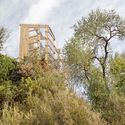
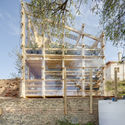
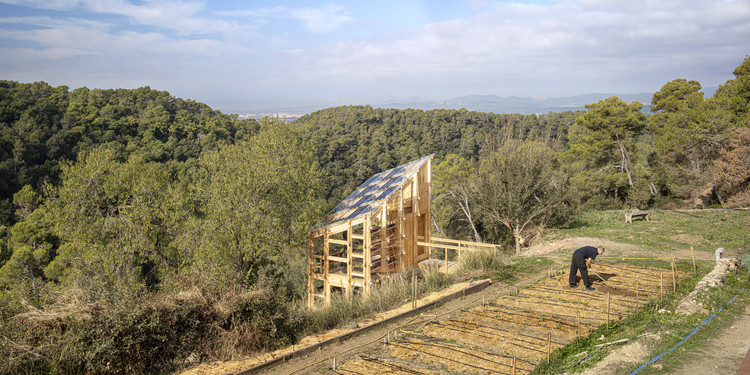
Solar Greenhouse is a greenhouse designed for energy generation and self-sufficient food cultivation. Its creators define it as the next step toward a greener agricultural transformation and an advancement in the fight against food and energy poverty. The project was carried out by a group of students, professionals, and experts from the Master in Advanced Ecological Buildings and Biocities (MAEBB) at the Institute for Advanced Architecture of Catalonia (IAAC) Valldaura Labs, and was built in the Collserola Natural Park on the outskirts of Barcelona.
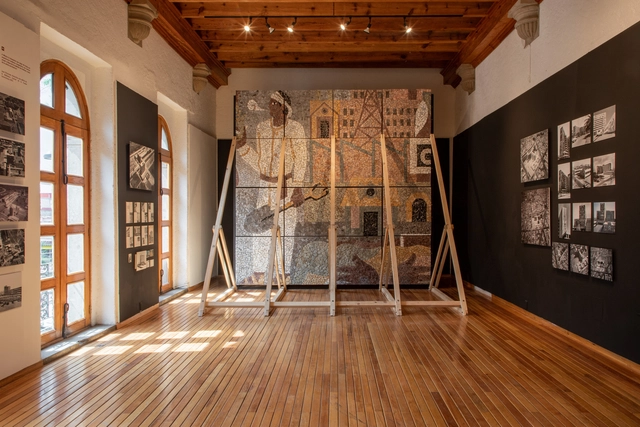
On October 1, architect Rozana Montiel presented the exhibition "Blanco en tres actos" (White in Three Acts) at the Colegio de San Ildefonso in Mexico City. The exhibition invites visitors to experience the design processes of the architect's studio in three moments: "Habitar el vacío" (Inhabiting the Void), "Hojas en blanco" (Blank Pages), and "Un manifiesto" (A Manifesto) within an interior space covered in paper, seeking to reframe the blank page through a shifting of time and textures. On this canvas, fifty projects hand-sketched at various scales form a grid that reveals the mysterious moment when an idea is conceived.
https://www.archdaily.com/1131872/rozana-montiel-presents-the-exhibition-white-in-three-acts-at-the-colegio-de-san-ildefonsoArchDaily Team
The public architectural design competition for the Velodrome in Gibraltar Metropolitan Park in Bogotá, D.C., was organized by the District Institute for Recreation and Sport (IDRD). Located in the Kennedy locality, the competition—with advisory support from the Colombian Society of Architects (SCA)—aimed to select a preliminary architectural proposal for the design, technical studies, architectural and technical coordination, and related design tasks.
The jury comprised architects Leonardo Álvarez Yepes (representing SCA Bogotá D.C. and Cundinamarca), María Elvira Madriñan Saa and Fernando Montenegro Lizarralde (representing the SCA National Presidency), and Nelson Yovany Jiménez and Felipe Alberto Morales Sánchez (representing the District Institute of Recreation and Sport). Out of 17 submissions, three prizes and several honorable mentions were awarded. Read on to learn more about the winning projects.
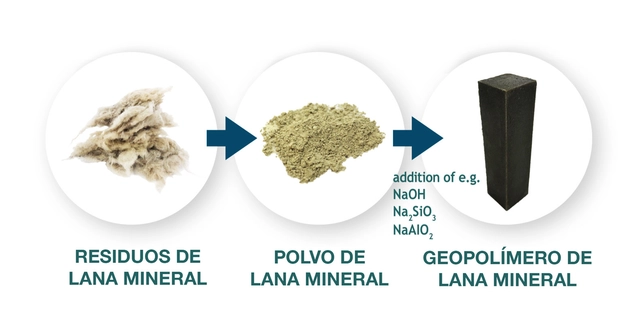
When addressing the recycling process of construction materials, several obstacles stand in the way of achieving a comprehensive and effective outcome. First, careless demolition can make the process highly complex, as materials destined for different recycling streams are often mixed together. Furthermore, not all materials can be recycled or processed efficiently, as many still require costly or overly complex processes. However, the construction industry—a major contributor to waste production and greenhouse gas emissions—has also developed multiple new technologies to improve its practices. This is where the WOOL2LOOP project comes in, aiming to resolve one of the greatest challenges in applying a circular approach to construction and demolition waste.
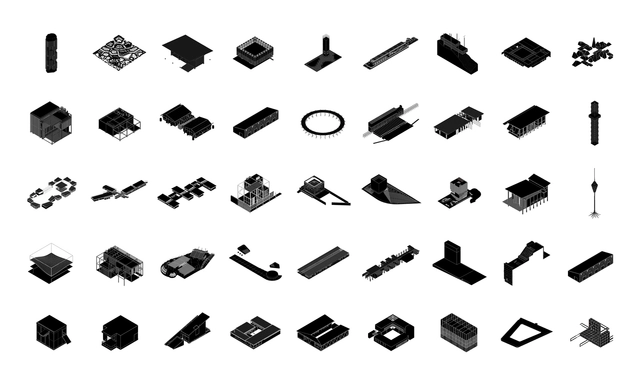
El colectivito - Cincuenta concursos. Image Cortesía de El colectivito
El colectivito came into being about five years ago. Lacking both a name and a defined shape, it brought together, in an almost casual way, a group of students interested in critically reflecting on architecture and territory. Its name ironically references the historical moment of its birth: it views itself as just one of countless architectural collectives, adopting a diminutive suffix to reflect its awareness of its own budding development. Today, it serves as a meeting space where architects and architecture students from the province of Misiones, Argentina, share and discuss interests and concerns regarding the architectural culture of the unique region they inhabit.
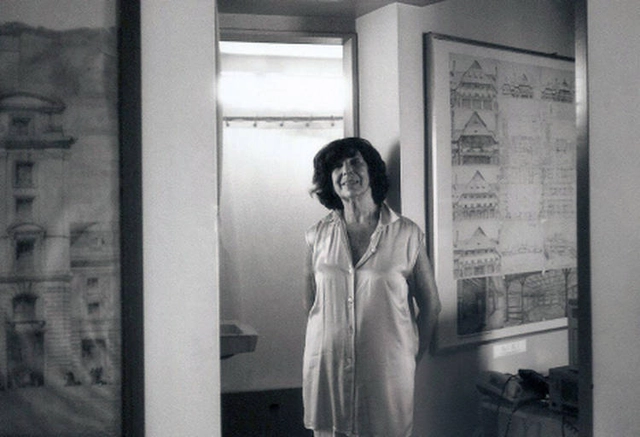
Martha Levisman in her studio, 1990. Image via Un Día | Una Arquitecta
Architect and archivist. She designed the three buildings for the Antorchas Foundation in Buenos Aires. She carried out the assessment, adaptive reuse proposal, budget, and equipment study for the completion and commissioning of the National Library in Buenos Aires. She also served as Director of the ARCA Center (Civil Association for the Archive of Contemporary Argentine Architecture) between 1998 and 2002.
On this day 117 years ago, Juan O'Gorman—the first Mexican functionalist architect—was born, whose work marked a turning point in the architectural production of his era. He trained at what was then the National School of Architecture, where he completed and integrated his studies in architecture and engineering. Considered the father of modern architecture in Mexico, O'Gorman trained in the style of Le Corbusier and the stripped purism of Villagrán, eventually evolving toward the "New Mexican Baroque" movement. His works were characterized primarily by the use of reinforced concrete, asymmetric exteriors, and a constant search for air and light.
European Prize for Urban Public Space - 2018 Edition Winners. Image via Centre de Cultura Contemporània de Barcelona
The CCCB is launching the call for entries for the European Prize for Urban Public Space, a biennial competition organized to recognize and promote projects that create, restore, and improve public spaces in European cities. This honorary award—with registration open from April 20 to May 17, 2022—will recognize works completed between 2018 and 2021. Teresa Galí-Izard, an agricultural engineer, landscape architect, and professor at ETH Zurich, will chair the prize's international jury. The rules and all information regarding participation are available on the website.
The fifth edition of the Open House Santiago 2022 (OH!Stgo) festival features more than 70 free tours guided by photographers, architects, community leaders, historians, and residents. From January 14 to 23, 2022, the event aims to span 23 municipalities across the Metropolitan Region, with the goal of fostering the connection between the city, learning, and care.
To honor the life and work of architect Armando Franco—who passed away last June at the age of 100—Clásicos Mexicanos presents the book Armando Franco COLECCIÓN COFRAN (1955-2022). This publication, the result of extensive research by the Clásicos Mexicanos team, brings together biographical data, plans, sketches, designs, and photographs of the most iconic works from the career of Franco, one of the most original and enigmatic Mexican modern architects of the 20th century.
https://www.archdaily.com/1131938/clasicos-mexicanos-presents-the-book-armando-franco-cofran-collection-1955-2022ArchDaily Team
This July 11 marks World Population Day, an annual event established by the United Nations Development Programme (UNDP) in 1990 to raise awareness of global demographic issues. This is a critical issue today; not only is the global population projected to reach nearly 10 billion by 2050, but the latest UN-Habitat reports estimate that, by then, two-thirds of the world will live in cities.
Every year, World Population Review assesses urban growth and the number of residents living in metropolitan areas to understand global development trends. While the list of the 20 most populous cities in the world features recurring Asian hubs like Tokyo, Delhi, and Shanghai, it also includes several Latin American metropolises such as Sao Paulo, Mexico City, and Buenos Aires. Consequently, we have compiled a list of the ten most populous cities in Latin America to understand their growth and role in the global context.
Cortesía de Estudio BNAA - Bravo Nieto Arquitectos Asociados
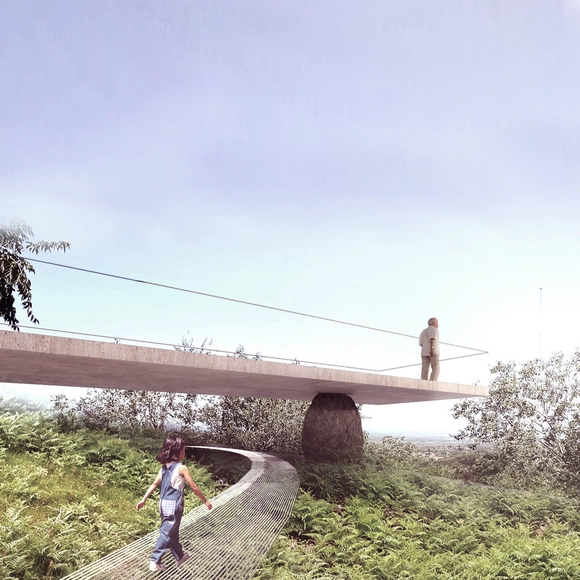
The National Ideas Competition for the Todos Hermanos (Fratelli Tutti) Themed Promenade was organized by the Merlo chapter of the Association of Architects of the Province of San Luis. The objective was to create an open public space for reflection on peace and fraternity, addressing themes such as overcoming social, cultural, religious, and environmental conflicts. At the same time, the space will support recreational, cultural, and leisure activities, landscape contemplation, and other programs that engage the public.
.jpg?1653591774&format=webp&width=640&height=580)










 .
.

__2017_01.jpg?1644495131&format=webp&width=640&height=580)
__2017_06.jpg?1644495162 "European Prize for Urban Public Space - 2018 Edition Winners. Image via Centre de Cultura Contemporània de Barcelona")
__2017_05.jpg?1644495156 "European Prize for Urban Public Space - 2018 Edition Winners. Image via Centre de Cultura Contemporània de Barcelona")
__2017_02.jpg?1644495138 "European Prize for Urban Public Space - 2018 Edition Winners. Image via Centre de Cultura Contemporània de Barcelona")
__2017_07.jpg?1644495169 "European Prize for Urban Public Space - 2018 Edition Winners. Image via Centre de Cultura Contemporània de Barcelona")
__2017_01.jpg?1644495131)
Aryeh_Kornfeld.jpg?1642136897)