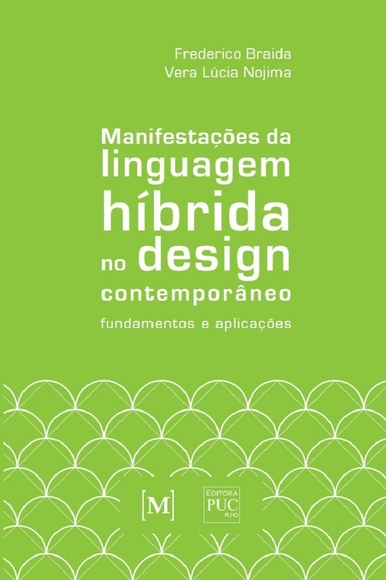
We are pleased to invite you to the launch of the book “Manifestações da linguagem híbrida no design contemporâneo: fundamentos e aplicações” (Manifestations of hybrid language in contemporary design: foundations and applications)!!!
We are pleased to invite you to the launch of the book “Manifestações da linguagem híbrida no design contemporâneo: fundamentos e aplicações” (Manifestations of hybrid language in contemporary design: foundations and applications)!!!
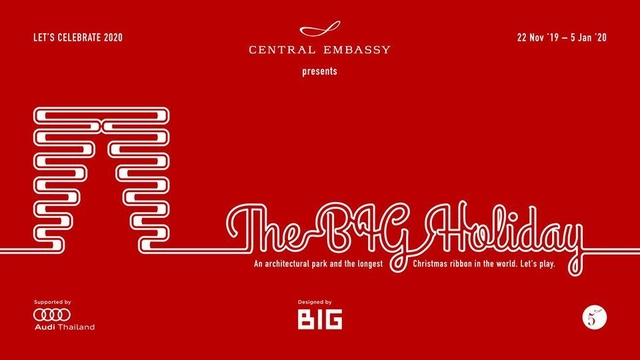
CENTRAL EMBASSY RINGS IN THE FESTIVE SEASON WITH ‘THE BIG HOLIDAY’,
AN ICONIC ARCHITECTURAL PARK BY BIG-BJARKE INGELS GROUP

The Exhibition rests on new, visual and textual information unearthed and brought together with already materialized historic information. The archival work rests on 17-year research, which has been used in re-modelling the Ankara of 1933, on its 10th anniversary of being proclaimed the Capital of the new Turkish Republic. The old town was of 30,000 population during the War of Independence; however, it lived influx of populations all over Anatolia as well as from İstanbul after the war. The Administration and the Municipality were forced to commission new expansion plans for the growing city, the first of which already got obsolete in 1924 (Loercher), the second was used in 1925 (Loercher), and yet a new plan was ordered through an competition in 1927 (Jansen).
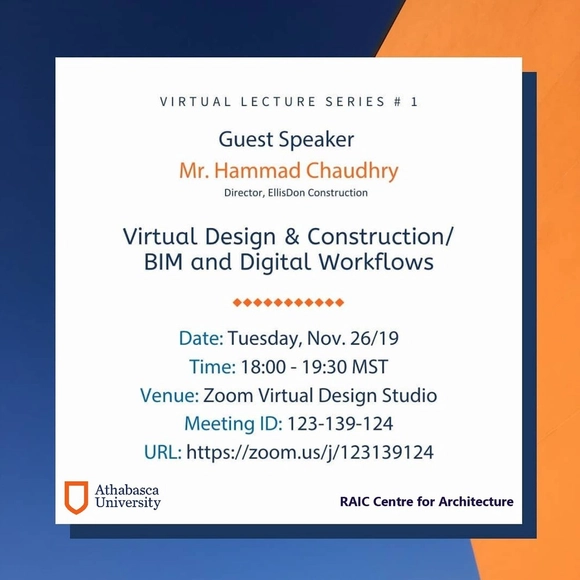
Athabasca University RAIC Centre for Architecture is hosting a free online lecture series.

The Créateurs Design Awards will be presenting the Andrée Putman Lifetime Achievement award to French designer Pierre-Yves Rochon at an exclusive black-tie award ceremony at the iconic Hotel Ritz Paris on January 15, 2020. Rochon has built his career designing some of the most iconic hotels in the world, including the Four Seasons Hotel George V and Waldorf Astoria Beverly Hills. He has also created restaurant environments for some of the world’s leading culinary talents including Alain Ducasse, Paul Bocuse and Gérard Boyer.

Paulo Mendes da Rocha, the most prestigious Brazilian architect currently in practice, will deliver a lecture as part of the program for the 12th edition of the São Paulo International Architecture Biennial.
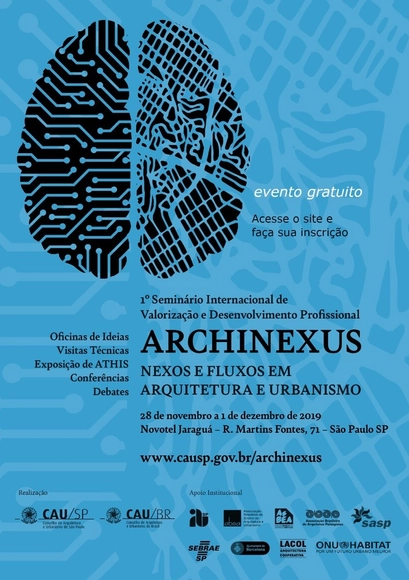
The "ARCHINEXUS" International Seminar – Nexuses and Flows in Architecture and Urbanism, hosted by CAU/SP and CAU/BR, will take place in São Paulo from November 28 to December 1, 2019, at the Hotel Novotel São Paulo Jaraguá.
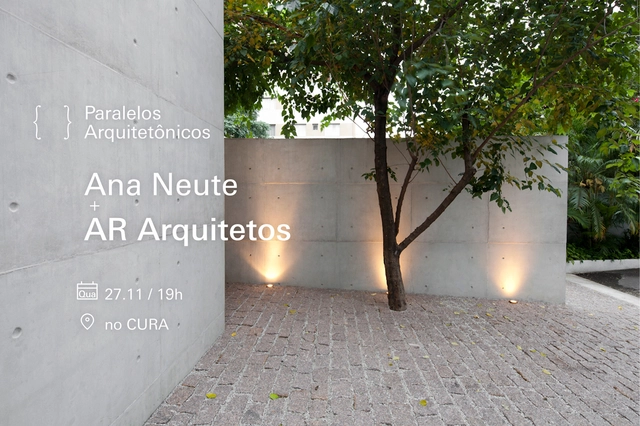
A series of meetings opens a conversation on "Time" between architect and designer Ana Neute and partners Marina Acayaba and Juan Pablo Rosenberg of AR Arquitetos at the {CURA} headquarters this November.

1st Meeting on Neuroarchitecture to be held in Lisbon
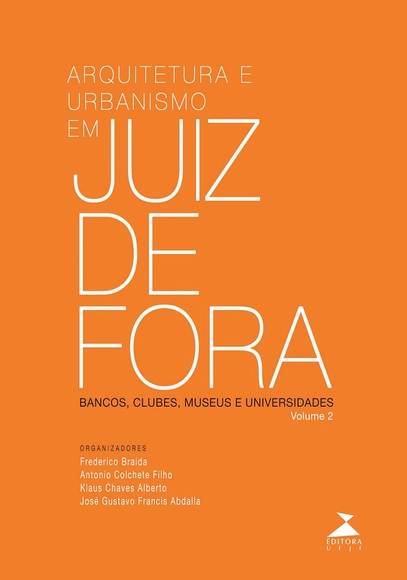
We are pleased to announce the launch of the second volume of the book "Arquitetura e Urbanismo em Juiz de Fora".

The opening takes place on November 25, featuring a panel discussion at the Galeria da Cidade.

The CEPT Winter Exhibition 2019 is here. This is where we celebrate the collective work of our students and their tutors produced over the last Monsoon Semester in the form of drawings, models and portfolios, by bringing together, students, teachers, professionals, aspirants and potential employers on one platform. The Winter Exhibition is our way to critically analyse the benchmarks we have set for ourselves. We cordially invite you to the CEPT Winter Exhibition’s inauguration on Nov 22 at 6 pm at CEPT Campus, to be followed by a Music Performance.
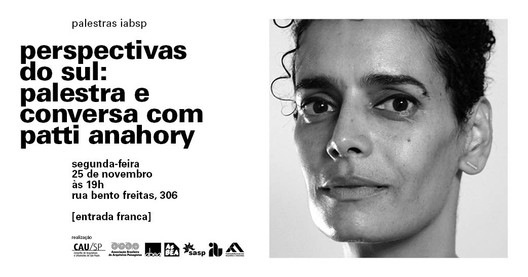
PERSPECTIVES FROM THE SOUTH: PLACES AND IDENTITIES IN CONTEMPORARY ARCHITECTURE AND URBANISM
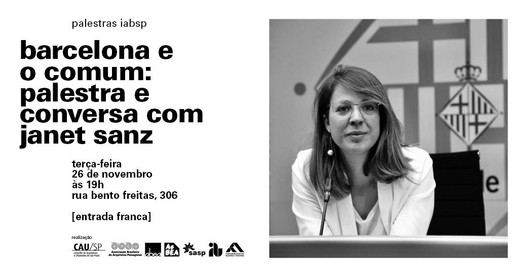
Architecture Dialogues by the Collegiate of State Entities of Architects and Urban Planners of CAU-SP

On November 26, from 6:00 PM to 8:00 PM, the fourth and final meeting of the Portas Abertas (Open Doors) program, hosted by Escola da Cidade, will take place. The program is intended for prospective students interested in enrolling in an Architecture and Urbanism course.
