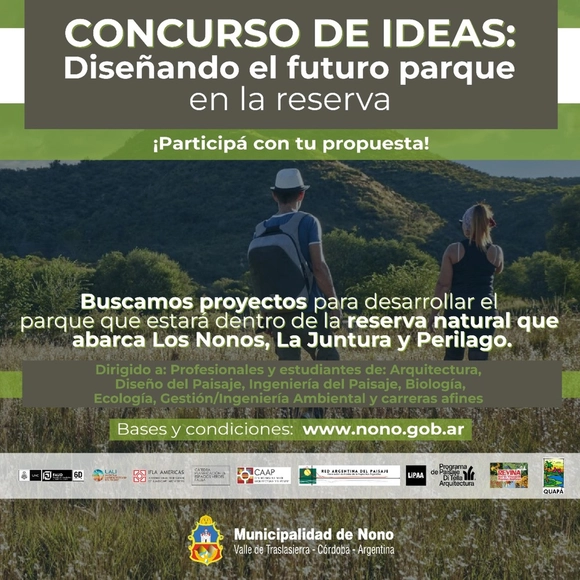
The Municipality of Nono, with the support of educational institutions and civil society organizations backing the initiative, is seeking innovative projects to develop a park within the nature reserve encompassing the Los Nonos, La Juntura, and Perilago areas.
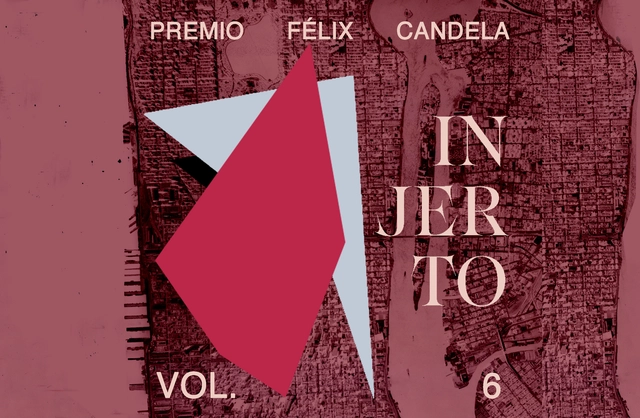
The Félix Candela Award is an international architecture ideas competition conducted in Spanish that takes place in two phases. Organized annually by the Instituto Español de Arquitectura (IESARQ), it is open to students of architecture, landscape architecture, urban planning, and design, as well as architects, landscape architects, urban planners, and designers up to 35 years of age, participating individually or in teams of two to three members.
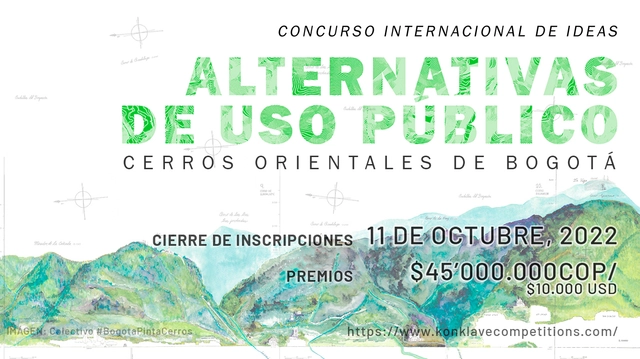
With the goal of reflecting on the relationship between the natural wealth of Bogotá's Eastern Hills and the city's dynamics, the call for entries for the International Ideas Competition: Public Use Alternatives is now open.
Inspired by the legacy of Conrado Silva, these regulations establish the framework for the 3rd Conrado Silva Student Acoustics Competition (CACS), held during the 30th Meeting of the Brazilian Society of Acoustics (SOBRAC), which will take place from November 19 to 22, 2023, in Natal, Brazil.
Labi is proud to announce the launch of our second ideas competition for the Bixiga Park and Zé Celso Theater School, located in the Bixiga neighborhood of São Paulo.
The Félix Candela Award is a two-stage international architecture ideas competition held in Spanish. Organized annually by the Spanish Institute of Architecture (IESARQ), it is open to all students of architecture, landscape architecture, urban planning, and design, as well as architects, landscape architects, urban planners, and young designers, participating individually or in teams of two or three members.
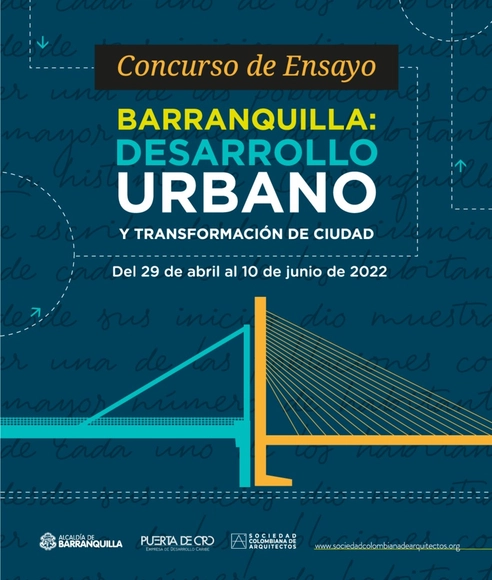
The goal of this competition is to foster research and the development of academic content in the form of essays. These submissions should provide a historical account and analyze the urban and architectural evolution of the city from its founding to the present day, framed within the various categories established for this competition.
The Félix Candela Award is an international, two-phase architecture ideas competition conducted in Spanish. It is organized annually by the Spanish Institute of Architecture (IESARQ) and is open to students of architecture, landscape architecture, urbanism, and design, as well as young architects, landscape architects, urbanists, and designers, participating either individually or in teams of two to three members.
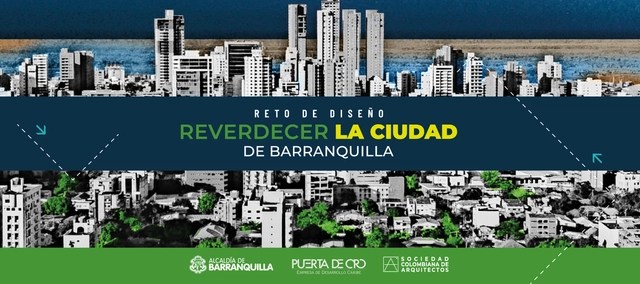
Puerta de Oro: Empresa de Desarrollo Caribe and the Colombian Society of Architects invite you to participate in the effort to green the city through the "Design Challenge: Greening the City of Barranquilla" competition.
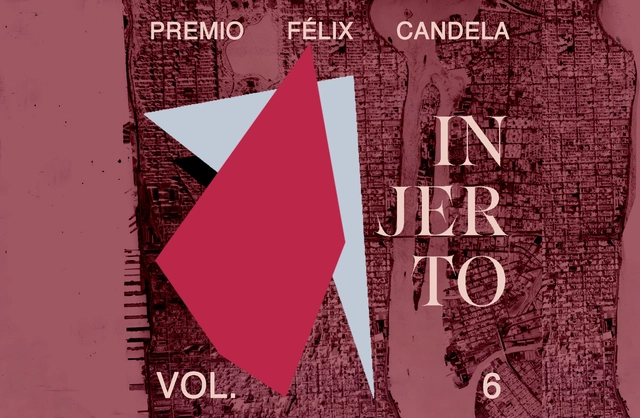
The sixth edition of the Félix Candela Award is a dream of the city. After several editions spent traversing the countryside in search of truth, this edition focuses on the quintessential social construct of architecture: the city. The city is the built form of human relationships and, as such, represents us as a society. The question is whether our current city is also our will. Between the Captive and the Warrior, we choose to be both, in that oscillation that Spanish architect Francisco Javier Sáenz de Oíza spoke of—from the city to the countryside, and now from the countryside back to the city. We return from the field with at least the tools of the woodsman, the hunter, the farmer, the gardener, or the shepherd, ready to insert what we have learned into the robust trunk of our cities.
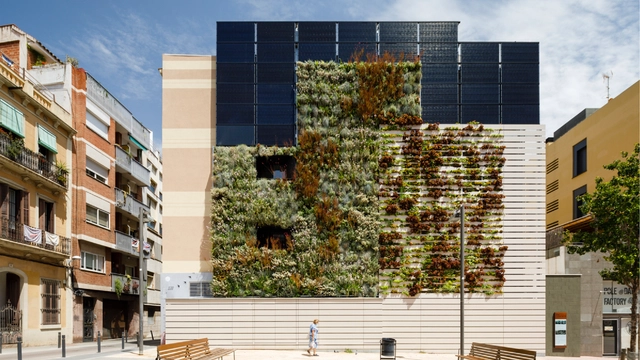
An example of a partition wall already transformed with openings in the facade and vegetation. Photo: Marcela Grassi
Taking a step toward improving the quality of public space, the city of Barcelona, which will serve as the World Capital of Architecture in 2026, has launched a new International Ideas Competition for Young Architects. The initiative aims to transform 10 permanent blind walls—one in each district—into new facades. Organized by the Barcelona City Council and the Fundació Mies van der Rohe, in partnership with UNESCO and the International Union of Architects (UIA), the competition seeks architectural proposals that provide meaning to walls that are currently anonymous and unremarkable, exposed in public spaces in a state of permanent temporariness.
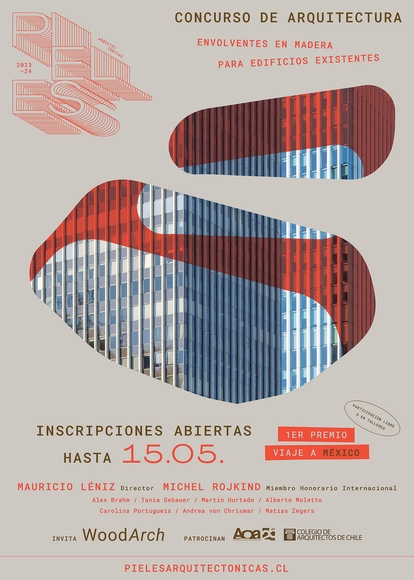
'Pieles Arquitectónicas, envolventes en madera para edificios existentes' (Architectural Skins: Timber Envelopes for Existing Buildings) is a competition that seeks to explore and research timber architecture as a means of intervening in and recovering existing urban infrastructure within the dense and programmatically diverse context of the city.
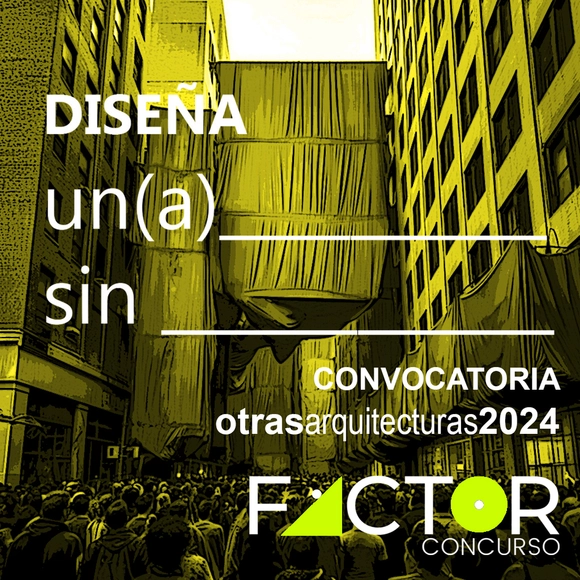
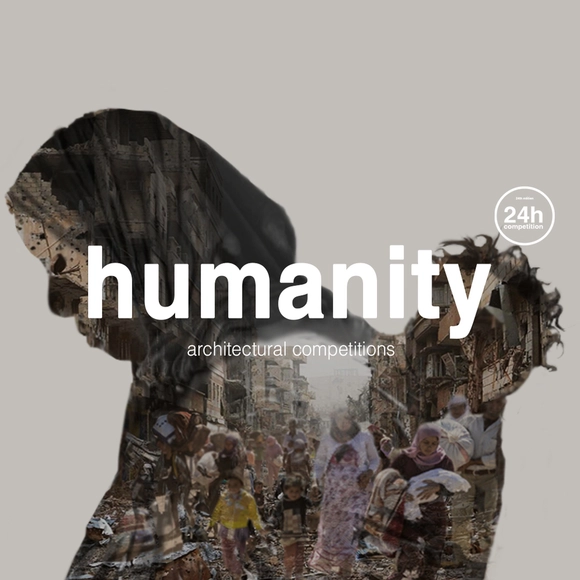
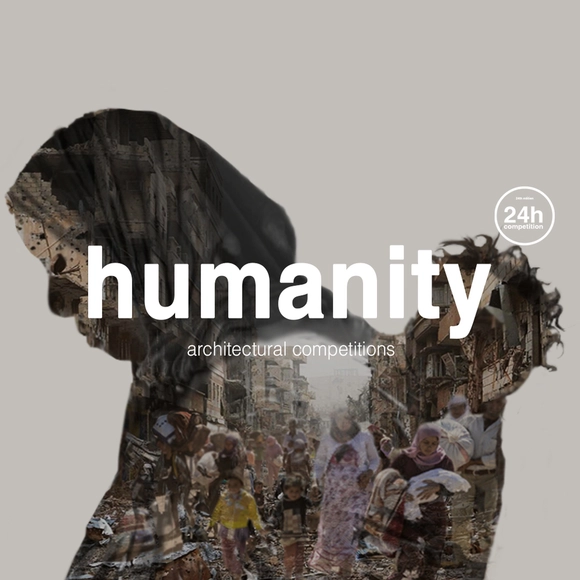
The Anthropocene, artificial intelligence, climate change, migration crises... The world as we knew it is being reformulated through algorithms that group, optimize, and rethink our daily lives, from the public sphere to the domestic realm. Windowless houses for maximum privacy in insecure contexts; temples without cults housing skateparks or trendy nightclubs; parks without children featuring areas for pets of all sizes; or architectures without architects visualized from text interpreted by Big Data with unexpected results—these are just a few examples of our new environments, where the priority seems to be the act of reducing to reimagine.
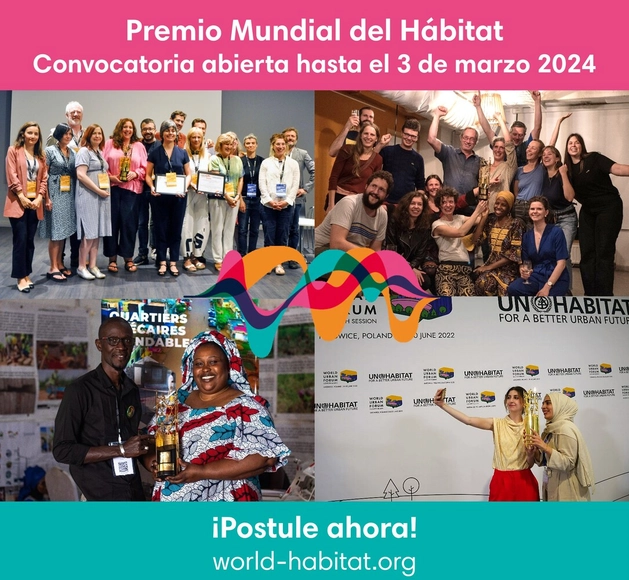
This annual competition, organized since 1986 by World Habitat in partnership with UN-Habitat, recognizes responses to global challenges in the field of housing and habitat.
Ideasforward aims to provide young creatives worldwide with an opportunity to express their views on the future of society through innovative and visionary proposals. It is a platform that seeks progressive ideas that reflect on emerging themes.
Ideasforward is an experimental platform that seeks progressive ideas reflecting emerging themes. Ecological design, sustainable architecture, new materials, concepts, and technologies are pressing issues in the societies of the future, and the participation of the entire community is essential. In an era of globalization, where communication is dominated by the technological revolution, there is a need to rethink cities and how humanity relates to a global world, as well as to rethink the economic, social, and cultural patterns of contemporary societies.
In the early hours of May 1, 2018, a fire broke out at the Wilton Paes de Almeida building, located in Largo do Paissandú in downtown São Paulo. Less than two hours after the fire began, the building collapsed.
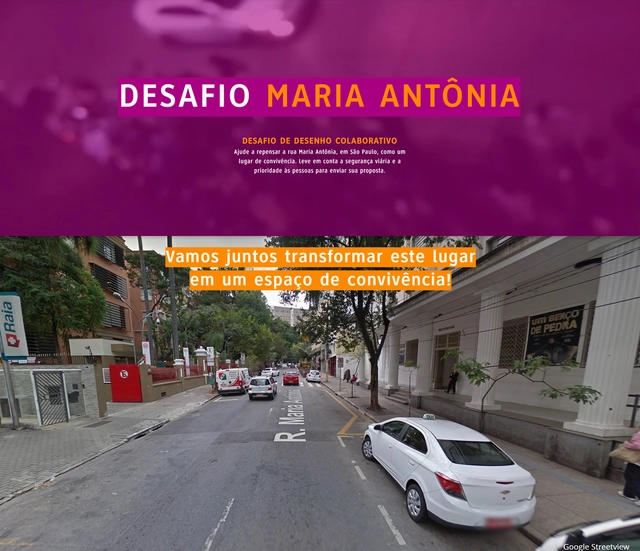
Participate in the challenge and help improve Rua Maria Antônia in São Paulo
Urb-i (www.urb-i.com) is launching the fifth edition of its collaborative design challenge, this time in partnership with the Maria da Gente movement. The chosen site is Rua Maria Antônia, in downtown São Paulo, directly in front of Mackenzie.
Ideasforward is an experimental platform that seeks progressive ideas reflecting emerging themes. Ecological design, sustainable architecture, new materials, concepts, and technologies are pressing issues for the societies of the future, and the participation of the entire community is essential. In an era of globalization, where communication has been dominated by the technological revolution, there is a need to rethink cities and how people relate to one another in a global world, as well as to rethink the economic, social, and cultural patterns of contemporary societies.
The housing deficit in Peru currently stands at 1.8 million, with 20.9% being quantitative and 79.1% qualitative. 70% of homes are built without the technical assistance of an architect or engineer. Do you want to be part of the change? The right to housing is the right to a dignified home: this is the shared goal of DNADD and Techo Perú—to redesign a new modular housing model capable of providing Lima's populations with basic necessities and a space worthy of being called a "home."
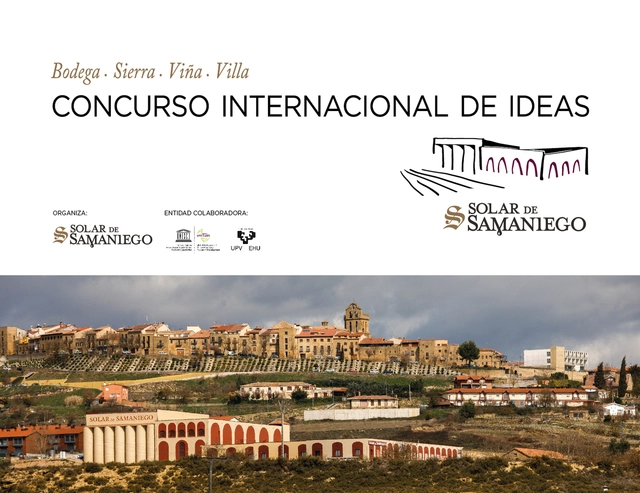
Bodegas Solar de Samaniego has launched the international ideas competition "Solar de Samaniego, Integrated Landscape," which aims to integrate the winery into the natural and cultural landscape of Rioja Alavesa and continue the work of preserving its historical legacy and winemaking heritage. Launched with the advice and collaboration of the UNESCO Chair on Cultural Landscapes and Heritage at the UPV, the initiative will involve an intervention on the facade and exterior of its facilities, which date back to the 1970s and are located at the foot of the medieval town of Laguardia.
Ideasforward is an experimental platform that seeks progressive ideas reflecting emerging themes. Ecological design, sustainable architecture, new materials, concepts, and technologies are pressing issues for the societies of the future, and the participation of the entire community is essential. In an era of globalization, where communication has been dominated by the technological revolution, there is a need to rethink cities and how people relate to one another in a global world, as well as to rethink the economic, social, and cultural patterns of contemporary societies.