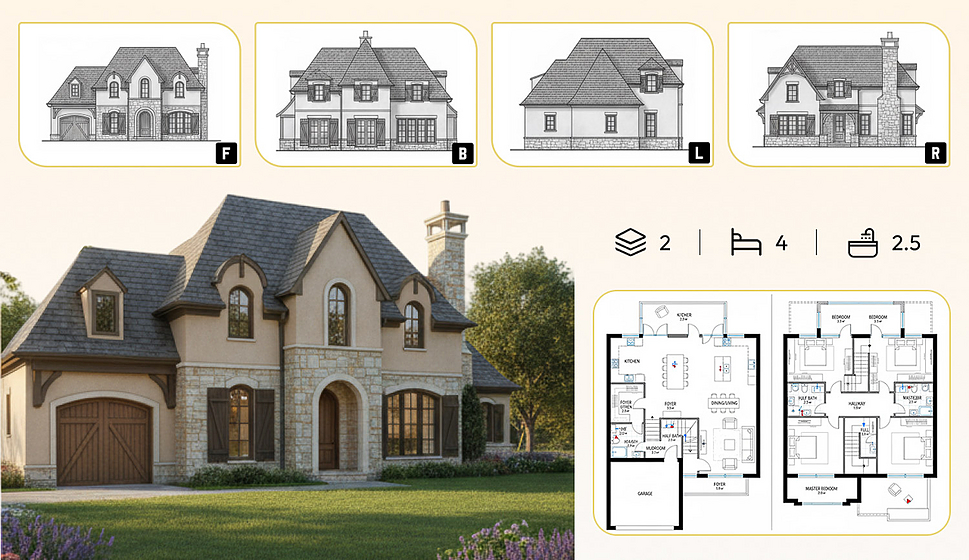
This guide covers a workflow that moves from project parameters to generated floor plans, 3D perspective views, exterior design exploration, and site context visualization, using AI tools in place of preliminary CAD and rendering work.
This guide covers a workflow that moves from project parameters to generated floor plans, 3D perspective views, exterior design exploration, and site context visualization, using AI tools in place of preliminary CAD and rendering work.
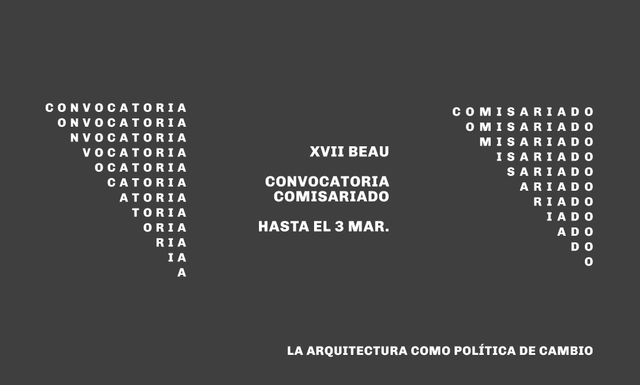
The Ministry of Housing and Urban Agenda (MIVAU), in collaboration with the Higher Council of Architects' Associations of Spain and supported by the ARQUIA Foundation, has opened the selection process for the curatorship of the 17th Spanish Biennial of Architecture and Urbanism (BEAU). The deadline for submitting proposals is March 3, 2025.
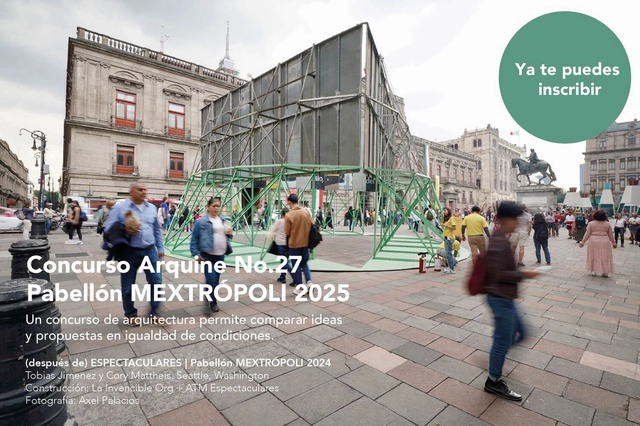
Since 1998, Arquine has hosted an architecture competition that allows for the comparison of ideas and proposals on equal footing. As in recent editions, the Arquine No. 27 Competition invites participants to design, build, and activate a pavilion in Mexico City's Historic Center as part of the MEXTRÓPOLI Architecture and City Festival.

The Félix Candela Award is a two-stage international architectural ideas competition conducted in Spanish. Organized annually by the Spanish Institute of Architecture (IESARQ), it is open to students of architecture, landscape architecture, urban planning, and design, as well as young architects, landscape architects, urban planners, and designers, participating individually or in teams of two to three members.
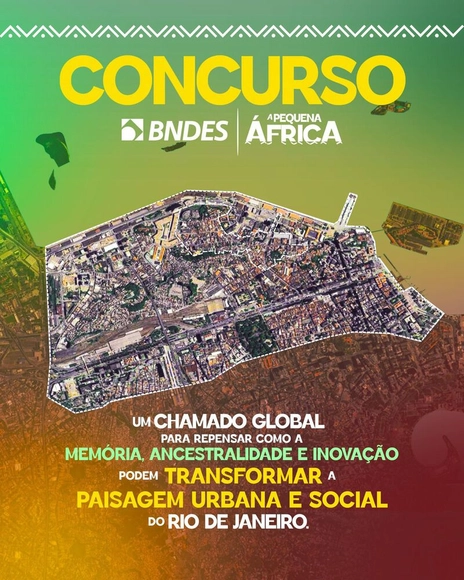
Pequena África is a space of singular significance, where culture, memory, and resistance intertwine along every path and within every evolving narrative. This territory has established itself as a bastion of Afro-Brazilian heritage, serving as a benchmark in the construction of Brazilian identity. To enhance its visibility, the Brazilian Development Bank (BNDES) is launching the BNDES Pequena África Competition, open to national and international participants. This represents a historic opportunity for recognition and reparation, ensuring that the memory of the formation of the Brazilian people is preserved and celebrated.
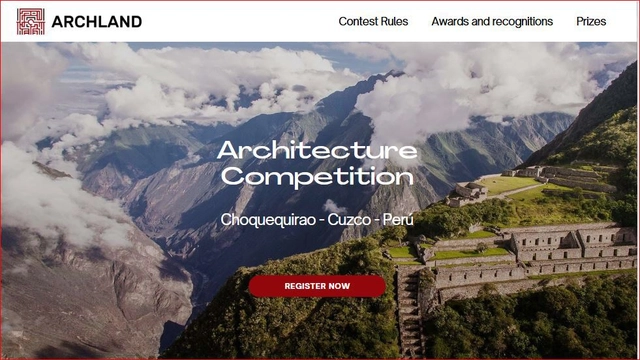
ARCHLAND, a firm specializing in the organization of architecture competitions, is honored to present its most significant competition to date. This initiative will enable the Choquequirao Citadel to achieve World Heritage status and be recognized as Peru's second archaeological wonder, following Machu Picchu, within the tourism circuit. This circuit will be part of the proposal and included through the competition itself, promoted to reach over 5,000 architects worldwide to address and promote this remarkable site.

The goal of the competition is to design a one- or two-story prototype that acts as a sculptural element within its environment. It should be adaptable to beaches, parks, and plazas, serving as a landmark and safety point for tourists in major cities worldwide, while adding value to both natural and urban settings.
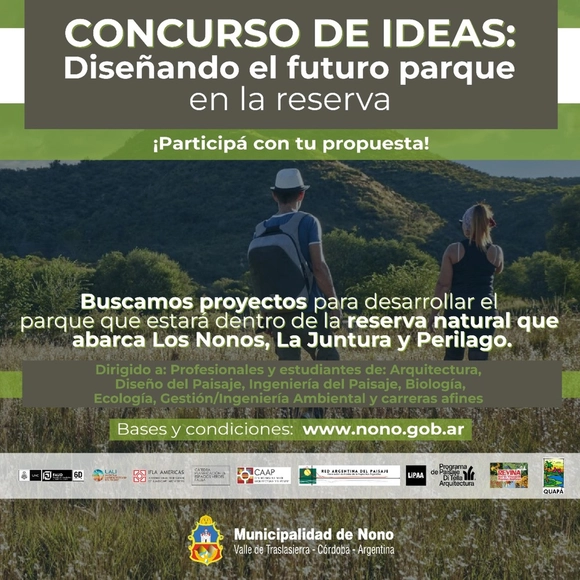
The Municipality of Nono, with the support of educational institutions and civil society organizations backing the initiative, is seeking innovative projects to develop a park within the nature reserve encompassing the Los Nonos, La Juntura, and Perilago areas.
The Félix Candela Award is a two-stage international architecture ideas competition held in Spanish. Organized annually by the Spanish Institute of Architecture (IESARQ), it is open to all students of architecture, landscape architecture, urban planning, and design, as well as architects, landscape architects, urban planners, and young designers, participating individually or in teams of two or three members.

Labi is proud to announce the launch of our second ideas competition for the Bixiga Park and Zé Celso Theater School, located in the Bixiga neighborhood of São Paulo.
The sixth edition of the Félix Candela Award is a dream of the city. After several editions spent traversing the countryside in search of truth, this edition focuses on the quintessential social construct of architecture: the city. The city is the built form of human relationships and, as such, represents us as a society. The question is whether our current city is also our will. Between the Captive and the Warrior, we choose to be both, in that oscillation that Spanish architect Francisco Javier Sáenz de Oíza spoke of—from the city to the countryside, and now from the countryside back to the city. We return from the field with at least the tools of the woodsman, the hunter, the farmer, the gardener, or the shepherd, ready to insert what we have learned into the robust trunk of our cities.
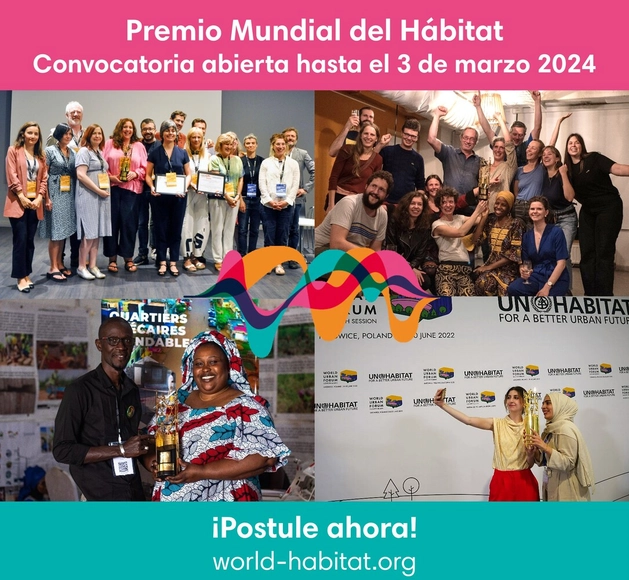
This annual competition, organized since 1986 by World Habitat in partnership with UN-Habitat, recognizes responses to global challenges in the field of housing and habitat.
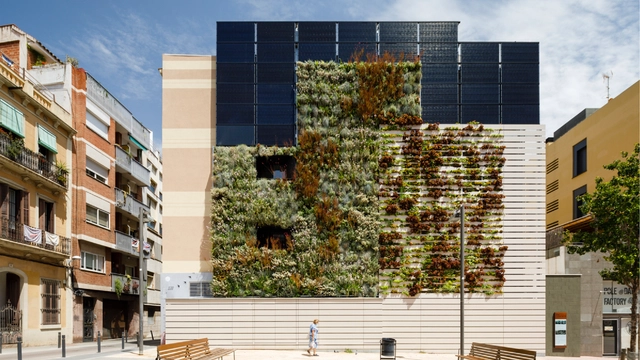
Taking a step toward improving the quality of public space, the city of Barcelona, which will serve as the World Capital of Architecture in 2026, has launched a new International Ideas Competition for Young Architects. The initiative aims to transform 10 permanent blind walls—one in each district—into new facades. Organized by the Barcelona City Council and the Fundació Mies van der Rohe, in partnership with UNESCO and the International Union of Architects (UIA), the competition seeks architectural proposals that provide meaning to walls that are currently anonymous and unremarkable, exposed in public spaces in a state of permanent temporariness.
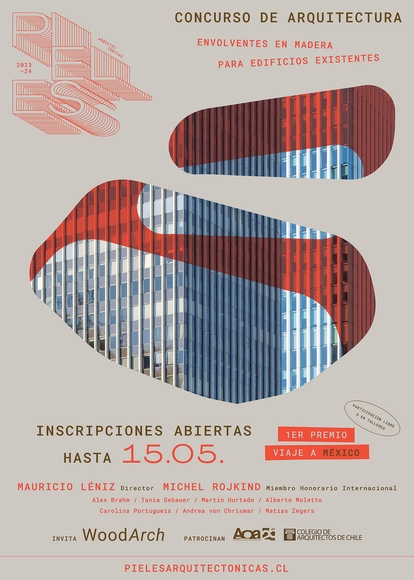
'Pieles Arquitectónicas, envolventes en madera para edificios existentes' (Architectural Skins: Timber Envelopes for Existing Buildings) is a competition that seeks to explore and research timber architecture as a means of intervening in and recovering existing urban infrastructure within the dense and programmatically diverse context of the city.
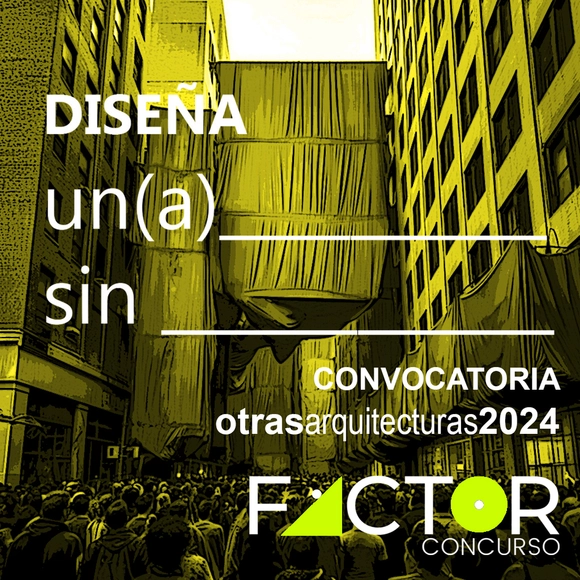
The Anthropocene, artificial intelligence, climate change, migration crises... The world as we knew it is being reformulated through algorithms that group, optimize, and rethink our daily lives, from the public sphere to the domestic realm. Windowless houses for maximum privacy in insecure contexts; temples without cults housing skateparks or trendy nightclubs; parks without children featuring areas for pets of all sizes; or architectures without architects visualized from text interpreted by Big Data with unexpected results—these are just a few examples of our new environments, where the priority seems to be the act of reducing to reimagine.
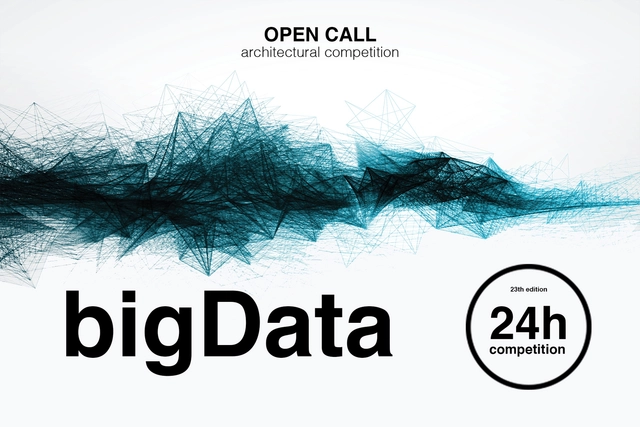
Ideasforward is an experimental platform that seeks progressive ideas reflecting emerging issues. Ecological design, sustainable architecture, new materials, concepts, and technologies are imperative for future societies, and the participation of the entire community is essential. In an era of globalization, where communication has been dominated by the technological revolution, it is necessary to rethink cities and how humans relate to a global world, as well as to reconsider the economic, social, and cultural patterns of contemporary societies.
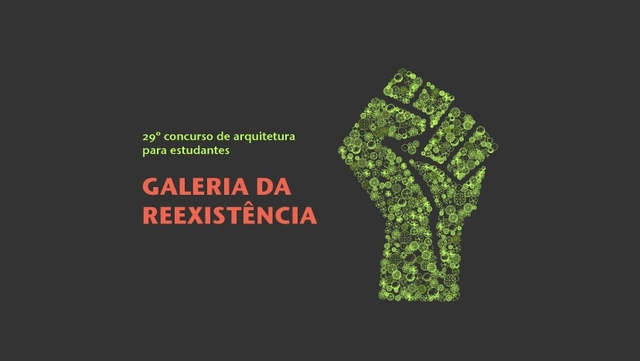
The Projetar.org portal regularly hosts idea competitions for students and recent graduates. These hypothetical academic exercises aim to stimulate creativity, promote professional development, and contribute to the critical growth of young professionals regarding current issues. The results serve as a showcase, highlighting proposals and facilitating the discovery of new talent.
Although the 29th architecture competition from the Projetar.org portal takes place in the context of the fire that destroyed the National Museum, the starting point of this contest is not the tragedy itself. The inspiration for addressing this delicate subject was the "Museu Nacional Vive" (National Museum Lives) campaign, launched in September of this year.
On the campaign's website, it is possible to follow the continuation of research, graduate classes, and outreach activities. With approximately 2 million items from its collection preserved, the National Museum remains among the most important museum institutions in Latin America.
In a letter sent to the presidential candidates, the Director of the National Museum, Alexander Kellner, stated that despite having lost a significant portion of its collection, the National Museum "has not lost its capacity to generate knowledge."
Although the palace that housed the National Museum is in ruins, it is evident that the people who kept it alive, even under conditions far from ideal, are more committed than ever to ensuring the institution continues to promote the country's scientific and cultural development.
In honor of the strength, resilience, and determination of every professor, student, and researcher at the National Museum/UFRJ, the Projetar.org portal proposes an academic exercise: to imagine a space dedicated to the survival of the National Museum while its permanent home is being restored.
If, as the National Museum stated, "being alive is more than surviving: it is resisting, it is fighting, it is re-existing," we could call this space, set amidst the lush nature of the Quinta da Boa Vista, the "Gallery of Re-existence."
Given the relevance and complexity of the proposed theme, the Projetar.org portal is introducing a new feature for Competition 029: allowing the formation of multidisciplinary teams, composed of students and recent graduates in architecture and other fields.
By bringing future and young professionals closer to the theme of national cultural and scientific heritage, we hope to make a small contribution to the education of Brazilian citizens and professionals, who hold the power to prevent such disasters from recurring. The Projetar.org portal also commits to donating 10% of each registration fee to the Association of Friends of the National Museum.
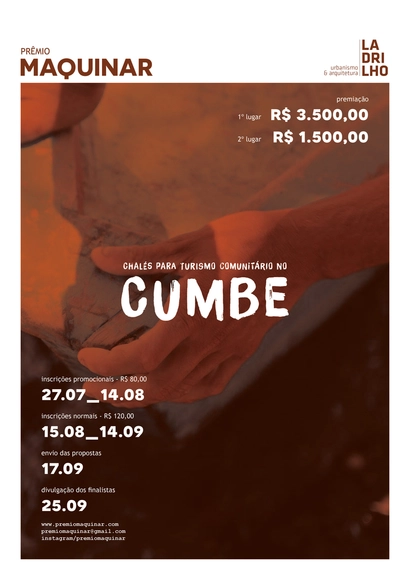
Maquinar, in partnership with Ladrilho - Urbanismo e Arquitetura, is pleased to present the Ideas Competition: Chalets for Community Tourism in Cumbe. Recognizing local demand and the community's integrated relationship with the natural environment, this competition aims to foster debate among architecture and urban planning professionals and students regarding the design of lodging alternatives for community-based tourism.
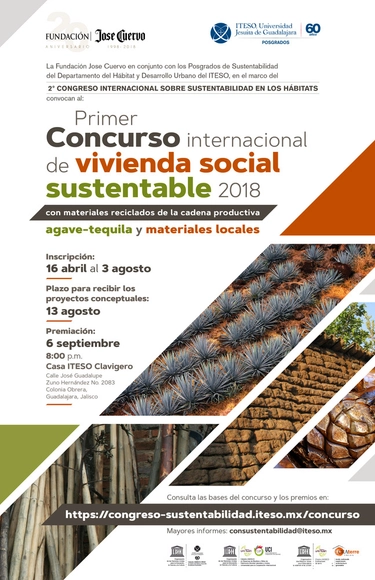
The Jose Cuervo Foundation, in collaboration with the Graduate Programs in Sustainability at the ITESO Department of Habitat and Urban Development, as part of the 2nd International Congress on Sustainability in Habitats,
The project involves creating a pedestrian promenade along the western side of Av. Cuauhtémoc, connecting the Hospital and Metro Centro Médico with Plaza Delta.

Registration is now open for the 2018 IBRAMEM AMATA Timber Architecture Award, with categories for both professionals and students. Students of engineering, architecture, and urban planning, as well as professionals in these fields from all Latin American countries, are eligible to apply.
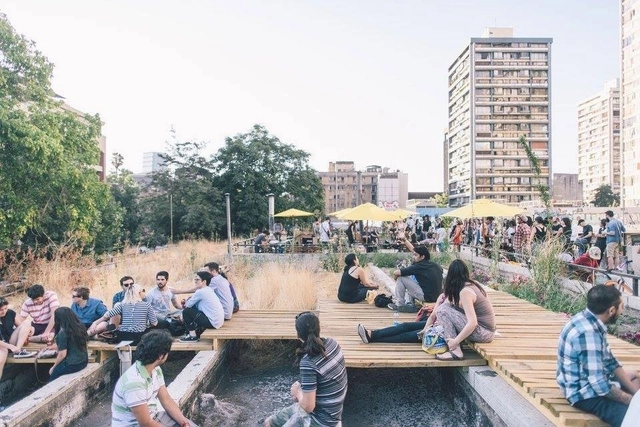
Pasarelas San Borja is an international architecture and landscape ideas competition. It seeks to recognize—through a qualified, representative jury accredited by the sponsors—the best urban design ideas that contribute to defining intervention criteria and generating proposals for the recovery of the Pasarelas San Borja in Santiago, Chile.
The competition is open and international. Multidisciplinary professional teams (Chilean or international) may be formed, consisting of architects, landscape architects, civil engineers, and other professionals or specialists relevant to the proposed project. Professional teams must include at least one architect and one non-architect. International professionals or firms must partner with an architect licensed to practice in Chile.

Chile's Ministry of Housing and Urbanism has launched an ideas competition to design the "Paseo del Mar," a new public space at the Barón Pier, located directly on the coastline of the city of Valparaíso.
"The Barón Pier has shaped the history of Valparaíso and Chile. This site served as the engine of the country's railway industry throughout much of the 19th and 20th centuries. However, these grounds no longer possess their former vitality and have been abandoned over time. In the 21st century, the residents of Valparaíso want this area to reclaim its place in the history of the port and in their daily lives, but transformed into a major public space," the ministry explains in the competition guidelines.
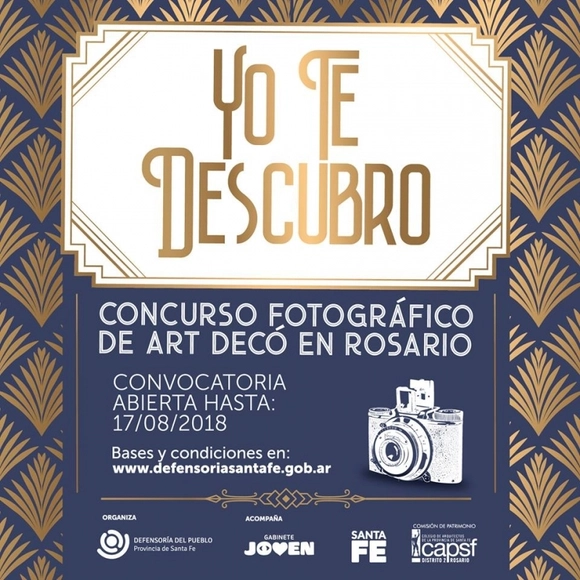
The Office of the Ombudsman of Santa Fe, the provincial Youth Cabinet, and the Rosario Architects' Association are launching the "Yo te descubro" (I Discover You) photography competition, focused on the Art Deco theme in the city of Rosario, Argentina.
The initiative aims to highlight, rediscover, and revalue Art Deco examples found in everyday objects, stylistic ornamentation, art, and architectural heritage, framing them as a core element of Rosario's identity and sense of belonging.

Bimtool launches the second edition of The BIM Challenge 2018, an international online architecture competition open to participants worldwide across three categories: Architecture Students, Licensed Architects, and an Open category for those who do not fall into the previous groups.