Yamid Rivera

BROWSE ALL FROM THIS AUTHOR HERE

Medellín Confirms That Environmental Pollution Is the Most Concerning in Colombia

On March 6, environmental pollution in Medellín, Colombia, triggered the highest alert levels. For three days, industrial production and driving restrictions (locally known as pico y placa) have been tightened. According to specialists consulted by the local newspaper El Tiempo, meteorological conditions are expected to make the situation “most critical” in two weeks.

In light of situations like this, air quality monitoring and control have taken on greater importance in Colombia. This is especially critical given that one in eight deaths worldwide is caused by air pollution, according to figures from the World Health Organization (WHO). In Colombia, 10,527 deaths and 67.8 million cases of related symptoms and illnesses occurred in 2015, as reported in 2017 by the National Planning Department following a study on the health costs of environmental degradation.

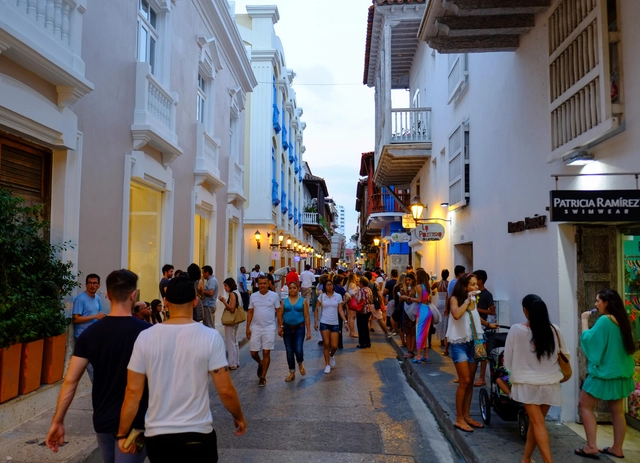
Cartagena to pedestrianize its historic center for the "enjoyment of public space"

Following its presentation and discussion with restaurant, commercial, and resident associations, the Mayor's Office of Cartagena (Colombia) announced the pedestrianization of 45 streets in its historic center, as reported by Caracol Radio. The decision is backed by the Bolívar Trade Council through its executive director, Patricia Galindo, who told the local outlet that the project will regulate traffic in the historic center and the San Diego neighborhood. This and other measures aim to improve mobility for residents, citizens, and tourists in the area.

The Bolívar Trade Council has participated in the various events organized by the District to coordinate these measures. Crucial to this process was listening to all stakeholders, as well as the district administration's willingness to lead on one of its most important issues, working to find effective and consensus-driven solutions for everyone.

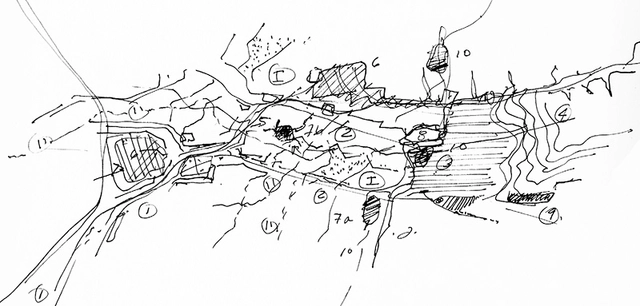
Save the City: Collective Mapping for an Urban Diagnosis of Barranquilla

The CitYzens Collective and the Arkco-CUC research group at the Universidad de la Costa (CUC) conducted a collective mapping exercise in the Plaza de la Paz, located in the historic center of Barranquilla, Colombia. The event took place on June 1, 2018, at this emblematic public square.

The initiative not only involved collaboration with urban design collectives like Colectivo 016, but also drew the participation of dozens of citizens and passersby. They made symbolic contributions to "Save Barranquilla" by mapping their experiences, identities, appropriations, uses, and collective imaginaries of the city.

Cartagena risks being removed from the UNESCO World Heritage list

The construction of a four-tower housing complex just steps from the historic center threatens Cartagena (Colombia)’s status as a UNESCO World Heritage site. The community is currently awaiting a judicial ruling on the Aquarela case, the name of the multi-family social housing (VIS) project.

According to statements by the Bolívar Business Council (Consejo Gremial de Bolívar)—the organization tasked with promoting competitive development in the city and department—the situation is delicate, as the advanced stage of construction complicates potential decisions. Given that the city is one of Latin America's primary tourist destinations, the lack of oversight from national and local authorities—who failed to act in accordance with the planning principles outlined in Article 2 of the Colombian Constitution—is difficult to explain.

UNESCO calls for the demolition of the Aquarela project in Colombia

Following much anticipation, the results of the report compiled by the International Council on Monuments and Sites (ICOMOS) for UNESCO have finally been released. The report follows a visit to the city several months ago, where experts inspected Cartagena's heritage sites and the development of the Aquarela residential complex—a project that threatens Cartagena's status on the UNESCO World Heritage list.

The inspection was carried out jointly by the Ministry of Culture, the Ministry of Foreign Affairs, the Mayor's Office of Cartagena, and ICOMOS advisor and expert Luis María Calvo, during which various plans and initiatives were presented to safeguard the heritage sites. The primary objective of the visit was to provide technical expertise and draft recommendations to improve the conservation of the Port, Fortresses, and Group of Monuments of Cartagena, without passing any value judgments during the process.

Bogotá Through the Visual Chronicles of Wildlife

Thanks to its geographical and climatic characteristics, Bogotá has great potential for the development and enjoyment of nature tourism. The Colombian capital is bordered by the beautiful Eastern Hills, which connect with countless parks and trails that welcome visitors.

Among its natural wonders is the Sumapaz Páramo, the largest of its kind in the world. Exploring each of these places is undoubtedly an experience that few have the opportunity to enjoy and admire. As a result, numerous activities have sparked public interest in weaving together a city rich in environmental assets, including parks, rivers, wetlands, and gardens.

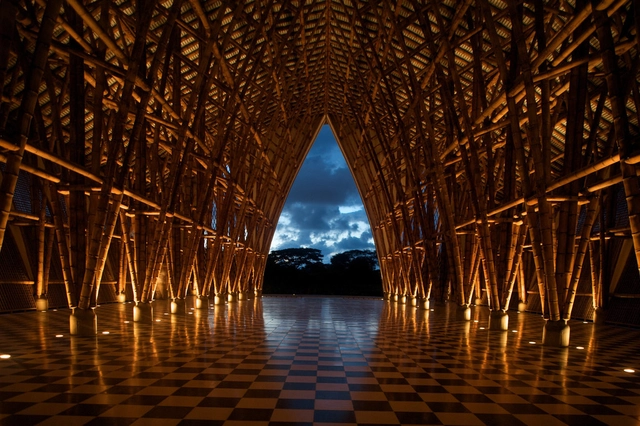
10 Colombian Projects Adapted to Their Landscape

The close relationship between architecture and landscape in Latin America is undeniable. This is due not only to the region's geographical, climatic, and ecological diversity, but also to how these countries have built and shaped their cities amidst progress and setbacks. Among these ongoing achievements is a growing respect for the landscape, an architectural language tailored to its context, and solutions designed for its diverse climates.

For this selection, we have chosen 10 projects in Colombia that have successfully adapted to their landscape, both in form and construction, across both urban and rural contexts.

First Line of the Bogotá Metro Will Have 16 Stations

During an official tour in late April, the Metro company revealed new details of the alignment for the Bogotá Metro's first line. The inaugural route will feature 16 stations, 10 of which will integrate with Transmilenio, the Colombian capital's mass transit bus system.

According to local newspaper El Tiempo, a 32-hectare site in the Bosa district will house the metro's train yard and workshop, serving as the "starting point for the 23 trains scheduled to begin operating in 2022." Currently, the site is located near the Cundinamarca canal—a stormwater reservoir that, along with a major power transmission tower, will be modified to accommodate the project.

6 Award-Winning Architecture Competition Projects in Colombia You Should Know

"Architectural competitions represent the combination of the art of choosing and the craft of being chosen," says Roberto Fernández about an area of our discipline that is widely recognized as an excellent platform for firms and independent professionals to present their ideas as true manifestos. Meanwhile, in academic circles, competitions often serve as tools for formal, conceptual, and graphic experimentation.

These types of commissions undoubtedly inspire not only architecture and urban planning professionals but also the public as a key player in their evaluation. Whether or not these proposals are built, they demonstrate that we must constantly champion innovation, recognizing the immense effort behind these results. With this in mind, we have selected six award-winning projects that reflect the value of architectural competitions in Colombia.
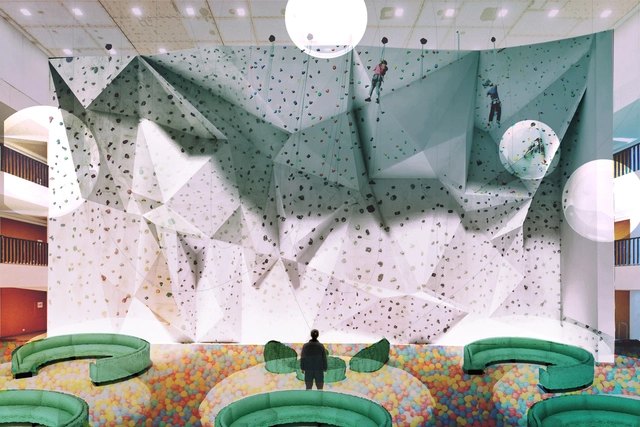
8 Colombian Projects That Speak to Functionality and Interior Design

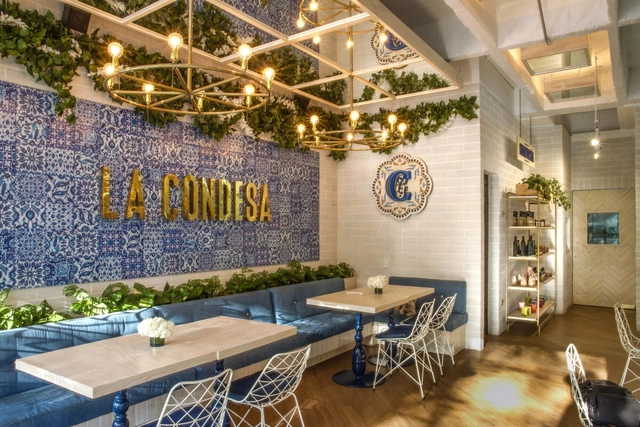
In interior design, striking a balance between aesthetic style and the functional needs of a project is essential. In this regard, it is fascinating to see the diverse solutions that Colombian architects and designers have recently proposed. We have selected eight local projects that demonstrate a compelling balance between functionality and aesthetics in interior design.

8 Colombian Projects That Speak to Functionality and Interior Design - More Images+ 4

Submit your project to the 3rd edition of the Rogelio Salmona Latin American Architecture Award

The Rogelio Salmona Foundation has opened the third edition of its call for entries, which seeks to recognize the best works in Latin America and the Caribbean. These projects stand out for their architecture, which creates significant civic spaces that are embraced by their communities, highlighting the importance of collective space as a catalyst for social cohesion within the context of our Latin American cities.

Many architects in Latin America have understood the relationship between architecture and the city. This award aims to recognize architecture that is generous, where the spaces created open up to the city and successfully generate places for social interaction and participation, enriching the use of the city and the surrounding environment.

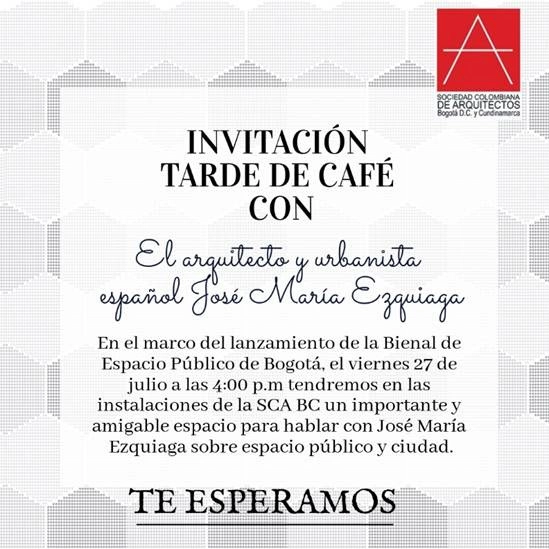
An Afternoon Coffee with Spanish architect José María Ezquiaga

As part of the launch of the Bogotá Public Space Biennial, we invite you to join us this Friday, July 27, at 4:00 p.m. for coffee with Spanish architect and urbanist José María Ezquiaga to discuss public space and the city.

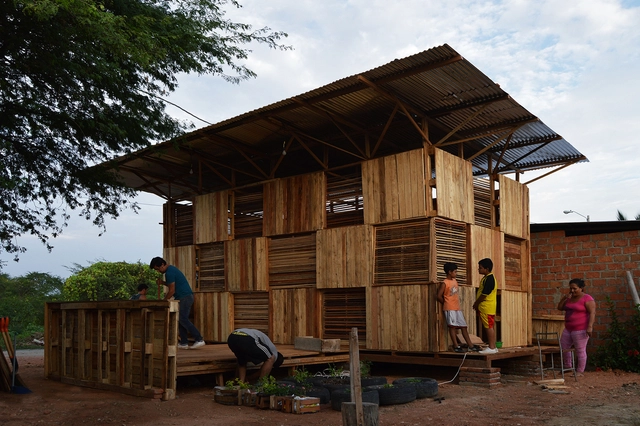
How to Design Semi-Permanent Structures

Natural disasters continue to leave thousands of people homeless every year, forcing them to seek refuge without any alternatives. On many occasions, cities cannot cope with refugees, limiting their resources. In addition to this, the difficulties to sustain refugees in a dignified way, becomes increasingly complex, leading to the collapse of conventional strategies.

It is at this moment when innovation and creativity play an important role in construction practices, ultimately creating a quicker and more efficient construction model that can be replicated after natural disasters.

Undoubtedly, there are some principles that should be taken into account when designing a semi-permanent structure. Thus, we have gathered some tips and examples that you may find useful. 

How to Design Semi-Permanent Structures - Image 1 of 4How to Design Semi-Permanent Structures - Image 5 of 4How to Design Semi-Permanent Structures - Image 6 of 4How to Design Semi-Permanent Structures - Image 7 of 4How to Design Semi-Permanent Structures - More Images+ 3

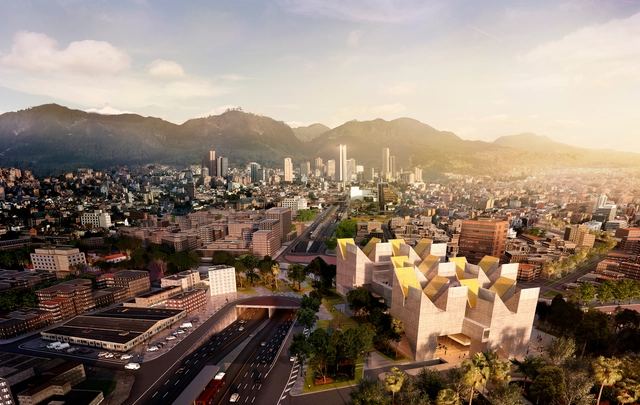
6 Upcoming Projects that Will Improve the Quality of Life in Colombia

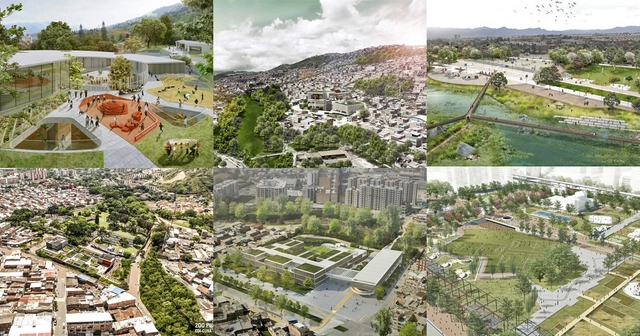
Colombia is a country whose architecture continues to surprise us with projects that seek to improve the quality of life of its residents, which in turn tends to attract individuals to learn and contribute to proposals that generate and create much more vibrant cities.

The city's advances in architecture and urbanism in recent years have materialized in a series of programs and projects in other cities, awakening the interest of professionals and academics from architecture and global urbanism.

The development of projects such as the Metro Cable in Medellín, TransmiCable in Bogota, or the series of parks and libraries that have been built throughout the country after the success achieved in the first two cities, makes the idea of betting on much more innovative projects a more attractive prospect, which dares citizens and designers of all kinds to dream, stoking the spirit of entrepreneurship throughout the country and much of Latin America. To reflect this, we have chosen 6 projects that will undoubtedly change and improve the quality of life in Colombia.

6 Upcoming Projects that Will Improve the Quality of Life in Colombia - Image 1 of 46 Upcoming Projects that Will Improve the Quality of Life in Colombia - Image 2 of 46 Upcoming Projects that Will Improve the Quality of Life in Colombia - Image 3 of 46 Upcoming Projects that Will Improve the Quality of Life in Colombia - Image 4 of 46 Upcoming Projects that Will Improve the Quality of Life in Colombia - More Images+ 2

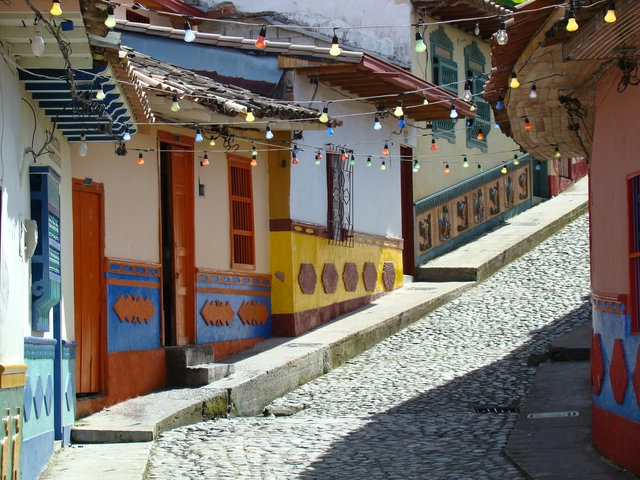
Architecture City Guide: 10 Towns in Colombia That Every Architect Must Visit

Calm and silence prevail in many of the municipalities of Colombia, where the ochre colors intermingle with the green of the landscape to preserve the colonial styles that characterize some of the architectural typologies of the place. Small urban centers that hide an incomparable beauty are the main attraction for many tourists who today travel to know these obscure places, where one can go to learn a little of their traditions and their culture, creating an almost perfect adventure, where heritage value becomes a characteristic in common.

That is why we have chosen 10 Colombian towns that highlight both the physical-spatial value and the socio-cultural value.