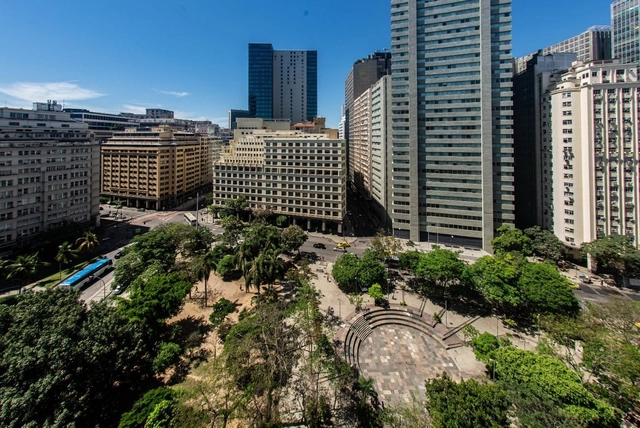
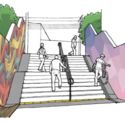
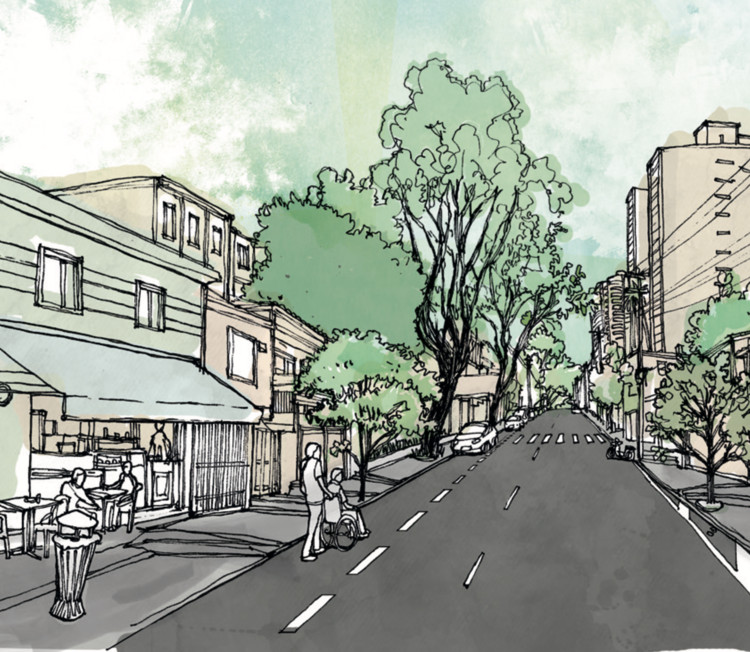
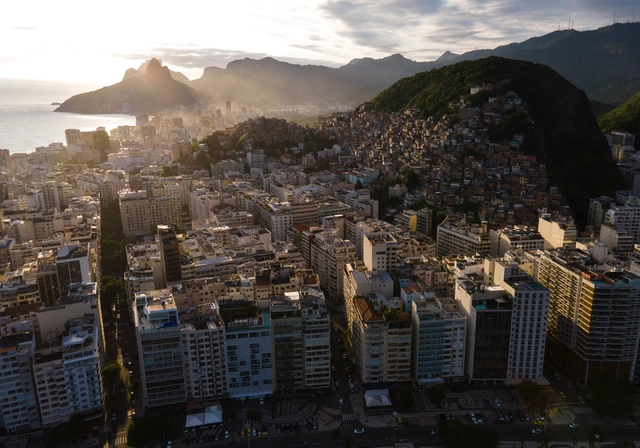
Urban resilience was put to the test as the pandemic swept quickly and drastically through cities. Limiting movement, contact, and access to public spaces was the most effective strategy for containing the virus. However, the city's infrastructure, compounded by a lack of emergency public policies, proved far from resilient. This vulnerability was exposed as a large portion of the population was forced to continue commuting long distances on public transit to work in essential services, and as the physical and mental health of residents suffered from a lack of access to safe spaces for physical activity—underscoring the city's precarious supply of public spaces.





















.jpg?1611255930&format=webp&width=640&height=580)