
The fourth issue of Revista Pliego features editorial content curated by the publication's team.
The fourth issue of Revista Pliego features editorial content curated by the publication's team.

The third issue of Revista Pliego explores in depth the final projects from the architecture studios at the National University of La Matanza. The content is diverse, ranging from innovative technological research to new design models.
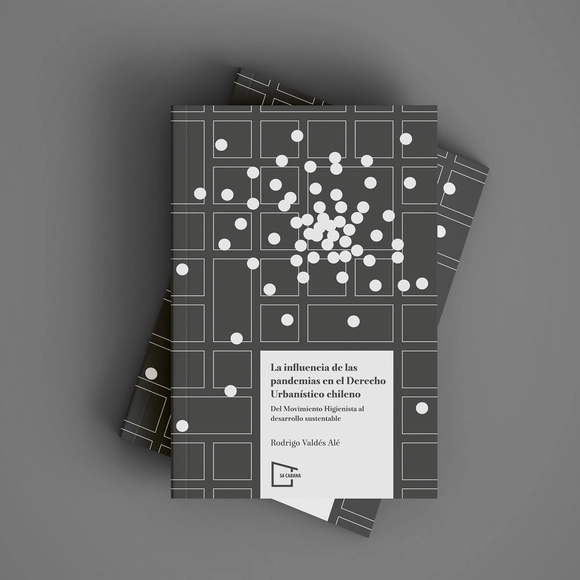
These times of pandemic and constitutional change offer an opportunity to analyze the relationship between the spread of COVID-19, urban living conditions, and the presence of hygienism in our urban planning law. Lawyer Rodrigo Valdés Alé examines these aspects, which lay the groundwork for the right to a healthy city, in the new book from Sa Cabana Editorial.
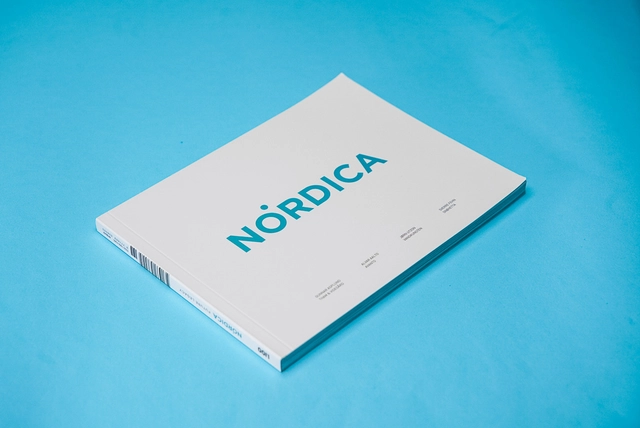
The inspiration that the masters of modern architecture in Sweden, Finland, Denmark, and Norway drew from their places of origin, combined with the experience they gained during their travels around the world, sparked a radical shift in history known as Nordic Architecture.
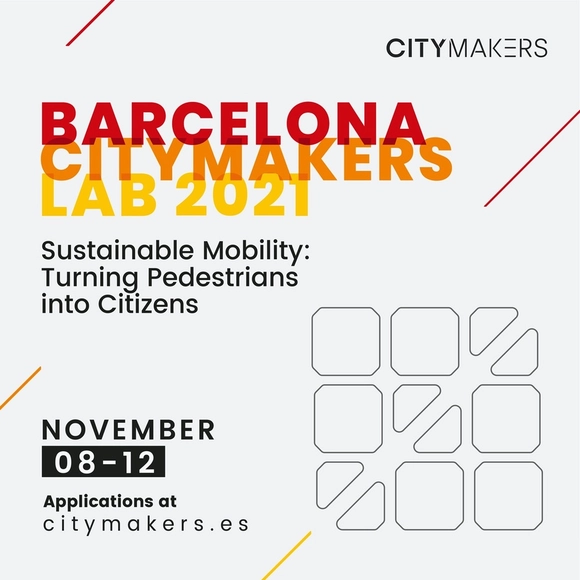
In collaboration with ArchDaily and as part of the "Support for Young Professionals in Emerging Countries" program, CityMakers is offering ArchDaily and Plataforma Arquitectura readers the opportunity to secure a spot in the Barcelona Lab 2021—Sustainable Mobility: Turning Pedestrians into Citizens, taking place from November 8 to 12, 2021, in Barcelona, with a 40% scholarship.

The ability to develop new advanced solutions in architecture, construction, urbanism, and design will be fundamental to responding to the challenges posed by the current crisis. A commitment to innovation and the education of professionals and students toward new models represents a key element in driving radical change, providing tools for the professionals of tomorrow.

With a career focused primarily on the public sector, Cristóbal Tirado is the architect behind major projects throughout Chile, such as the renovation of the Mercado Providencia, the Aysén Regional Museum, the International Antarctic Center, the restoration of the Valparaíso elevators, and the remodeling of Plaza Sotomayor in the same city, among others. These are projects in which he has participated through competitions or public tenders.
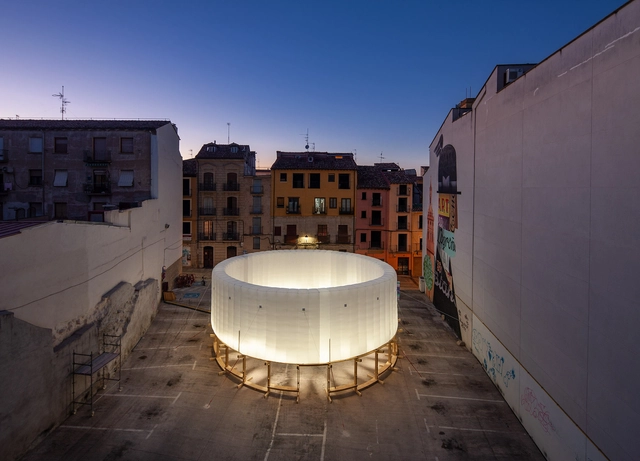
Concéntrico 07, the International Festival of Architecture and Design in Logroño, invites reflection on the urban environment and the city through architecture and design proposals in various formats. The new edition will take place from September 2 to 5, 2021.
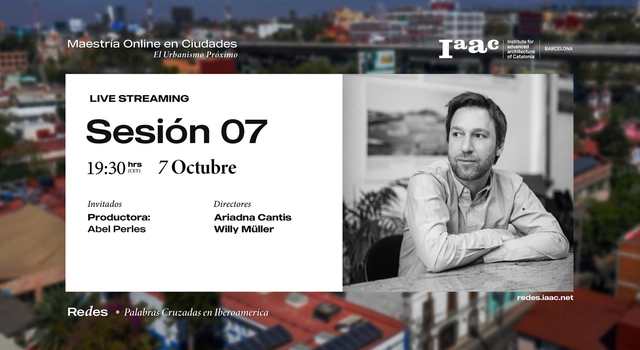
"Journey" is the topic of the seventh Redes IAAC session, an open, online event broadcast via streaming.

Today, more than half of the world's population lives in urban areas, a process of sustained growth that has persisted in cities and materialized through their expansion. This phenomenon is expected to intensify in the coming years due to several factors, including the concentration of capital, services, facilities, and infrastructure, which has fostered the perception of the city as a place of «opportunity».
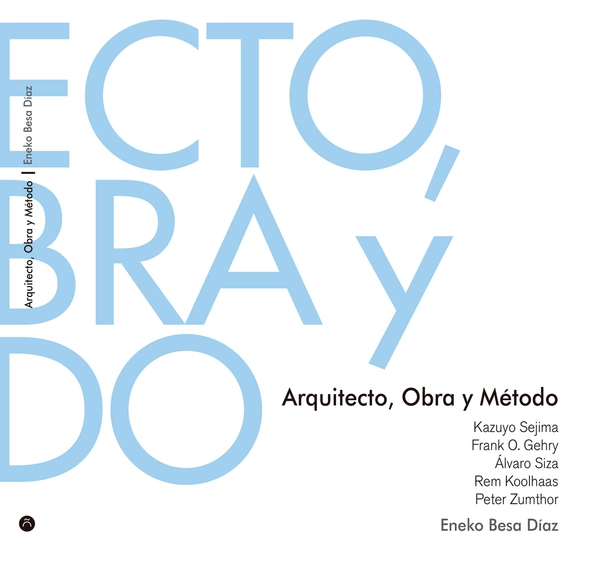
This book approaches the question of method in architecture by focusing its analysis primarily on five specific works from the contemporary scene, attempting to unveil the underlying motivations that constitute them.
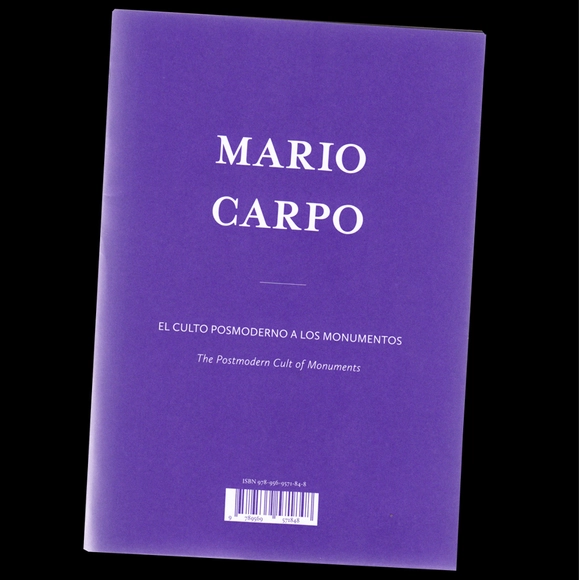
This ARQDocs book explores the work of Mario Carpo, a historian of architecture and technology. He holds a Dr. Arch from the University of Florence and a PhD from the European University Institute. He has taught at the Université de Genève, the School of Architecture of Saint-Étienne, the School of Architecture of Paris-La Villette, and the Georgia Institute of Technology. He served as the Vincent Scully Visiting Professor of Architectural History at the Yale School of Architecture (2010–2014), as the Reyner Banham Professor of Architectural History and Theory at The Bartlett, UCL (2014–present), and as director of the Study Centre at the Canadian Centre for Architecture (CCA) in Montréal (2002–2005).

This book is a study of the relationship between architecture and painting through the work of Francisco Méndez Labbé, a pioneer of non-figurative abstract art in Chile and co-founder of the Institute of Architecture at the Pontificia Universidad Católica de Valparaíso. Méndez Labbé transitioned to painting after training as an architect, at a time when the arts and architecture in Chile were navigating a complex period of integration into the modern art debate.

Living Without a Bathroom: Módulo Sanitario and a Multidimensional Need for 6 Million Argentines
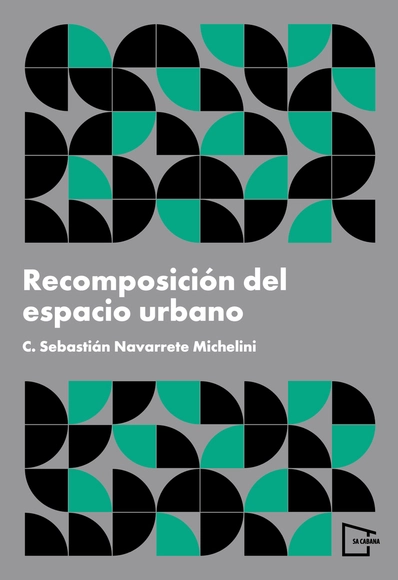
Between 1950 and 1970, the Chilean state undertook a national modernization process for its institutions, establishing the state's responsibility to clearly improve the living conditions of its population. Consequently, the Housing Corporation (CORVI, 1953–1976) was established in 1953. Through this body, the state spearheaded the implementation of the Chilean Housing Plan (1959), concretely positioning the construction of housing and the city as a catalyst for social change.

The house has evolved from an individual concern into the built element with the greatest impact on the planet. In this study, Fernanda Canales analyzes the evolution of this space over the last two centuries through projects, exhibitions, and books that have transformed ways of living toward a collective understanding of housing.

In almost every civilization, the garden, much like paradise, has always been an enclosed space—a landscape factory designed to project and embody ideals of life. However, in the 20th century, the garden transcended its enclosure, giving way to ecology and, with it, a different form of boundary. The garden shifted in scale, becoming planetary.

“The desert has enslaved me, and I am happy to say that I am still astonished to find that this is so,” writes Reyner Banham in this book, one of the last he wrote during his lifetime, not in his usual role as an architectural historian, but as a “desert fanatic”—a visitor intrigued and bewildered by the arid lands of the American Southwest.