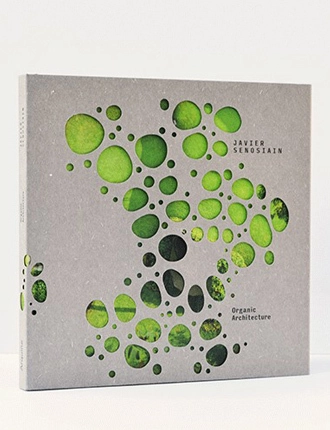
The role of the organic in the history of modern architecture has been primarily attributed to figures such as Frank Lloyd Wright and Bruno Zevi, who, for much of the 20th century, challenged radical mechanistic, functionalist, and rationalist proposals with a vision that sought to recover the organic relationship between humans and their environment. The broad definition of the organic allowed the scope of modern architecture to expand, encompassing subsequent generations such as Alvar Aalto, and even Eero Saarinen or Jørn Utzon.