The course is structured around visits to contemporary architectural works in the city of São Paulo, always accompanied by the architect who developed the project. A public inaugural lecture will be held to present the course and explain the dynamics of the visits. The selection of works to be visited is based on the following criteria: location, scale, authorship, and use. Each visit includes discussions on topics related to the day-to-day realities of architectural practice, education, new technologies, work processes, and the project's relationship with the city.
The U.S. Department of State and the National Endowment for the Arts Design Program announce that the call for applications has been posted for the U.S. presentation at the 17th International Architecture Exhibition held in Venice, Italy, from May 23 to November 29, 2020. The Venice Architecture Biennale exhibition is the premier showcase for revolutionary ideas in contemporary architecture and design through national venues.
The 2°C Symposium is an opportunity to learn essential technologies, strategies and tools that address climate change at a critical time for our collective future.
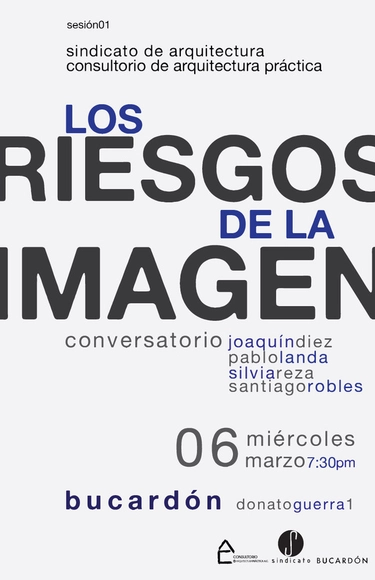
Representation plays a pivotal role in shaping architecture. In other words, our discipline relies on various visual devices that enable its existence—such as plans, models, and renders—as well as its material realization and its mediation with the world. Consequently, we are interested in discussing the image as the primary tool for reproducing the capitalist metropolis, where its aspiration-generating elements or idealized margins recreate scenarios that are adverse to the actual needs of cities, architecture, and beyond. In architectural practice, there is a reification and an excessive importance assigned to the image over any foundation or conceptualization; despite this, we believe that discussions regarding its use remain scarce. Therefore, we have decided to convene a discussion between architects and artists to examine the implications of the visual.
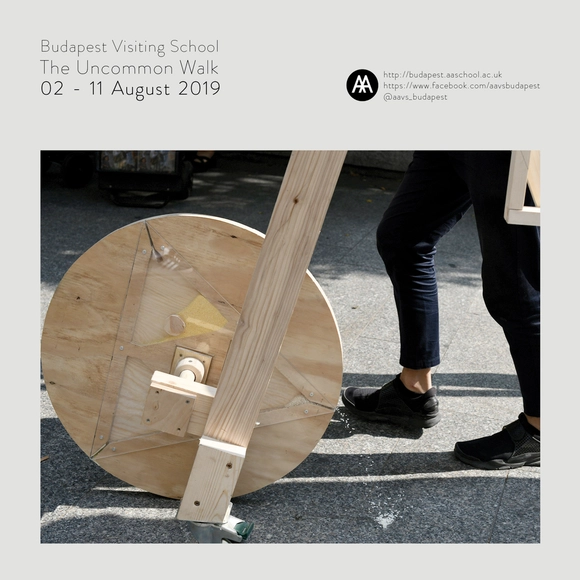
Budapest-based Visiting School, is part of the world most prestigious and renowned architectural school - Architectural Association (AA). It will take place from the 2nd of August to 11th of August this year. In collaboration with prominent art and architectural institutions, such as FUGA, KÉK, IVANKA, and HELLO WOOD, all work will be exhibited during Budapest Design Week.
Get an in-depth look at the current exhibition, In the Public Interest: Redefining the Architect's Role and Responsibility, through this 45 minute exhibition tour with Taylor Johnson Assoc. AIA, graduate of Syracuse Architecture. After the tour, please ask questions, continue to explore the exhibition, and enjoy!
Grupo Talca (Chile) / Nicolás Valencia (Chile) / Ruta 4 (Colombia) / Aqua Alta (Paraguay) / Tácti.Co (Ecuador) / Martín Dulanto (Peru) / MINEDU (Peru) / Semillas (Peru-Italy) / Oscar Gonzalez Moix (Peru-Argentina) / Josep Cargol (Peru-Catalonia)
RED ARQUITECTURA invites you to participate in the international seminar 'Lessons in Architecture and the City | Exemplary Practices in Peru and Latin America'.
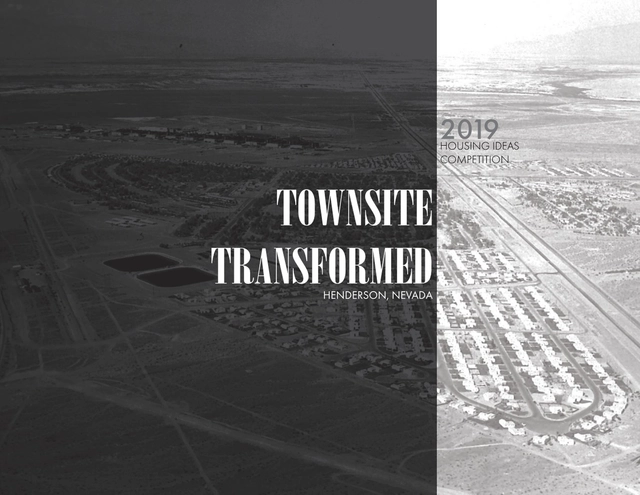
The purpose of this competition is to challenge Architects and Students to design a replacement for the Townsite Homes in Henderson, NV, which have outlived their intended use and have mostly fallen into disrepair, creating neighborhood blight. The project should fully embody the principles of sustainable design and livable communities. It is the responsibility of the entrants to determine the number of new dwellings on the site, or re-purpose the existing home. The only city requirement is to provide a single parking space per dwelling. Please visit the competition website for information on Henderson, the Townsite, and how to enter.
For more than 20 years, The Arhitext Design Foundation has been developing editorial and cultural projects that raise awareness of the national and international state of architecture, urbanism, design and visual arts. The most important projects of the Foundation are the Arhitext Magazine and the Bucharest Triennale, dedicated to the Central and Eastern European region. In October 2019, the Foundation, in partnership with the Romanian Order of Architects and the "Ion Mincu" University of Architecture and Urbanism will organize the third edition of the Bucharest Triennale East Centric Architecture. The main topic of this edition, HOME|any|more|?, proposes an interrogative approach of the possibility of being at home in today's world.
The Architecture & Design Film Festival returns to DTLA March 13-17 at the Los Angeles Theatre Center. Presented by Pacific Sales Kitchen & Home, ADFF:LA offers a curated program of 24 films, director Q&As, and riveting discussions about architecture and design. Before the festival on March 9th, there is an opportunity to see 24 unique short films during the Short Films Walk at the Helms Design District.
February 2019 (New York, NY) – Radical Innovation, which challenges designers, architects, hoteliers and students to pioneer compelling ideas in travel and hospitality, is now accepting entries to its annual competition. New in 2019, the competition will distinguish between built and unbuilt projects, in addition to honoring a select individual who challenges the hospitality community through the art of invention with the Innovator Award. All innovators are encouraged to submit their concepts through RadicalInnovationAward.com through April 3.
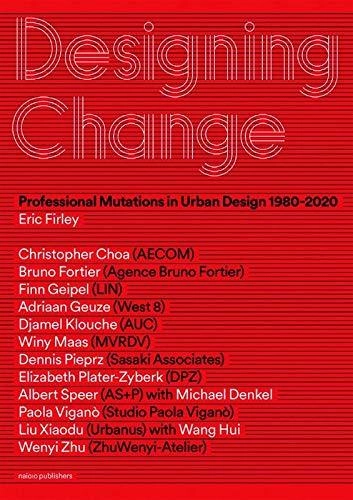
Over the timespan of just one generation the planet’s pace of urbanization has dramatically increased. Through these dynamics and its resulting environmental threats, new challenges have emerged that deeply question the validity of the post-war planning paradigms. Dominant ideologies have been replaced by a problem-solving attitude, increased economic pressure and an urgent quest for evidence. What impact does this have on the work of the urban designer and planner, and how can the profession prepare for the future?



![[TRANS-] topia 2019 :: journal call for submissions - Featured Image](https://snoopy.archdaily.com/images/archdaily/media/images/5c65/646c/284d/d176/a900/0407/slideshow/open-uri20190214-19344-17ny7ws.jpg?1550148698&format=webp&width=640&height=580)