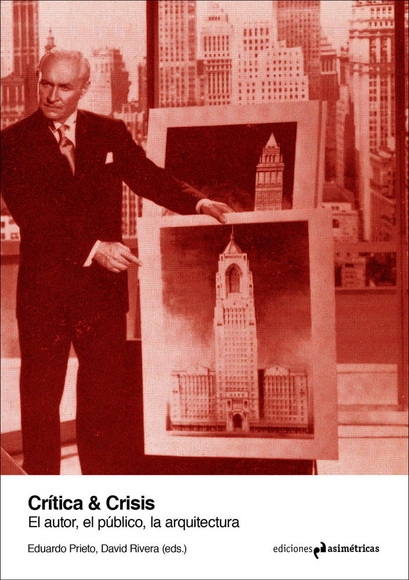
Cultural criticism is an occupation as serious as the work of an actor or a comedian. No society can do without it without suffering an internal process of fatal contraction. Neither can architecture, a discipline that suffers—perhaps more than most—from the pressures of political and economic powers, as well as the prejudices of the public and architects themselves. With the same insistence that people speak of the 'death of the novel,' some critics and historians frequently revisit the tropes of the 'death of architecture' and the 'death of criticism.' These are bad times for criticism. Yet it is precisely the threatened state of the discipline—the fact that it finds itself in a 'crisis' that will lead either to its death or to its revitalization—that opens the door to reflecting on it without prejudice.