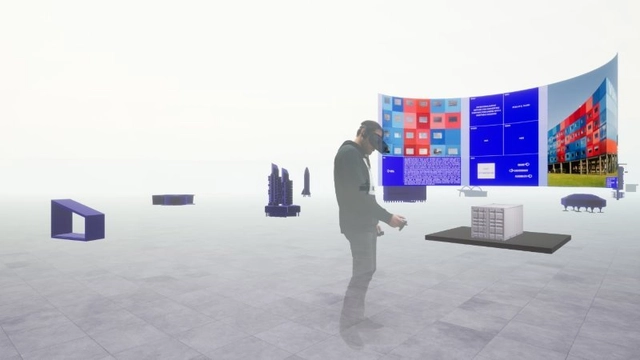
The project presents a collection of buildings and building systems significant in the historical evolution of modular and prefabricated architecture. The contents are shown in a virtual reality environment, through VR headset kits, which transport the audience to a 20x20m virtual space filled with panels and architectural models.
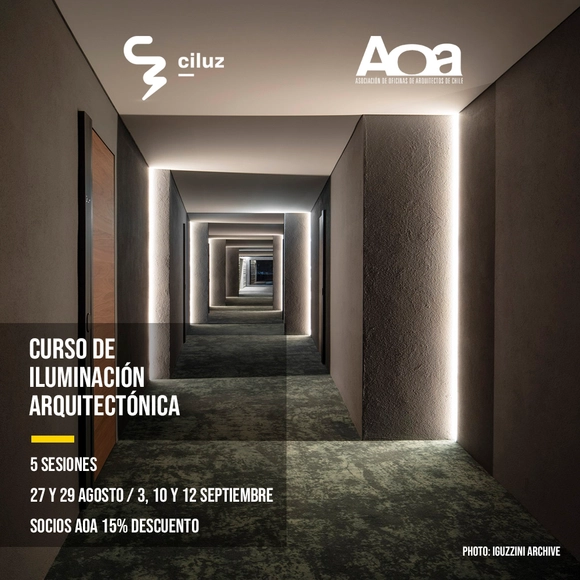
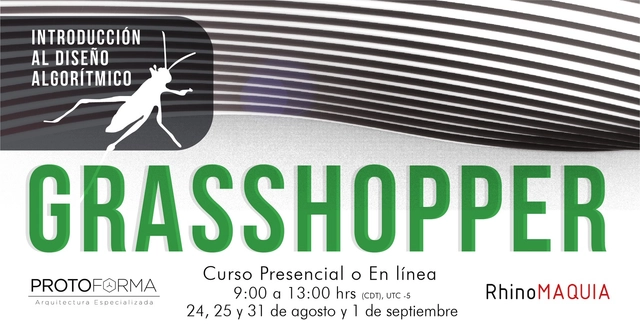
This lighting course is designed for architects, designers, and anyone interested in understanding how to integrate light as a language to enhance their projects and improve their design processes.
50 years ago, on July 20, 1969, Neil Armstrong became the first man to step on the moon. Upon landing, the first words that he quoted were “That's one small step for man, one giant leap for mankind.” True to his words, the world has never seen back since and new dimensions of space explorations were open following that day. Every space mission has always inspired humanity to think beyond and, this marvelous feat has been the pinnacle of those.
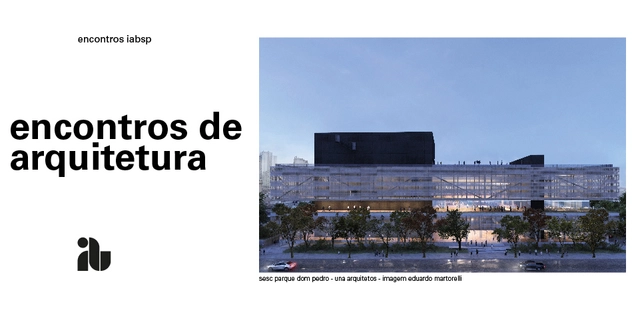
August is approaching, and with it, our "Architecture Meetings" return.
For those unfamiliar, the idea behind these meetings is to discuss contemporary Brazilian architectural production, organized by theme. The conversation will feature professionals active in the field of architecture and will be moderated by an external guest or a member of the group formed by IABsp to curate this activity.
The 2nd International Seminar brings together leading experts from Brazil and around the world to discuss the challenges related to the adoption of BIM, the most significant technological revolution in architecture and engineering in recent decades. This edition highlights topics such as object libraries, standardization, software market normalization, Industry 4.0, and facilities management. The adoption of BIM by public sector clients will be discussed in a lecture by Israeli expert Rafael Sacks (co-author of the BIM Handbook) and through case study presentations of infrastructure projects utilizing information modeling.
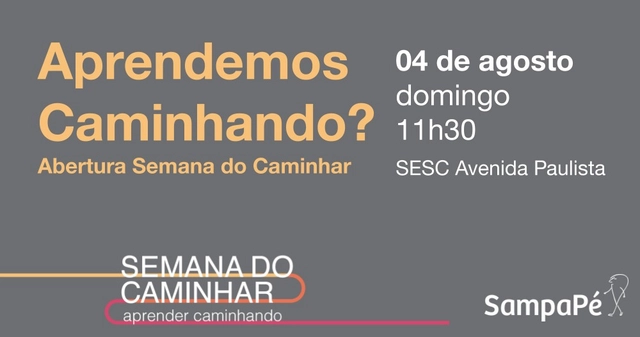
Walking is the most common mode of transportation, and it is also the one that best allows people to pay attention to their surroundings. For this reason, at the opening of Walking Week 2019, the NGO SampaPé! is hosting discussions based on the question, "Do we learn by walking?"
Banner for the 2nd National Congress for the Safeguarding of Cultural Heritage, by authors Mateus Rosada and Robison Yonegura
The production of built spaces in the past and the accumulation of values and meanings attributed by humanity over time allow for the recognition of our society's history and provide the opportunity to identify ourselves as individuals belonging to our contemporary community.
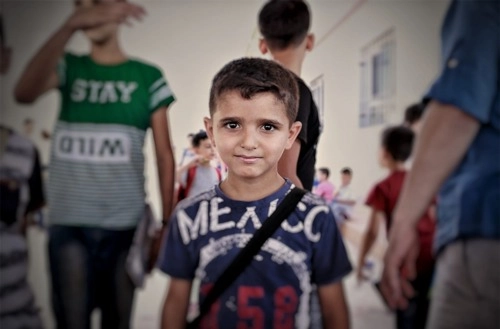
A student in Reyhanlı. Photographer: Kiyarash Borna
Introduction
In 2019, the 2nd edition of Building 4Humanity Design Competition (B4H-DC) aims to address the notion of having architecture as a social and cultural facility, by seeking design ideas that would contribute towards the social inclusion and integration of Syrian war refugees in the Turkish border city of Reyhanlı. The competition has two separate categories: it welcomes submissions from students and recent graduates, as well as experienced professionals.
Description via Amazon. To build a home is perhaps the most primal form of architecture. A place of complete particularity to human existence, houses both influence and incubate individuality. A house situates the fragile territory between container and creator, “the house shelters day-dreaming, the house protects the dreamer, the house allows one to dream in peace” (Bachelard). This selection of 20 houses by Patrick Tighe shows a diverse spectrum of work, all tied by a shared occupation of the west coast. His work highlights the dramatic variance that can exist within residential architecture, how each project has been approached organically and intuitively but held by the familiar siting among the “smoke and goldenness of the late afternoon of time” (Kerouac, Out/West).
Through the theoretical lenses of dress studies, gender, science, and visual studies, this volume analyses the impact John Ruskin has had on architecture throughout the nineteenth and twentieth centuries. It explores Ruskin’s different ideologies, such as the adorned wall veil, which were instrumental in bringing focus to structures that were previously unconsidered.
Description via Amazon. This book is a reproduction of thousands of graphic images from a single sketchbook, drawn over the course of 27 years. As a way to challenge the approach of drawing what is in front of the artist, these freehand drawings are a collection of images from imagination and memory.What started as an exercise to break out of a design block, these images began on a single sheet and then became a visual journey and exploration of landscapes, everyday items, architecture, abstracts, and compositions.Like the original sketchbook, Random Imaginations is a visual catalog of countless subjects and visions, to be used as discovery, inspiration, or just casual viewing.The idea was to publish a reproduction of a sketchbook of drawings that can be used as a visual resource and inspiration―a companion book rather than being a "how to" or instructional book. It is like a photo album of freehand drawn images and is meant to be an enjoyable book to have by your side..
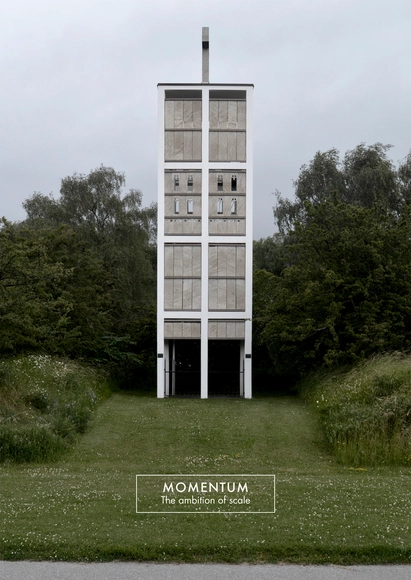
Malmö Eastern Cemetery, photograph by Alejandro Carrasco Hidalgo.
We live in a globalized world where, due to hyperconnectivity, information is stored and accumulated online without filter. But can there be something more behind an image than mere visual information? What distinguishes an image from a memory or a postcard? What can we convey through a graphic document? MOMENTUM emerges as a response to an atmosphere in which the image is reduced to a swift, ethereal tool that transmits superficial information. Conceived as a reaction to the incredible amount of unfiltered input and imagery we access online with a single click, it proposes opening a new dialogue and returning, for a moment, to carefully chosen personal references that allow for the illustration of an opinion on a specific subject, uncovering new conversations, viewpoints, or ways of thinking.