Description via Amazon. Give Me Shelter documents the work of the MADWORKSHOP Homeless Studio at the USC School of Architecture and their solutions for tackling the Los Angeles homeless crisis through design, compassion, and humanity. The book features exclusive content from leaders in the field including Michael Maltzan, Ted Hayes, Betty Chinn, Gregory Kloehn, Skid Row Housing Trust, and many more.
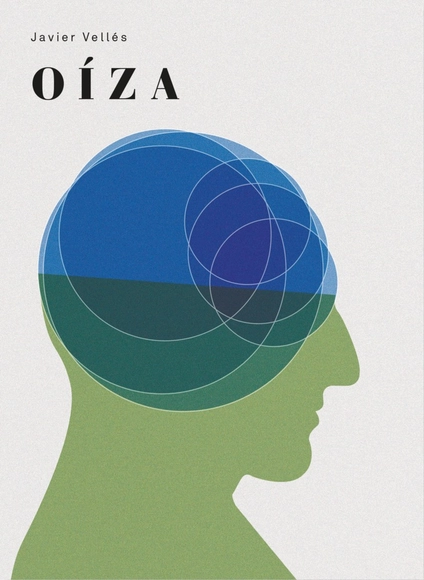
Francisco Javier Sáenz de Oíza (1918–2000) was one of the most significant Spanish architects of the second half of the 20th century. He built such important works as the Aránzazu Basilica, the Banco de Bilbao and Torres Blancas buildings in Madrid, and the Palacio de Festivales in Santander.
The launch of the first ARQ DOCS of 2019 will take place on August 27, featuring Alejandro Crispiani, an architect from the National University of La Plata (Argentina), 1984, and a Doctor of Human and Social Sciences from the National University of Quilmes (Argentina), 2009. The event will feature commentary from architects Pía Montealegre and Teodoro Fernández.
Last March, at the Franz Mayer Museum in Mexico City, a designer and three architects from Mexico, Italy, and Chile discussed marketing in architecture during MEXTROPOLI 2019, Latin America's largest architecture and urbanism festival.
The Seminar on the Design of Resilient Water Territories will take place on August 23, organized by the Architecture program in collaboration with the Master of Architecture, City, and Landscape program at the Universidad del Desarrollo.
Anáhuac University invites architect Francisco González Pulido to give a lecture at the North Campus graduate auditorium on his professional career and his work around the world. The event will take place on August 21 at 1:00 PM.
DERIVAS proposes, through the lens of a place's everyday life and the serendipity of tourism, to understand and construct new and alternative ways of living and thinking about urban life.
Description via Amazon. Designers from Denmark, Sweden, Finland, Norway, and Iceland have long pursued the shared goal of social equality through design, believing that well-designed everyday goods not only enhance daily life, but should also be the birthright of all. Modern Scandinavian Design is the ultimate guide to the distinctive design tradition arising out of these five Nordic countries since 1925. Bestselling design authors Charlotte and Peter Fiell have extensively researched all aspects of the aesthetic, along with contributions from Magnus Englund of Skandium. With sections on architecture, furniture, lighting, glass, ceramics, metalwork, woodenware, plastics, textiles, jewelry, and graphic design, this will be an indispensable resource for any design enthusiast, collector, or casual reader seeking inspiration for their home.
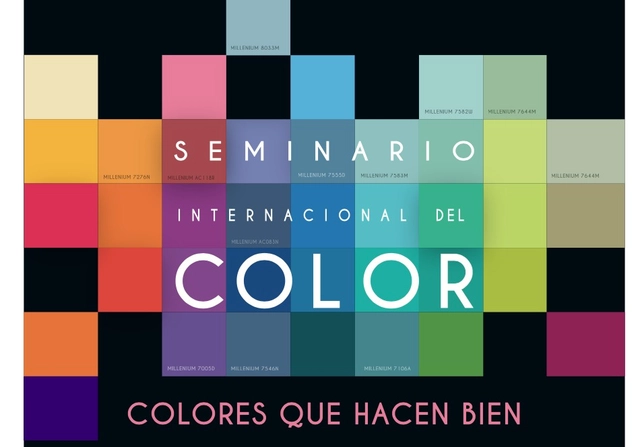
Architects, designers, decorators, and anyone interested in learning more about the impact of color will gather this Wednesday, September 4, at the Hotel Santiago (formerly Hyatt) for the "Colors That Do Good" International Seminar, organized by Ceresita and the Universidad del Desarrollo (Faculty of Architecture). The experience of color as a tool for transforming spaces and people will be one of the topics addressed at the event, featuring insights from prominent professionals such as Pablo Allard, Dean of the Faculty of Architecture and Art at UDD, and American author and speaker Fawn Chang, a specialist in "color and emotions" and Feng Shui.
This book is the first volume of a 5-book collection to be produced by 2023 about architect Gustavo Penna.
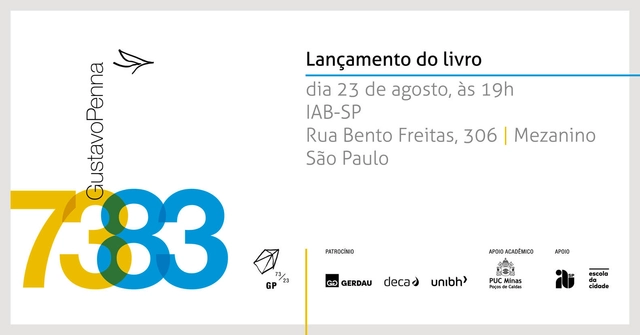
On August 23 at 7:00 PM, at IAB SP, the project Gustavo Penna 73/23 – 50 Years of Architecture, Design, and Word will launch the first volume of a five-book collection to be produced through 2023. Titled Gustavo Penna 73/83, the book covers the architect’s first decade of work, including their mentors, professional colleagues, and the early years of the firm, assembling a vast chronological puzzle.
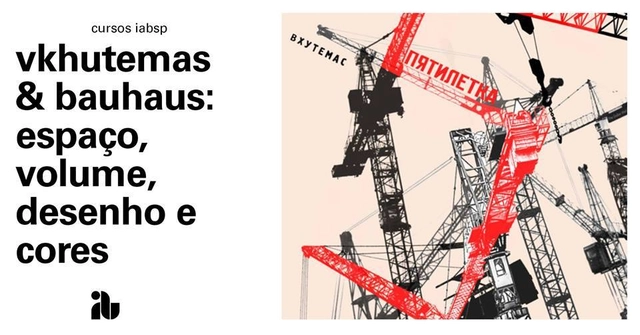
VKHUTEMAS & BAUHAUS: SPACE, VOLUME, DRAWING, AND COLOR
The workshop focuses on executing numerous foundational exercises proposed by masters from the Soviet "Vkhutemas" school and the German "Bauhaus." These exercises, which were part of introductory curricula, involve sensory experiments regarding volume, space, form, and color theory, featuring masters such as Nikolai Ladovsky, László Moholy-Nagy, Lyubov Popova, Lyudmila Mayakovskaya, Johannes Itten, among others. Each session will feature two masters and their respective foundational experimental proposals.
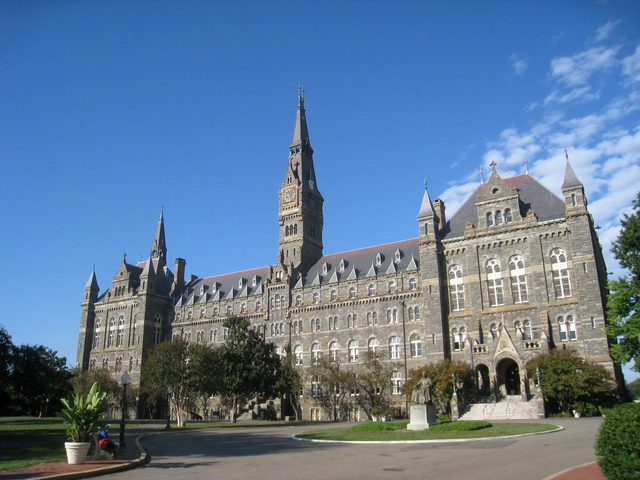
Georgetown University, Washington D.C. Image via Wikimedia Commons: User Daderot, Licensed Under Public Domain
As a unique opportunity, the School of Design at Universidad Adolfo Ibáñez is offering its alumni and current postgraduate students the first edition of an executive program on Design and Innovation at Georgetown University in Washington, D.C. (United States).
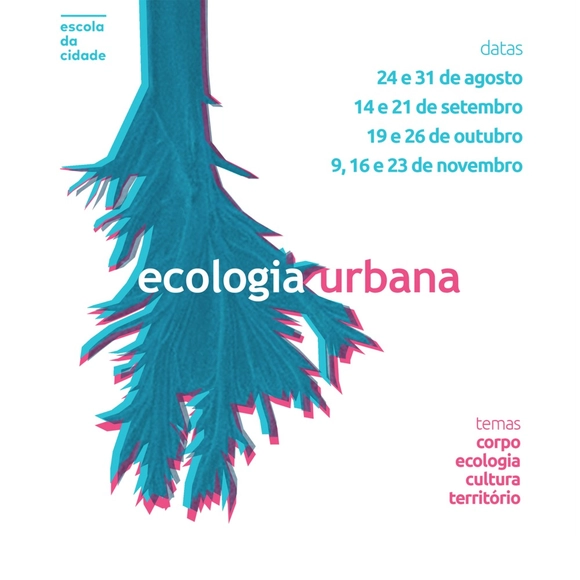
How can we cultivate a holistic, complex, and systemic perspective on what we call home? How can we produce new ways of valuing and recognizing non-hegemonic cultures? What are the pathologies of the systems we are taught to believe in, and how can we create new forms of perception and action that recognize the interconnectedness of life’s production and organizational systems?
Comprehensive City Workshop - A new vision of the metropolis. Image: Davidson Luna.
On August 26 and 27, the second workshop of the project will take place, themed: “Comprehensive City – A New Vision of the Metropolis.” The proposal is to reflect on the issues surrounding large metropolises in the 21st century, focusing primarily on the perspective of people, the connections created between them and the city, and, above all, how architects, as professionals, can act as mediators in the challenges of the contemporary city.
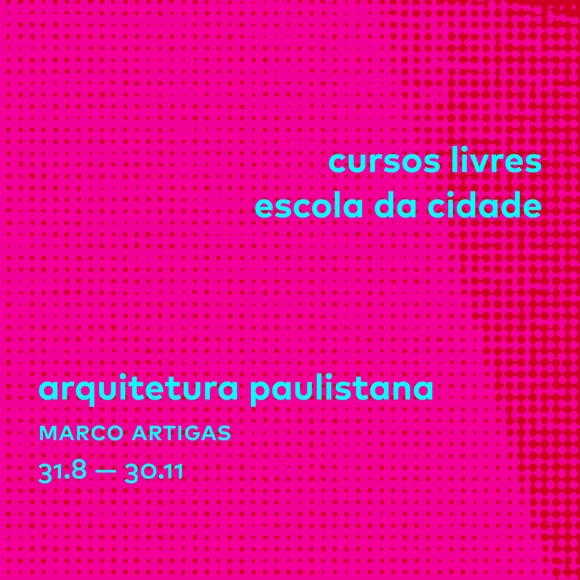
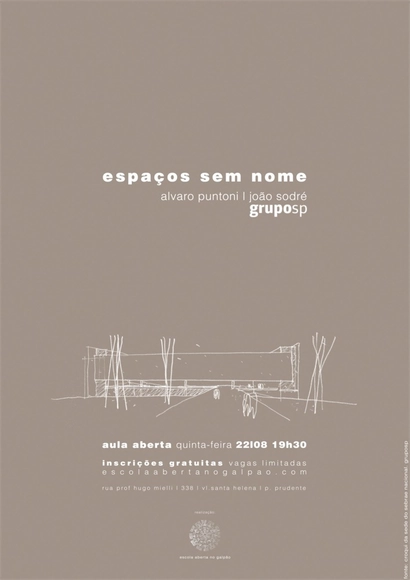
The course is structured around visits to contemporary architectural works in São Paulo, always in the company of the architect who developed the project. A public inaugural class will be held to present the course and explain the logistics of the visits. The selection of sites to be visited is based on the following criteria: location, scale, author, and use. Each visit includes discussions on topics such as the practical realities of architectural practice, education, new technologies, work processes, and the project's relationship with the city.