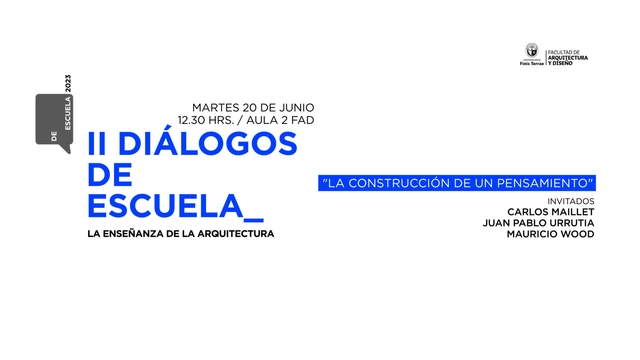
The School of Architecture at Universidad Finis Terrae is organizing the series "School Dialogues: Teaching Architecture," which brings together academics from various architecture schools across Chile to discuss and exchange contemporary perspectives and ideas regarding the teaching of the discipline.
The Growarq Week is an event dedicated to architects, engineers, designers, and students looking to revolutionize their design process through a methodology that combines two software programs: Revit and Lumion. The event will take place entirely online from July 10th to July 13th, starting at 7:00 PM each day.
Theater is composed of multiple elements that help convey a desired concept. One of these is set design, which integrates various objects and techniques to build an atmosphere aligned with the narrative universe. In an interview with Erika Malo, Mexican set designer Jorge Ballina notes that the setting is not just a visual resource for the audience, but also helps actors step into their characters' shoes to effectively convey the intended message.
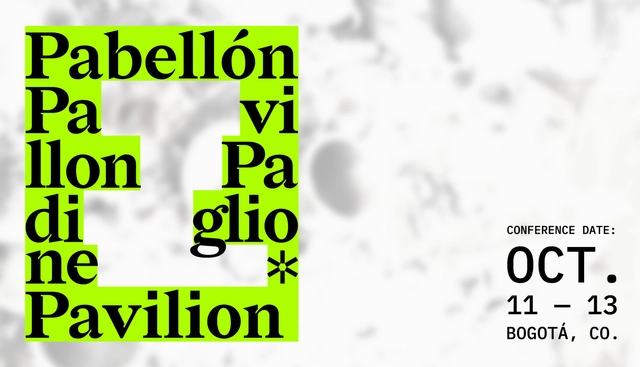
ARQDIS Pavilion 2023 is an international conference (October 11–13) in Bogotá, Colombia, that will explore cutting-edge projects and research across the creative disciplines.
Under the theme "Unknown Unknowns. An introduction to mysteries," the curator of the recent XXIII Triennale di Milano in 2022, Ersilia Vaudo —an astrophysicist and director of the Office of Diversity at the European Space Agency (ESA)— asked artists, architects, and scientists to propose projects that address what we do not know, or what we are unaware that we do not know.
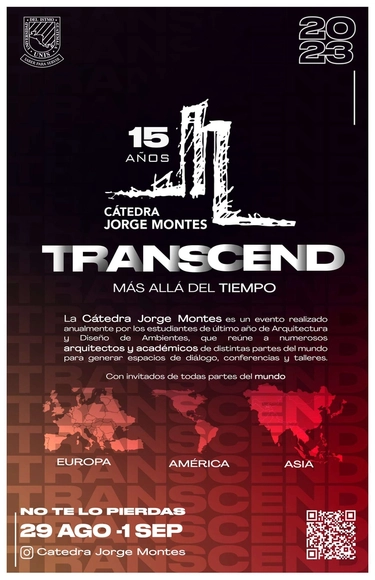
"Transcend, Beyond Time" is an international event hosted by the Jorge Montes Chair, aimed at exploring and reflecting on the technological advancements and design trends that have shaped the trajectory of architecture both nationally and internationally. The chair is named in honor of the architect who pioneered modern architecture in Guatemala.
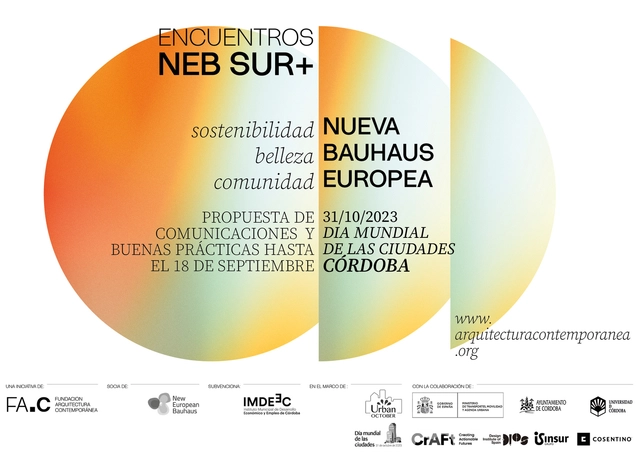
How can we foster more beautiful, sustainable, and inclusive processes and environments? What should be the vocation of Mediterranean cities in relation to the principles of the New European Bauhaus? What are the challenges and opportunities for an NEB center in Southern Europe?
“Rodrigo de Castro: Between Forms and Colors” For the first time, the artist presents steel sculptures with automotive paint, alongside recent canvases, at Galeria Patrícia Costa, curated by Vanda Klabin
São Paulo, 2023 – On July 25, from 4:00 PM to 6:00 PM, the Arq.Futuro Cities Laboratory at Insper will host the debate "Implementing Early Childhood Programs and Social Urbanism: Success Stories."
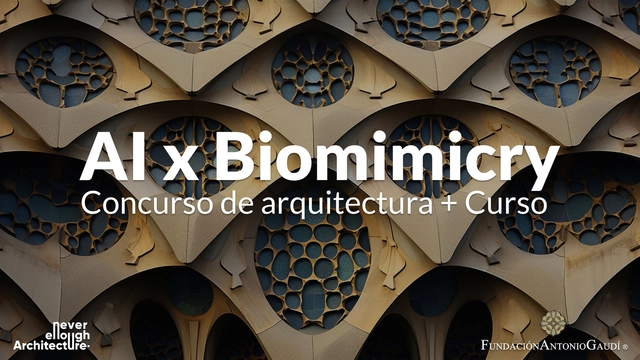
Never Enough Architecture (NEA) has launched a new initiative that bridges the gap between architectural competitions and professional development. This proposal combines traditional competitions with free courses taught by industry experts, providing participants with a comprehensive learning experience regarding the competition themes.
Never Enough Architecture (NEA) is launching a new initiative that bridges education and competitions. The initiative combines traditional architecture competitions with free courses led by experts, offering participants a comprehensive understanding of the competition's core themes.
The Colombian Society of Architects, aiming to strengthen the promotion of sustainable architecture in Colombia and with the mission of consolidating this effort through concrete incentives, is calling for project submissions for the "III Award for Excellence in Sustainable Architecture – Vidrio Andino."
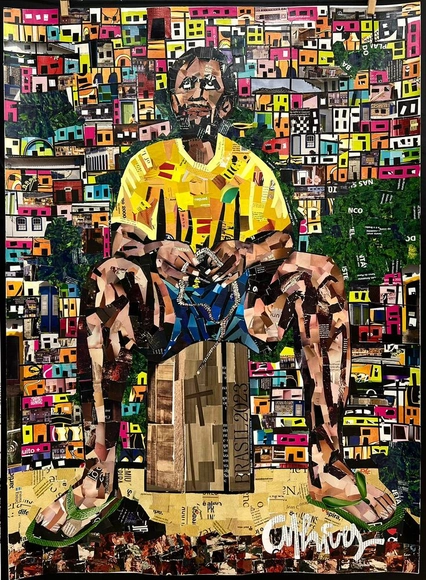
Anderson Thives shows no signs of slowing down. Continuing his focus on mobility and innovation, his Galeria Provisória is relocating within the same neighborhood in Ipanema. He will soon debut his works in a new conceptual space that integrates health, beauty, and art. This is the first of many cultural projects that Thives intends to launch alongside new partners, with the goal of democratizing art and culture for diverse audiences. Before closing the current location, he is hosting a series of events through August 6. This Saturday, July 29, will feature a preview of the new exhibition "Favela," showcasing pieces named after communities such as Rocinha, Vidigal, and Complexo do Alemão. The series depicts the diversity of characters within these local communities and is also scheduled to launch later this year in London, where Thives will occupy a three-story building in the trendy neighborhood of Hackney.
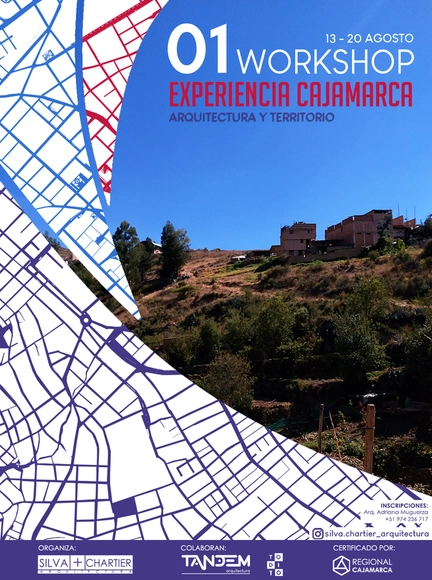
A project by Silva + Chartier Arquitectura, led by architects Herbert Silva Diaz and Adriana Muguerza Zárate, which seeks to reinforce, generate, and exchange knowledge and perspectives among professionals, students, and the community. This participatory workshop is an interdisciplinary, proactive effort aimed at fostering critical and reflective thinking regarding territorial issues.
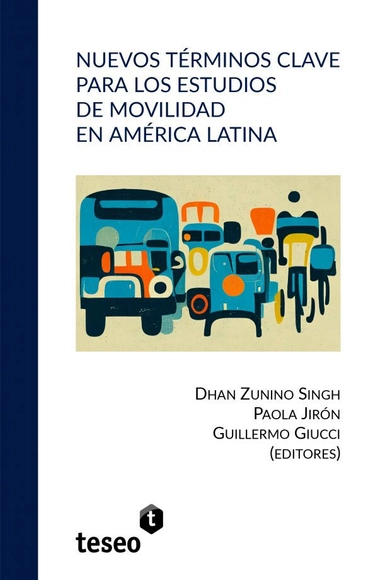
Is waiting part of mobility? What happens when we cycle or run through the city? What is digital mobile work? Are food items a component of human mobility? These are some of the questions addressed in the book "New Key Terms for Mobility Studies in Latin America," edited by Paola Jirón, Dhan Zunino, and Guillermo Giucci, and published by Teseo Editorial.
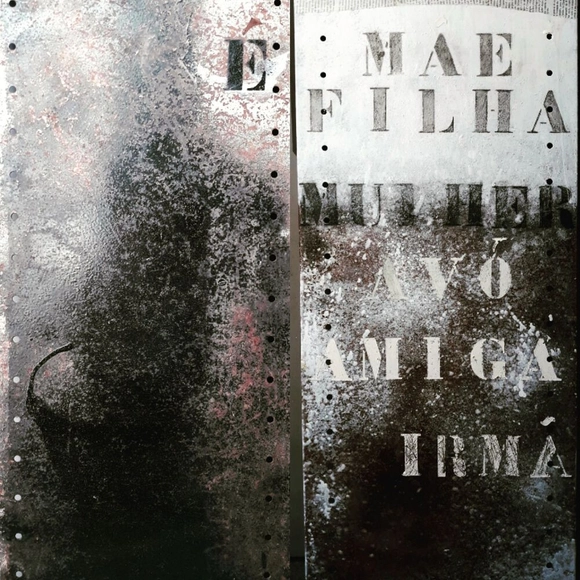
Many years ago, when living in Rio was nothing more than a dream, Susi Sielski Cantarino (an Argentine who is more "Carioca" than many born and raised in the city) discovered what she described as a "charming corner in Santa Teresa," then known as the Hotel dos Descasados. Four decades later, Sielski Cantarino returns to the space—now renovated and renamed Hotel Santa Teresa MGallery—not as a visitor, but as a guest artist. Her solo exhibition, "Connections," is open to the public through the end of September. Occupying the hotel lobby, the show stimulates and stirs the viewer's senses, and the pieces on display are available for purchase. Using diverse materials, including earth, bamboo, and even Swarovski crystals, the artist produces works ranging from leaves with transparent inscriptions to sculptures nearly two meters tall. Industrial steel shelves are transformed into objects of desire that honor the "Objet trouvé." Childhood linens, delicately worked with lace and pins, feature the face of the poet Virgínia Victorino, who, as a woman and a homosexual, was largely rejected by the hermetic Portuguese society of her time. All the works presented are the result of the artist's hundreds of experiences. SHALOSH (number 3 in Hebrew), for example, from 2008, was created three years after she won second prize at the Florence Biennale.