
Part of the CAC’s “What’s Next” series • Bringing people, ideas, goods and services together are hallmarks of urban life. So how are places designed with that in mind adapting to the challenges—both immediate and prolonged—of the current pandemic?
Part of the CAC’s “What’s Next” series • Bringing people, ideas, goods and services together are hallmarks of urban life. So how are places designed with that in mind adapting to the challenges—both immediate and prolonged—of the current pandemic?
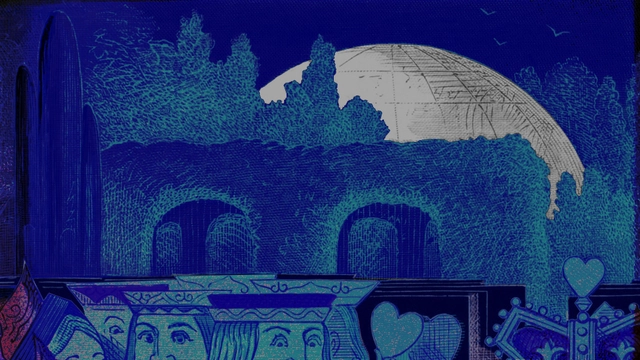
“Curiouser and curiouser,” exclaims Alice, as she arrives in Lewis Carroll’s surreal world of the nonsensical, the absurd, and the beautiful. This year, in 2020, from August-October, The Night Gallery will screen three works in three locations in Chicago’s south and west sides: North Lawndale, Hyde Park, and Bridgeport. We are seeking film, video, animation and other works to be exhibited on the topic of Wonderland. Wonderland seeks works which re-imagine existing cultural, sociological, or personal environments through the lens of wonder—foregrounding the mystical, the weird, and the divine. Projects may, for example, reframe systemically racist narratives of “urban blight” in favor of the complex ecologies of city dreams. In a world where oppressive systems seek to produce a single hegemonic reality which foreclose on alternate futures, Wonderland features works by architects, designers, filmmakers, and other creatives which use cinematic techniques to elude monolithic understandings of the world we live in.

An international two-round landscape, urban, and architectural design competition "Lake Milada" was announced, seeking multidisciplinary teams to design a concept plan for the area of a formal lignite mine near the North Bohemian city of Ústí nad Labem in the Czech Republic.

The new owners of the historic Excelsior Club today announced they are seeking distinguished Black architects from around the nation to participate in the redevelopment and revival of the Club, a longtime epicenter of African-American politics and culture in North Carolina.
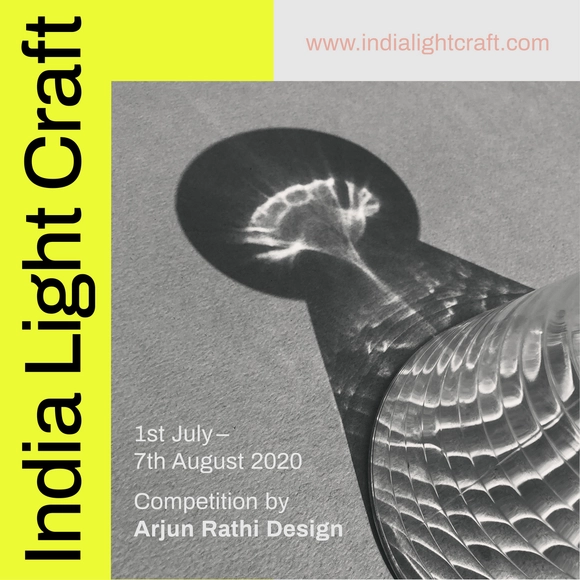
Renowned architect and lighting designer Arjun Rathi recently announced India Light Craft – an open lighting design competition that encourages the use of non-traditional materials and sustainability exploring modern design sensibilities. The competition aims to create an independent luminaire which blends form & function - exploring the fine line between technical & decorative lighting to create a ‘techno-decorative’ luminaire.

As students dedicated to exploring the relationship between people and the places they inhabit, we were profoundly impacted by the shift to staying at home which the COVID-19 pandemic necessitated. This shift has forced us to contemplate now more than ever, how we use the spaces we call home, and how we adapt, and adapt to, these spaces under unique circumstances.

A lot of people view it as a tradition to visit the graduation show at the Aarhus School of Architecture and experience the many beautiful and inspiring projects made by the new architects.
The objective of this design competition is for participants to develop a planning and design proposal for the "Metropolitan Forest" in Madrid, incorporating connectors, facilities, and intervention zones to bring this project to fruition.
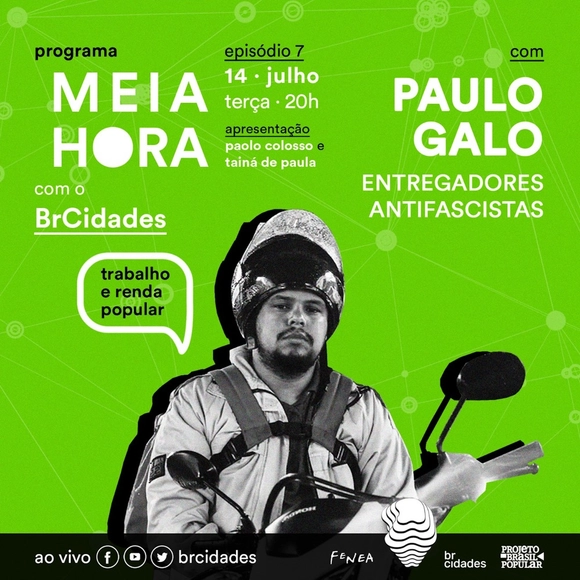
Tuesday, July 14, at 8:00 PM: Paulo Galo is the guest on the next episode of Meia Hora com o BrCidades. Galo leads the movement advocating for better working conditions for app-based delivery workers, who have been among those most exposed to contagion risks during the pandemic. The discussion will be moderated by Paolo Colosso and Tainá de Paula. The program will be broadcast live and simultaneously on BrCidades' Facebook, YouTube, and Twitter channels. Click the link, set a reminder, and join BrCidades: https://www.youtube.com/watch?v=Lu653hXjTKs

On July 16 at 7:00 PM, IABsp will host a live stream (broadcast via IABsp’s Facebook and YouTube channels) featuring Vicente Wissenbach (editor of Jornal Arquiteto), Taiana Car Vidotto (professor at FACENS and researcher at UNICAMP), and Rafael Mielnik (IABsp Board of Directors) to discuss the history of Jornal Arquiteto and present the digitization and online release of this significant content from the IABsp archives.
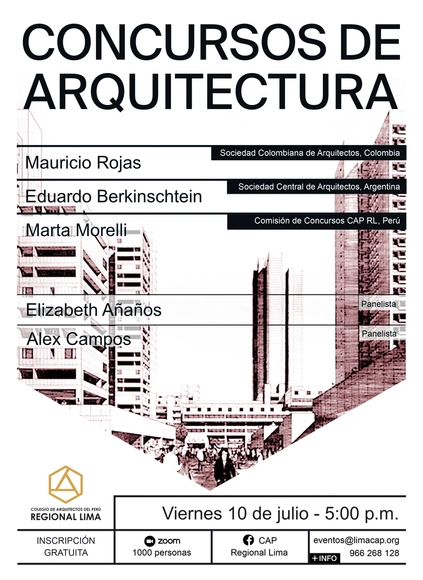
For this edition, CAP Regional Lima is hosting the 11th "Architecture Competitions" discussion, featuring Mauricio Rojas, Eduardo Berkinschtein, Marta Morelli, and panelists Elizabeth Añaños and Alex Campos.
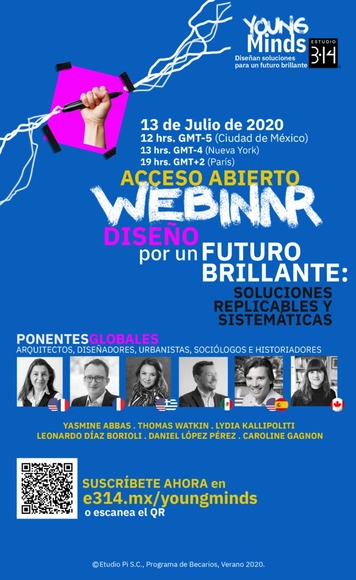
YOUNG MINDS:
Designing Solutions for a Brilliant World.

Join us on Monday, July 13, at 8:00 PM for a talk with Felipe Carrasco, architect at GMMC Australia and Director of the SouthAmerican Masterclass - COMA. Presented by: Nicolas Valencia | Editorial & Data Manager | ArchDaily
Digital fabrication is a manufacturing process that uses a machine controlled by computers. This method has sparked the interest of architects and product designers, as it opens the door to new possibilities in terms of solving complex processes and new approaches for mass construction.
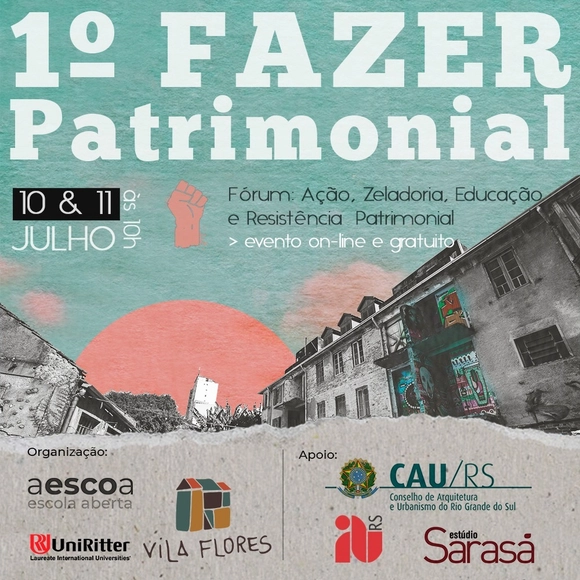
How can architecture and urbanism be considered in conjunction with cultural production and collective memory? The FAZER Patrimonial—Forum for Action, Stewardship, Education, and Heritage Resistance—was established to facilitate the exchange of knowledge regarding this powerful relationship.

Since the onset of the COVID-19 pandemic, urban mobility has undergone profound changes, and the bicycle has emerged as a sustainable option capable of meeting social distancing requirements. The implementation of temporary bike lanes on major corridors, such as arterial and collector roads, highlights the importance of cycling for daily commutes.

This talk with designer Tom Lloyd of Pearson Lloyd and architect Louise Grassov of Schulze+Grassov, will look at the how urban design and architecture affect the way we live and move around our cities. With a presentation by both and an opportunity for questions, this talk will delve into how these two practitioners’ feel that lockdown and Covid 19 will influence the way they view their practice.

The Vietnam Ricefield Lodge competition presents a space where the relationship between nature and humans can be experienced. The project must highlight the uniqueness of the location and that it becomes a space where, on the one hand, a Vietnamese family can continue with their daily life and on the other hand a tourist is able to know and understand their culture. This last point is important since tourists from Europe or America arrive constantly interested in immersing themselves fully in Asian culture and there is no better way to do so than living, cooking or working with them.