
“Diálogos Aislados” is organized by the School of Architecture at Universidad Finis Terrae. This Wednesday, October 5, the event will feature Ecuadorian architect David Barragán and Chilean biologist Bárbara Saavedra as guests.
“Diálogos Aislados” is organized by the School of Architecture at Universidad Finis Terrae. This Wednesday, October 5, the event will feature Ecuadorian architect David Barragán and Chilean biologist Bárbara Saavedra as guests.
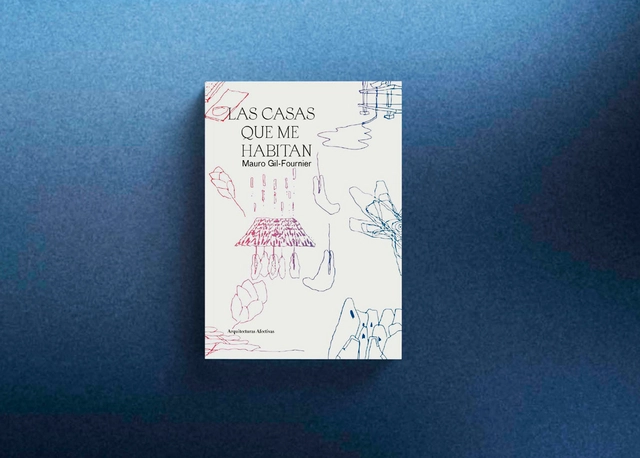
We think we inhabit our houses, our squares, and our cities, yet we only truly inhabit our ordinary practices. The houses presented here are the affections that inhabit us in our day-to-day lives.
The Net-Zero Building International Digital Course (CDI) is aimed at architecture and engineering professionals throughout Latin America. It is free of charge and, thanks to its asynchronous digital format, offers significant flexibility to participants.

A course shaped by journeys. The city is a space for constructing knowledge, and walking serves as the tool for a critical analysis of its conditions of existence. Cultural heritage is, above all, how we live, socialize, navigate, and think over time; it is about how we engage with what exists and what we produce for the future. Through four routes across different neighborhoods in São Paulo, the classes seek to deepen the analysis of the city through the lens of cultural heritage and explore the development of routes as a tool for inquiry. Cultural references, urban heritage, daily uses, the obsolete, politics, and the fetishization of cultural heritage will be the guiding themes of the activities.

The 4th Art, City, and Urbanities Meeting proposes a dialogue with the concepts of "borders" and "confluences" to foster reflection on the current urgencies and emergencies of art within urban space and the context of the geopolitical dynamics involving Brazil's North and Northeast regions. In doing so, we ask: what can we learn about urban contexts when we bring such diverse regions together? We know that, despite their diversity, cities face similar challenges. Political, economic, and environmental divisions increasingly reinforce separations, privileges, and dynamics of marginalization. Such conditions delineate and reinforce borders beyond the geographical, affecting the quality of life for humans and more-than-humans, as well as prospects for a collective future.
The Saint-Gobain Group, a global leader in construction solutions, and the Brazilian Association of Architectural Offices (AsBEA) will host the 9th edition of the Saint-Gobain AsBEA Architecture Award on October 25 at 7:30 PM. The awards ceremony, which will be broadcast online, aims to recognize innovative architectural projects that combine comfort and sustainability, encouraging clean technologies and processes that prioritize the environment.

Rethinking Ergonomics: From Building to Urban Space presents theoretical and practical aspects in harmony within the built environment and their importance in architectural projects.

- Learn about the career path of architect Natan Bueno and discover how they grew their presence on social media
- How to showcase your work and identity through Instagram
- Best practices for attracting clients through social media
- How to balance social media with your office routine
- Success tips for growing your architecture and design firm
BIM technology, now a mandatory requirement for engineering services within federal public administration agencies and entities, has become a reality in Brazilian universities and firms.
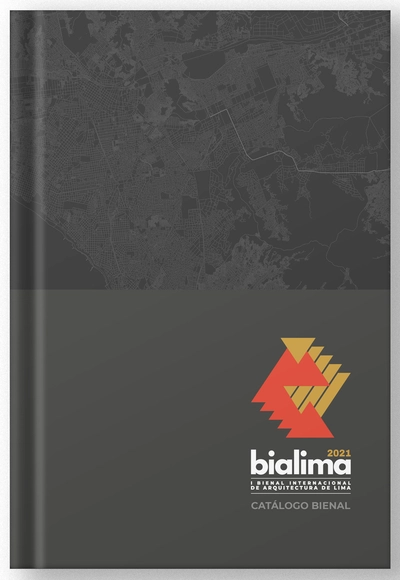
After months of rigorous compilation and editing, the BIALIMA 2021 CATALOG is now a reality. Spanning 437 pages, it documents the inaugural International Architecture Biennial of Lima (BIALIMA 2021)—an event supported by the Ministry of Housing, Construction, and Sanitation and the Bicentennial Project, and officially recognized as the Bicentennial Architecture Biennial.
Featuring exercises in every chapter, this book introduces the ISO 19650 standard, recently implemented in the country, and contributes to industry discussions both conceptually and practically. Furthermore, it offers a variety of supplementary materials, such as:
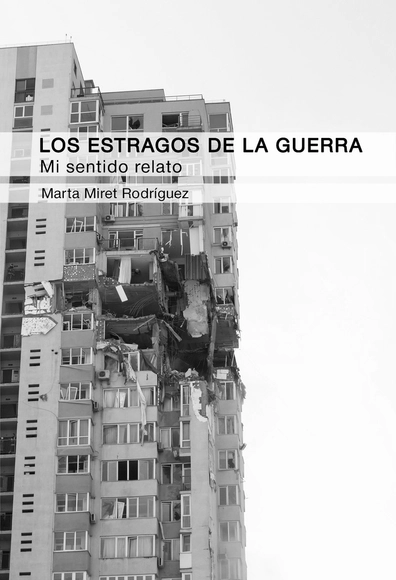
“The Ravages of War: My Heartfelt Account” is the new book by architect Marta Miret Rodríguez. It is an account written with the emotions stirred by the war in Ukraine—a country she knows well. Through her professional work as an architect, she lived there and experienced a profound humanistic and architectural connection. This experience enabled her to put her feelings into words, conveying the impact of this harrowing war and what it has awakened within her.
This book compiles reflections from four academics from various national universities on the city, urbanism, public space, mobility, and transportation. It is the product of "Conversations by the Wayside," a series of interviews developed by Corporación Pedaleable in collaboration with Ediciones de Arquitectura in response to the global COVID-19 pandemic. Currently, literature on sustainable mobility and urban planning from everyday, interdisciplinary perspectives remains scarce and under-disseminated. This is what motivated us to reach out to various stakeholders in academia, public policy, and urban practice to discuss and exchange ideas regarding the issues surrounding these concepts.

- Financial management demystified: learn the core concepts
- Discover the benefits of effective financial control
- Practical tips for managing your business's financial health
- How the Vobi financial management module works
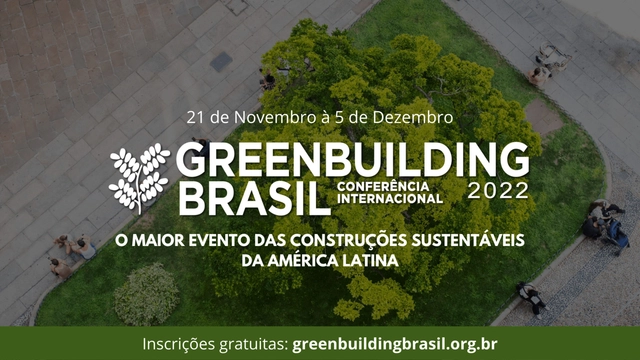
The Green Building Brasil International Conference is now open for free registration. Starting on the 21st, the event will feature dozens of sessions available to all participants.

- introduction -
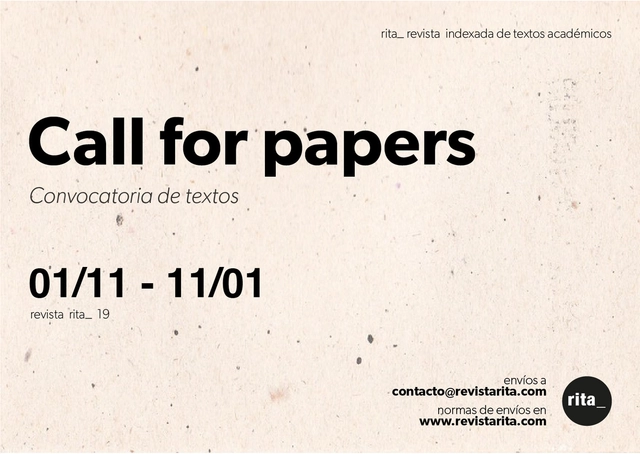
rita_ magazine is now accepting academic paper submissions for its upcoming 19th issue. The call is open to faculty, graduate students, and professionals with a master's or doctoral degree, and submissions may be in either Spanish or Portuguese.
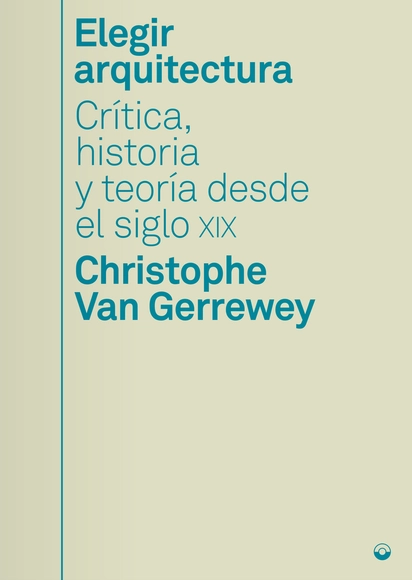
For centuries, architecture has been one of the most publicly discussed topics by architects and users or inhabitants, as well as by critics, theorists, historians, and writers. This book provides an overview of these discussions as they have unfolded in the Western world through four thematic paths: housing, society, history, and art.