Responsive Cities 2023 // Advanced Architecture Group
The Institute for Advanced Architecture of Catalonia (IAAC) and the Green Skills for Cities partnership are delighted to announce the Call for Papers for the biennial international symposium, Responsive Cities 2023, a global platform to experiment and rethink urban environments in response to today’s global challenges.
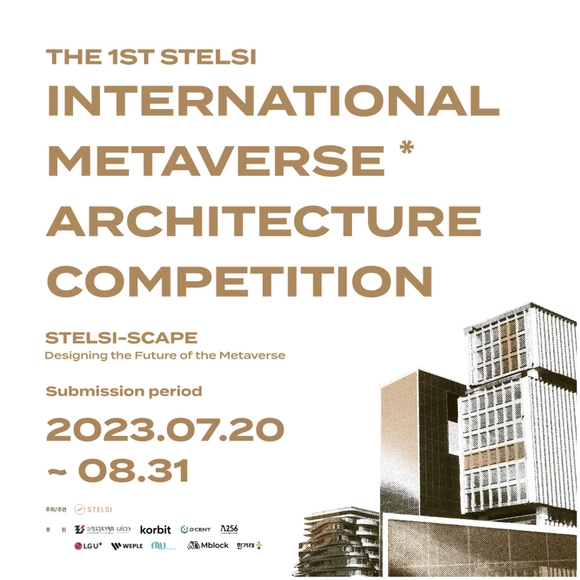
The 1st STELSI International Metaverse Architecture Competition Poster
In the era of the Metaverse Renaissance, characterized by the advancements of the Fourth Industrial Revolution and artificial intelligence technology, a new concept of empathy is required. STELSI recognizes the importance of architecture in representing people's identities within the metaverse.
The submission period for the curatorial competition for the International Union of Architects (UIA) World Congress of Architects in Barcelona 2026 opened on June 28.
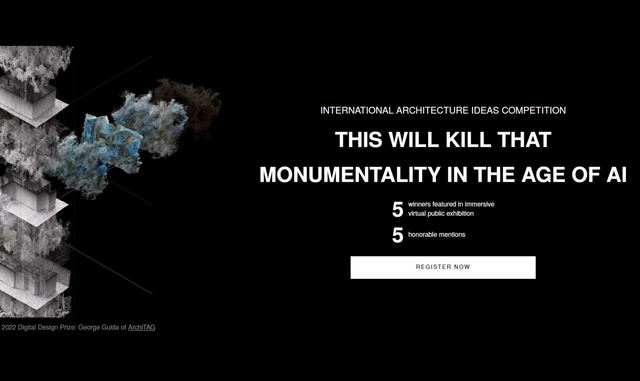
This Will Kill That: Monumentality in the Age of AI
Unbuilt is a membership community for motivated architects. Members gain access to a private digital community, educational content, and engage with challenging design competitions. All work is digital-native and designed for the virtual realm. Showcased work is experienced in immersive virtual exhibitions.
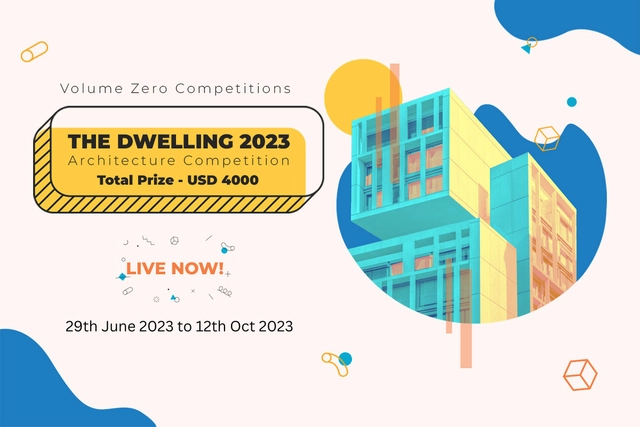
Volume Zero invites you to participate in The Dwelling 2023 Architecture Competition challenging the conventions of the present-day Archetype of an Urban Home and call for a sense of living based on community spirit.
Since the start of time, a HOME has continued to be an entity that is intimate to all living beings on the planet. A space that not only provides a physical shelter for humans and everything they hold dear but also shapes their daily lives. A home forms a distinct bond with its users and the environment that it sits in defining both personal and social interactions.
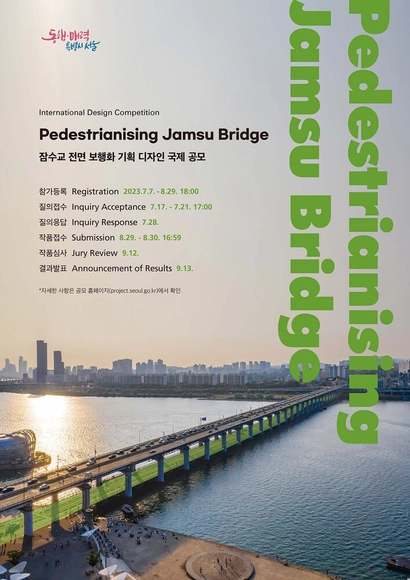
The Seoul Metropolitan Government (SMG) is thrilled to announce the launch of an international design competition aimed at discovering innovative designs and ideas from experts across various fields. The competition's goal is to create the first-ever pedestrian bridge on the Han River, specifically transforming the Jamsu submersible bridge beneath Banpo Bridge. This visionary project aims to establish a new civic leisure and cultural space, offering citizens an unprecedented experience of the iconic Han River.
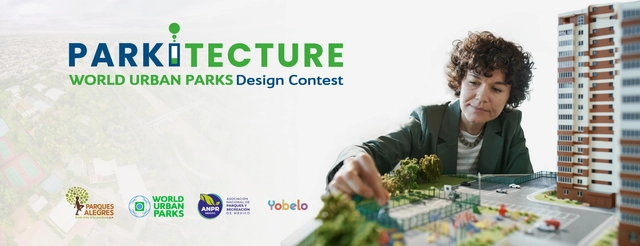
The contest is open to professionals and students from the disciplines of architecture, landscape architecture, design, and any related field, of legal age from every country in the world, and has two participation options:
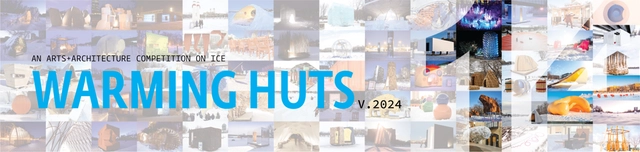
COMPETITION FORMAT: Warming Huts + Art Installation Three teams will be selected as winners of the WARMING HUTS COMPETITION: Arts + Architecture Competition on Ice from submissions of designs for a warming hut or art installation. Winning entries will be placed along the Nestaweya River Trail located on the Assiniboine and Red rivers in Winnipeg, Manitoba. A jury will select the winning designs based on their creativity in use of materials, providing shelter, poetics of assembly and form, integration with the landscape, and ease of construction.
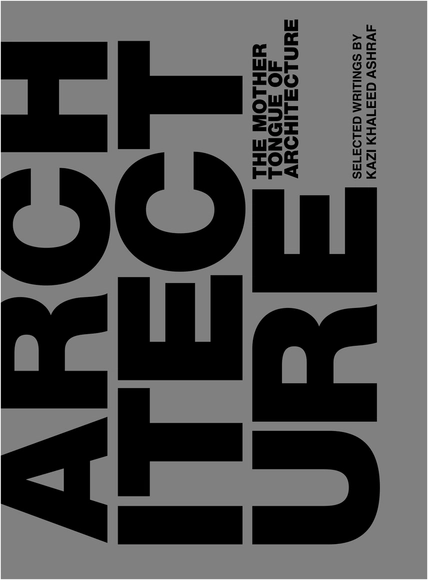
A collection of critical essays on abiding and compelling topics in architecture and the culture of architecture. Range of topics are diverse: an architectural phenomenology of water, relationship of architecture and landscape rethought, ancient Greece to India, the Buddha’s house to the modern house in India, the architecture and landscapes of Louis Kahn, Le Corbusier in India, the architecture of Balkrishna Doshi, and other original topics such as the destruction of buildings as a ritual necessity.
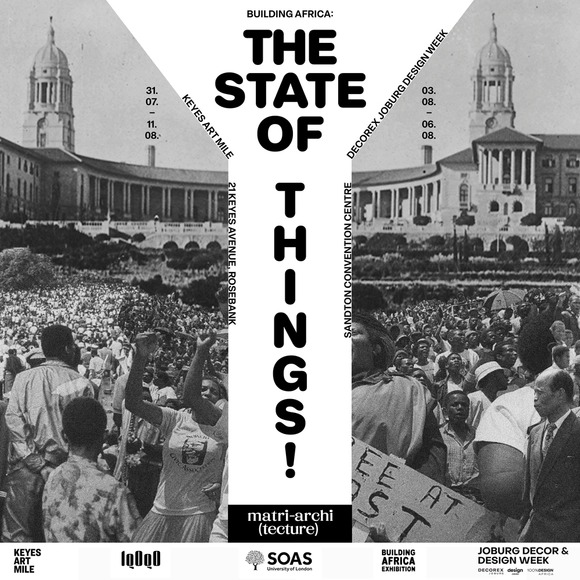
Matri-Archi(tecture) prepositions an exhibition in Johannesburg, titled ‘Building Africa: The State of Things!. The exhibition asks what it means to restore, preserve, foreground, call upon, remember and project former and future conditions of socio-political identity through the architecture of buildings that were once central figures in the political agenda of South Africa. The exhibition foregrounds research about the Constitutional Court and Union Buildings.
This Sunday, Mariana Bunn will speak with architect Thais Brand
In the next installment of the series "Accessibility from North to South: All the Voices of Brazil," Mariana Bunn (Architecture and Accessibility) will host a conversation this coming Sunday, July 15, with Blumenau-based architect Thais Brand.
“Rodrigo de Castro: Between Forms and Colors” For the first time, the artist presents steel sculptures with automotive paint, alongside recent canvases, at Galeria Patrícia Costa, curated by Vanda Klabin
Organized by the Arq.Futuro Cities Laboratory, the event, taking place on July 25, will present examples of architectural projects focused on social urbanism.
Discover the technological journey of Bacco Arquitetos Associados and learn about the firm's current working methodology, as well as the fundamental role that BIM and other digital tools play in their project development.
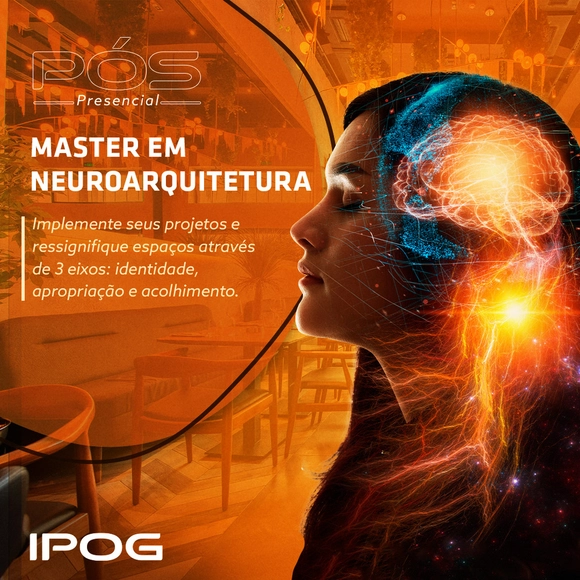
The Instituto de Pós-graduação e Graduação (IPOG) is pleased to announce that registration is now open for the Master in Neuroarchitecture specialization course in Belo Horizonte, a unique opportunity to explore the fascinating intersection of neuroscience and architecture.