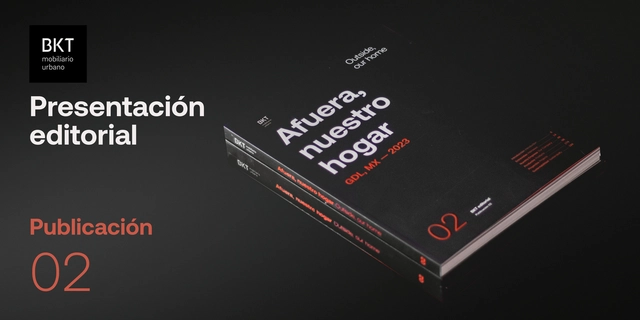
We are pleased to present our latest publication, an editorial piece created to connect with friends and colleagues and share our recent findings and developments in urban furniture.
We are pleased to present our latest publication, an editorial piece created to connect with friends and colleagues and share our recent findings and developments in urban furniture.

A critical reappraisal of one of the most popular architectural theories of the recent past on its fortieth anniversary.

The Peruvian capital is a city of paradox. The urban layout of its historic centre is the most perfect Cartesian grid in South America, yet mass migrations have generated large informal settlements. Its society lives in a permanent state of commercial frenzy, yet it has preserved the oldest traditions of the continent. And the best-known works of architecture are viceregal and republican, yet pre‑Columbian ruins are scattered across the city.
This guide contains over 160 works, covering the main styles of architecture in each period, as well as the urban processes that have underpinned the construction of such works, the economic activities that have made them possible and details of their public administration.
Until now, Lima has shown the world a gloomy, unattractive ambience. Writer Herman Melville described it as ‘the strangest, saddest city thou can’st see,’ poet César Moro as ‘Lima, the horrible’ and architect Héctor Velarde as ‘Lima, the grey.’ This guide offers a different picture: one of a vibrant, cheerful and insanely glorious city, inviting visitors and residents to see it in a new light.

Dallas-based architecture firm Droese Raney approaches each project with a generosity of spirit and sense of enthusiasm that encompasses not only client and design but also the physical, spiritual, and emotional well-being of the greater community. The result is a series of buildings and interiors that uses the principles of modern architecture to create comfortable, informal settings; attends to small details and to complex urban contents; highlights the contributions of artists and artisans; and above all tells a story of a specific time and place.

From December 1st to 10th, São Paulo will be the epicenter of creativity and innovation with the "Moda Tech" project, taking place at Galeria Pivô. This innovative project will provide an immersive experience for enthusiasts of fashion, art, design, and technology.
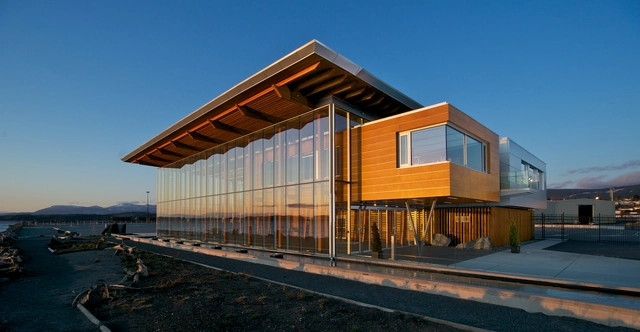
Design confidence is crucial to the team at Checkwitch Poiron Architects. If they can be confident in their design, then it becomes much easier to advocate for it with clients. The team builds that confidence with flexible software and cultural awareness.

ARTIVIST MUNDANO OPENS IMMERSIVE EXHIBITION "MUNDANE WASTE"
The use of pigments derived from environmental crimes, paper made from cigarette butts, and the repurposing of discarded materials invite reflection on the current climate emergency.
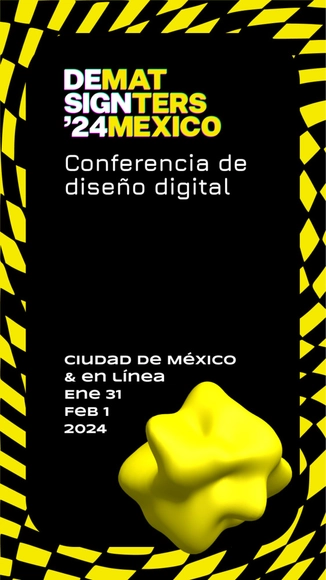
Design Matters returns to Mexico for the second consecutive year! The Danish initiative Design Matters, a leader in digital design conferences in Europe, arrives in Mexico with an event taking place on January 31 and February 1, 2024, at CENTRO.
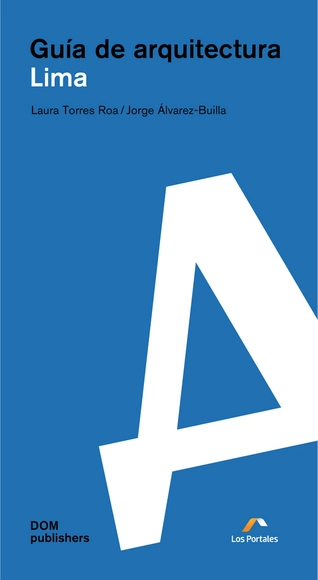
Lima has many more sunny days than its inhabitants let on. The urban layout of its historic center is the most Cartesian in South America, yet migration has generated an informal, heterodox, and radical periphery. Its society lives in a state of constant commercial frenzy, while maintaining the continent's oldest traditions. While its best-known architecture is viceregal and republican, pre-Columbian ruins are scattered throughout the city.
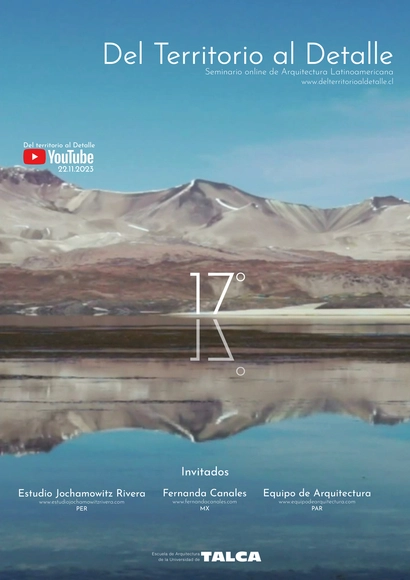
The 17th edition of the "From Territory to Detail" International Architecture Seminar serves as a space for dialogue and reflection, bringing together students, academics, and professionals alongside renowned Latin American architects. These architects share a common trait: they balance teaching with professional practice across various fields, ranging from editorial work to artistic experimentation.
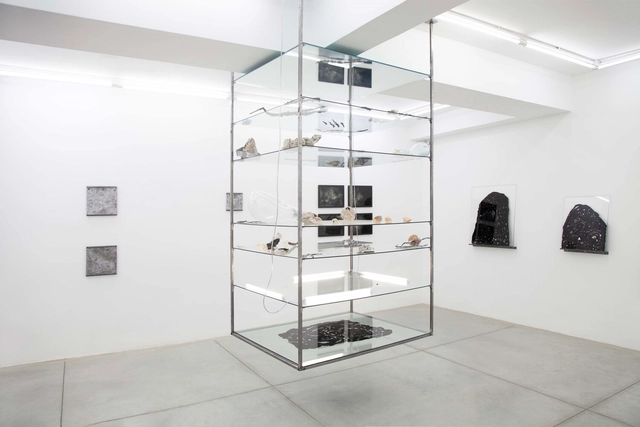
On Thursday, November 16, at 7:00 PM, Galeria Athena will host a free, public conversation between artist Jonas Arrabal, curator Fernanda Lopes, and artist Julia Arbex. The discussion will center on "Ensaio sobre uma duna" (Essay on a Dune), a solo exhibition by Jonas Arrabal on view at the gallery through December 2.
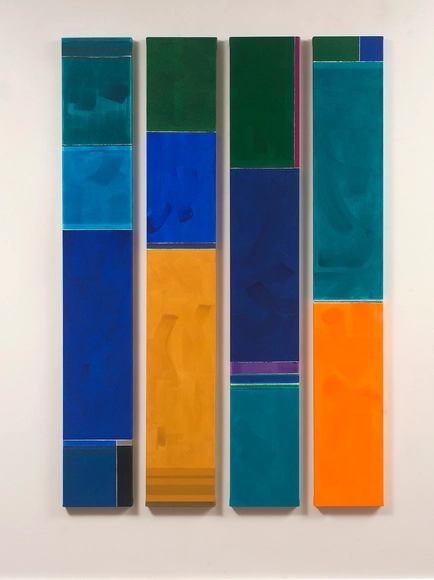
“Renata Cazzani: Chromatic Pulsations”
The artist presents 20 new paintings at Galeria Patricia Costa,
curated by Vanda Klabin

The American School of Quito Foundation (FCAQ) and the College of Architects of Pichincha (CAE-P) have announced the launch of an International Ideas Competition. The competition aims to solicit entries for the design and architectural direction of the school's new campus. The American School of Quito is renowned for its academic excellence and has shaped students with integrity, values, and principles for over 80 years. It provides a learning environment that fosters freedom, responsibility, and democracy while remaining committed to society's and the environment's well-being.

Join us to learn the technique of rammed earth and plaster by intervening and transforming an abandoned tobacco house next to the Zaza River, in the central region of the island of Cuba. This is a workshop for all interested professionals, students and practitioners.
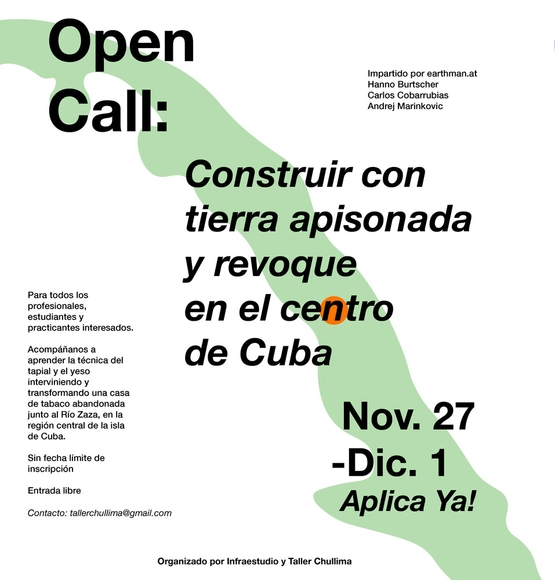
Learn about rammed earth and plaster techniques by intervening in and transforming an abandoned tobacco house next to the Zaza River, in the central region of Cuba.
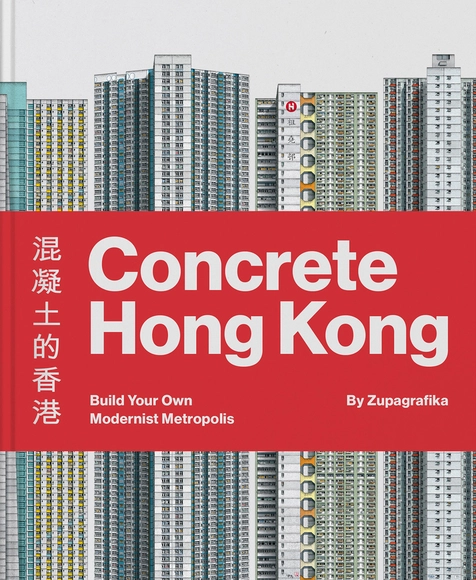
This book delves into the architectural heritage of public housing developed in Hong Kong between the 1950s and the 1980s. Embracing the modernist architectural approach, the city initiated mass housing projects that redefined urban living. Towering structures emerged to meet the housing needs of nearly three million residents, resulting in one of the world’s most futuristic and densely populated urban landscapes.
Through captivating photographs and engaging narratives, the first half of Concrete Hong Kong offers a glimpse into the housing estates constructed during the second half of the 20th century, showcasing a variety of structures, including the cruciform Shun On Estate, the vibrant Choi Hung Estate, and the brutalist Po Lai Court. The second half of the book immerses readers in a hands-on experience, featuring six pre-cut and pre-folded models ready to be pressed out and assembled, making this book a must-have for anyone seeking to uncover the hidden stories behind Hong Kong’s concrete jungles. All you need is glue!
Includes a foreword by Charles Lai, architect and architectural historian based in Hong Kong.
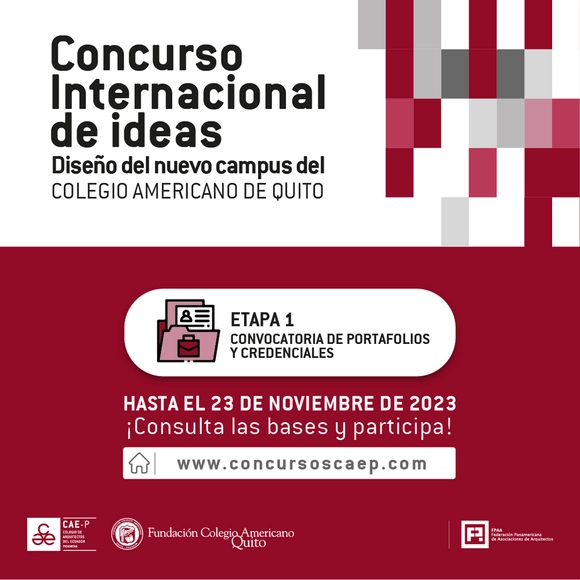
The Fundación Colegio Americano de Quito (FCAQ) and the Colegio de Arquitectos de Pichincha (CAE-P) have joined forces to officially launch the International Ideas Competition for the design and architectural direction of the institution's new campus, which has been recognized for its academic excellence for over 80 years.

re:arc institute invites you to join the second iteration of their biannual symposium program dedicated to exploring the architectures of planetary well-being, which we understand as ongoing practices of custodianship and care towards our socio-ecological environments. Architectures of planetary well-being offer an approach to understanding the frameworks that connect these systems, in turn allowing us to imagine the relational change needed to move beyond extractive paradigms.