
“ALTAR”
A solo exhibition by Fabi Cunha presents a selection of new works, curated by Jozias Benedicto at the Galeria de Arte Ibeu
“ALTAR”
A solo exhibition by Fabi Cunha presents a selection of new works, curated by Jozias Benedicto at the Galeria de Arte Ibeu
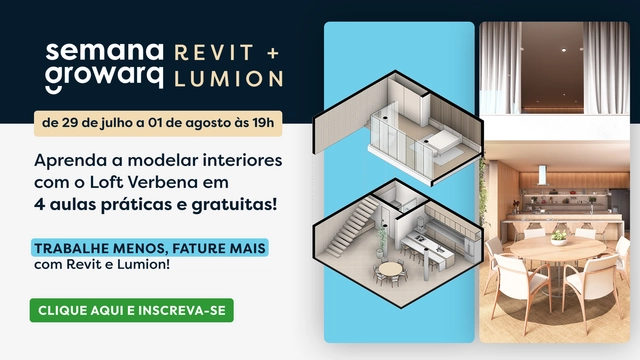
The Growarq Week is an event dedicated to architects, engineers, designers, and students looking to revolutionize their design process through a methodology that combines two software programs: Revit and Lumion. The event will take place from July 29 to August 1, starting at 7:00 PM each day, and is entirely online.
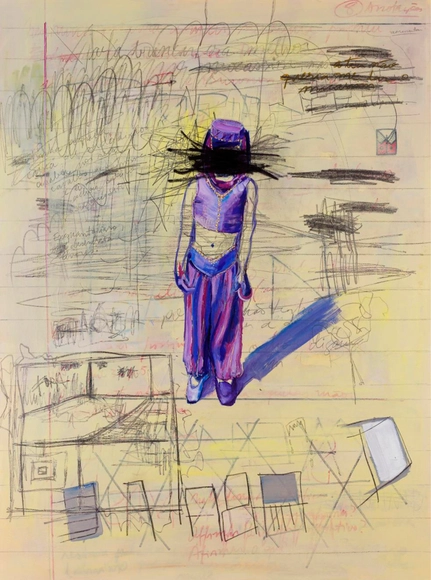
The exhibition "Tempo, tempo, tempo..." opens at Galeria Pop Up on Wednesday, July 17, at 7:00 PM. Curated by Mario Camargo, the show features works by 11 artists with established visual research and careers in contemporary art.

The Sun, ‘mother’ star of the solar system around which various bodies, including the Earth, revolve, whose fusion core produces energy and releases electromagnetic radiation, a flow of particles and neutrinos. In 2024, a surge of this radiation caused a storm capable of disrupting electrical grid transmissions on Earth.

To observe and document how people navigate the streets of the peripheries—including gender differences and street design—the Semana do Caminhar - Perifa a Pé [Walking Week - Periphery on Foot] has launched the #PerifaAPé Gallery challenge, running until August 10th on social media. The initiative aims to create a collection of images showcasing people walking in these areas, encouraging the public to share their territories while highlighting gender disparities and walkability conditions.
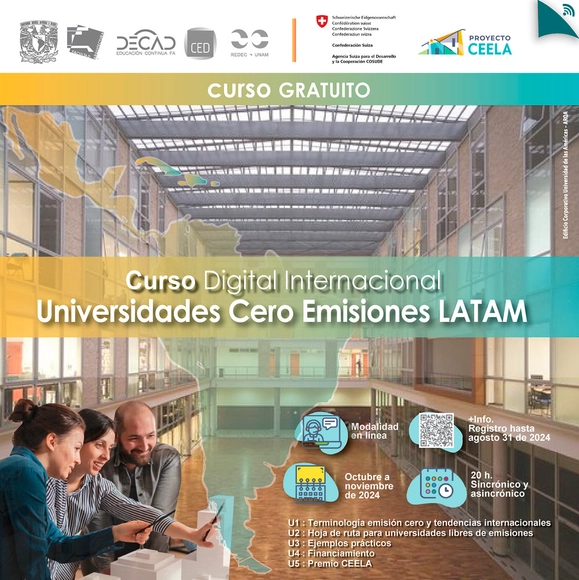
The National Autonomous University of Mexico (UNAM), in collaboration with Proyecto CEELA, is offering the Zero Emissions Universities LATAM course. Over 20 hours of online classes, university professionals will learn how to implement sustainability projects in the areas of construction, mobility, energy, procurement, food, and compensation mechanisms.
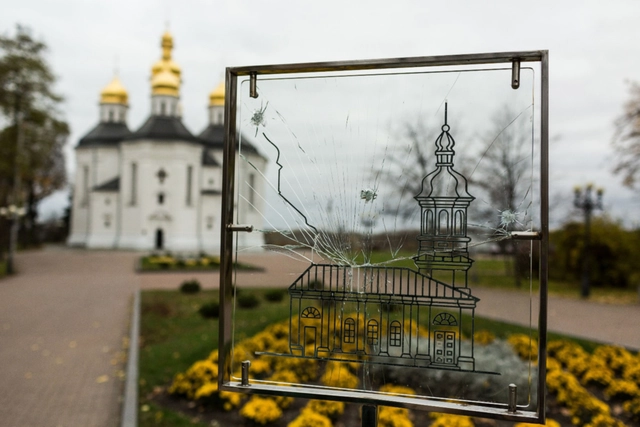
Join us for a pressing conversation about the ongoing efforts to safeguard Ukraine’s cultural heritage

CITY’SCAPE begins, a two-day event dedicated to LANDSCAPE DESIGN that will showcase the most current themes at the Triennale di Milano. Over 40 speakers from 10 countries, including Germany, Spain, France, the Netherlands, Croatia, Turkey, Denmark, China, Finland, and Italy, will participate in the eighth edition of the International Symposium and award "CITY’SCAPE - Landscape design as a strategy in climate change for urban and social resilience," scheduled for July 11th and 12th in the prestigious setting of the Salone d’Onore of the Triennale di Milano.

Material Matters returns in 2024. Based on the critically acclaimed podcast of the same name, the fair brings together over 40 world-leading brands, designers, makers, manufacturers and organisations to celebrate the importance of materials and their ability to shape society.

John Andrews: Architect of Uncommon Sense is a celebration of the great, yet under recognised, architect's work and its global impact. Now more than ever, Andrews’ designs are a shining example of how architecture can be used to address urgent environmental and urban concerns.

The workshop "AI multi-agent systems: Creating a Voxel City" is part of DigitalFUTURES 2024, an international community that unites top architects, thinkers, and creative technologists from around the world.

Calling all thousand year thinkers!

The A' Design Award, "born out of the desire to underline the best designs and well-designed products," recognizes outstanding and original talent from across the globe. It is both a major achievement for designers and a source of inspiration for award-winning architects, brands, and design agencies. Entry and nomination are open to contestants from around the world. Registration for the A' Design Award & Competition 2024-2025 period is now open. Register and upload your design here.
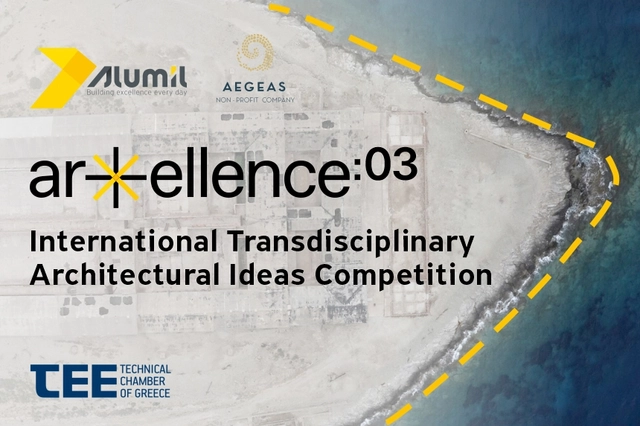
Arxellence 3 is an Open, One-Stage International Transdisciplinary Architectural ideas competition that seeks a holistic approach from the participants to preserve historical memory and promote sustainable development on the Cycladic island of Gyaros.

The New South Wales Government is developing a "pattern book" of endorsed housing designs, eligible for fast-tracked approval, to guide the creation of new low-rise housing and mid-rise apartment buildings in Sydney, Australia.
The best architectural minds from everywhere in the world are invited to participate in the NSW Housing Pattern Book International Design Competition to create great designs for Sydney and contribute to the diversity and depth of the Pattern Book.
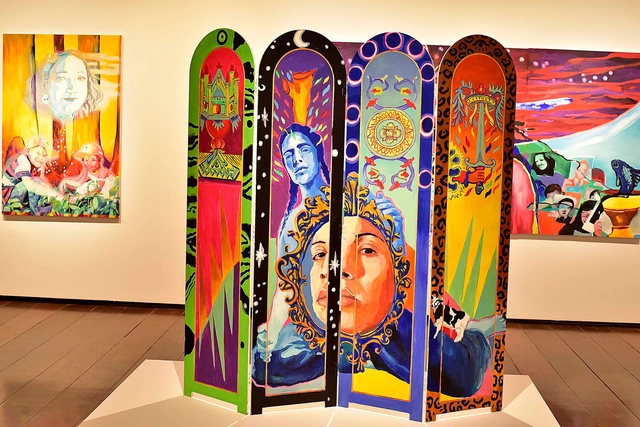
This Saturday, July 6, 2024, at 4:00 PM, a free public talk will be held with artist Marcela Cantuária and curator Andressa Rocha at the exhibition "Transmutation: Alchemy and Resistance" at the Paço Imperial. The event will also feature the launch of the exhibition's physical and digital catalogs. The exhibition will remain on view only until this coming Sunday, July 7, 2024. The 72-page catalog, which includes texts by Aldones Nino, Andressa Rocha, and Clara Anastácia, as well as photography by Vicente de Mello, will be available in print and as an e-book, with free viewing on the Área 27 production company website.
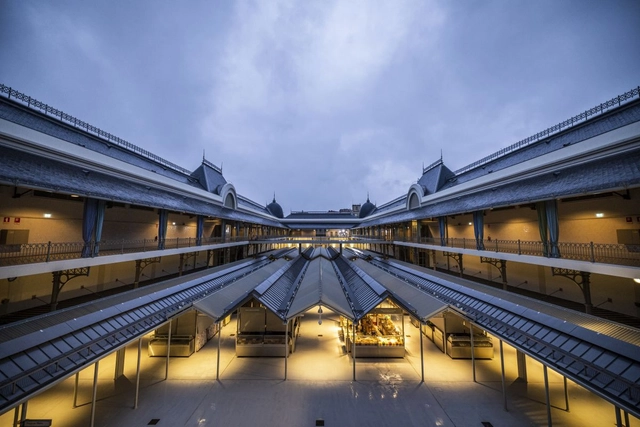
Open House Porto 2024 invites visitors to celebrate fifty years of Portuguese democracy. While the Portuguese people demanded “peace, bread, housing, health, and education”* during the revolution of April 25, 1974, in 2024, we aim to both recognize what has been achieved and identify what is desired for the future.
The Living Places - Simon Architecture Prize is an initiative of the firm Simon curated by the Fundació Mies van der Rohe since the prize’s inception in 2016, in commemoration of Simon's centenary. Since then, architecture studios from more than 23 countries have participated in the competition, reaffirming its international importance. In the previous edition, the prize saw 220 nominated projects.