
UNDIP is excited to announce EPOCH45: the multidisciplinary student and young professionals planning competition. EPOCH45 seeks design solutions for the next phases of development of IKN, the new capital city of Indonesia, Nusantara.
UNDIP is excited to announce EPOCH45: the multidisciplinary student and young professionals planning competition. EPOCH45 seeks design solutions for the next phases of development of IKN, the new capital city of Indonesia, Nusantara.

Volume Zero invites each one of you to participate in the 25th edition of our architectural competitions and the 5th edition of Tiny House Architecture Competition. This year’s Tiny House aims to celebrate individuality, reimagine sustainability and to exalt simple, innovative yet resourceful living. The Tiny House Movement is also a platform that not only explores the avenues of ‘mobile’ or ‘Off the Grid’ Living spaces but also the freedom and independence they would offer. Come be a part of this movement; join a new wave of habitat designers!
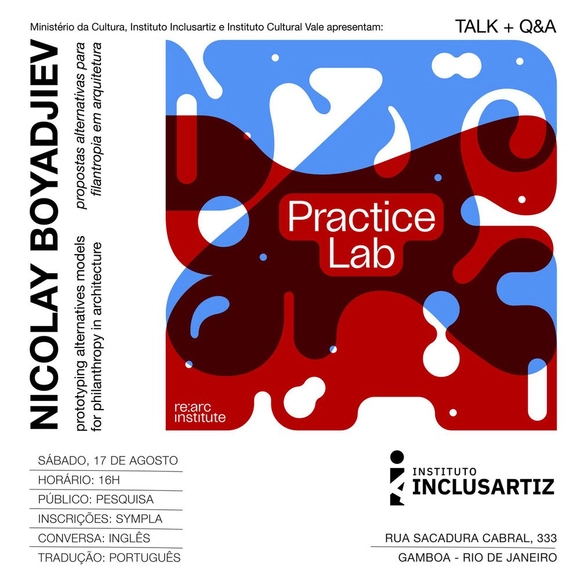
On August 17, the Inclusartiz Cultural Center will host the event "Practice Lab - Alternative Proposals for Philanthropy in Architecture" with architect Nicolay Boyadjiev.

BuildFest marks the third year of the Bethel Woods Art & Architecture Festival and begins a multi-year project to merge digital and analog fabrication pedagogies with creative notions of function and play, focusing on flexibility and adaptation.

The Ibero-American Biennial of Architecture and Urbanism (BIAU) is launching its open, public call for the 13th edition, which will be held in Lima during the first week of December. Under the theme CLIMATES: Actions for Good Living, this call for submissions seeks to recognize projects that, in the spheres of architecture, urban planning and related disciplines, offer alternative and innovative solutions for inhabiting and caring for the planet.

Asia’s leading sustainable light festival will return for its 11th edition next year to showcase exciting light art installations at Marina Bay and its neighbouring precincts.

National Association of Students of Architecture India is pleased to announce the Mohammad Shaheer Landscape Trophy in collaboration with the Indian Society of Landscape Architects (ISOLA) for the 67th Year (2024-25).

The National Cultural Heritage Service (Serpat), under the Ministry of Cultures, Arts, and Heritage, in conjunction with the Ministry of Public Works' (MOP) Directorate of Architecture, announces the call for entries for the Architectural Design Competition for the Replacement of the Rapa Nui Museum on Easter Island, Valparaíso Region.
The competition is open to national and international architects licensed to practice in their respective countries, as well as international architects partnering with those licensed to practice in Chile. Participants have until October 21, 2024, to submit their proposals.

“Caminhos das Cores”
Rose Maiorana participates in a collective exhibition at Novotel Botafogo
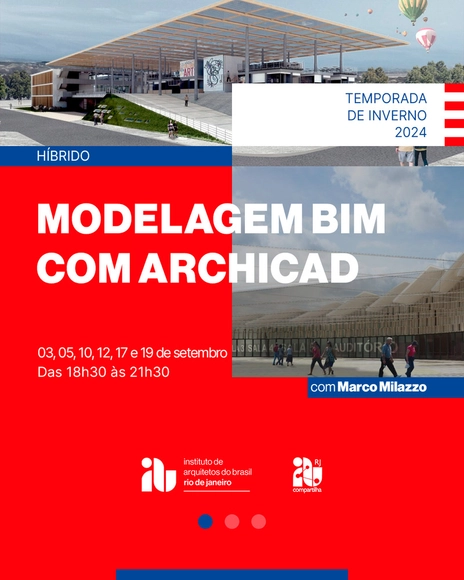
BIM Modeling Course with Archicad, led by instructor Marco Milazzo.
The Institute of Architects of Brazil – São Paulo Department (IABsp) continues its program of open courses, consolidating a space for debate on pressing issues in the education of architects and urban planners.
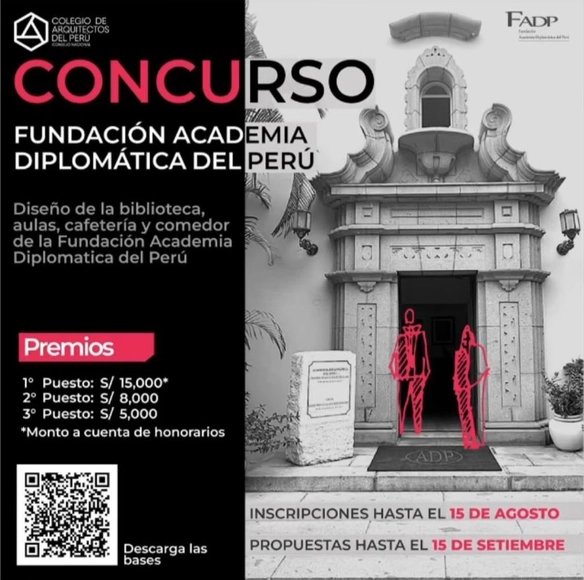
The College of Architects of Peru has launched an Architectural Design Competition for the library, classrooms, cafeteria, and dining hall of the Diplomatic Academy of Peru Foundation's institutional building, located in the Magdalena del Mar district.

50 years after the pioneering exhibition, Monumenta, opened in Newport in 1974, The Preservation Society of Newport County will honor its anniversary with a symposium at Rosecliff. Monumenta was a groundbreaking event that showcased 54 large-scale outdoor sculptures across the Newport landscape by 40 artists, including Willem de Kooning, Robert Indiana, Louise Nevelson, Jules Olitski, Henry Moore, Barnett Newman, Richard Fleischner, David Smith, Christo, Claes Oldenberg, Barbara Hepworth and Alexander Calder.
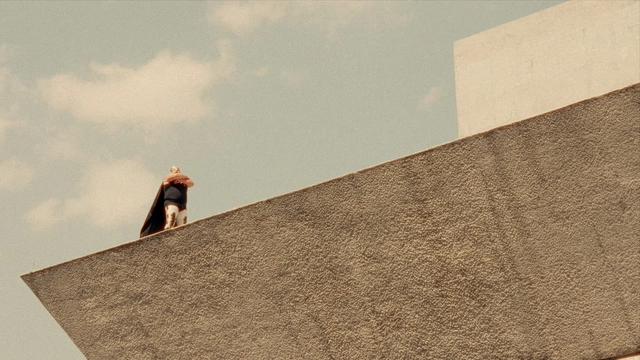
In Mexico City, the iconic Casa Praxis (1975) by the renowned Mexican sculptor, poet, and architect Agustín Hernández Navarro became the main stage in "El Luchador" (The Wrestler), a short film produced by Simon and directed by RA! Arquitectos alongside filmmakers René Batista and Tito Sánchez. The film marks the launch of the 5th edition of the Living Places-Simon Architecture Prize. Simon, a centennial family-owned company specializing in lighting, energy, and space management, is recognized globally for its commitment to architectural excellence.
The film’s story follows the journey of a young dreamer who enters the house to live out his greatest fantasy: to become a wrestler, while facing unexpected events. It highlights the power of dream spaces to make the wishes of their inhabitants come true, illustrating that behind every living space there is an architect with a story to tell.
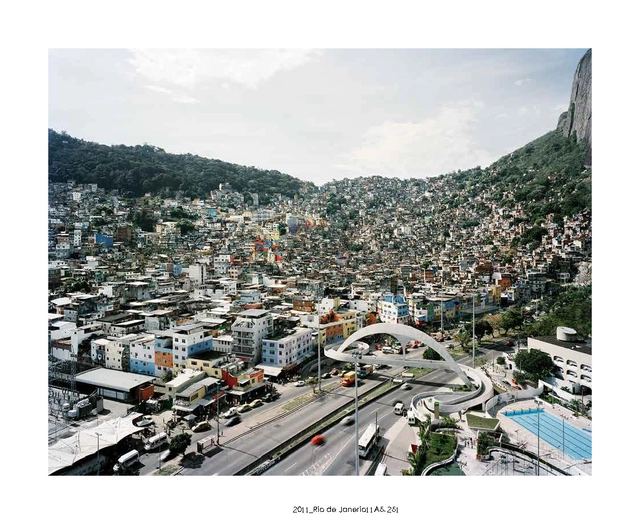
Gabriele Basilico: Urban Landscapes”
Exhibition promoted by the Italian Cultural Institute of Rio de Janeiro brings together records by the Milanese photographer taken between 1978 and 2012
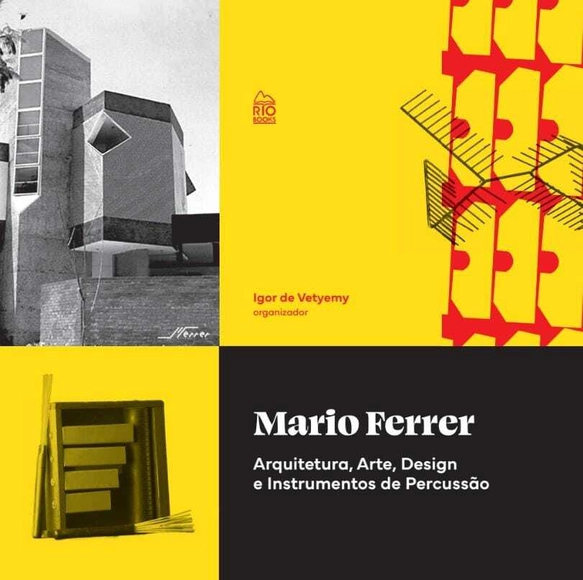
This Thursday, August 8th, starting at 5:00 PM, the book launch for “Mario Ferrer – Arquitetura, Arte, Design e Instrumentos de Percussão” (Mario Ferrer – Architecture, Art, Design, and Percussion Instruments) will take place during the 10th Brazilian Congress for the Development of Hospital Buildings (CBDEH). The event is being held at the Windsor Barra Hotel in Rio de Janeiro.
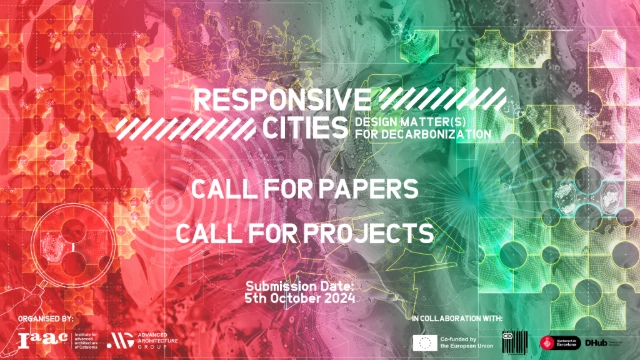
Design Matter(s) for Decarbonization
LIGA, Space for Architecture, invites you to participate in our 3rd open call: TODAS LAS SITUACIONES