The Colegio de Arquitectos de Chile is celebrating another anniversary with a series of free, fully online events. The milestone began on Tuesday, August 4, marking 78 years since the enactment of Law 7.211, which established the Colegio de Arquitectos de Chile in 1942—during the administration of President Carlos Ibáñez del Campo—and kicked off the Month of Architecture in Chile.
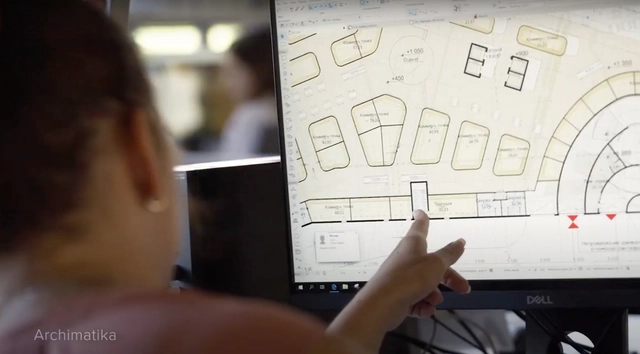
Choosing high-performance BIM software is key to developing efficient projects by automating tasks unrelated to core design, such as documentation, calculations, and other tedious processes. This reduces the time spent on these critical details, minimizing errors that lead to project delays or cost overruns.
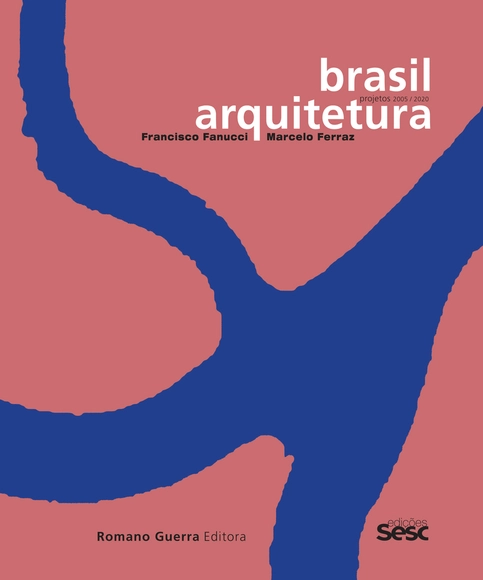
Brasil Arquitetura: Francisco Fanucci and Marcelo Ferraz, projects 2005-2020
Virtual launch with Francisco Fanucci, Marcelo Ferraz, Marta Bogéa, Abilio Guerra, and Guilherme Wisnik on August 25 at 7:00 PM, live on the Vitruvius Facebook page: facebook.com/vitruvius.com.br
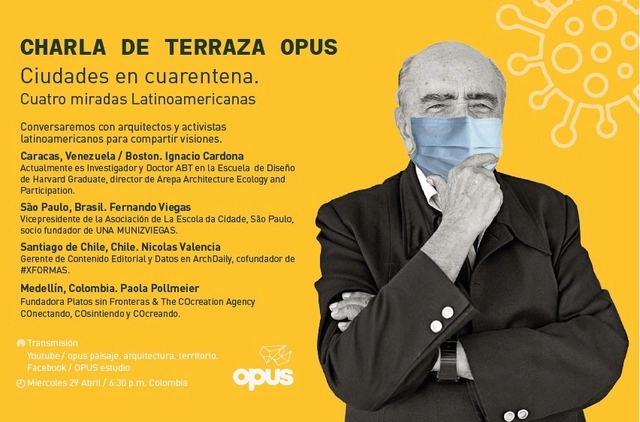
In this special edition of 'Terrace Talk,' the Colombian firm OPUS will host a Facebook Live conversation with four Latin American architects and activists to share perspectives on cities in quarantine.
Now more than ever, the future of our cities is a primary concern for many Brazilians. The COVID-19 pandemic has laid bare the structural, social, and environmental deficiencies of urban centers, demanding new and urgent responses. This presents an enormous challenge for current and future administrators to be elected later this year.
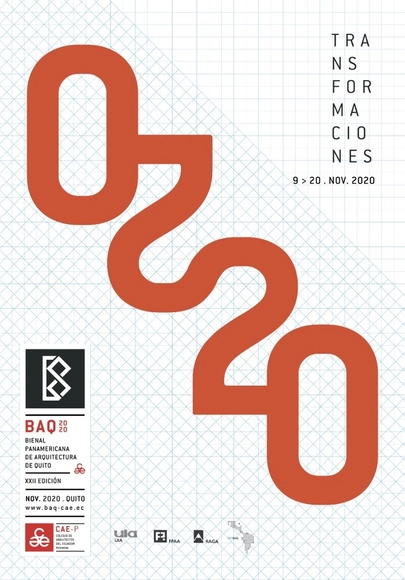
The BAQ is one of the most important architecture events in the Americas, providing a space for the periodic exchange, integration, comparison, and analysis of current architectural and urban products and trends, as well as the transfer of criteria and knowledge regarding avant-garde architectural and urban concepts and works.
Women and Habitat Network of Latin America and the Caribbean
The objective is to listen to the voices of women and exchange experiences regarding the emergency caused by COVID-19, as well as the health, economic, and social measures implemented by governments. It aims to identify—through a gender and women's human rights perspective—the needs and demands that will foster new proposals for greater inclusion and gender equality in cities.
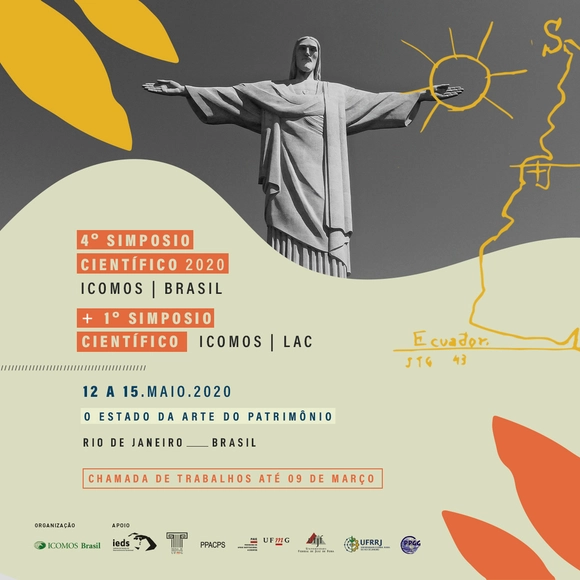
ICOMOS, the International Council on Monuments and Sites, is a global non-governmental organization associated with UNESCO. Its mission is to promote the conservation, protection, use, and enhancement of monuments, urban centers, and sites. ICOMOS serves as an advisory body to the World Heritage Committee for the implementation of the UNESCO World Heritage Convention.
This year, the way we inhabit our cities and homes has undergone a radical shift due to the pandemic. Diseases, plagues, wars, and catastrophes have forced us to reorganize our cities and create new systems and typologies. Similarly, this pandemic has prompted us to question how we work, study, rest, and inhabit. WAUM 2020 will reflect on potential scenarios through interventions that allow us to "repair the current city" based on three visions: the city of delights, the distributed city, and the healthy city. Each participating group, composed of students from different universities and guided by a faculty team, will adopt one of these three visions to propose an artifact, system, building, or structure that functions as a "repairing" prototype—one that is non-site-specific yet applicable to various situations.
Architecture Schools Outside the Box, debate series
The second debate in the "Architecture Schools Outside the Box" series opens a space for discussion among Venezuelan professionals who are teaching through experimental exercises in other regions.
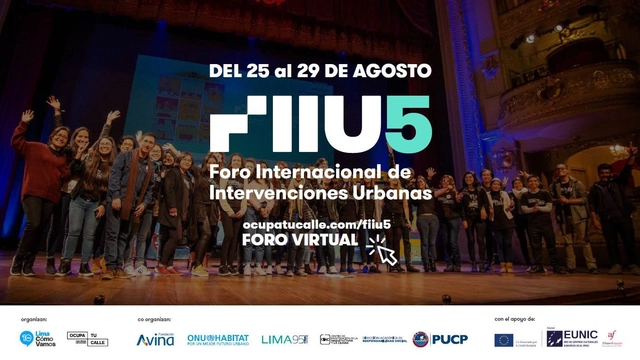
The ongoing COVID-19 pandemic has exacerbated urban inequality in Latin America, with impacts evident in the vulnerability of citizens and their relationship with public space. "This situation reflects the need to adapt and implement our streets in a creative way that accounts for the diversity of people, thereby achieving spacious public areas that help reduce the risk of contagion for the most vulnerable users," says Mariana Alegre, Executive Director of Lima Cómo Vamos and Ocupa Tu Calle.
Municipal Secretary of Mobility and Transport, Bete França, is the next guest for the live stream hosted by the Architecture and Urbanism program at the Armando Alvares Penteado Foundation (FAAP), where she is a faculty member. On Wednesday, August 19, at 4:00 PM, she will discuss urban life in the post-pandemic era and the so-called "new normal" with the audience.
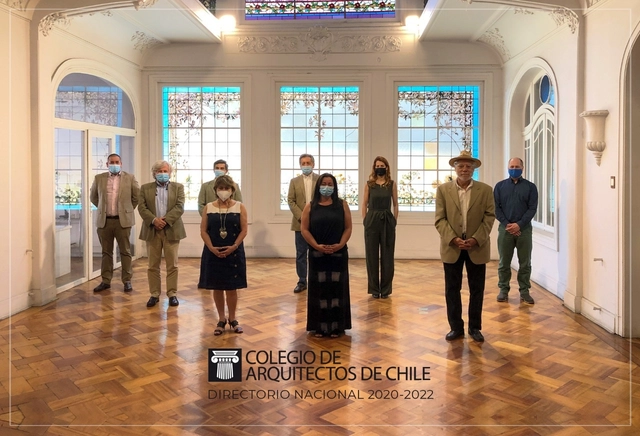
On Tuesday, December 1, 2020, during the inaugural session of the new National Board elected by members in the 2020 CA Elections, the new Executive Committee and officers of the College of Architects of Chile were selected for the 2020–2022 term.
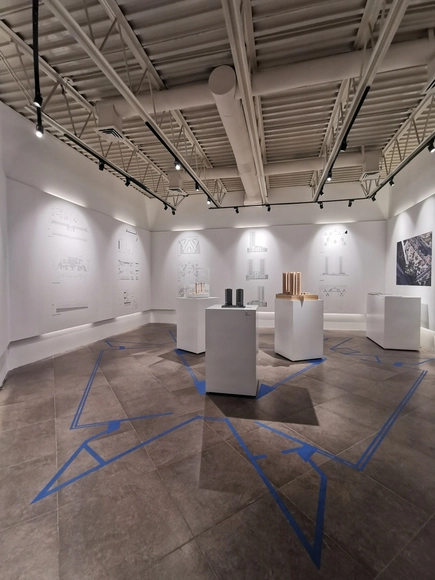
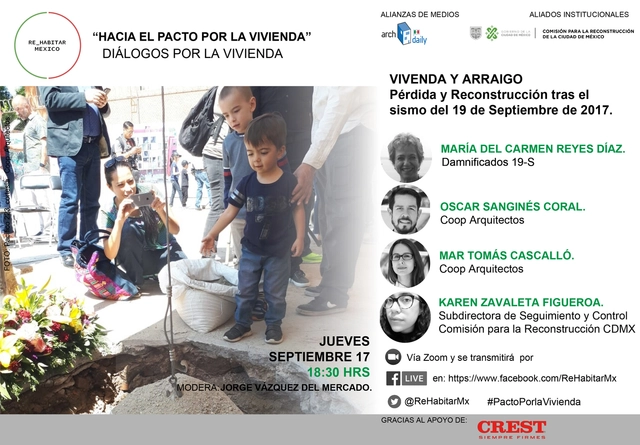
Courtesy of Re_Habitar Mx. Photography: Coop Arquitectos.
The second Housing Dialogue: "Housing and Roots" will explore the case of Pacífico 223. The discussion will cover life before the earthquake, the meaning of housing for individuals and communities, the emotional bonds born from memories associated with a home, the grief that follows its loss, and the collectives that emerge and strengthen through reconstruction efforts.
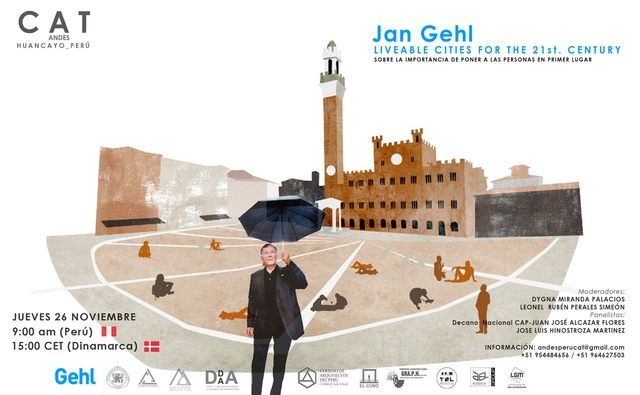
Credits: Leonel Rubén Perales Simeón, background image retrieved from https://edition.cnn.com/style/article/designing-the-perfect-city-style-jan-gehl/index.html
This international event is organized by the Faculty of Architecture - Department of Academic Direction (DDAA), the Postgraduate Unit of the UNCP, and the “El Cubo” collective in Huancayo, Peru. The event features keynote speaker Jan Gehl, one of the most influential figures in global urbanism. Through his work, he has championed the sustainability of major metropolises and made it his mission to advocate for urban planning that allows people, rather than automobiles, to reclaim the streets.