The American Institute of Architects (AIA) International is excited to announce the upcoming AIA International Spring Conference 2025, taking place from March 20 to 22, 2025. This global online event will bring together visionary architects, designers, and industry experts to discuss the future of the built environment under the theme "Trailblazing Architecture."
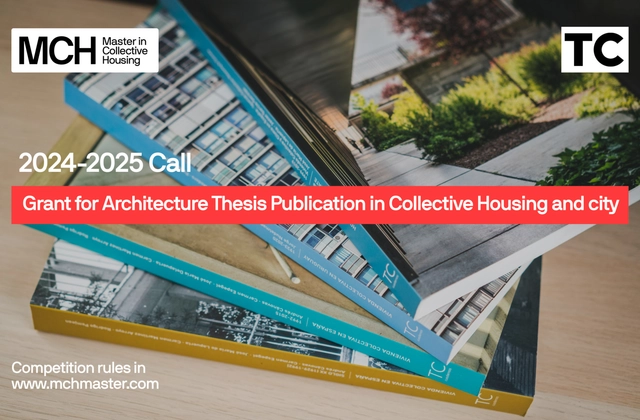
MCH and TC Cuadernos Announce Second Annual Research Grant for Architecture Thesis Publication / CALL EXTENDED
The Master in Collective Housing (MCH), in collaboration with TC Cuadernos, a renowned architecture magazine, has announced the second annual call for research grants. This grant, aimed at supporting architecture thesis or research projects, offers up to €6,000 to help transform the work into a published book.
In Decentered City: Multispecies Design, a “decentered approach” implies redistributing agency in spatial production, challenging conventional urbanization models and envisioning new ways of inhabiting the world, acknowledging the ecological crisis and fostering interspecies urban environments.
DiscoverArch, in collaboration with IIA Kapurthala Chapter and IGBC, invites architecture students to The Social Hub. Participants can choose projects like museums, memorials, libraries, convention centers, spiritual centers, etc
DiscoverArch, in collaboration with IIA Kapurthala Chapter and IGBC, invites architecture students to design socio-cultural spaces that foster community interaction, cultural exchange, and personal growth. Participants can choose projects like museums, memorials, libraries, convention centers, spiritual centers, or multi-purpose community spaces. Designs should promote inclusivity, accessibility, and sustainability, addressing community needs while integrating with the cultural, historical, or environmental context. Create spaces that inspire growth and collaboration, becoming catalysts for positive change.
Michele Pompilio, a young entrepreneur from San Giovanni Rotondo—a town known for its welcoming spirit and deep spirituality—will present his collection at Milan Design Week 2025, as part of the Superdesign Show by Superstudio, taking place from April 7 to 13 in the vibrant setting of Via Tortona 27, Milan.
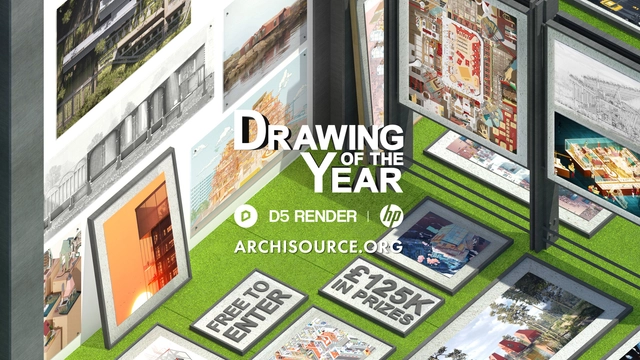
Archisource presents the Drawing of the Year Awards 2025, the sixth annual, creative imagery Awards - free to enter and open to all! The Awards are the ultimate accolade in visual representation across architecture, art and design in collaboration with D5 Render and HP. There is over £125,000 GBP ($150,000 USD) in prizes to be won, with the top 250 entries receiving Affinity V2 Universal Licences and D5 Render 180 Day PRO Licences! Top works will also be showcased at the major London Exhibition in July 2025.
The Facade Tectonics Institute's Vitruvian Honors & Awards program celebrates outstanding achievements in the field of facade design and delivery. The program recognizes outstanding projects, as well as project teams and individuals, that have made extraordinary contributions to facade design, engineering, fabrication, installation and lifecycle performance. The program, winners, and honorees demonstrate the goals of the Institute in advancing the art, science, and technology of designing and constructing building facades to the benefit of people and planet.
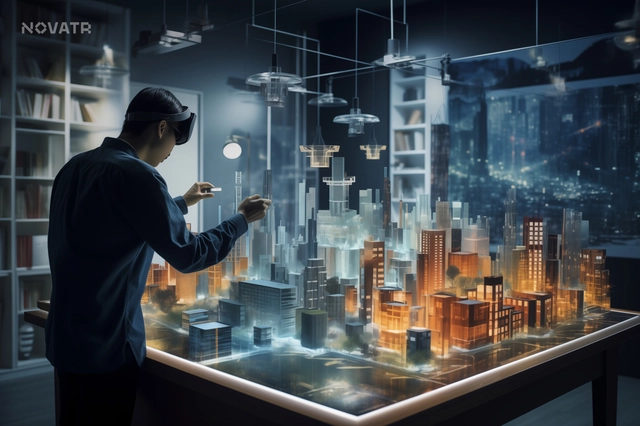
For many years, technology has been shaping the future of various industries, and the architecture, engineering, and construction (AEC) industry is no different. Initially, architects used to draw sketches on paper, which later progressed to 2D drawings, 3D digital blueprints, and now BIM—these technological advancements have changed how modern architects approach design by making it more sustainable and efficient. According to the 2024 RIBA AI study, 57% of architects believe AI will improve design process efficiency, and 54% expect to integrate it into their practice within the next two years.
IAB RJ highlights the role of women in the entity's history
In celebration of Women's History Month, IAB RJ is hosting a roundtable discussion titled "Women in the History of the IAB" on Thursday, March 20. The event is free, open to the public, and will take place in the organization's headquarters auditorium, starting at 6:30 PM.
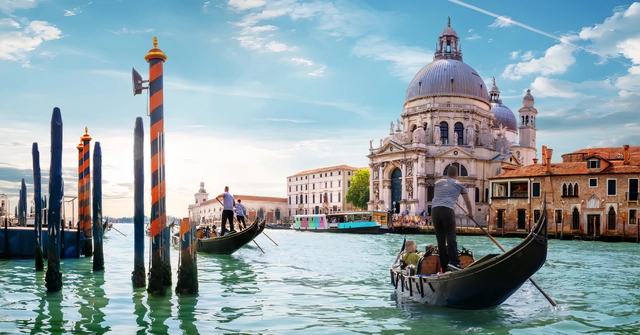
For the 5th Anniversary Edition of the "Monaco Smart & Sustainable Marina Rendezvous", M3 Monaco unveils the new theme of its annual international architecture competition. Students, young architects, and professionals are challenged to imagine a new vision or rethink the development of Certosa Island's infrastructure in Venice, creating a unique dialogue that incorporates regenerative tourism, the maritime journey, the UNESCO World Heritage listing, and the context of "La Serenissima."
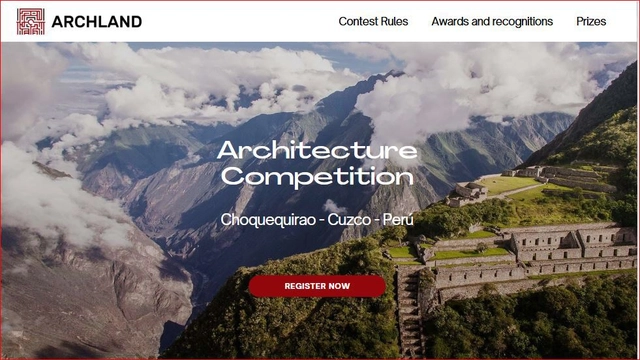
ARCHLAND, a firm specializing in the organization of architecture competitions, is honored to present its most significant competition to date. This initiative will enable the Choquequirao Citadel to achieve World Heritage status and be recognized as Peru's second archaeological wonder, following Machu Picchu, within the tourism circuit. This circuit will be part of the proposal and included through the competition itself, promoted to reach over 5,000 architects worldwide to address and promote this remarkable site.
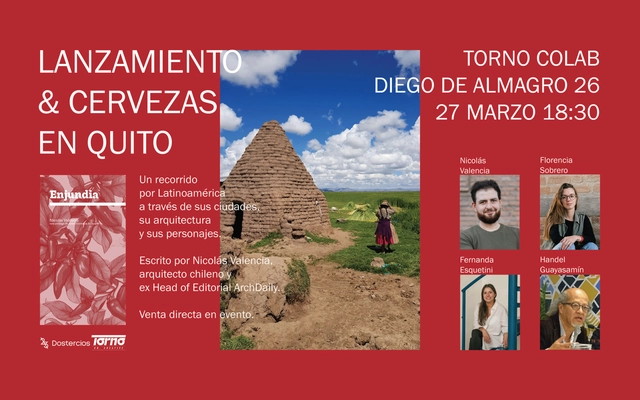
This Thursday, March 27, Torno Colab will host the launch of the book Enjundia, written by Chilean architect Nicolás Valencia and published by dostercios editorial in Chile.
On the occasion of Milan Design Week, scheduled from 7th to 13th April, Brera Design District reaches its 16th edition embracing the theme of “Connected Worlds” proposed this year by Fuorisalone. The theme truly reflects the multi-faceted spirit of a district in the city which has become not only a unique brand of its kind but also an international point of reference thanks to its commercial offering and its identity, in a mix of craftmanship, art, culture, lifestyle, food and wine and hospitality. The same intertwining of interpretations and points of view, but also of colours, shades, materials and graphic signs can also be found in the project named “Horizons”: the new installation of Brera Design Apartment (via Palermo 1), curated by the Zanellato/Bortotto Studio. A design manifesto reflecting the spirit of Brera District and that develops through experiments in colours and textures applied to products and surfaces manufactured by genuine craftmanship.
For this edition, the foundation will grant two fellowships of up to €75,000 each and invites prospective fellows from around the world to apply in partnership with a host institution. The proposed courses should preferably begin in 2026 (or shortly thereafter) and revolve around the 2025 OBEL Award theme: Ready Made. The aim is to foster deeper exploration, development, and dissemination of knowledge on this key topic within the built environment.
SCIENCE AND INDUSTRY MUSEUM ANNOUNCES PLANS TO EXTEND TRANSFORMATION As the museum’s first phase of repair and improvement nears completion including the re-opening of the Power Hall in summer 2025, the Science and Industry Museum announces plans for new permanent galleries and improvements to its globally significant site. • A new Wonderlab gallery is being planned to inspire children to imagine, experiment and play like an inventor. • Feasibility work will begin this year on a new free Technicians interactive gallery for 11-16-year-olds to inspire tomorrow’s technicians. • Following extensive external repairs, feasibility work will also begin this year on a new gallery and static rail experience for the historic 1830 station (the world’s first inter-urban passenger railway and world’s oldest surviving passenger railway station) set to re-open ahead of the Liverpool-Manchester railway bicentenary in 2030. • Feasibility work will also commence in the near future on landscaping and improving access in and around the museum’s Lower Yard to enable a landmark science playground and open the museum site to connect to Manchester and Salford via Water Street and through to Aviva Studios, Liverpool Road and Castlefield. By the end of 2025, 50% of the Science and Industry Museum’s globally significant industrial heritage site will have been significantly repaired and renewed over the last five years thanks to over £40 million investment secured from national government, charitable trusts and foundations and philanthropists. A new, award-winning Special Exhibitions Gallery is originating and hosting some of the UK’s best science experiences and the Grade I listed Station Agent’s House has been restored and opened as a new holiday property for Manchester with the Landmark Trust. The Grade II listed Power Hall and public realm in the upper half of the site are set to open later this year following significant repair and improvements. Meanwhile, the historic roofs of the listed New Warehouse and 1830 Station together with the museum’s Gantry have been repaired and future proofed for the next century and beyond, along with significant work to decarbonise the site. The museum is now planning its next projects to continue to create compelling galleries that tell the story of the world’s first industrial city, open-up and celebrate its historic site with fundraising currently underway. A new Wonderlab gallery is in the planning to be one of the most spectacular, interactive science galleries of its kind. Inspiring children to think, experiment and play like inventors, it will pay homage to Manchester’s rich history of science and invention and the museum site which explores ideas that change the world. Planned to open late 2027, the museum is now seeking an architect and lead designer. An open competition to design Wonderlab opened on 21 February, with architectural and exhibition design practices invited to submit first stage tender returns by 24 March on the Science Museum Group’s Tenders website. The successful designer will be able to draw on the architectural features and history of the museum’s site, reflect the creativity and innovation synonymous with Manchester and enhance the feeling of wonder and awe for the museum’s target audiences of ages 4-10 (plus access for early years) to enjoy. Science and Industry Museum Director Sally MacDonald OBE says “Ahead of the Power Hall re-opening this summer and the completion of a mammoth amount of repair work to our wonderful historic buildings, we can now look forward to future compelling galleries that will help us tell the stories of the world’s first industrial city and ideas that change the world. It’s our mission to open the potential of the whole of this globally significant industrial heritage site - to bring all of it back into use and to celebrate it through a journey that allows visitors to explore and understand how the buildings and structures that the museum cares for connect to the collections and stories they contain. We want to create more access through the site and make the most of the museum’s outdoor spaces for everyone who lives in and visits Manchester and provide more opportunities to inspire the next generation of innovators, thinkers, creators, technicians and scientists whose ideas will continue to change the world.”