
6th International Seminar on the History of Hospital Architecture: Time, Space, Form, and Body
School of Architecture, Universidad Católica del Norte/ Antofagasta, Chile, October 8–9, 2025 / Atacama Desert, industrial cities, October 10, 2025
6th International Seminar on the History of Hospital Architecture: Time, Space, Form, and Body
School of Architecture, Universidad Católica del Norte/ Antofagasta, Chile, October 8–9, 2025 / Atacama Desert, industrial cities, October 10, 2025

The Latin American Architecture Biennial in Pamplona (BAL) is a forum that, every two years, brings together the most recent and notable examples of emerging architecture in Latin America. The event strengthens ties between Latin American and Spanish architects, creating a shared space for dialogue, dissemination, and architectural creation that serves as a solid counterpoint to the Anglo-Saxon sphere.
Its primary objective is to contribute to the strengthening of emerging Latin American architecture as a tool for building a more just, open, democratic, and sustainable society.
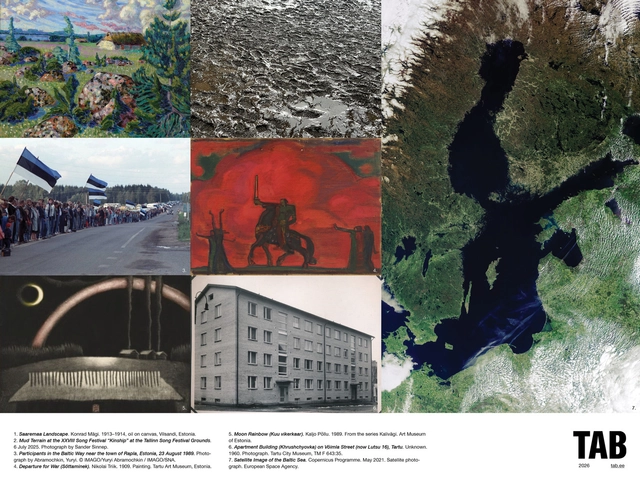
On 10 July, the Estonian Centre for Architecture announced the international curatorial competition to find a leading curatorial team for the eighth edition of the Tallinn Architecture Biennale TAB 2026. Founded in 2011, the Tallinn Architecture Biennale is Estonia`s foremost international festival dedicated to architecture and built environment with the opening week of the biennale taking place from 9th to 13th September 2026.
![Book launch of Königsberger Vannucchi [et al.] at FAUUSP - Featured Image](https://snoopy.archdaily.com/images/archdaily/media/images/68a7/145e/5ee9/5700/013f/6e2e/slideshow/21G_1112__2___1_.jpg?1755780255&format=webp&width=640&height=580)
FAUUSP will host the book launch of Königsberger Vannucchi [et al.] in a session that brings together architecture and debate. The event will take place during an undergraduate class and proposes a conversation on the role of contemporary architecture in shaping the urbanity and landscape of the city of São Paulo.
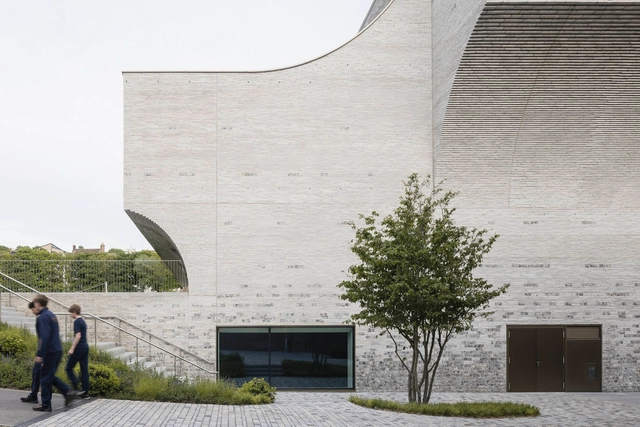
For nearly 65 years, the DETAIL brand has stood for meticulous research and comprehensive architectural documentation. The magazine articles and specialist books demonstrate how outstanding architecture is planned, designed, and executed. They provide in-depth knowledge of building construction, building typologies, and technical aspects of architecture.
DETAIL has become especially renowned for its construction drawings, which are carefully researched by editors and redrawn by an in-house CAD team in a standardized style.

An in-depth look at America’s historic skyscraper and Chicago’s most iconic building.

The architects, artists, and educators Jenchieh Hung and Kulthida Songkittipakdee, the founders of HAS Design and Research, and visiting professors of Chulalongkorn University and Tongji University, have dedicated their careers to reshaping the architectural landscape of Asia by fusing design with extensive research. The duo, known as Hung And Songkittipakdee (HAS), delves into the intricate relationship between nature and man-made structures, striving to develop a new architectural form that seamlessly integrates with urban environments. They refer to this approach as 'The Improvised, MANufAcTURE, and Chameleon Architecture,' emphasizing their capacity to adapt and design in harmony with the ever-changing contexts around them.

Exhibitions at Rice Presents

This symposium aims to decode and challenge the societal attitudes and design conventions that shape contemporary design and impact bamboo use. Highlighting case studies from bamboo growing regions such as Colombia and Indonesia, it draws on the expertise of three leading voices:
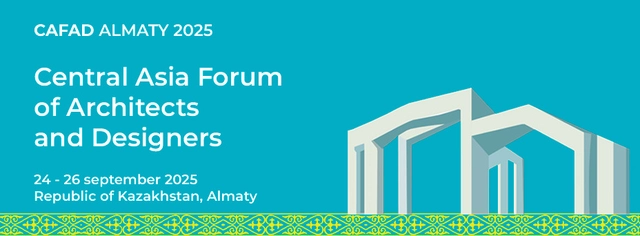
The 2nd Forum of Architects and Designers of Central Asia will be held in September in Kazakhstan.
The event is open to all and free to attend.

Each month, Friends of Residential Treasures Los Angeles (FORT: LA) curates a new self-guided trail, inviting Angelenos to explore the city’s rich architectural heritage. These immersive experiences highlight significant homes, hidden gems, and the designers who have shaped Los Angeles' built environment.

7-8 May 2026 Istanbul , TÜRKİYE
Hybrid Conference
(Both online and In-person presentations will be available)

Overview
What can happen in a hundred years ?

We are looking for the next AI Design Starchitect.
The 5th annual VMSD Scholarship + Experience recognizes and supports leadership potential in the Interior Design, Retail Design, Hospitality Design, Visual Merchandising, Architecture, UX Design, Engineering, and Product Design fields through a $1,500 scholarship plus an invitation to attend the 2024 International Retail Design Conference (IRDC) in Providence, Rhode Island, this October with airfare, hotel, and daily per diem covered—a prize package totaling $4,500 for this year's recipient.
One of the most prestigious Architecture Prizes in the world is back for a new edition!
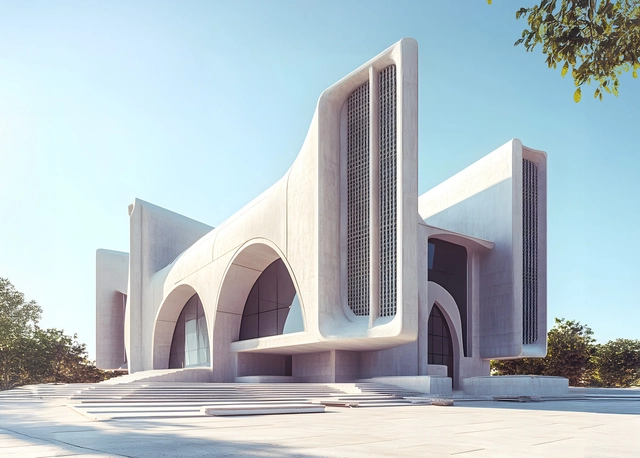
In contemporary architecture, façades have evolved beyond their traditional role as protective exteriors—they now serve as powerful expressions of identity, creativity, and sustainability. As the visual gateway to a building, façades play a dual role: safeguarding structures from environmental stressors while enhancing their aesthetic appeal and architectural character.
Much like interior design reflects the personality of its occupants, a façade communicates the essence of a building. It forms the first impression and serves as a canvas for architectural storytelling, often embodying the vision and creativity of the architect.