Moises Carrasco

Architect from Tegucigalpa, Honduras, currently based in Montreal, Canada.

BROWSE ALL FROM THIS AUTHOR HERE
↓
Subscriber Access

The Repositioning of Office Buildings: Creating Amenity-Rich Experiences in the Post-Pandemic U.S.

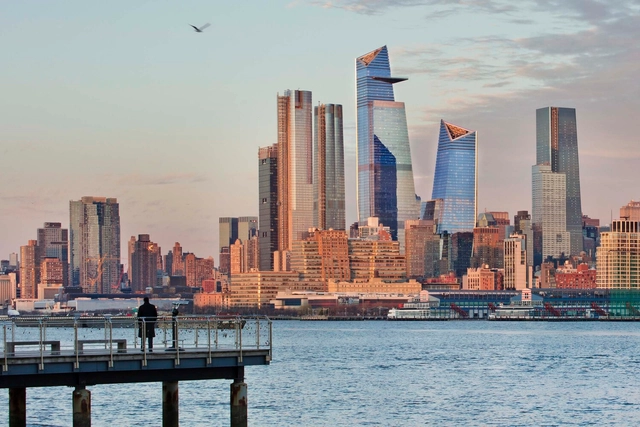
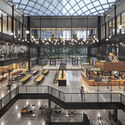
The office building typology emerged from the need to unite thousands of people within a relatively strict working environment. In major cities, these structures clustered into Central Business Districts (CBDs), which became dedicated neighborhoods accommodating commerce and businesses. However, the COVID-19 pandemic disrupted this model, leading to the rise of remote and hybrid work. Now, nearly four years later, occupancy rates in these urban centers remain lower than pre-pandemic levels, signaling a long-term shift in the work environment. To address this challenge, developers have been increasingly looking into “repositioning” their projects, seeking to redefine their image by adapting them to contemporary demands. This typology considers the surrounding urban fabric, aiming to expand the building’s use beyond its original purpose and attract people back to the CBDs.
The Repositioning of Office Buildings: Creating Amenity-Rich Experiences in the Post-Pandemic U.S. - Image 1 of 4The Repositioning of Office Buildings: Creating Amenity-Rich Experiences in the Post-Pandemic U.S. - Image 2 of 4The Repositioning of Office Buildings: Creating Amenity-Rich Experiences in the Post-Pandemic U.S. - Image 3 of 4The Repositioning of Office Buildings: Creating Amenity-Rich Experiences in the Post-Pandemic U.S. - Image 4 of 4The Repositioning of Office Buildings: Creating Amenity-Rich Experiences in the Post-Pandemic U.S. - More Images+ 2

Subscriber Access

The Urbanism of Tegucigalpa: How Modernist Planning Shaped Honduras’ Capital

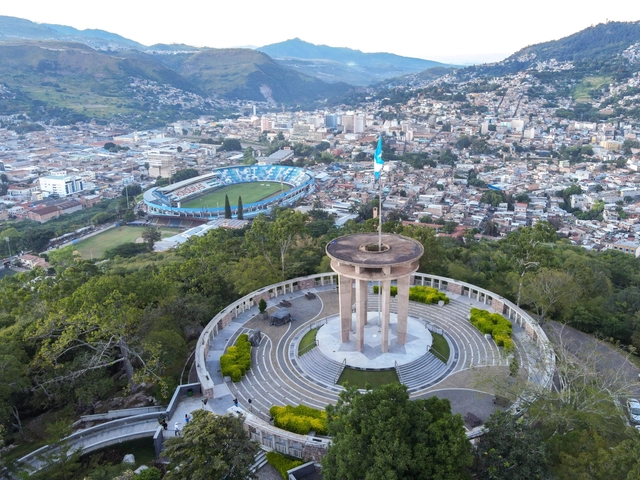
In the first decades of the XXI century, Honduras experienced higher levels of crime and violence compared to its other Central American neighbors. This situation caused the country to be largely avoided by most visitors and investors. However, it didn’t stop Tegucigalpa, its capital city, from experiencing an explosion of residential and office developments which are currently reshaping its skyline. Defined by a unique topography, and tropical weather, the city served as a testing ground for modernist urban principles that contributed to the transformation of a small mining town into one of the largest metropolises in Central America.

The Urbanism of Tegucigalpa: How Modernist Planning Shaped Honduras’ Capital - Arch Daily InterviewsThe Urbanism of Tegucigalpa: How Modernist Planning Shaped Honduras’ Capital - Arch Daily InterviewsThe Urbanism of Tegucigalpa: How Modernist Planning Shaped Honduras’ Capital - Arch Daily InterviewsThe Urbanism of Tegucigalpa: How Modernist Planning Shaped Honduras’ Capital - Arch Daily InterviewsThe Urbanism of Tegucigalpa: How Modernist Planning Shaped Honduras’ Capital - More Images+ 6