Architect and Master`s Degree in Architectural Design. Interested in the history of architecture, education and design.
Twitter / Instagram: @j_garcialibrero
The es.BIM commission, responsible for implementing BIM methodology in Spain, has released the findings of the Fourth Report of the BIM Tender Observatory in Spain, following an analysis of public tender specifications that incorporate BIM requirements within their clauses to varying degrees.
On one hand, the report assesses the emergence of public tender documents with BIM requirements. On the other, it analyzes how BIM is integrated into these specifications through various indicators, such as the weighting of BIM in the evaluation criteria and the required levels of information.
https://www.archdaily.com/1114288/27-percent-of-public-tenders-require-bim-methodology-in-spain-according-to-the-eim-commissionJavier García Librero
Galardonados Premios Richard H. Driehaus Artes de la Construcción . Image Cortesía de Premios Richard H. Driehaus
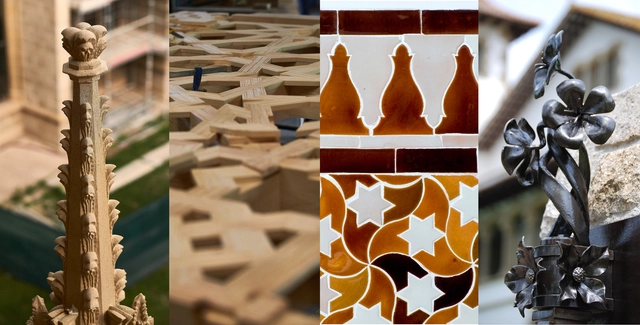
The winners of the second edition of the Richard H. Driehaus Building Arts Awards, which recognize leading masters in Spain's traditional building crafts, have recently been announced. With a total of 84 nominations received, the traditional building crafts were grouped into four categories, with each category presenting an annual award of €10,000 and a commemorative plaque.
The first category covers arches and vaults, vaulted staircases, stone carving, and other masonry and stone-cutting work. The jury selected Cantería Jaurrieta, from Olite (Navarra), run by Valeriano Jaurrieta and Agustina Rodríguez Orduña, to receive this award.
https://www.archdaily.com/1114268/the-ironwork-of-the-sagrada-familia-and-nasrid-tilework-among-the-winners-of-the-driehaus-building-arts-awardsJavier García Librero
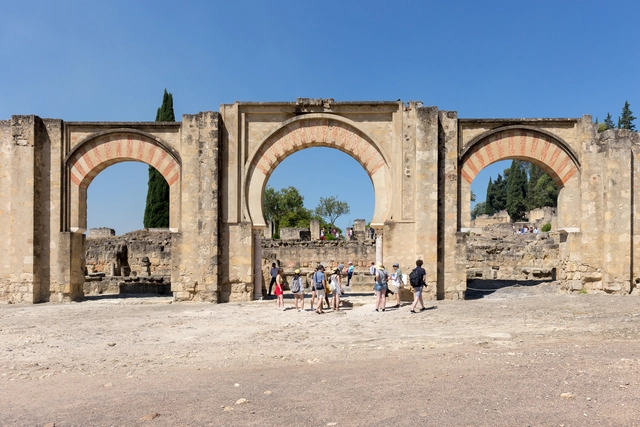
UNESCO has added 19 new sites to the World Heritage List, including the Caliphate City of Medina Azahara (Córdoba, Spain) during its recent 42nd session held in Manama, the capital of Bahrain.
The report prepared ahead of the session includes the evaluation and final conclusions of the International Council on Monuments and Sites (ICOMOS). Following a comparative analysis conducted both nationally and internationally, the council concluded that, alongside Medina Azahara, only Samarra (Iraq) stands as a well-preserved example of a caliphate city. Furthermore, among all caliphate cities, Medina Azahara is the only one that provides evidence of the culture and knowledge of the Islamic civilization that reached Europe.
https://www.archdaily.com/1113929/medina-azahara-of-cordoba-declared-a-world-heritage-site-by-unescoJavier García Librero
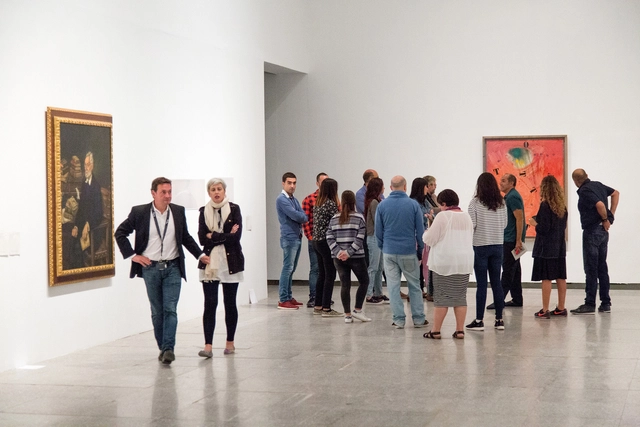
Adolf Loos, Joaquín Vaquero Palacios, Fernando Moreno Barberá, Norman Foster, and the bicentennial of the Museo del Prado are just some of the key names and milestones set to take over Spanish museums in 2018.
Here are 10 highly recommended architecture exhibitions for the new year that offer a rich and compelling cultural lineup. They span Spanish and international architects, iconic buildings from Spain's architectural history, and the profound impact of emerging technologies—such as artificial intelligence and virtual reality—on the field of architecture.
Dibujo en Torre de Donamaría. Image Cortesía de Premio Rafael Manzano
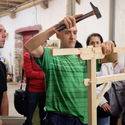
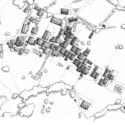
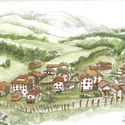
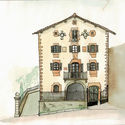
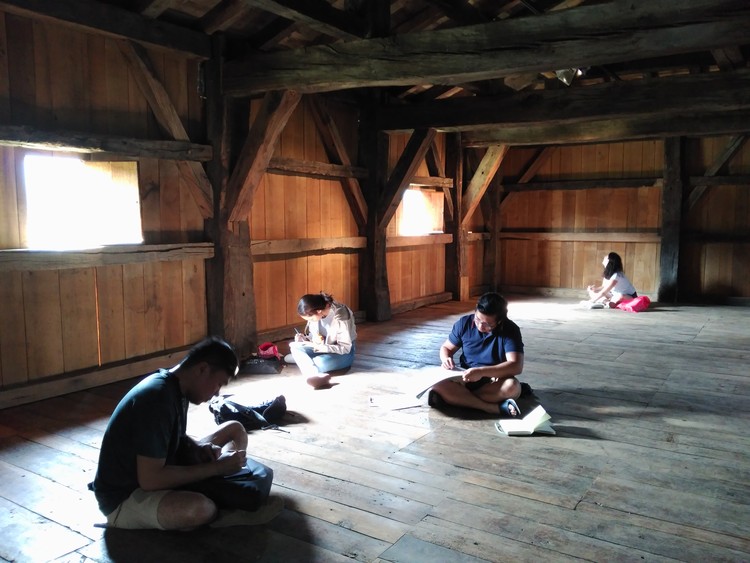
Organized by INTBAU and the Rafael Manzano Prize for New Traditional Architecture, the most recent edition of the Summer School of Traditional Architecture focused its work on the Baztan Valley (Navarre, Spain). The program studied traditional construction, architecture, and urban planning to produce a manual for conservation and new traditional construction in the area. In addition, hand drawing and building surveys were the primary activities carried out by the participating students.
Although the scope of work extended to the entire Baztan Valley, the bulk of the study was carried out in Amaiur, the town that hosted the group during those two weeks. Articulated around the branch of the Camino de Santiago that passes through it, the town's urban layout is structured almost as a linear development. Along this axis, the richness, diversity, and versatility of its architectural tradition unfold, presenting a showcase of solutions from different eras that have adapted to multiple trends and functions without ever losing their essence. Accordingly, the study examined the architecture of the town center in its entirety, from fine details to the broader urban structure.
Videos
Escala 1:5. Documental nueva Sala Beckett. Image Cortesía de Architecture Player
The Catalan architecture firm Flores & Prats Architects presents the launch of the documentary series ESCALA 1:5, which explores the design process of the international drama center at the new Sala Beckett in Barcelona. Produced by the independent production company 15-L, the documentary consists of five 10-minute episodes directed by Patricia Tamayo and Albert Badia.
Following its premiere on December 14, 2017, at the Girona Cinema in Barcelona before an enthusiastic crowd of about 200 spectators, the episodes are now available on demand on The Architecture Player channel on Vimeo.
https://www.archdaily.com/1114041/scale-1-5-the-new-documentary-on-the-sala-beckett-designed-by-flores-and-prats-architectsJavier García Librero
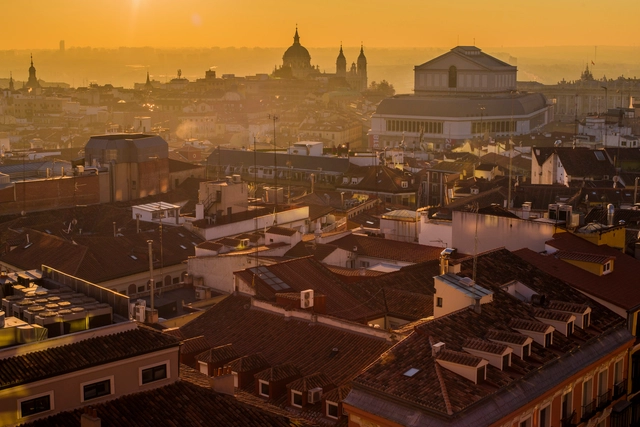
According to the Madrid City Council, the proportion of homes dedicated to tourist use in the Spanish capital is 0.54%. However, this figure rises to 6% in the Centro district, meaning that 23 times more tourists overnight in this area than in Madrid's other 20 districts combined.
To address this, last January the Governing Board of the City of Madrid approved the drafting of a Special Plan for the Regulation of Tourism in the City of Madrid (PEOTMad), alongside a one-year moratorium on licensing for all forms of tourist accommodation in properties currently used as residential housing across all neighborhoods in the Centro district.
https://www.archdaily.com/1114094/madrid-seeks-to-prevent-its-touristification-with-a-plan-that-will-eliminate-95-percent-of-tourist-apartmentsJavier García Librero
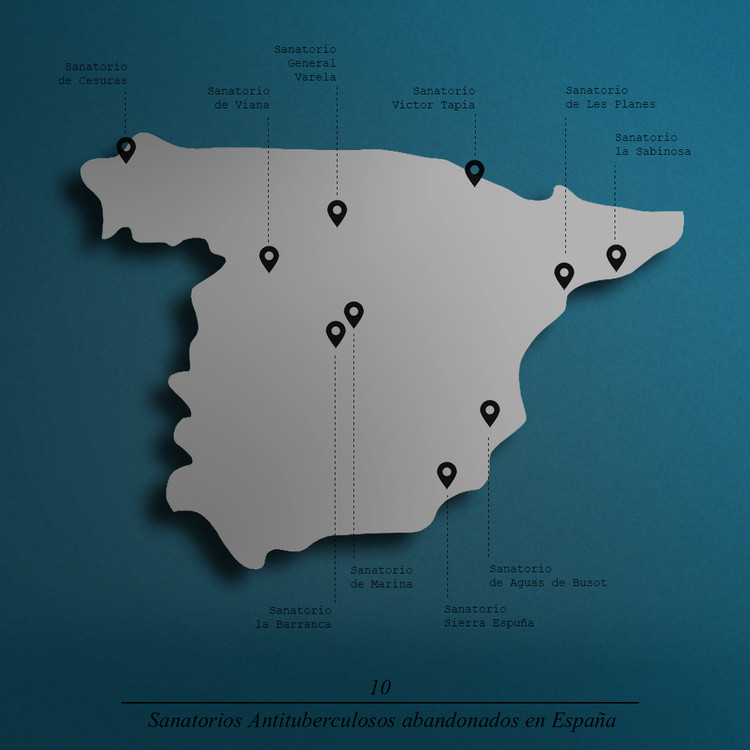
Ubicación de los 10 sanatorios en España. Image Cortesía de Javier García Librero
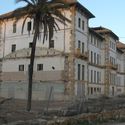
On December 13, 1943, a law established the regulatory framework for the National Antituberculosis Board (Patronato Nacional Antituberculoso), created to combat and help eradicate tuberculosis—one of the worst diseases afflicting Spanish and global populations during the 20th century. "The National Antituberculosis Board is dedicated to preventing the spread of a disease that represents the leading cause of mortality in Spain, as well as the most significant threat to the race," the text of the law began.
Following the end of the Civil War in 1939, the situation in Spain and for its population was precarious. This was reflected in the country falling behind other Western nations in its number of tuberculosis sanatoriums. Indeed, in 1934, with only 66 sanatoriums, Spain had the lowest ratio of facilities per capita in Europe—one for every 357,000 inhabitants.
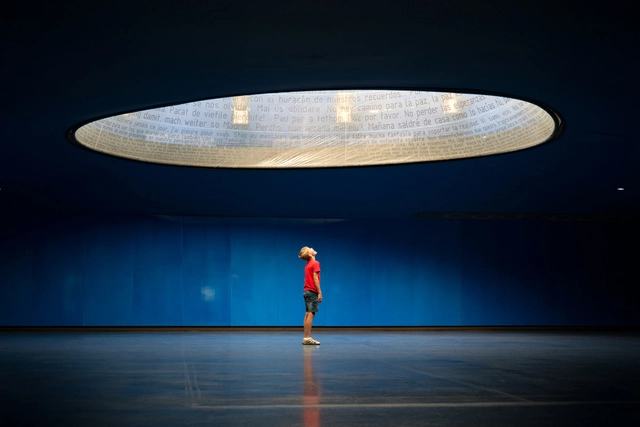
Eleven years after its inauguration, the Madrid City Council has announced a renovation and upgrade plan for the monument to the victims of the March 11 (11-M) terrorist attacks at Atocha Station in Madrid, Spain, as reported by the Spanish newspaper El País.
Designed by Estudio SIC, the monument to the victims of 11-M was inaugurated in 2007, three years after the attacks perpetrated by a terrorist cell on March 11, 2004. The attack consisted of the simultaneous explosion of 10 bombs on four commuter trains, claiming the lives of 193 people and leaving more than 2,000 injured, making it the worst terrorist attack in Spain's history.
https://www.archdaily.com/1114016/madrid-to-renovate-the-atocha-11-m-memorial-in-2019Javier García Librero
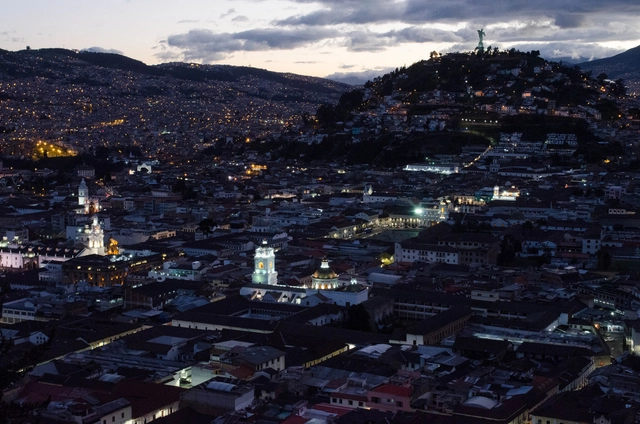
With one month to go before its opening, the details of the official program for the 21st Pan-American Architecture Biennial of Quito (BAQ2018) have been announced. Marking its 40th anniversary, the event will focus its dialogue and debate on architecture itself.
To be held from November 19 to 23 in the Ecuadorian capital, the event offers a prime opportunity to discuss and debate a discipline that, in recent years, has seen a decline in the spaces dedicated to fostering such encounters and dialogue.
https://www.archdaily.com/1114028/discover-the-details-of-the-program-for-the-2018-pan-american-architecture-biennial-of-quitoJavier García Librero
The strong influence of Le Corbusier's work and philosophy on Spanish architect Josep Lluís Sert established him as a key figure in local architectural history, sparking one of Spain's first rationalist movements. In 2013, thirty years after Sert's passing, filmmaker Pablo Bujosa Rodríguez released the documentary Josep Lluís Sert: un sueño nómada, which Radio Televisión Española is now making available to the public on its program Imprescindibles.
This documentary traces the life and career of one of the leading figures and benchmarks of 20th-century Spanish architecture—a tireless champion of the Modern Movement who advocated for a functional architecture integrated with other visual arts, such as painting and sculpture.
https://www.archdaily.com/1114030/a-nomadic-dream-relive-the-legacy-of-josep-lluis-sert-in-this-online-documentaryJavier García Librero
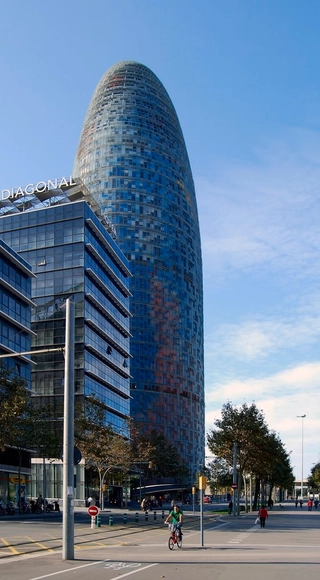
Although the Catalan political situation remains mired in uncertainty, companies seem to be regaining confidence in Barcelona as a location for their corporate headquarters, following the city's 2017 loss of the opportunity to host the European Medicines Agency (EMA) at Torre Glòries (formerly known as Torre Agbar) to Amsterdam.
Now, however, Facebook has chosen this tower—designed by architects Jean Nouvel and Fermín Vázquez (b720)—as the site for an operations center to combat and eliminate harmful content, such as fake news, on the social network.
https://www.archdaily.com/1114033/facebook-sets-up-offices-to-combat-fake-news-in-barcelonas-agbar-towerJavier García Librero
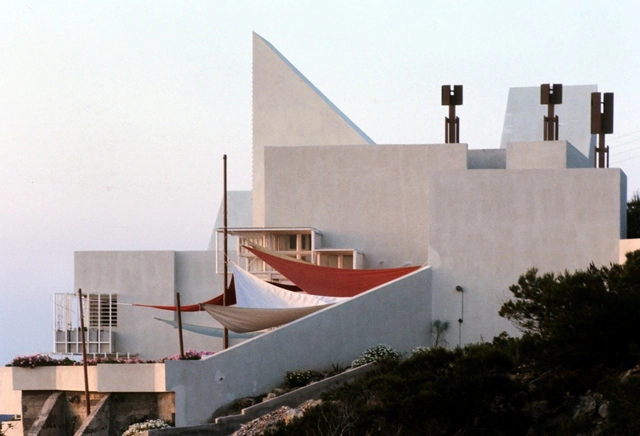
The Van der Driesche House, designed by Spanish architects José Antonio Martínez Lapeña and Elías Torres Tur—winners of the 2016 National Architecture Award—has narrowly escaped demolition, avoiding yet another loss of contemporary Spanish architectural heritage to cultural insensitivity.
On Tuesday, September 18, the Island Council of Ibiza approved a decree suspending the demolition of the Van der Driesche House for up to three months. Because the building is currently neither listed nor declared of cultural interest, the next step is to take the necessary measures to preserve its cultural value, preventing any work or intervention that could alter the complex's original features.
https://www.archdaily.com/1113923/spanish-architects-unite-in-defense-of-the-van-der-driesche-houseJavier García Librero
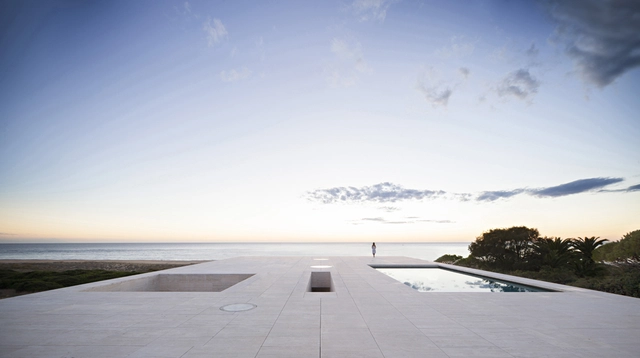
The Accademia Adrianea di Architettura di Roma has awarded the 2018 Piranesi Award to Spanish architect Alberto Campo Baeza for his outstanding professional career in relation to historic heritage.
The Piranesi Award is a prestigious international recognition, sponsored by the Accademia Adrianea, the Ordine degli Architetti of Rome, and the Casa dell'Architettura, which honors the quality of an architect's work and their approach to the classical.
https://www.archdaily.com/1113921/alberto-campo-baeza-receives-the-2018-piranesi-rome-prizeJavier García Librero
Imagen exterior Casa Vallet. Image Cortesía de Servicio Histórico COAM
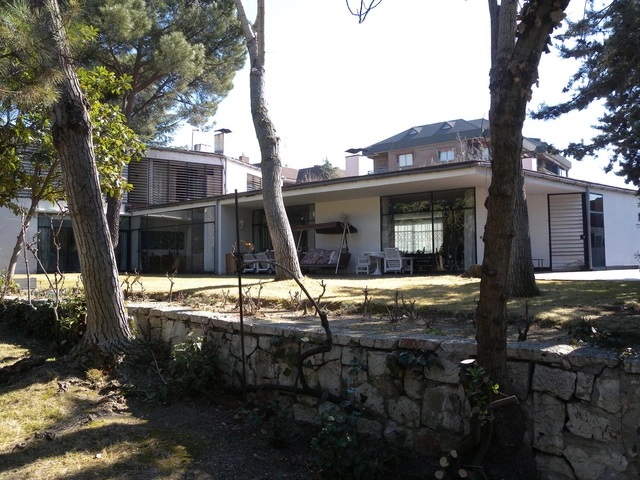
The tragic end in early 2017 of the Guzmán House, designed by architect Alejandro de la Sota, seems poised to repeat itself—this time with the Vallet de Goytisolo House, one of three works built in the capital by José Antonio Coderch (1913-1984), a prominent 20th-century Spanish architect, and his partner Manuel Valls.
According to the newspaper El Mundo, the General Directorate of Cultural Heritage of the Community of Madrid has issued a report rejecting the designation of this example of modern residential architecture—located at 5 Belisana Street in Madrid's Ciudad Lineal district—as a heritage site.
https://www.archdaily.com/1113962/coderchs-vallet-house-remains-at-risk-of-demolition-due-to-a-lack-of-heritage-protectionJavier García Librero
Videos
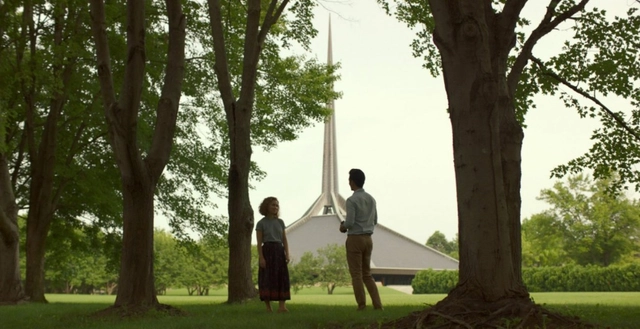
Iglesia Cristiana del Norte / Eero Saarinen. Image Cortesía de Versus Entertainment
Throughout the history of cinema, there are numerous examples of a close and deep relationship between film and architecture. The film 'Columbus', recently released in Spain and the feature debut of South Korean director Kogonada, is a magnificent example of how significant architecture can be an essential factor in the development of a film project. Set in the American city of the same name, the film serves as a genuine and wonderful tribute to its architecture and urban environment.
In the 1950s, through the Cummins Foundation and in collaboration with the city of Columbus, industrialist J. Irwin Miller launched a program to subsidize the construction of public buildings designed by prominent architects. In this way, Columbus, Indiana, became a sort of open-air museum, eventually coming to be regarded as a mecca of modern architecture. During those years, more than 60 buildings were constructed by great masters of the Modern Movement, such as Harry Weese, Cesar Pelli, I.M. Pei, Eero and Eliel Saarinen, Richard Meier, Robert Venturi and James Stewart Polshek, to name a few.
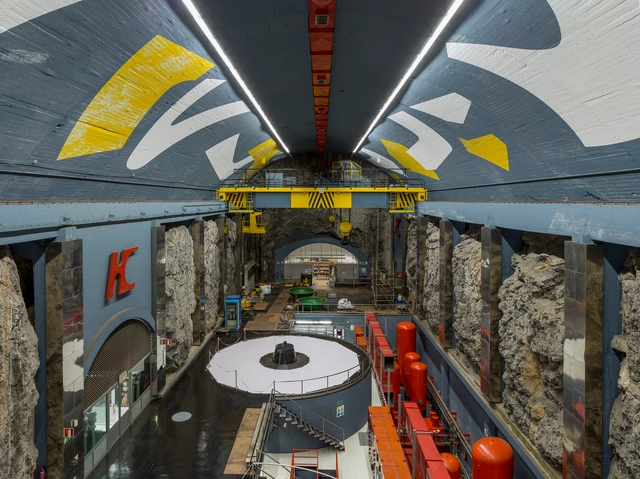
Joaquín Vaquero Palacios (Oviedo, 1900—Madrid, 1998) was an architect, painter, and sculptor. He studied at the Madrid School of Architecture (1921-1927), where his professors introduced him to the architecture of the Modern Movement. There, he witnessed firsthand how industrial architecture served as a rich source of inspiration for architects like Walter Gropius and Le Corbusier, offering a promising arena for the application of rationalist principles and concepts.
Ponentes del V Congreso Internacional de Arquitectura y Sociedad. Image Cortesía de Fundación Arquitectura y sociedad
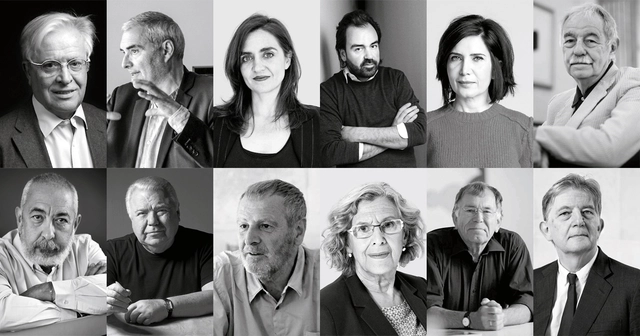
On June 14, the second and final day of the 5th International Congress of Architecture and Society took place at the Baluarte Congress Center and Auditorium of Navarre in Pamplona, Spain. The day's sessions focused on topics as diverse as urban development, the political ecology of cities, mobility, and the future of our cities.
Architects Farshid Moussavi and Belinda Tato opened the day's first session, focusing their reflections on the importance of public spaces in cities as “generators of citizenship.” Both experts also highlighted the role of people in shaping cities.
https://www.archdaily.com/1113748/jan-gehl-we-have-lost-the-ability-to-create-neighborhoods-where-it-is-a-pleasure-to-grow-up-and-grow-oldJavier García Librero