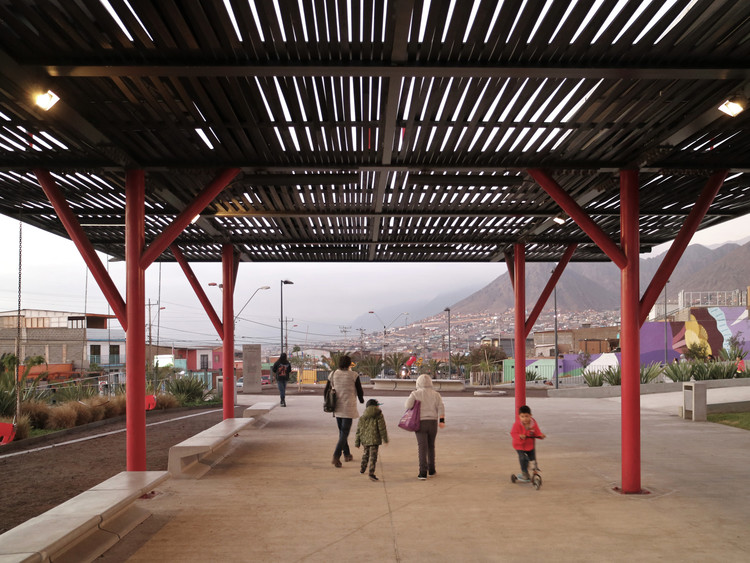
It is time to say goodbye to 2018. Following our showcase of the best architecture of the year, we have gathered the Chilean projects that generated the most engagement on our social media platforms. Indeed, in the architectural field, understanding where design is heading requires looking at its key works and observing how the public has responded to them.
As the end of the year approaches, we would like to thank you all once again for making 2018 our best year yet. Thanks to your continuous support and our close connection with our readers, we now reach far more architects around the world, inspiring them to create better urban environments.
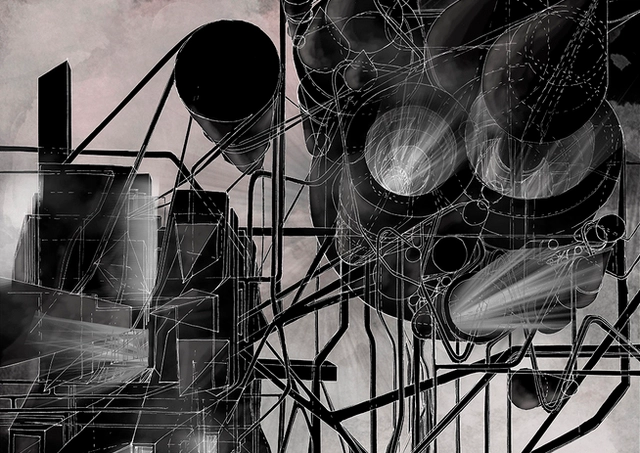
Every two years, the International VELUX Award challenges architecture students from around the world to envision the future of daylight, drawing inspiration from creative exploration and research.
For the 2018 edition, the jury—composed of Carme Pigém Barceló, Rick Joy, Li Hu, Saša Begovic, and Martin Pors Jepsen—has announced the global winners. Selected from among the 9 regional winners, the chosen projects are ‘Light Forms Juggler’ by Anastasia Maslova, and ‘Road to Light’ by Yuhan Luo, Di Lan, Yuan Liu, and Yusong Liu.
As 2018 draws to a close, it leaves us with a particularly interesting realization. Given its visual nature, Instagram has become a highly important tool for the dissemination of architecture in the digital era.
On our account, we share the various projects published on the site and keep track of the photographs with the most engagement. Do you know which images were our most popular on Instagram in 2018?
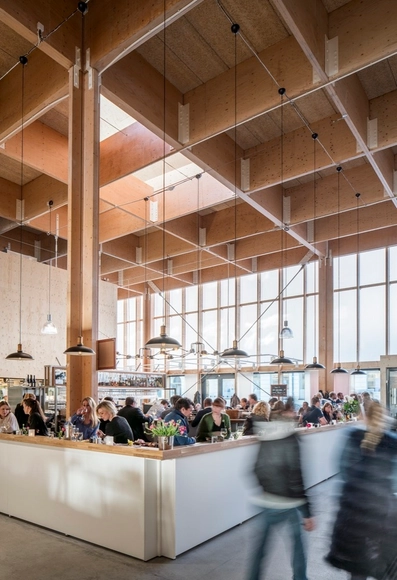
Throughout history, markets have provided an important function in the exchange of foods, books, spices, everyday items, and even ideas. From Mexican Tianguis to North African Souks, they played an essential element in the configuration of urban spaces.
Different architects have approached this challenge, where spatial distribution plays a fundamental role in creating adequate logistics and circulation.
We've selected 20 markets and their plan and section to inspire your next project.
Architecture is powerful, and like nuclear energy, it all depends on how it is used. While it can create uninhabitable municipalities, it can also create safer cities that improve quality of life.
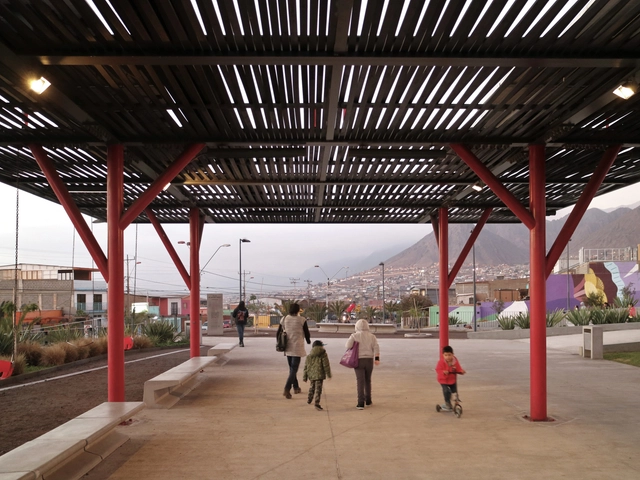
In various examples, urban design has provided a response to deteriorated or abandoned public spaces. It has shown that distribution and lighting are essential, but that it is also necessary to consider who will be using the space and how to make it an environment that generates community.
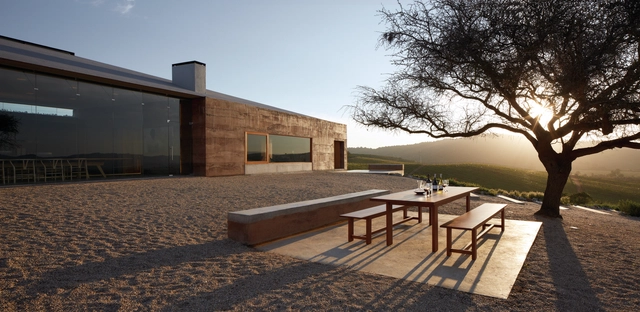
Casa Mirador at Viña Casas del Bosque won the “Architecture and Landscape” category at the International Best Of Wine Tourism 2019, awarded by Great Wine Capitals, competing against wineries from the world's ten most important wine-growing regions.
What does it mean for an architecture biennial—especially a Pan-American one—to have reached more than 20 editions? Clearly, it represents a significant accumulation of participants, speakers, coordinators, and projects that over the years have not only showcased the sheer volume of regional production, but have also consistently reminded us of the potential of keeping both Latin American and global debate and exchange active.
For this reason, it is worth highlighting key figures and milestones. Both serve as empirical evidence of the historical development and reach of the Quito Architecture Biennial, helping us answer this initial question and understand why it is considered one of the most important architectural events in the Americas.
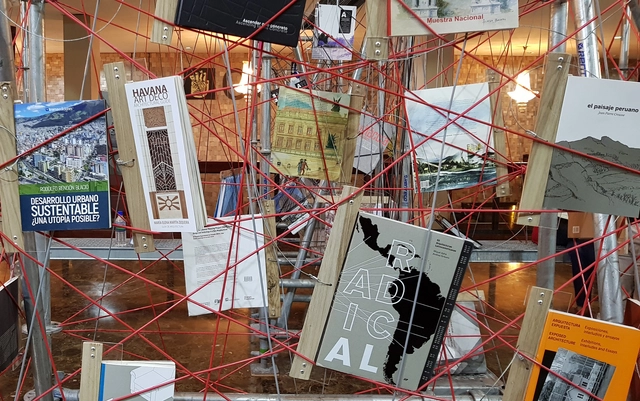
Exhibition of publications at Casa de la Cultura - BAQ2018 . Image
On Wednesday, November 21, the verdict of the competition of the XXI Pan-American Architecture Biennial of Quito - BAQ 2018 was announced.
Divided into six categories, the various juries selected projects and publications that stand out for making a significant contribution to their respective fields, offering relevant lessons for the discipline.
Below, we present the winners in Category (E) Theory, History, and Criticism of Architecture, Urbanism, and Landscape, and Category (F) Specialized Periodical Publications.
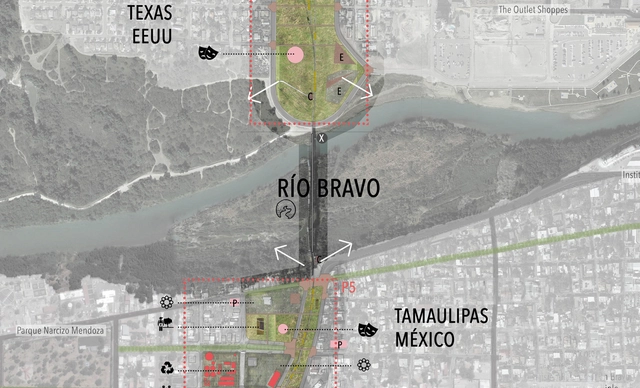
Corredor Cultural Binacional Laredo Nuevo Laredo - Proyecto destacado. Image Cortesía de XXXIII ELEA Santa Cruz
As part of the XXXIII Latin American Meeting of Architecture Students, the organizing committee launched an open call for students and young architects to participate in the XI Latin American Student Architecture Biennale, under the theme "Identity, Customs, and Traditions."
The selected projects were exhibited during the week of the ELEA event—from October 19 to 29—in the lobby of the main auditorium of the Private University of Santa Cruz de la Sierra (UPSA). The jury, consisting of four guest architects at the XXXIII ELEA, selected the grand prize winner of the biennale and recognized two projects out of the 16 finalists. Discover the projects below.
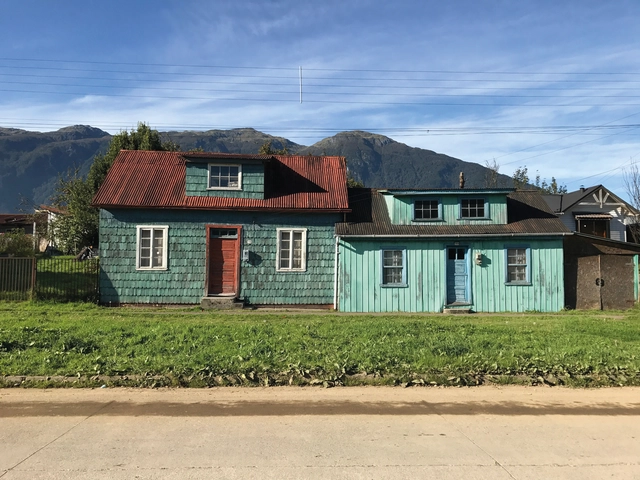
"Casas en el valle del río Simpson: el patrimonio desconocido de Aysén"by Lorena Pérez, Tomás Errázuriz, and Carlos Castillo, published by Fundación ProCultura, reclaims the vernacular architecture developed during the late colonization period in the region's residences, addressing their ways of inhabiting, transformations over time, and building systems.
The book explores a type of self-construction that does not follow blueprints or architectural models, but rather responds to the environment, traditions, locally available materials, and a myriad of other factors, resulting in a heritage unique to Chile.
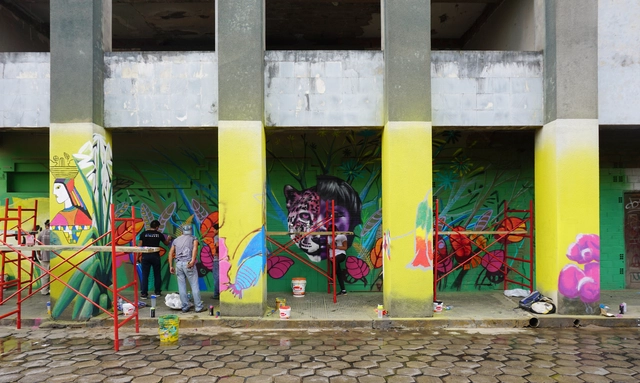
Painting Latin America, an encounter workshop that recovers the galleries of an abandoned building in the heart of the historic center of Santa Cruz. Image
In Santa Cruz de la Sierra, more than 150 students from 15 countries kicked off the 2018 Latin American Encounter of Architecture Students (ELEA), organized by the Latin American Coordinator of Architecture Students (CLEA) together with IBEA (Bolivian Integration of Architecture Students). As is now tradition, they joined forces with various public and private entities, architecture collectives, workshop leaders, educators, and members of civil society to think, design, and build across different points of the city under the theme "identity crisis?".
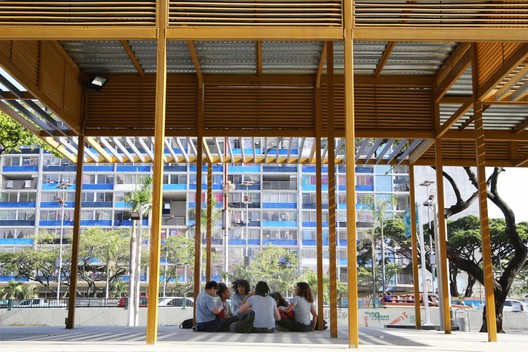
The "Amenidades Urbanas" public initiative addresses co-production based on outreach and participation, responding to the challenge of connecting "different natures" within a single system: a sector in Caracas fragmented by large-scale infrastructure projects.
The first phase of these built urban interventions consists of diverse actions aimed at reactivating civic spaces. These new dynamics seek to redefine the street as a space for dialogue and mediation, occupying neglected voids and reclaiming the city's original human scale.
Read on to learn more about the project in the words of its authors.
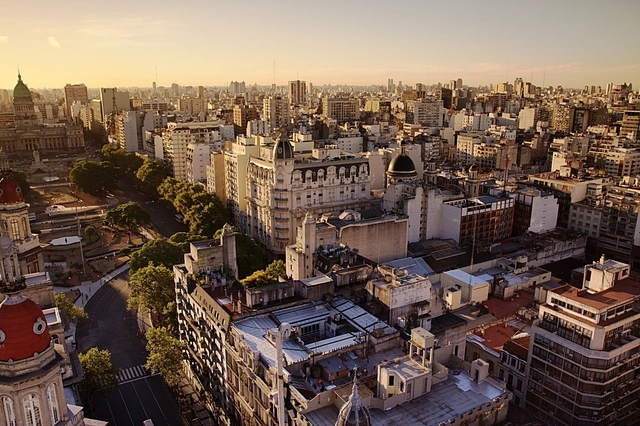
More than 100 buildings will open their doors during Open House Buenos Aires 2018, the architecture festival that, over the course of two days—October 27 and 28—will grant access to numerous buildings of architectural value that are normally closed to the public.
As is the case every year, the festival is completely free, offering a unique invitation and opportunity to rediscover both the architecture of the Autonomous City of Buenos Aires and the stories of its citizens.
Discover all the buildings you can visit during the event below.
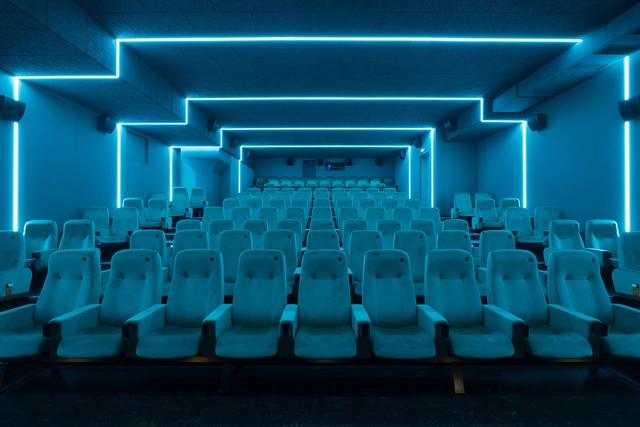
The link between architecture and cinema is unquestionable, as is the magic of seeing a film in a place structured specifically for this contemplative activity. The design requires architectural solutions that not only respond to the distribution of seats and visibility of movie-goers but also to acoustics and lighting.
Various projects published on our site highlight how architects have responded to this challenge in innovative ways. Below, stunning 10 movie theaters with their plans and drawings.
At ArchDaily en Español, we recognize the need to maintain constant contact with architecture students, who will be responsible for designing and building the cities of the future. For this reason, we periodically open a call for applications to join our editorial team through our internship program.
If you currently reside in Argentina, this could be your opportunity to contribute local content to the world's most visited architecture platform, which inspires and informs hundreds of thousands of architects around the globe. If you are interested, please read on.
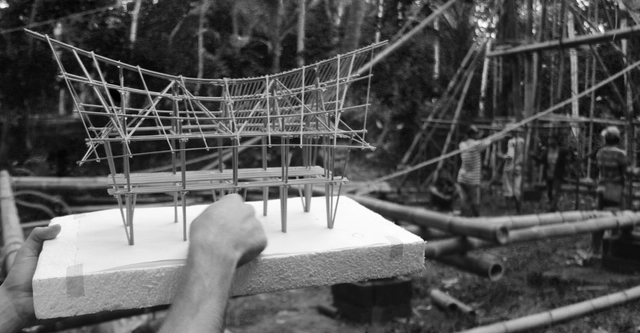
It's not easy to find theory in the implementation of architectural models: a practical model that allows you to analyze and showcase the organization of material elements according to a particular process. They also allow you to detect and modify the key elements of a project while also addressing the project's executive procedures.
Together with architectonic construction details, the development of the constructive facets is pushed to the background up until the ultimate steps of the design process, but this is also when we identify what is appropriate for a certain stage in the process in order to facilitate a seamless execution.
In the search to bring ourselves closer to the presentation and utility of architectural models, we invite you to take a look at a series of examples:
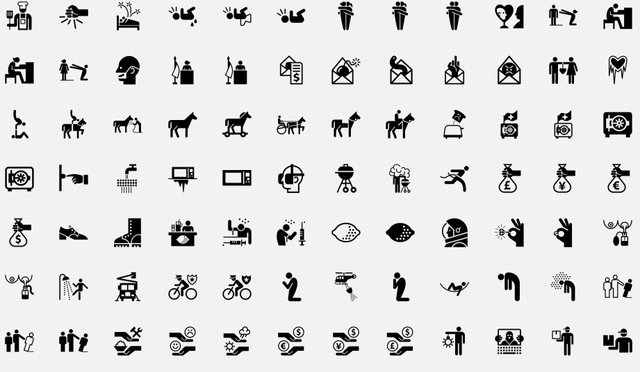
The title says it all: if you've spent hours browsing the web for simple design icons for diagrams and architectural representation - a relevant tool to optimize organization, analysis, and communication - then this universal online library from The Noun Project will be very useful.