Fabian Dejtiar

Architect and Project - Team Lead at ArchDaily Instagram: @ fabe.de

BROWSE ALL FROM THIS AUTHOR HERE
↓
Subscriber Access

Open Question: Is it really possible to design for everyone?

Many of us agree with Roman Mars of 99% Invisible when he says that "we tend to not notice well-designed things"—yet many also agree that design is often perceived as being for only a select few. Consequently, we must ask ourselves what is truly democratic when it comes to design, and from there, help define and contribute our vision toward a more just society.

From the perspective of design and architecture, we can approach the democratization of design from various angles—from incorporating design into everyday needs to designing inclusively. At the core of it all lies the search for solutions that improve accessibility and livability in our daily lives.

Subscriber Access

Neighborhood Stories: The Rengifo Housing Complex in La Serena

Neighborhood Stories: The Rengifo Housing Complex in La Serena - Featured Image
Cortesía de Equipo Relatos de Barrio

What do we mean by heritage? This is one of the main questions raised by Alejandro Orellana, director of Relatos de Barrios—a Chilean project that seeks to reclaim the heritage and historical value of housing complexes, highlighting the community dimension behind the lives of their residents.

A documentary and a book are the results of their experience with the “CCU Worker Housing” in La Serena, later renamed the “Rengifo Housing Complex.” Designed in 1957 by architect Carlos Feuereisen Polanco and built in 1958 by Negochea and Vergara, it represents a characteristic housing typology of the city.

Subscriber Access

Architecture and Food: MAIO's Urban Kitchen in the Heart of Plaza Cataluña

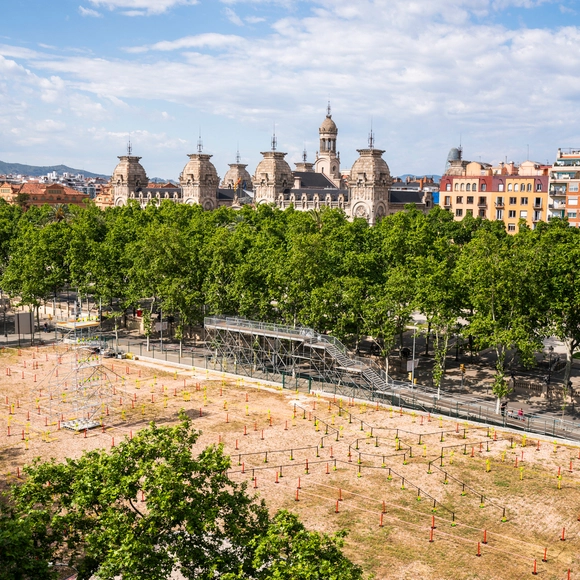
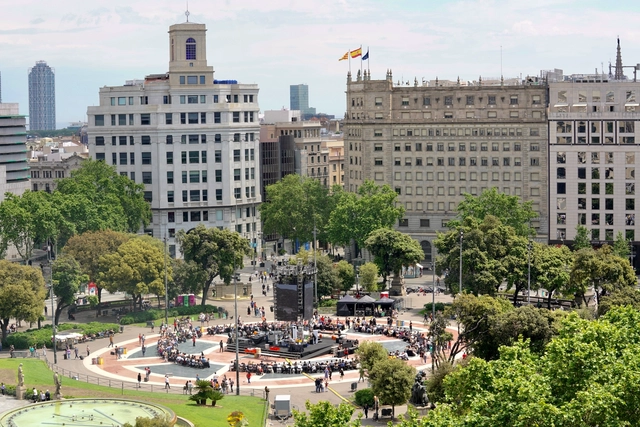
Covering around five hectares, Plaza de Cataluña is one of Barcelona’s primary hubs—a gathering point for a diverse local community and tourists of all cultures and backgrounds. Here, the architecture firm MAIO designed and built an urban kitchen for the Model Festival, an event that turned the city into a laboratory for experimentation and debate for ten days in May.

Subscriber Access

Chronotopic Memory: An Installation to Reflect on Barcelona's Past and Future Architectures

"Memoria Cronotópica" is a temporary installation by the studio FLEXOARQUITECTURA that took place on the site of Barcelona's former municipal courts during the Model Festival — an event that for ten days in May turned the city into a site for experimentation and debate.

The project sought to reflect on the logic of circularity and reuse through the documentation and juxtaposition of the site's lost architectures between the 7th and 21st centuries—from the medieval necropolis to the courthouse building, including the Fusina gardens and the Palau de Belles Arts.

Subscriber Access

"A city is made up of buildings like a screen of pixels: if there is one dead, the whole thing is ruined," our readers weigh in on aesthetics

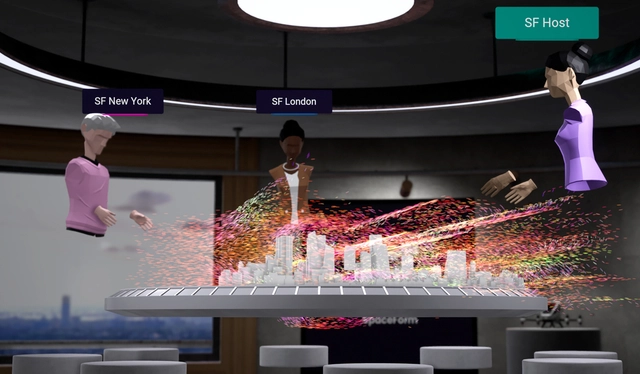
Architects, designers, psychologists, and sociologists alike recognize that aesthetics and their underlying philosophy have the power to change how we perceive the world around us. Consequently, a deeper understanding of what is beautiful has the power to shift how people respond to their environment. Exploring the different meanings of aesthetics in architecture—from 'form follows function' to the new aesthetics of the metaverse—can help us understand the potential of our physical and virtual environments on the path toward a better world.

Much has been written on the subject, from Alberto Pérez-Gómez's Lo bello y lo justo en la arquitectura to Pablo Caldera's El fracaso de lo bello. However, we wanted to open the debate to our readers to share their views on what makes a building or a city beautiful.

After reading and compiling around 300 comments from construction professionals, students, and architecture enthusiasts alike, it was a pleasant surprise to find common ground regarding the importance of collective beauty, referencing both the urban and natural contexts.

Subscriber Access

"The future of architectural visualization will be more democratic, liberal, and decentralized," according to our readers

From NFTs and the Metaverse to the productive advantages of real-time rendering, this year offers a tremendous opportunity to discuss the latest trends in architectural visualization. To this end, we opened the debate to our readers around these questions: How much can we learn from other related industries like cinema, video games, and industrial design? How can architecture contribute to and advance the world of visualization?

After reading and compiling all the comments received—from construction professionals, students, and architecture enthusiasts alike—we agree that as technological advancements continue, the future of architectural visualization will likely be more democratic, liberal, and decentralized. Below, we share the most frequent viewpoints from our readers.

Subscriber Access

5 Augmented Realities with Speculative and Futuristic Visions of Barcelona

How do we actually give citizens the ability to discover and understand what is happening around their cities? This is one of the key questions raised by Eva Franch, artistic director alongside Beth Galí and José Luis de Vicente of Model - Barcelona Architectures Festival.

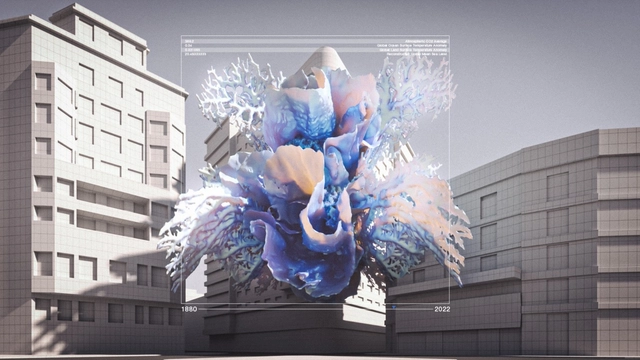
How do we bring these issues to the table, into public debate, and into the public sphere? One answer could lie in augmented realities—technologies that allow us to visualize parts of the real world overlaid with new information through a technological device. For this architecture event, in addition to the five temporary physical installations scattered throughout the city, five augmented reality installations were produced, reflecting the event's different themes: Between-Generations, Between-Cultures, Between-Species, Between-Classes, and Between-Materials.

Subscriber Access

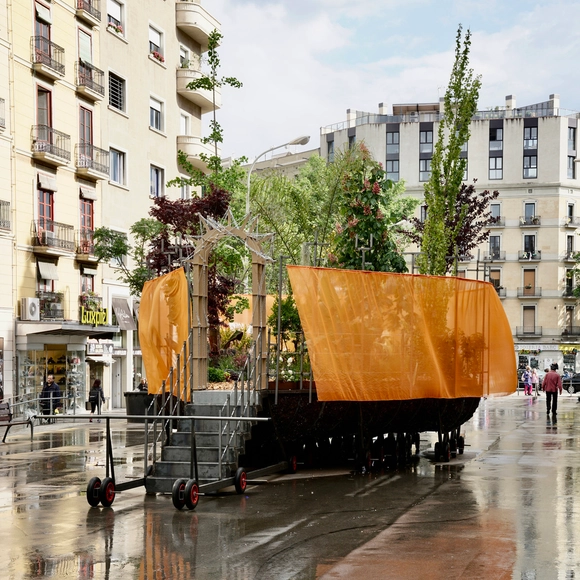
"Ark of Coexistence": LEA Atelier + TAKK Build a Portable Garden in Barcelona's Ronda de Sant Antoni

"Arca de Convivencia" is a temporary installation designed by LEA Atelier and TAKK Architecture for the Model Festival—an event that, for ten days in May, turned the city of Barcelona into a testing ground for experimentation and debate. Located on Ronda de Sant Antoni, this mobile artifact houses a multitude of trees, plants, shrubs, and insects, reminding us of the urgent need to create public spaces that reverse the effects of global warming and foster biodiversity.

Subscriber Access

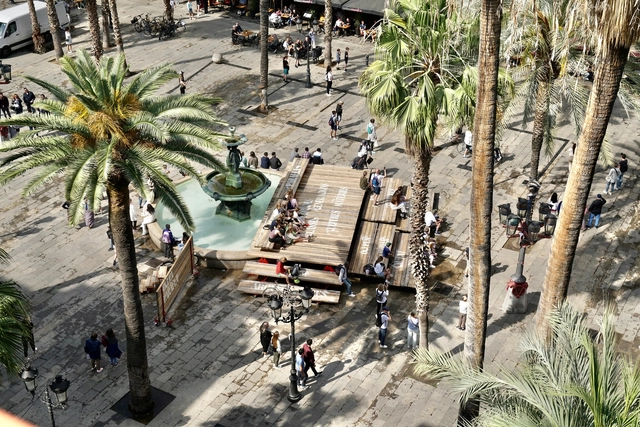
"Occupying the Center with the Word": An Installation on Debate, Public Space, and the City at Barcelona's Plaza Real

From May 5 to 15, Barcelona's Plaza Real was transformed into one of the hubs for debates on architecture and the city during the MODEL Festival. The ephemeral installation "Occupy the Center with the Word"—led by the ELISAVA Barcelona School of Design and Engineering under the direction of Roger Paez, in collaboration with Manuela Valtchanova, Albert Fuster, and Toni Montes—sought to "create optimal conditions for both encounters and disagreements to take place, always through the spoken word."

Subscriber Access

Eva Franch I Gilabert: “We Need to Produce New Models With New Values”

Eva Franch I. Gilabert is one of the three artistic directors of Model. Barcelona Architectures Festival, together with Beth Galí I. Camprubí and José Luis de Vicente. The first edition of a project that has taken the city of Barcelona as a place for experimentation and debate.

From the 5th to the 15th of May, they took the public space and transformed it into both a playground and platform for international voices, local architects, policymakers, politicians and citizens, to engage and discuss what the future of Barcelona and other cities could be.

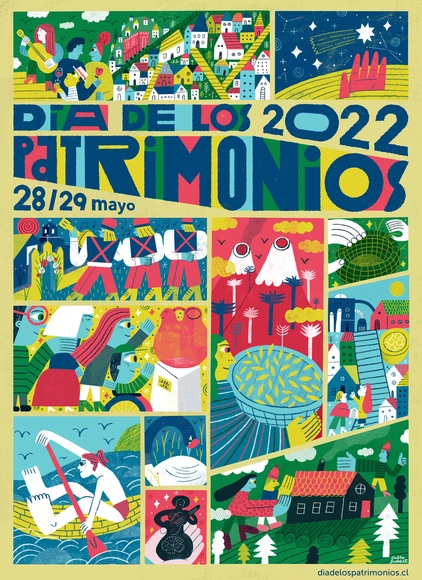
Heritage Day in Chile 2022: Architecture

This Saturday, May 28, and Sunday, May 29, the Día de los Patrimonios (Heritage Day) will take place, a cultural event that provides an opportunity to engage with the various manifestations and heritage assets present in Chile.

Is It Possible to Transform the Port of Barcelona into a Large Urban Park?

'PARC BLAU' is an experimental proposal to reflect on the future of cities presented by the architecture studio ON-A in the framework of Model. Festival of Architectures of Barcelona - a space to rethink how we want to live together through new urban models.

The project addresses a possible transformation for the port of Barcelona into a large urban park, a future for the area that offers the opportunity to re-naturalise the space, turn it into a park, fill it with life and allow citizens to enjoy it without renouncing the services currently established in the area.

Subscriber Access

Open question: what makes a building beautiful?

Architects and designers, as well as psychologists and sociologists, recognize that aesthetics and its underlying philosophy have the power to change how we perceive the world around us. Consequently, a deeper understanding of what is beautiful holds the powerful potential to alter how people respond to their environment.

Exploring the different meanings of aesthetics in architecture, from 'form follows function' to the aesthetics of the metaverse, can help us understand the potential of our physical and virtual environments on the path toward a better world.

Much has been written on the subject, from Alberto Pérez-Gómez's "The Beautiful and the Just in Architecture" to Pablo Caldera's "The Failure of Beauty." Now, however, we want to open up the debate and invite you, our readers, to share your perspectives on what makes a building or a city beautiful.

Share your thoughts in the form below. Selected responses will be published in an upcoming article.

Fernando Pérez Oyarzún, National Architecture Award of Chile 2022

Today, Friday, May 20, the National Board of the Colegio de Arquitectos de Chile announced Fernando Pérez Oyarzún as the winner of the 2022 National Architecture Prize—the highest honor an architect can receive in Chile, previously awarded to prominent figures such as Germán del Sol, Enrique Browne, Teodoro Fernández Larrañaga, and Edward Rojas Vega, among others.

Subscriber Access

What makes a building beautiful?

Architects and designers, as well as psychologists and sociologists, recognize that aesthetics and its underlying philosophy have the power to change how we perceive the world around us. Consequently, a deeper understanding of what is beautiful has the power to reshape how people respond to their environment.

Exploring the different meanings of aesthetics in architecture—from "form follows function" to the aesthetics of the metaverse—can help us understand the potential of our physical and virtual environments on the path toward a better world.

Much has already been written on the subject, but we now want to open the debate to you, our readers. Share your thoughts on what makes a building or a city beautiful.

Leave your comments in the form below. These will be selected and published in an upcoming article.

Subscriber Access

"Reversing the Pyramid", the installation by OJO Estudio for Model: Barcelona Architectures Festival

On May 5, the first edition of the Model. Barcelona Architectures Festival officially opened. Jointly organized by the Barcelona City Council and the Association of Architects of Catalonia (COAC), the event is led by artistic directors Eva Franch i Gilabert and Beth Galí, along with cultural researcher José Luis de Vicente. It brings us closer to experimental architecture, helping us rethink how we want to live together through new urban models and new imaginaries.

Through five temporary architecture installations located along a circuit in Ciutat Vella—starting at Plaza de Catalunya, the Sant Antoni slab, Plaza de Idrissa Diallo, Paseo de Lluís Companys, and Plaza Reial—the festival explores its five major themes under the central concept of "Regrow": Between-Classes, Between-Cultures, Between-Species, Between-Generations, and Between-Materials.

In this context, we present the installation "Reversing the Pyramid" by OJO estudio.

Subscriber Access

5 Installations Inaugurate the Model Barcelona Architectures Festival

On the 5th of May, the first edition of Model. Festival of Architecture of Barcelona was inaugurated. An event organised jointly by Barcelona City Council and the Architects' Association of Catalonia (COAC) that brings us closer to experimental architecture and helps us to rethink how we want to live together through new city models and new imaginaries.

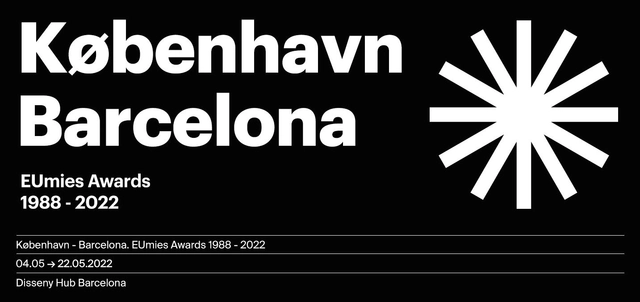
Copenhagen / Barcelona: EUmies Awards 1988-2022 Exhibition

Copenhagen and Barcelona will be the next World Capitals of Architecture in 2023 and 2026. Having developed along the water—the Baltic Sea and the Mediterranean—both cities now face the challenges of the climate emergency.