CicloVivo

BROWSE ALL FROM THIS AUTHOR HERE

São Paulo launches initiative to promote green public spaces

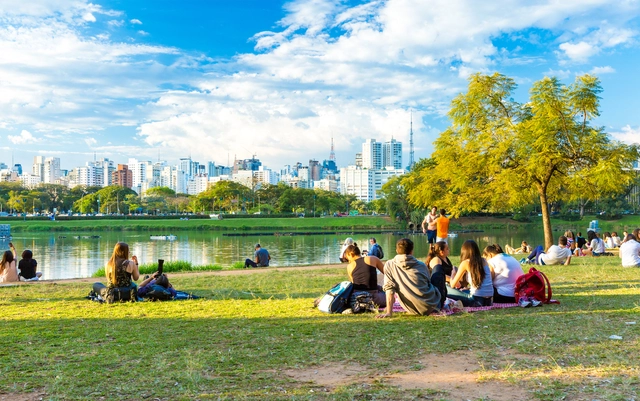
Earlier this month, the Viva o Verde SP project was launched. The result of a partnership between the São Paulo Municipal Government and UN-Habitat (United Nations Human Settlements Programme), the initiative is set to guide new municipal public policies aimed at improving the quality of green public spaces.

Initially, improvements will be proposed for 111 parks across the city of São Paulo. The goal is to achieve equity in the spatial distribution and accessibility of public green areas. “This will be an ongoing effort, not just to expand the number of parks. They will conduct diagnoses starting with ten main parks, followed by a batch of 80 parks, eventually reaching all 111 parks, identifying the specific improvements that need to be made,” said Mayor Ricardo Nunes.
Climate events could push millions into extreme poverty in Brazil

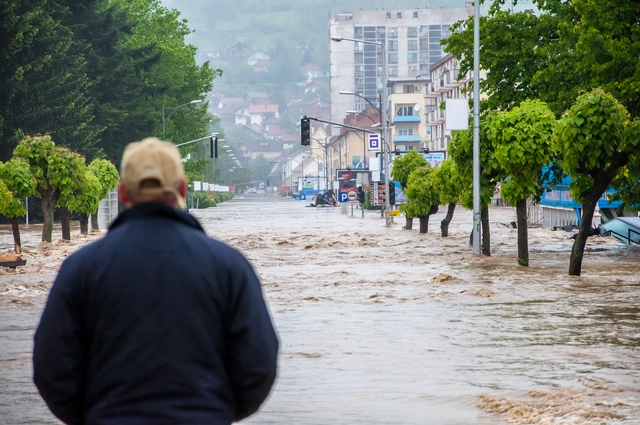
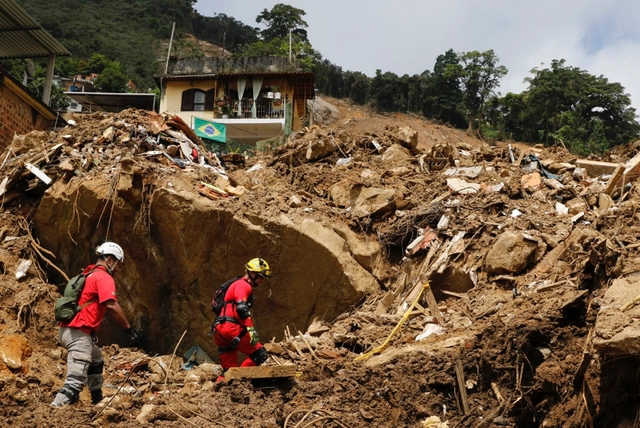
Climate-related events could push between 800,000 and 3 million Brazilians into extreme poverty by 2030. The data comes from the Country Climate and Development Report for Brazil (CCDR), released in early May by the World Bank. According to the study, which assesses policies and options for the country to meet its climate and development goals, droughts, floods, and urban flooding cause losses of R$ 13 billion (0.1% of the 2022 GDP) per year.

4 Ways to Harvest Rainwater and Reuse Graywater

Subscriber Access | 

Water scarcity is seasonal in many regions, and harvesting and storing rainwater is an effective way to prepare. Another approach is to reuse domestic graywater. Gardens and green roofs can be used as cisterns for this purpose.

João Manuel Feijó, an agronomist and specialist in biophilic design, explains that graywater is wastewater from showers, sinks, bathtubs, washing machines, and dishwashers. It accounts for a large percentage of residential wastewater: between 50% and 80%.

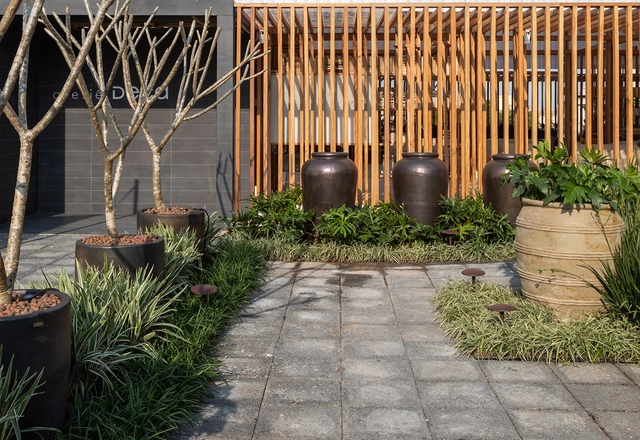
4 Ways to Harvest Rainwater and Reuse Graywater - Imagem 1 de 44 Ways to Harvest Rainwater and Reuse Graywater - Imagem 2 de 44 Ways to Harvest Rainwater and Reuse Graywater - Imagem 3 de 44 Ways to Harvest Rainwater and Reuse Graywater - Imagem 4 de 44 Ways to Harvest Rainwater and Reuse Graywater - More Images+ 1

What is urban mining?

Subscriber Access | 

Urban mining seeks to explore and recover valuable resources found within the waste discarded in cities. While traditional mining extracts raw materials directly from the earth, this concept focuses on those hidden within products discarded by the population, such as plastic, glass, and ferrous and non-ferrous metals (iron, gold, silver, aluminum, copper, etc.) that can be reused by industry.

Simply put, while traditional mining focuses on virgin minerals, urban mining recycles and recirculates these materials from items returned by consumers after use. When disposed of improperly (in regular trash or the environment), they can end up in open landfills or dumps, harming flora, fauna, and human health.

Award recognizes projects that transform cities into "walkable" ones.

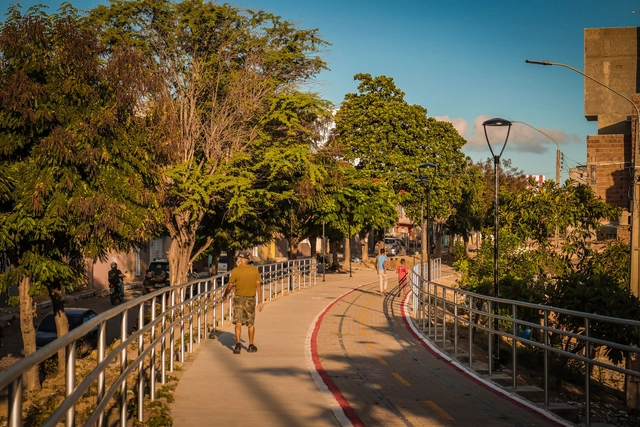
In Brazil, over 80% of the population lives in urban areas, and walking is the primary mode of transportation in cities, accounting for 39% of daily trips, according to the ANTP (National Association of Public Transport). If we consider that public transit trips start and end on foot, walking is involved in about 67% of daily journeys. Since walking is already the reality for Brazilians, what is missing? Improving urban infrastructure to make cities more "walkable."

Fortaleza Receives $1 Million Prize to Invest in Cycling Infrastructure

To help celebrate World Bicycle Day on June 3, ten cities worldwide received a major boost: they were selected to receive key support for building innovative cycling infrastructure and sustainable mobility options for their residents. The Bloomberg Philanthropies initiative is called BICI, short for the Bloomberg Initiative for Cycling Infrastructure.

Fortaleza, Brazil, will receive a special prize of US$1 million. Addis Ababa, Ethiopia; Bogotá, Colombia; Lisbon, Portugal; Milan, Italy; Mombasa, Kenya; Pimpri-Chinchwad, India; Quelimane, Mozambique; Tirana, Albania; and Wellington, New Zealand, will each receive US$400,000 in funding.

Trash barrier installed in Guanabara Bay

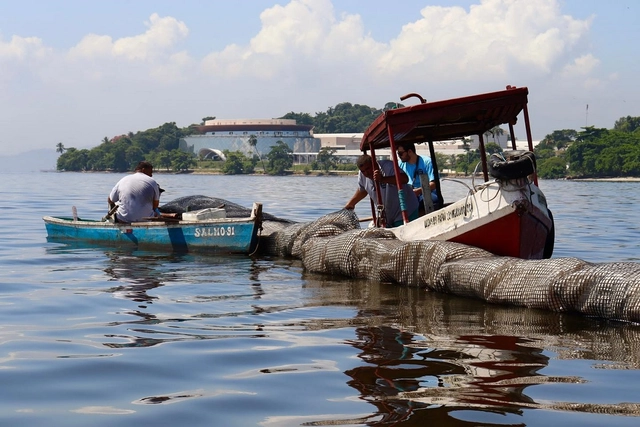
An experimental barrier to collect floating trash at Prainha on Ilha do Fundão, located on the coast of Guanabara Bay in Rio de Janeiro, was installed in early June by the Orla Sem Lixo (Trash-Free Shoreline) Project. The initiative aims to find a sustainable alternative for managing floating waste in coastal and adjacent marine areas, fostering a knowledge exchange between the local fishing community and researchers.

Diário do Clima monitors and filters information on environmental policies

How are Brazilian municipalities preparing to face climate change? What laws are being created? How are resources being invested? To increase transparency regarding public policies focused on the climate and the environment, the Diário do Clima was created.

Trees act as natural air conditioners and can lower city temperatures by up to 3°C

Subscriber Access | 

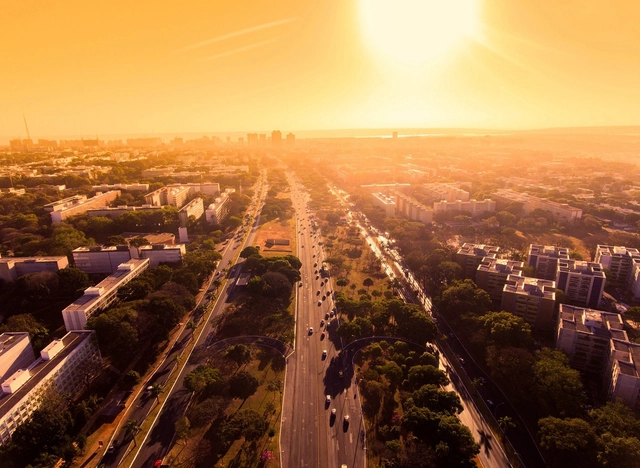
The capacity of trees to naturally cool cities is one of the key benefits of promoting urban planting. In the Federal District, urban afforestation has been studied to guide public policies toward the sustainable use of natural resources. Architecture and Urbanism student Júlia Almeida, from the University Center of Brasília (CEUB), measured the microclimatic influences of vegetation at the residential scale in Brasília, proving the power of greenery to improve quality of life.

Floating solar power plant is tested at the Billings Reservoir in São Paulo

The pilot project for São Paulo's first floating photovoltaic plant began operations on February 28, 2020, at the Billings Reservoir, adjacent to the Pedreira pumping station. A total of R$ 450,000 was invested in equipment, and the 100-kilowatt facility occupies an area of 1,000 square meters.

"SP/Amazon Connection: Climate Action" brings together environmental debates and art

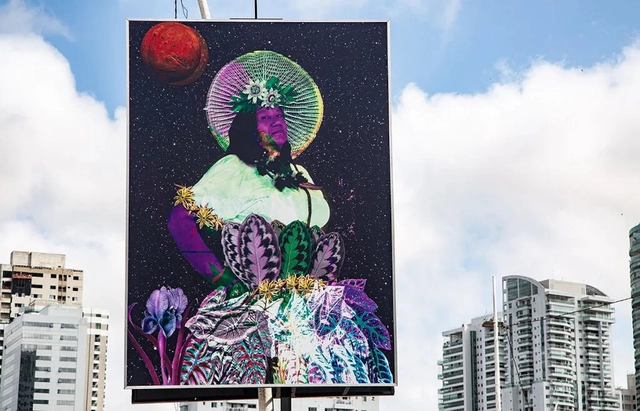
From November 23 to 25, "SP/Amazon Connection: Climate Action" will host a seminar on communication, art, and climate urbanism, featuring free workshops, debates, lectures, and exhibitions at the Centro Cultural Banco do Brasil São Paulo (CCBB SP). To conclude the event's programming, an art installation will be on display on the exterior wall of the CCBB Annex until December 25.

Conceived by Novo Acordo Verde (NAVE) and the Fervura platform, "SP/Amazon Connection: Climate Action" strategically uses artistic expression and the occupation of urban public space as tools to amplify information. It aims to connect the general public with topics like the climate crisis and the essential solutions needed for humanity and the environment to overcome history's greatest challenge.

Brazil surpasses 500,000 solar energy consumer units in 2021

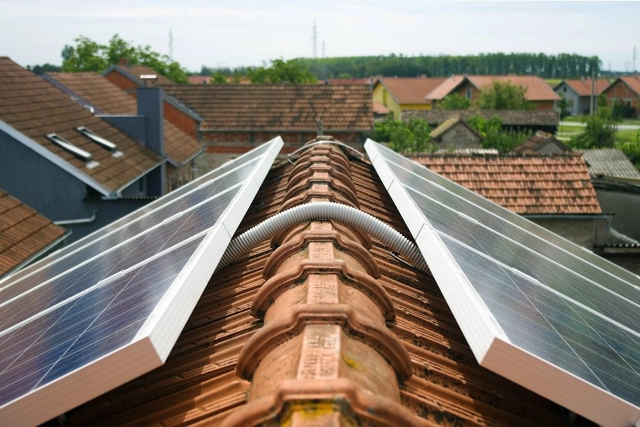
According to the Brazilian Photovoltaic Solar Energy Association (ABSOLAR), in February 2021, Brazil reached the milestone of 500,000 distributed solar photovoltaic generation (DG) consumer units, with the majority of installations (73.6%) located in residential properties. The association points out that, of the total consumers, small businesses represent 16.6%, followed by the rural sector and industry, at 7% and 2.4%, respectively. To supply these 500,000 units, 400,000 solar systems have been installed.

Study maps the condition of sidewalks in the city of São Paulo

Life is not easy for pedestrians in the periphery of São Paulo – especially in neighborhoods like Brasilândia, Guaianases, Cidade Tiradentes, and Sapopemba, where the percentage of narrow sidewalks (less than two meters wide) is higher than the city average. Meanwhile, areas such as Mooca, Lapa, Pinheiros, Vila Mariana, and Sé stand out positively. In these neighborhoods, the percentage of sidewalks wider than three meters is above the city average. Experts consider two meters to be the minimum width to ensure safe pedestrian mobility.

iFood Headquarters in Osasco Features a 950-Square-Meter Urban Farm

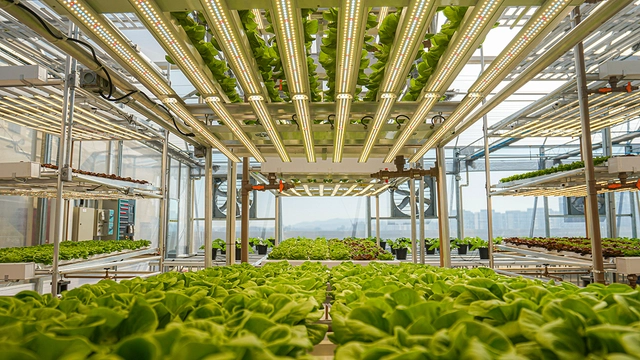
In partnership with BeGreen, Latin America's first urban farm, iFood has opened an urban farm on the rooftop of its headquarters in Osasco, Greater São Paulo. The 950-square-meter facility is dedicated to cultivating 1.7 metric tons per month of fresh, pesticide-free greens, fruits, and vegetables.

Located on the building's seventh floor, the urban farm aims to direct its entire production to the 3,000 families registered with the Osasco Food Bank. The first official harvest will take place in August and will be entirely donated to the municipal project.

How to use permeable paving?

Subscriber Access | 

There are many ways to introduce more greenery into our homes and cities, such as bird-attracting trees, vegetable gardens, and medicinal plants. However, certain outdoor zones must serve as pathways, recreational areas, parking spaces, or other functions. For these areas, permeable paving offers an excellent alternative.

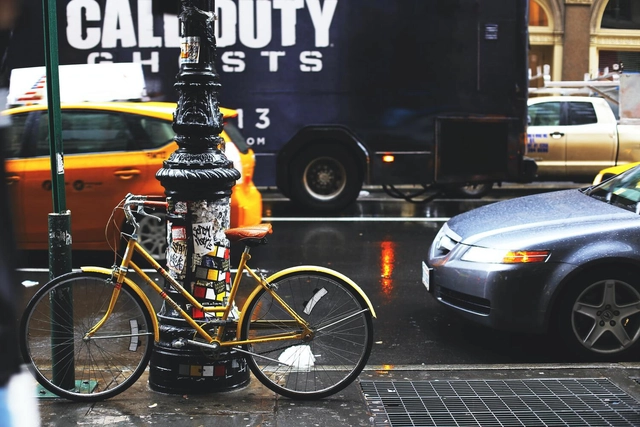
Digital calculator compares costs of transportation modes

Climate change, rising fuel prices, the financial crisis, the importance of physical activity, and traffic congestion in large urban centers are among the reasons driving people to rethink their daily habits and monthly expenses—with transportation representing a significant portion of these costs.

California Begins Transition to All-Electric Buses by 2040

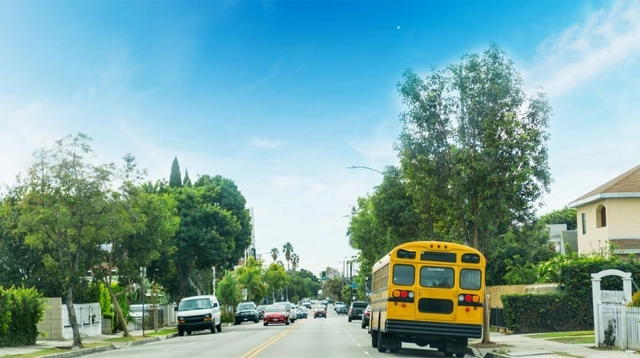
The California Air Resources Board, or CARB, is a 16-member panel (mostly appointed by the governor) that oversees air pollution control efforts in California. In December, the board approved a first-of-its-kind regulation in the US, establishing a statewide goal for public transit agencies to gradually transition to 100% zero-emission bus fleets by 2040.

Farms produce food on top of New York buildings

Subscriber Access | 

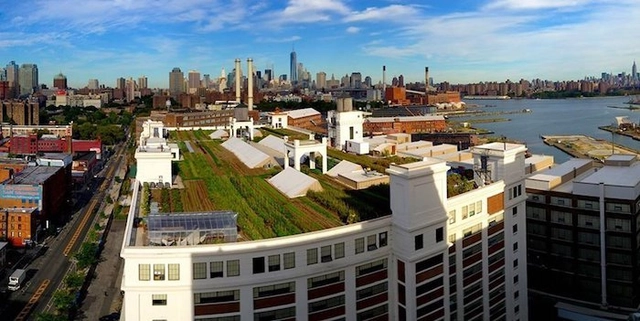
More than 36 tons of organic vegetables are grown on New York City rooftops every year. Beyond providing food, these green roofs also prevent pollutants from reaching the city's rivers.