.jpg?1563548779&format=webp&width=640&height=580)
CicloVivo
BROWSE ALL FROM THIS AUTHOR HERE
↓
Medellín Creates 30 Green Corridors to Combat Urban Warming
https://www.archdaily.com/1122468/medellin-creates-30-green-corridors-to-combat-urban-warmingCicloVivo
Solar power surpasses nuclear in installed capacity in Brazil
.jpg?1553011212&format=webp&width=640&height=580)
Brazil has just surpassed the 2,000-megawatt (MW) milestone of operational capacity in centralized solar photovoltaic generation systems—large-scale plants connected to the National Interconnected System (SIN).
According to data from the Brazilian Association of Solar Photovoltaic Energy (ABSOLAR), solar photovoltaic power—based on the direct conversion of solar radiation into electricity in a renewable, clean, sustainable, and increasingly competitive way—reached a total of 2,056 MW of operational installed capacity, equivalent to 1.2% of the country's electricity mix. As a result, it becomes the 7th largest energy source in Brazil, surpassing nuclear power, which accounts for 1,990 MW (1.2%) from the Angra I and Angra II plants located in Rio de Janeiro.
https://www.archdaily.com/1121871/solar-power-surpasses-nuclear-in-installed-capacity-in-brazilCicloVivo
Rio de Janeiro will have the world's largest urban garden, spanning 110,000 square meters
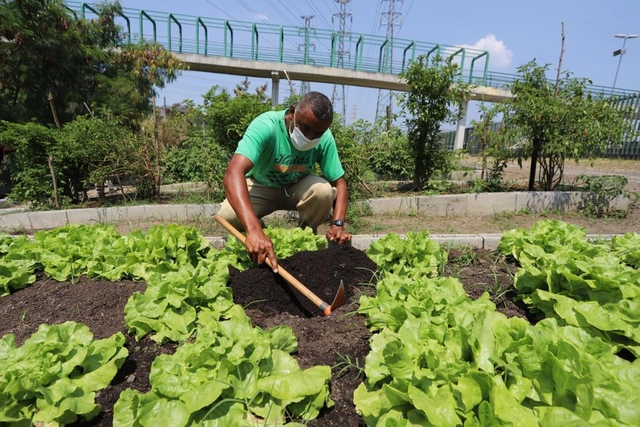
The Rio de Janeiro City Hall has announced the expansion of vegetable farming on municipal land along the Madureira Park railway line. In 2022, the area will host what is set to become the world's largest urban garden, covering 110,000 square meters.
The primary objective is to generate income and food security for 50,000 low-income families per harvest by 2024. The initiative will also establish a green corridor of vegetables running along Madureira Park to Guadalupe, in partnership with Embrapa and the utility company Light, as part of the crops will be located under the company's power transmission towers.
https://www.archdaily.com/1128511/rio-de-janeiro-will-have-the-worlds-largest-urban-garden-spanning-110000-square-metersCicloVivo
How to Help the Victims of the Rains on the North Coast of São Paulo

The rainfall that hit São Paulo's North Coast during this year's Carnival was the heaviest ever recorded in Brazil within a 24-hour period. The result is an environmental tragedy that triggered a series of floods and landslides—leaving thousands homeless and confirming 48 deaths.
Federal, state, and local authorities are working together to restore services and access to the region. As some roads reopen, officials are urging tourists to leave the North Coast as quickly as possible. Over the Carnival holiday, São Sebastião hosts more than 500,000 people—a figure five times larger than the city's local population of approximately 91,600. This influx of visitors further strains emergency services and supplies.
https://www.archdaily.com/1136445/how-to-help-the-victims-of-the-rains-on-the-north-coast-of-sao-pauloCicloVivo
IPCC calls for immediate changes with solutions that already exist
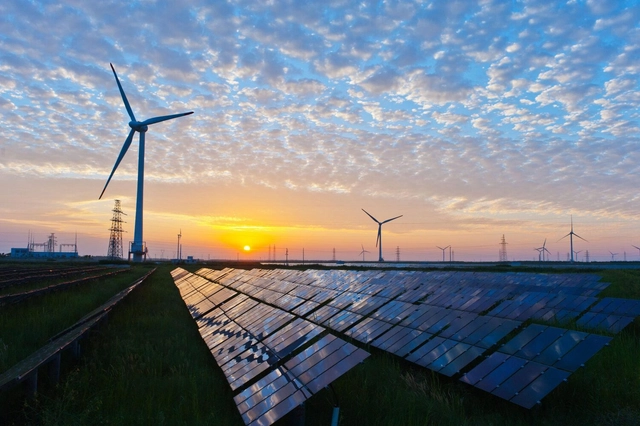
Bringing together current scientific research, a new climate science report by the UN's Intergovernmental Panel on Climate Change (IPCC) was approved and released following intense negotiations between the world's leading scientists and governments. Comprising 37 pages, the IPCC Sixth Assessment Synthesis Report (AR6) compiles six in-depth scientific and policy reports, and is primarily aimed at policymakers.
https://www.archdaily.com/1136463/ipcc-calls-for-immediate-changes-with-solutions-that-already-existCicloVivo
10 Listed Environmental Heritage Sites You Can Visit in the State of São Paulo
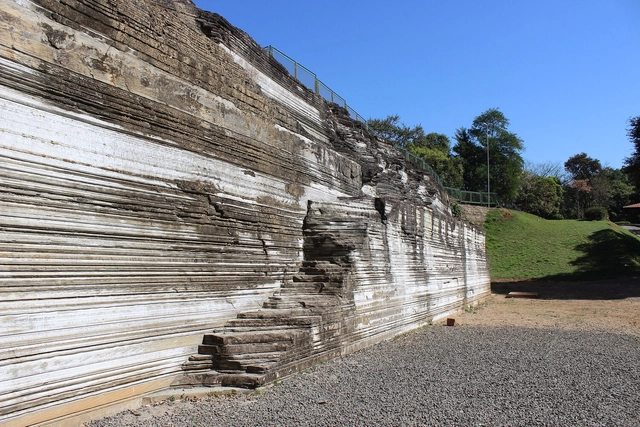
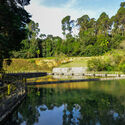
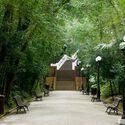
Studies link green areas to a reduction in anxiety and depression, boosted immunity in children, relief from loneliness in cities for adults, and even increased intelligence. Seeking outdoor leisure activities in contact with nature offers numerous benefits. To help you choose interesting places to visit in the state of São Paulo, we present a list of ten protected environmental heritage sites, compiled by the São Paulo State Secretariat of Culture and Creative Economy.
According to the Secretariat of Infrastructure and Environment, the State of São Paulo has 5,670,532 hectares of native vegetation in various stages of recovery. This area is equivalent to 22.9% of the state's territory. Below, check out some of the spaces that preserve this greenery. In addition to urban parks, trails, and campsites, the list even includes the headwaters of the Tietê River.


https://www.archdaily.com/1136233/10-listed-environmental-heritage-sites-you-can-visit-in-the-state-of-sao-pauloCicloVivo
4 Ways to Reuse Water at Home Year-Round
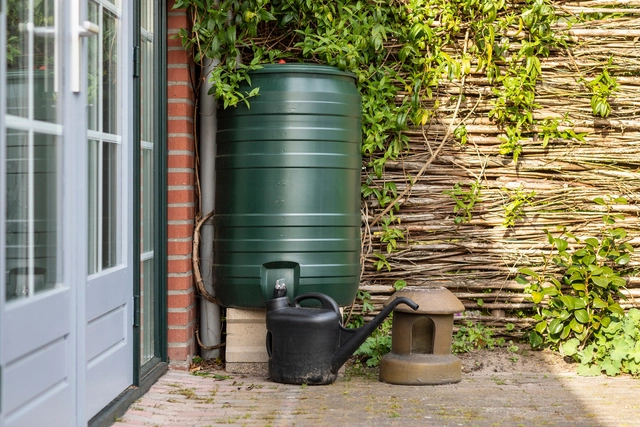
Each person needs about 110 liters of water to meet their daily consumption and hygiene needs. However, in Brazil, daily consumption can exceed 200 liters per person, according to Sabesp. Due to high water pressure in apartment buildings, this consumption can be even higher. Furthermore, the country loses about 40% of all treated water captured, according to 2022 data from Instituto Trata Brasil. Nonetheless, at least within the home, this waste of clean water can be mitigated through a few simple changes.
https://www.archdaily.com/1136229/4-ways-to-reuse-water-at-home-year-roundCicloVivo
Biophilia and green infrastructure are strategies that can mitigate flooding

During the summer months, very hot days followed by intense, high-precipitation rainfall are common. As a result, urban flooding is a frequent occurrence in large cities. However, certain architectural and urban planning solutions can help improve people's quality of life, particularly through green infrastructure interventions and the application of biophilia.
https://www.archdaily.com/1136274/biophilia-and-green-infrastructure-are-strategies-that-can-mitigate-floodingCicloVivo
Benevides, Jundiaí, and Fortaleza Win Walkable City Award
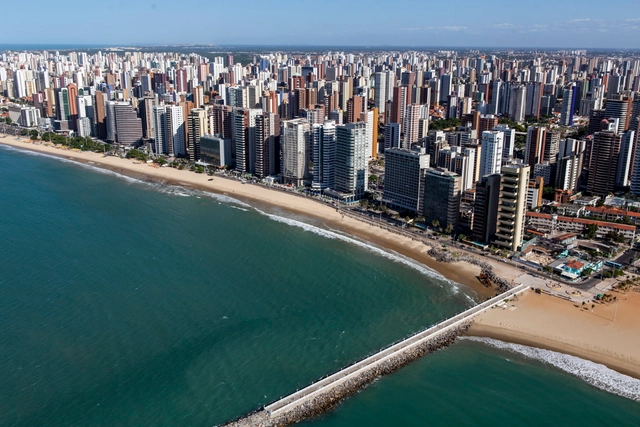
Addressing the climate crisis urgently requires transforming urban lifestyles, as cities are major polluters and energy consumers. Re-evaluating motorized vehicle use, particularly individual transport, is one of the necessary shifts in urban centers. Cities that offer safety for pedestrians, cyclists, and an efficient public transit network are increasingly essential.
Encouraging the development of urban centers where people can move actively—on foot and by bicycle—for their daily activities is the path promoted by the Instituto Caminhabilidade. To this end, it established the Walkable City Award, which highlights and inspires initiatives for walkable cities in Brazil.
https://www.archdaily.com/1136160/benevides-jundiai-and-fortaleza-win-walkable-city-awardCicloVivo
Bill Seeks to Finance Bioconstruction Under Minha Casa Minha Vida
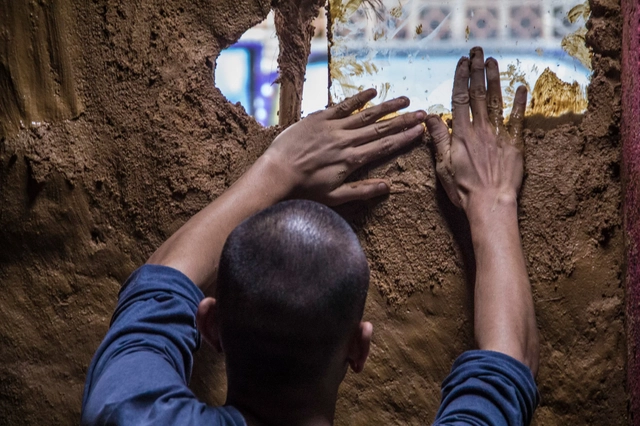
A proposal to include financing for properties built using bioconstruction techniques is awaiting the appointment of a rapporteur in the Environment Committee. The bill was introduced by Senator Randolfe Rodrigues (Rede-AP) at the request of movements advocating for affordable and sustainable social housing. The goal is to make this financing available through the Minha Casa Minha Vida program.
https://www.archdaily.com/1114872/bill-seeks-to-finance-bioconstruction-under-minha-casa-minha-vidaCicloVivo
Ecocapsule: A self-sufficient home that can be taken to remote locations

Sometimes, we cover projects so innovative and futuristic that they seem unlikely to ever leave the drawing board. Fortunately, we are occasionally proven wrong. This is the case with Ecocapsule, a micro-home that generates all the energy it needs and can be taken anywhere in the world, which has just made its international debut.
An initial run of 50 units has been launched for clients in the United States, Japan, Australia, and the European Union. From the outside, one would never guess that these tiny homes pack so many features: the exterior is covered in photovoltaic panels, equipped with a small wind turbine, and capable of collecting and filtering its own water.
https://www.archdaily.com/1114835/ecocapsule-a-self-sufficient-home-that-can-be-taken-to-remote-locationsCicloVivo
Connectivity enables dockless bike-sharing in São Paulo

Bike-sharing services have been gaining increasingly more users in several Brazilian cities. In São Paulo, Yellow's system will make 20,000 bikes available using an innovative dockless model, eliminating the need to pick up or return them to specific stations. They will be monitored via GPS through chips from Vodafone Brasil—the local partner of Datora Mobile—allowing users to connect to and locate the bikes via an app. Operations began on August 2.
https://www.archdaily.com/1114152/connectivity-enables-dockless-bike-sharing-in-sao-pauloCicloVivo
Floating park is made from plastic waste collected from a river in the Netherlands
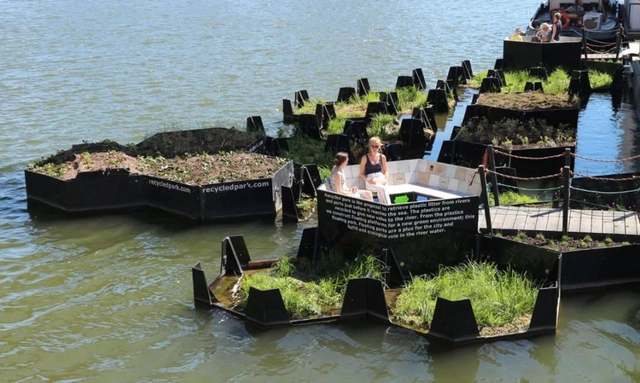
After nearly five years of design, plastic recovery, recycling, fundraising, and intensive collaboration, the first floating park made of recycled plastic has opened. The prototype was installed in the Port of Rotterdam, Europe's largest seaport, located in the second-largest Dutch city.
Measuring 140 square meters, the so-called “Recycled Park” demonstrates the potential of discarded materials. For this project, the Recycled Island Foundation collected plastics over a year and a half by installing “traps” in polluted rivers before they could reach the sea.
https://www.archdaily.com/1114166/floating-park-is-made-from-plastic-waste-collected-from-a-river-in-the-netherlandsCicloVivo
Sweden opens electric road that recharges vehicles in motion

A few weeks ago, Sweden inaugurated a road that recharges commercial and passenger vehicle batteries while driving. Named the eRoadArlanda project, the two-kilometer route was built outside Arlanda Airport in Stockholm, the country's capital.

https://www.archdaily.com/1114170/sweden-opens-electric-road-that-recharges-vehicles-in-motionCicloVivo
Maringá develops app for residents to register trees
.jpg?1535567635&format=webp&width=640&height=580)
To streamline tree mapping, the Secretariat of Environment and Animal Welfare (Sema) is studying the development of an app to record information on tree species in the city's urban forest. If the study proves viable, the software is expected to be ready by the second half of this year.
The system, currently under study, is part of the Urban Forestry Master Plan, mandated by the Public Prosecutor's Office and launched in March of last year. The inventory is the most time-consuming phase of the project; however, the app will make it possible to map urban trees in certain areas of the city, collecting data such as geographical coordinates and tree health.
https://www.archdaily.com/1114290/maringa-develops-app-for-residents-to-register-treesCicloVivo
Montreal wants to adopt different traffic laws for cyclists
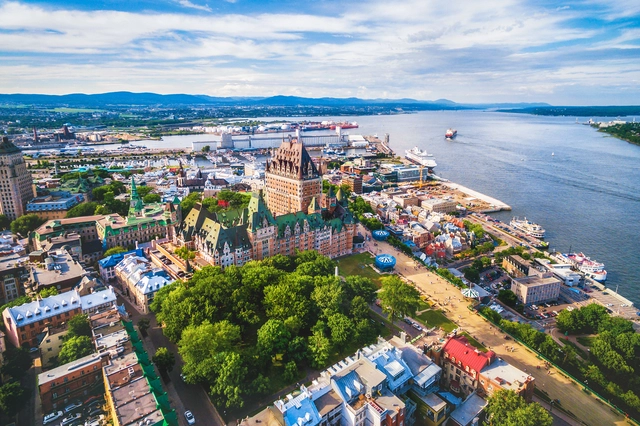
The measure is based on the principle that it makes no sense to continue applying the same rules to two such different types of vehicles.
Mayor Valérie Plante has promised improvements to the city's cycling infrastructure. Her ideas align closely with those of Councilor Marianne Giguère, who is responsible for sustainable development and transportation. Giguère believes that, under current laws, the message to cyclists is that they must be just as cautious as drivers, “even though you [the cyclist] pose much less of a danger.”
https://www.archdaily.com/1113904/montreal-wants-to-adopt-different-traffic-laws-for-cyclistsCicloVivo
California Approves Bill to Generate 100% Renewable Energy
.jpg?1536064648&format=webp&width=640&height=580)
The California Assembly voted in favor of SB 100, a Senate bill that sets the state on a path toward 100% renewable energy generation. The legislation establishes a new target of obtaining 60% of the state's electricity from renewable sources by 2030 and reaching 100% clean and renewable energy by 2045. Governor Jerry Brown has thirty days to sign the bill.
https://www.archdaily.com/1113991/california-approves-bill-to-generate-100-percent-renewable-energyCicloVivo
Ministry of the Environment Releases Guide on Bioconstruction Techniques
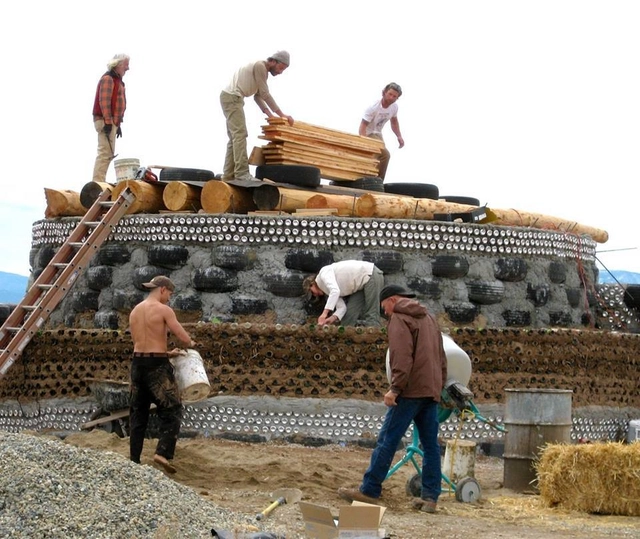
Bioconstruction is based on the principle that it is possible to build with a very low environmental impact. To promote this concept and present practical techniques, the Ministry of the Environment is offering a free online guidebook for training and information on the subject and its methodologies.
Although created for a course within the Support Program for Ecotourism and Environmental Sustainability in Tourism (Proecotur), the material is highly useful for anyone wishing to better understand bioconstruction and learn the details of different sustainable and environmentally friendly techniques.
https://www.archdaily.com/1113975/ministry-of-the-environment-releases-guide-on-bioconstruction-techniquesCicloVivo