Teresa Novais, co-founder of the firm aNC arquitectos in Portugal, works actively to advocate for professional rights.
Teresa Novais, co-founder of the firm aNC arquitectos in Portugal, works actively to advocate for professional rights.
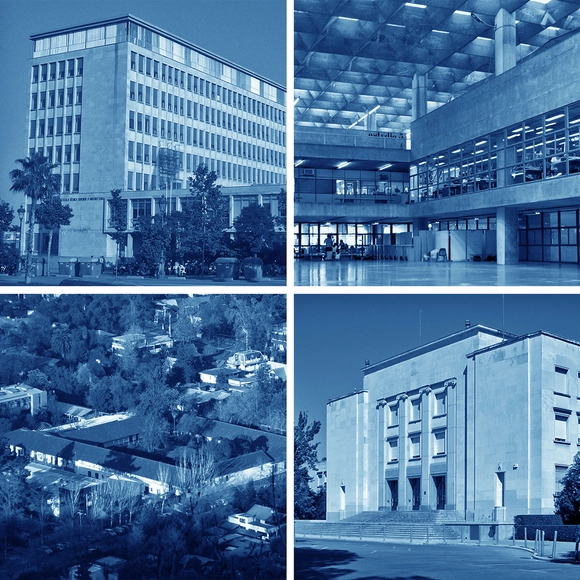
On Wednesday, February 28, Quacquarelli Symonds (QS) released the 2018 edition of its annual ranking of the world's best universities. In the field of architecture, the Massachusetts Institute of Technology (MIT) in the United States once again leads the list for the fourth consecutive year.
In Latin America and Spain, the ranking has shifted once again compared to 2017: a Mexican university has broken into the top five, while Spain has expanded its representation at the expense of Brazilian institutions. Furthermore, two universities have entered the regional ranking in this edition. Discover the top institutions below!
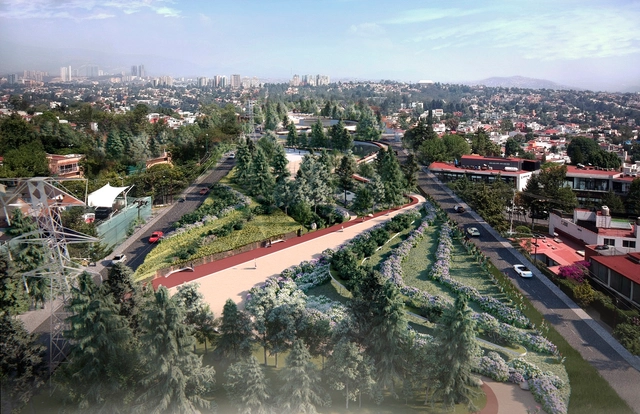
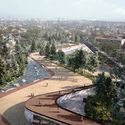
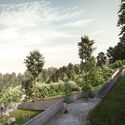
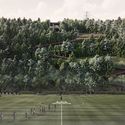
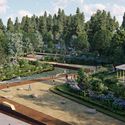
Designed by the Mexican firm RA!, the HXQ Linear Park project is an urban intervention located on the eastern side of the municipality of Huixquilucan, State of Mexico, where three parks are currently fragmented by ravines, streets, and underutilized spaces. The park is divided into three distinct zones—Tecamachalco, La Herradura, and Bosques de Minas—all connected by the high-voltage power lines around which the parks were originally created. Over time, rugged topography and busy roadways have isolated these areas, turning them into desolate, unsafe, and neglected spaces.
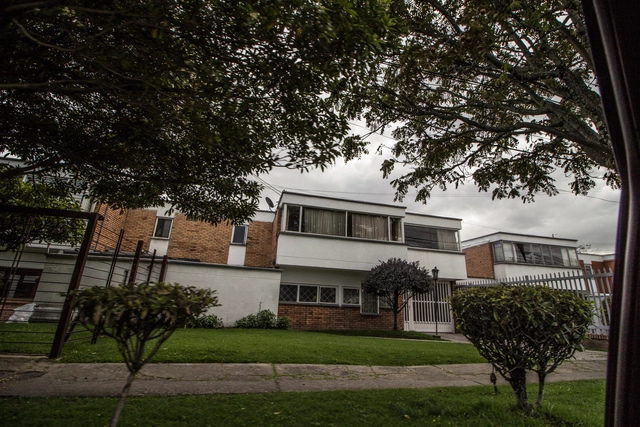
Walking the streets of Bogotá, one is inevitably captivated by the mix of artistic currents across every block. The diverse constructions reflecting history, the passage of time, and the survival of houses and buildings in the face of the city's imminent spatial shifts create a sort of architectural palimpsest—where some structures are repurposed and spaces are renovated, yet the imprint of history endures.
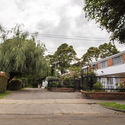
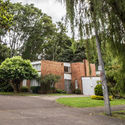
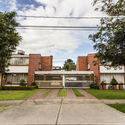
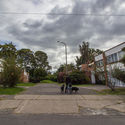
Indeed, the Niza Antigua neighborhood was one of the districts declared a cultural heritage site. Designed by architect Willy Drews in the 1960s, its location—at the time far from Bogotá's financial and commercial center—prompted a series of shifts in the lifestyles of its residents, while the absence of fences and the proximity between houses fostered a strong sense of community among neighbors.
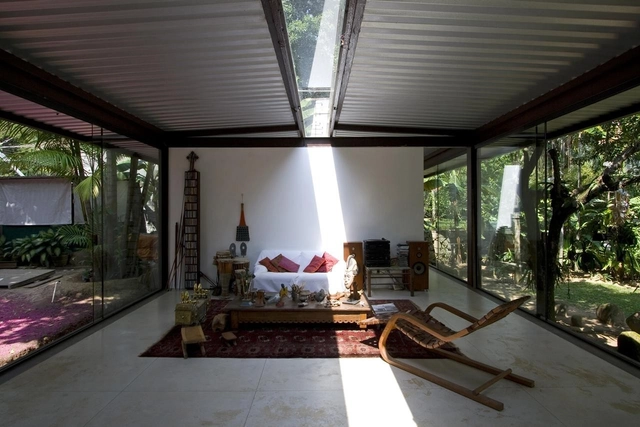

Carla Juaçaba is an architect working in Rio de Janeiro, where she designs diverse spaces through a practice that emphasizes the unique and vibrant Brazilian context.
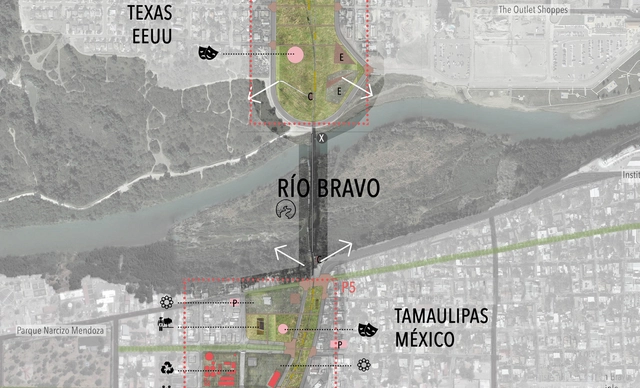
As part of the XXXIII Latin American Meeting of Architecture Students, the organizing committee launched an open call for students and young architects to participate in the XI Latin American Student Architecture Biennale, under the theme "Identity, Customs, and Traditions."
The selected projects were exhibited during the week of the ELEA event—from October 19 to 29—in the lobby of the main auditorium of the Private University of Santa Cruz de la Sierra (UPSA). The jury, consisting of four guest architects at the XXXIII ELEA, selected the grand prize winner of the biennale and recognized two projects out of the 16 finalists. Discover the projects below.
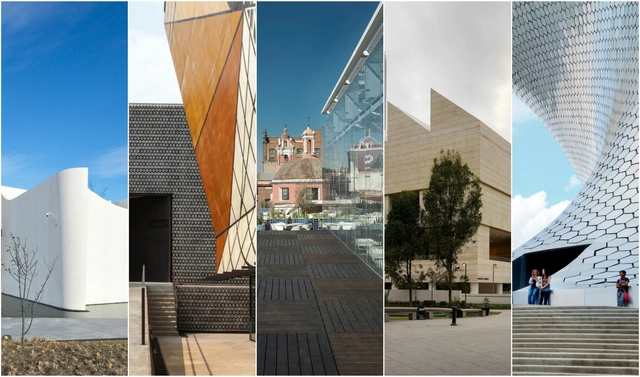
Museums are vital sources of knowledge, housing some of the most significant works of architecture in history and bringing learning closer to the curious minds who experience them. On May 18, International Museum Day was celebrated with various activities taking place across some of Mexico's most representative venues. Because the country's cultural wealth deserves ongoing celebration, we have compiled a selection of iconic museums where art and architecture merge to define unique spaces. What are your favorite museums in your city?

In just over three months, Érica Oiticica and Sâmyla Souza, students at the School of Architecture and Urbanism (FAU) of the Federal University of Juiz de Fora (UFJF), designed a Complete Street project that earned them an award and the opportunity to present their ideas to a global audience at a conference in Tanzania. The “As Cidades Somos Nós” (Our Cities Ourselves) competition inspired the duo to put their best urban planning ideas onto paper to transform a street in Belo Horizonte.
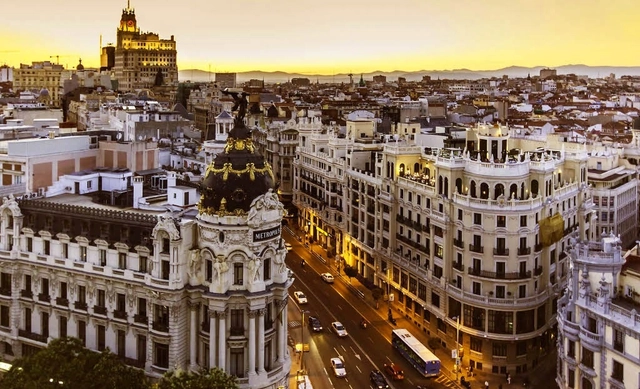

Jaime Sanz Haro, from the ARKRIT Collective, invites us to reflect—in an article originally titled "Regulations, the New Architectural Treatise: Vitruvius, Alberti, Palladio, and the General Plan"—on the role and consequences of regulatory frameworks in urban planning.
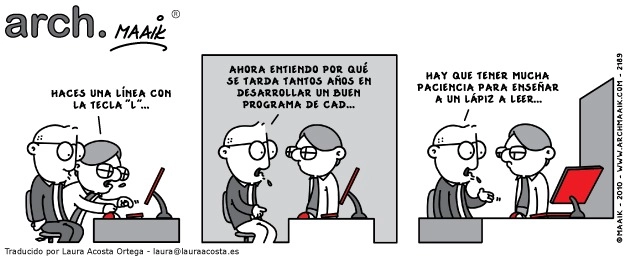

In this post, the Arquia Foundation Blog, together with architect Carlos Cámara, invites us to reflect on learning digital tools in architecture, a recurring topic of debate in the training of new architects, given that the use of different software seems to grow more valuable by the day. Based on this reality, which is increasingly distant from the pencil, the questions in this article arise... How are these new technologies being taught to students? Are they tools that foster dependent consumption? Are these tools conditioning the design creativity of future architects?
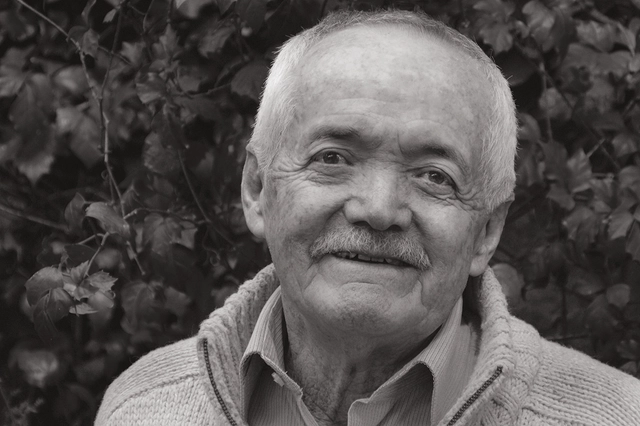

The practice and work of Fausto Banderas Vela stood out significantly within a generation of architects working since the 1960s, forging new paths in Ecuadorian architecture. His projects do not go unnoticed; into them, he poured research, reflection, and experience. He embraced the complex dimension of architecture, conscious of the need to transcend an individual vision and focus in order to emphasize the confluence of multiple contributions.
“Architecture is a complex and collective endeavor. To my understanding, there is no possibility of confronting the subject individually; not in design, where dialogue and mutual contribution are required, nor, obviously, in construction, since a work of architecture only begins to exist when it transitions from graphic and written documents into a material reality”1. He pointed out that architecture only truly exists when materialized. Thinking, designing, and constructing it are stages of the process embraced by Fausto Banderas, enabling him to achieve coherence and quality.
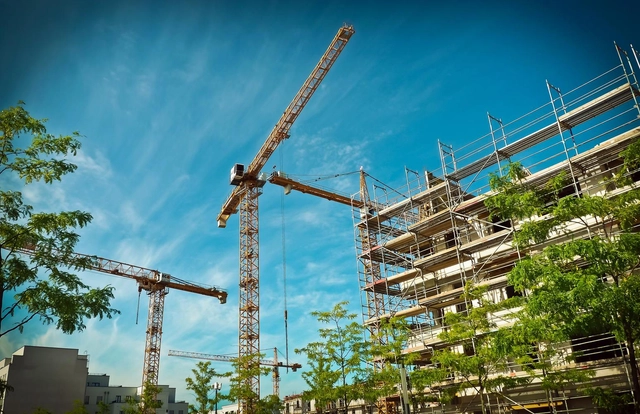
The social housing model currently seems like a utopia in Spain—ruled by developers and real estate firms, and mired in national policies that fail—and have always failed—to address the housing problem.
Over the years, the idea has been promoted that renting a home is almost a crime, throwing away money that could otherwise go toward purchasing property. Welcome to the wonderful world of real estate speculation. Driven by exorbitant rents set by real estate agencies or landlords with absolutely no state or provincial regulation to control them, the system itself pushes the population to take out mortgages and participate in private development. While over 50% of housing in Spain was rented back in the 1950s, those figures are a far cry from the progressive decline that brings us to the present day: nearly 80% of current housing is owner-occupied, while rentals have shrunk to just 20%.

Building your own home. This is perhaps one of the greatest aspirations for many people—not only architects, but anyone who wants to see the vision of their dream home come to life. Others, however, approach it from a perspective more focused on legacy: sentiments like “my great-grandfather built this house” serve as their driving force. It is about preserving memory in the form of a building.
Nevertheless, one must consider the challenges of being your own developer, of not relying on a real estate agency. It is a difficult path. Consequently, many people abandon this dream to avoid the complications, ultimately opting to buy an apartment or a house.
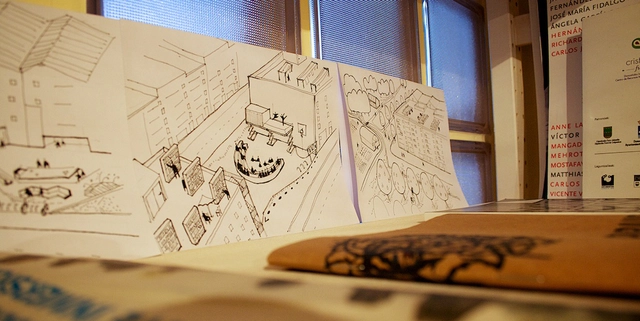

When Paisaje Transversal was founded, 10 years ago, one of our driving motivations was to demand and advocate for a more responsible profession—one that is respectful of both its own guild and society as a whole. At the time, we saw—and we still see today—that one of the most damaging consequences of Architecture's self-absorption and self-sufficiency (the capital "A" is ironic; we prefer talking about architectures), both in the professional realm and, to an extreme degree, in universities, is the profound ignorance it fosters around fundamental topics like labor, business management, and the law, among many others.
This widespread ignorance—proudly imposed and self-imposed because these are dismissed as dry, secondary matters—has in practice led to an anomalous system where fraud, exploitation, precariousness, and self-exploitation are all too frequent. This, naturally, ends up harming professionals, the profession, and society at large.
A less obvious cause of this phenomenon is that, in many cases, this dereliction of duty is voluntary. It stems either from an unsupportive, anti-system liberal stance, or from the precariousness of a profession that was once wealthy and now refuses to accept its new economic reality.
Below, we list five principles we believe must be shared and championed to rebuild a dignified and responsible profession:
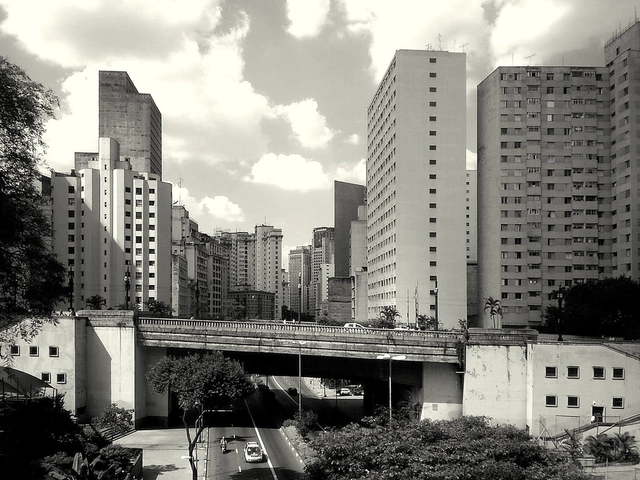
Historically relegated to the private sphere, it was only in the 20th century that women truly began to exercise their right to the city and its dynamics. Even today, however, this claiming of space remains restricted. According to a survey by the Locomotiva Institute this year, eight out of 10 Brazilian women are afraid of walking alone at night.
In addition to the threat of violence, other barriers to women's sense of belonging, mobility, and free use of public space include the lack of policies designed to address their urgent needs, as well as their identities and perspectives.
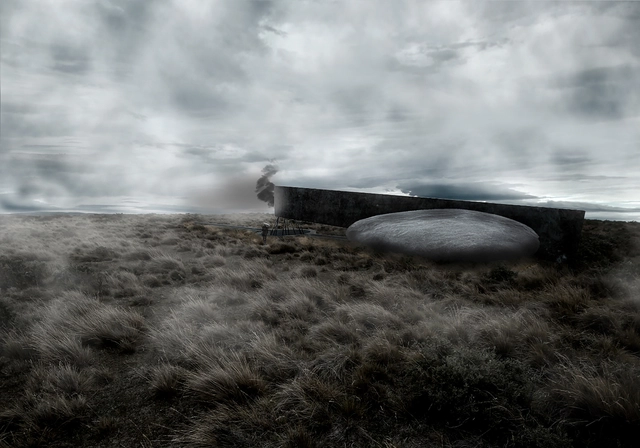
Designed by Ignacio Lira Montes, the Ruta Memorial Selk'nam project was selected as one of the 10 winners in the Thesis Projects category of the Concurso Arquitectura Caliente 2018 (CAC 2018), a Chilean competition organized by Grupo Arquitectura Caliente and funded by the Ministry of Cultures, Arts, and Heritage.
The project stems from research on the Selk’nam people of Tierra del Fuego and how this ethnic group was exterminated by the owners of the Magellanic ranches. Studying Selk'nam cosmogony and visiting the site determined the design approach to this theme.
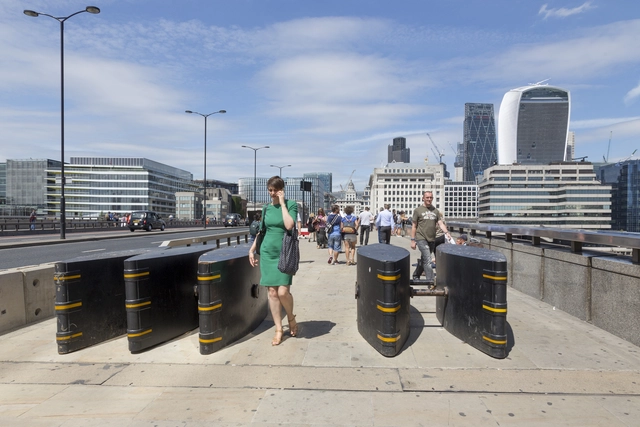
Seventeen years ago, the world witnessed one of the most tragic events in history: the "September 11, 2001 attacks," leaving approximately 3,000 dead and more than 6,000 injured. Numerous other attacks had already occurred and continue to happen in various cities around the world. Because these are surprise events, scattered across territories but typically occurring in crowded public spaces, a wide range of actions has been taken to prevent them, challenging major powers and organizations focused on security strategies.
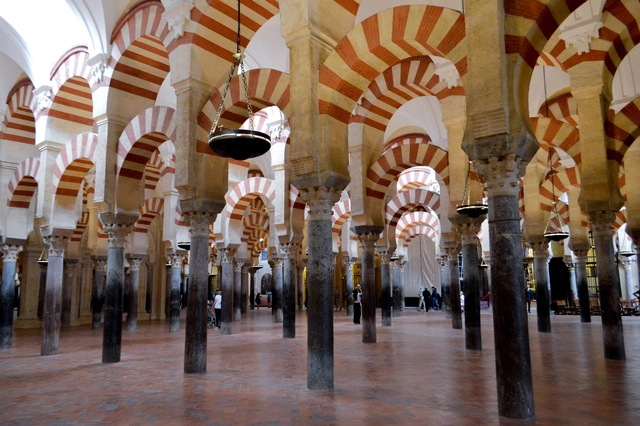
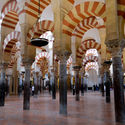
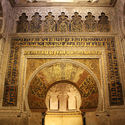
Under the title “La vida de los edificios” (“The Life of Buildings”), the latest book by Spanish architect Rafael Moneo—1996 Pritzker Prize laureate—was presented in late December. The volume represents an attempt to view architecture from “within, from its very core,” focusing on three structures: the Mosque of Córdoba, the Lonja of Seville, and the Carmen de Rodríguez-Acosta in Granada. These three buildings, located in three different cities, are considered by Moneo to be essential for anyone wishing to understand Spain and its architecture.
As such, the book is structured around three essays, each dedicated to one of these buildings. Written under different circumstances, they have been compiled to shape this volume by the renowned Navarrese architect and 1996 Pritzker Prize laureate.
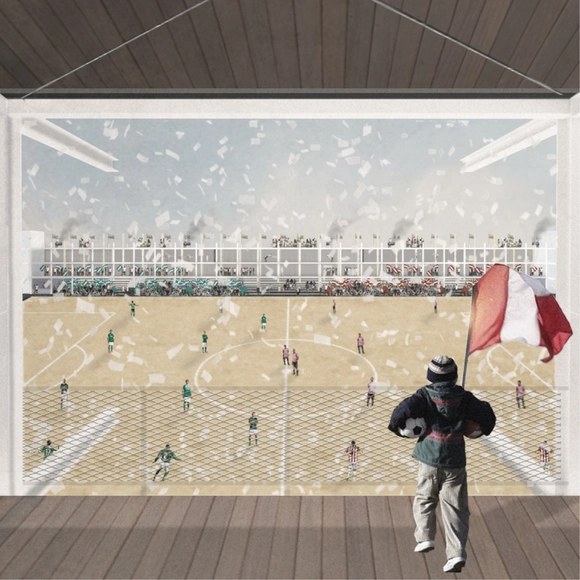
Designed by Sebastián Simonetti, the project Todo es cancha was chosen as one of the 10 winners in the Thesis Projects category of the Concurso Arquitectura Caliente 2018 (CAC 2018), a Chilean competition organized by Grupo Arquitectura Caliente and funded by the Ministry of Cultures, Arts, and Heritage.
Amateur soccer, through the architectural typology of the neighborhood pitch, serves as a means of social organization and local identity. Its significance lies in the edge of the field, where the entire neighborhood surrounding this public space expresses its identity.
Some of Santiago's 207 pitches are currently falling into neglect, turning into neighborhood liabilities. They have been enclosed along their perimeters with impenetrable walls, squandering their programmatic potential. The Todo es Cancha concept critiques this potential public space and proposes combining the soccer field with architectural interventions that transform these typologies into permanently active spaces.
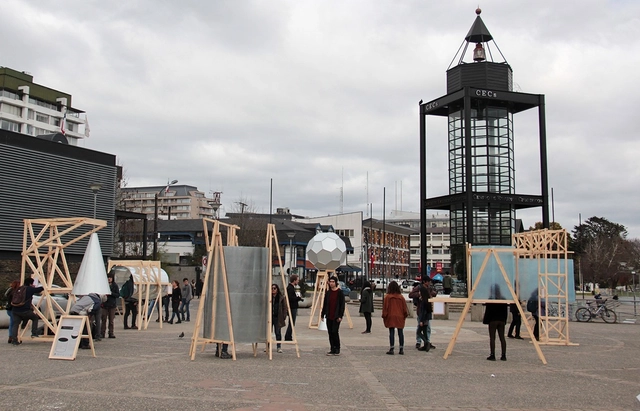
Traslaciones Sonoras is an urban installation developed by architects Mathias Klenner and Sofía Balbontín, academics at the UDLA School of Architecture, Design, and Construction, in collaboration with architecture students from the Universidad Austral de Chile.
The intervention explores the diverse soundscapes of Valdivia and its surroundings, connecting territories and communities by translating multiple overlooked sounds into the city center in real time.
Read on to discover the project in detail, described in the words of its creators.
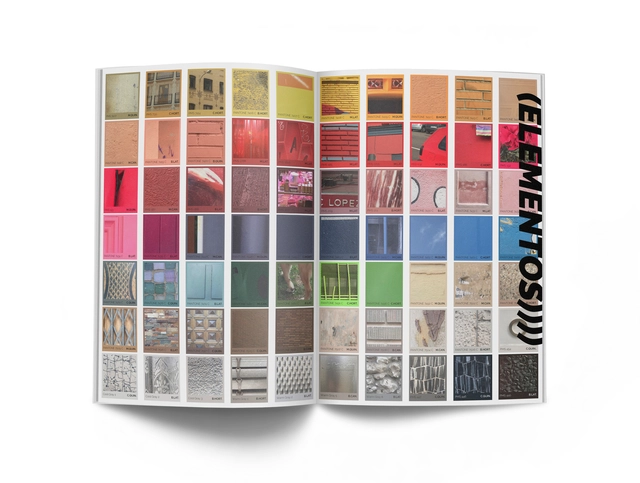
The Official Association of Architects of Madrid and the COAM Architecture Foundation have presented the new phase of Arquitectura magazine, as well as its new editorial board, which will be responsible for editing the publication over the next two years and releasing a special issue to celebrate its centennial.
Arquitectura magazine was founded in 1918 as the publication of the Central Society of Architects under the direction of José Moreno Villa. Throughout its 100-year history, the publication has witnessed shifting contexts and circumstances, its trajectory shaped by diverse and independent editorial directions. Nevertheless, the magazine has remained one of the oldest active titles in the country, establishing itself as an enduring benchmark for debate, critical thought, and the practice of architects, urban planners, and professionals in closely related fields.
.jpg?1516457017&format=webp&width=640&height=580)
In Spain, a neologism has emerged to explain a rising phenomenon: touristification. As Antonio Maestre notes in La Marea, the term refers to "the impact on neighborhood residents when facilities and services shift to cater almost exclusively to tourists at the expense of locals."
Among the consequences of this phenomenon in cities like Madrid and Barcelona is the massive proliferation of tourist accommodations. These lodging options drive and facilitate speculative processes whose negative impacts ultimately fall on neighborhood residents, who are forced to leave because they can no longer afford rising home prices or rents.
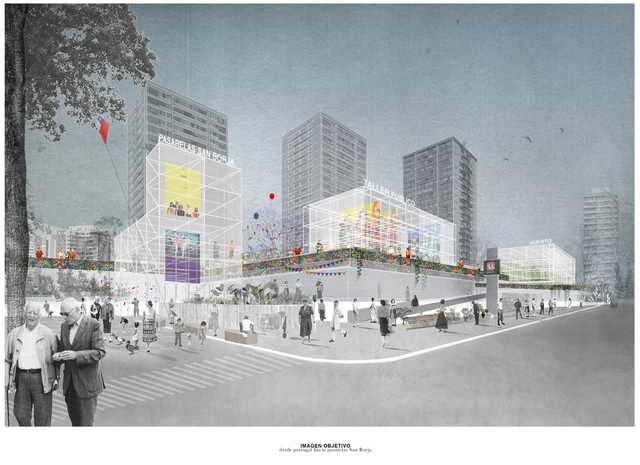
The proposal Temporary Activation Circuit was awarded third place in the Pasarelas San Borja competition in Chile. The main objective of the competition was to recognize "the best urban design ideas that contribute to defining intervention criteria and generating proposals for the San Borja neighborhood."
As the authors explain, the third-place-winning proposal offers "a mutable and flexible system that reflects contemporary times."
Crucial for ensuring that urban planning fosters prosperity and quality of life for all residents, public participation must be integrated into decision-making processes. Every citizen deserves a space to contribute new ideas, establish priorities, and track the progress of municipal projects. To facilitate this exchange, Consul—a platform developed by the city of Madrid—is being made available free of charge to cities worldwide. In Brazil, a workshop hosted by WRI Brasil introduced the tool to interested municipalities that are already working to implement it.