What is the role of corporate offices today? The coronavirus pandemic highlighted profound needs and transformations in all of our lives: in relationships, work, consumption habits, and rising inequality. Unquestionably, the question of workspaces came to the fore during a historical phase when, for the first time in the postmodern era, people saw their personal freedoms restricted.
Most people were forced to work from home, and since the beginning of quarantine, reflecting on the future of workspaces became inevitable. Interesting data shows that the coronavirus merely accelerated a practice that had been gaining traction for years in some countries. According to studies conducted jointly by Global Workplace Analytics and FlexJobs, between 2005 and 2015, the number of professionals in the United States who do at least 50% of their work from home or another location outside their offices grew by 115%, and today this number reaches 4.7 million, or 3.4% of the workforce.
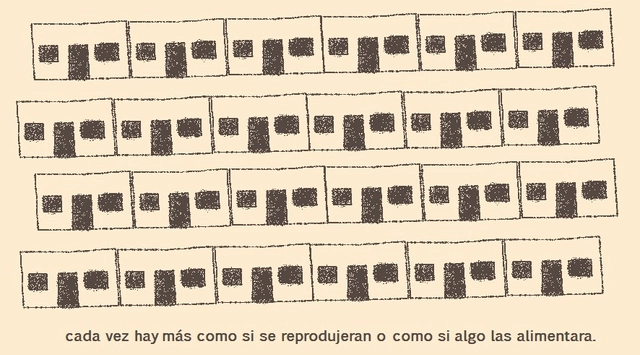
Ciudad Juárez is an industrial city located on the northern border with the United States, directly across from El Paso, Texas. Over the years, Juárez's economy has been dominated by the ‘maquiladora’ industry, and it was once considered one of the most violent cities in the world due to a wave of crime that took hold from 2008 to 2012. In 2020, the National Workers' Housing Fund Institute (Infonavit) reported that there are 17,871 abandoned homes in Ciudad Juárez, leading the country's municipal rankings and contributing to a total of 650,000 abandoned houses nationwide.
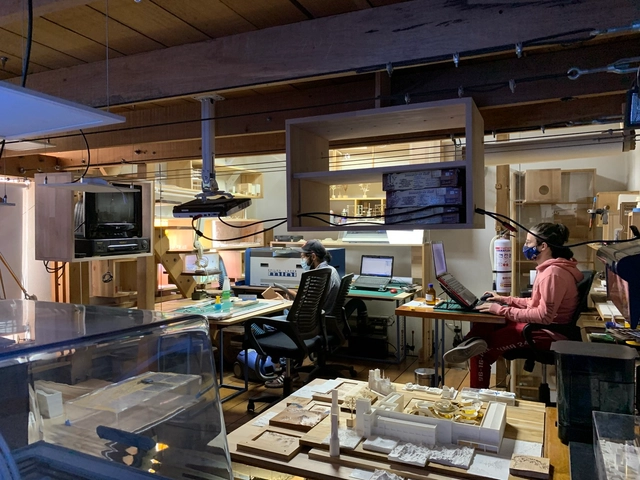
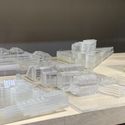
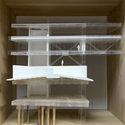
To create, express architectural language, and be universally understood, scale models translate design ideas and projects into proportions that are more accessible and easier to comprehend.
This article focuses on scale models as acts of material thought, highlighting the practice of the model-making laboratory of Miguel Forero Barbosa. Explore their work below.
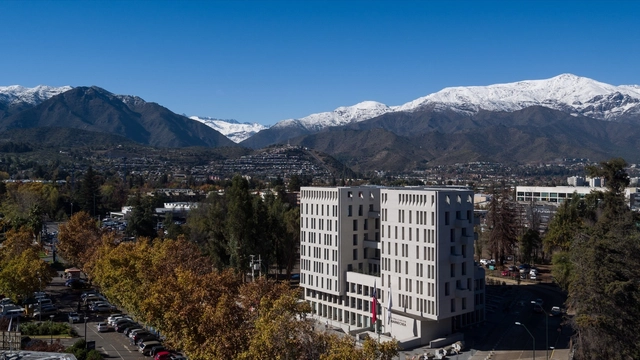
This is not a book about architecture; rather, it is a book about a territory—a territory in Chile, within the Metropolitan Region, shaped by a mountain range, a river, and a valley.
https://www.archdaily.com/1128024/territory-in-a-narrative-lo-barnechea-chronicles-of-its-history-by-miguel-labordeJuan Miguel de la Fuente
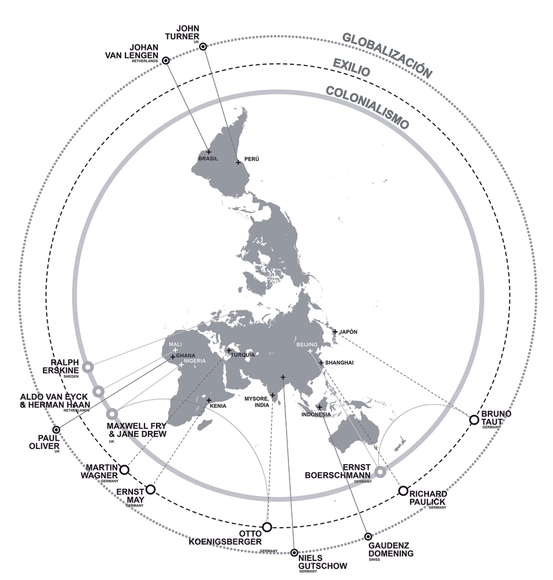
Figure 1. Overview of architecture and fieldwork during the 20th century. Source: Author's own elaboration (José Abásolo Llaría, 2020). Image via Revista rita_
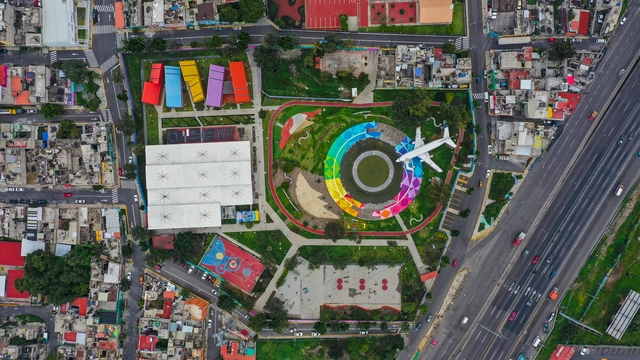
https://www.archdaily.com/1128008/utopias-iztapalapa-winning-project-in-the-action-for-housing-and-settlements-facing-covid-19-competitionArchDaily Team
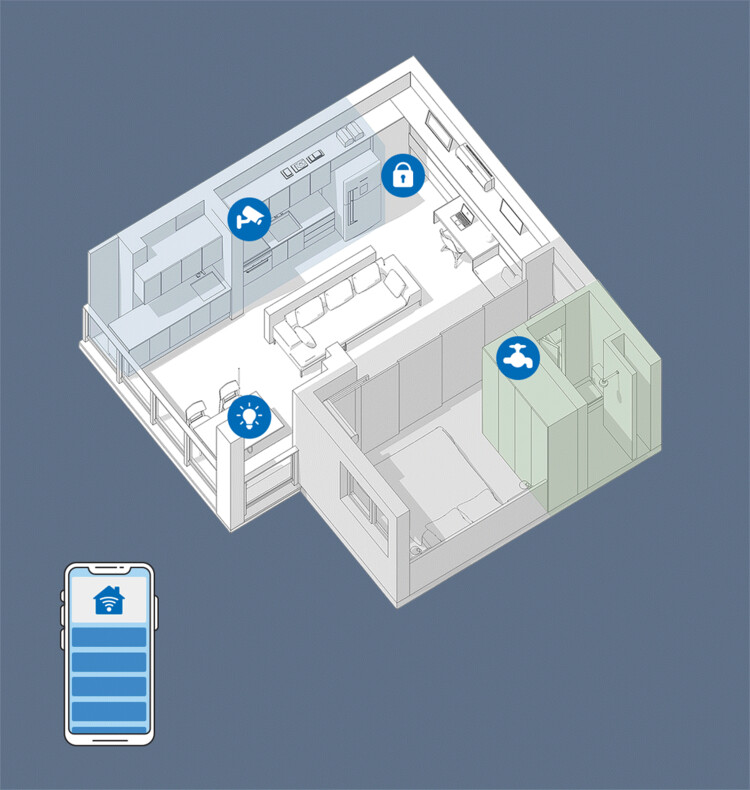
In the future, the Internet of Things (IoT) will play an increasingly profound role in our lives, with devices communicating independently and integrating into our daily routines as smart assistants. As a result, demand for smart home technology is growing in tandem with the range of products on offer. In a recent report, market research firm Statista predicted that this year, approximately 12% of households worldwide will own smart home devices, a figure projected to rise to over 21% by 2025—translating to more than 478.2 million users globally. But which of these devices are actually useful? A selection of outstanding technologies and designs has recently been honored with the 2021 iF Design Award, and here we take a closer look at nine of them.
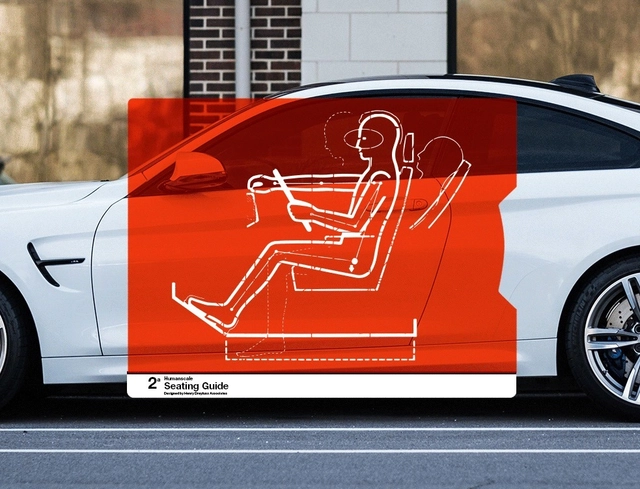
The term ergonomics was first coined in 1857 by the Polish scholar Wojciech Jastrzębowski, deriving from the combination of the Greek words ergon (work) and nomos (laws or rules). Although initially associated with the physical comfort of workers, today the term applies to a wide range of activities, from sports to leisure. It represents a set of guidelines and procedures designed to ensure both physical and mental well-being during any given task.
Public and private sector leaders and civil society representatives from around the world gathered at COP26, held in Glasgow from October 31 to November 12, to debate and deliberate on one of the most pressing issues of the 21st century: climate change. The summit centered on four key goals:
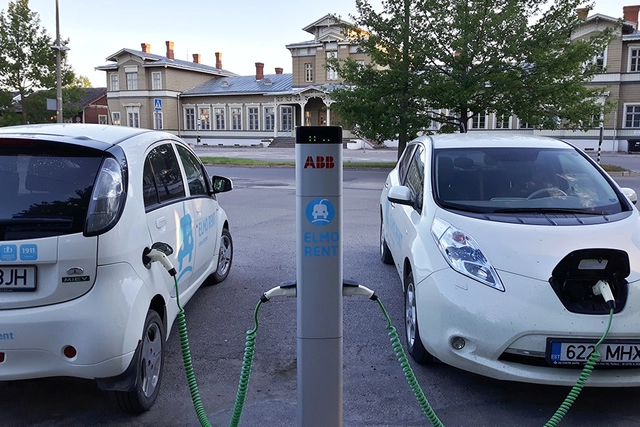
https://www.archdaily.com/1128014/electric-traffic-jams-are-not-the-solutionAndrey Barbosa e Gabriel Varella
"Domingos Libro" is hosted by Carmelo from Enorme Studio. Every two weeks, the series delves deep into forgotten architectural publications, books, and magazines from the '60s, '70s, and '80s, uncovering the fascinating stories behind them.
In this eleventh episode, titled "El Huevo" (The Egg), Carmelo discusses the 1978 book *L'Oeuf* by André Bruyère. An obsession with eggs led the French architect to propose an egg-shaped skyscraper for New York and write this book, which champions the ovoid as a fundamental form.
Dear readers, with your companionship, ArchDaily has journeyed through 2020. Throughout this past year, we have continued our daily mission to report on and share global architecture, growing along the way while earning the recognition of architects and the invaluable support of our readers. 2020 has been an extraordinary year. At a time when we cannot gather or meet in person, we rely on the digital realm to send holiday wishes, sharing warmth and connection through online greeting cards. We have compiled the holiday cards we received this year to share with you, our dear readers. Let’s take a look at these creative designs from architects worldwide as we welcome 2021 together.
https://www.archdaily.com/1127959/welcoming-2021-holiday-cards-from-architects-around-the-worldMilly Mo
This September marks the 4th edition of the Chicago Architecture Biennial under the title The Available City. It is a perfect opportunity to open up the debate on the role of architecture in urban equity.
Wang Hao (born 1978) is the co-founder of Atelier Anonymous. In 2013, he held the solo exhibition "Free Structure: New Chinese Dwellings" at the Shanghai Design Center, and was awarded the German *Bauwelt* First Work Award in the same year. He participated in the Shanghai Urban Space Art Season in 2015, and exhibited at the 15th Venice Architecture Biennale in 2016. In 2020, he co-organized the "Timber Structure Renaissance" exhibition with the K11 Art Foundation (KCG) in Shanghai, and received the Natural Build Award | Young Architect Discovery Award.
Qiu Zhefeng (born 1979) is the co-founder of Atelier Anonymous. In 2008, he published the book *The Forerunner: China's Future in a Small Town*. In 2012, he curated the "Society" project for the City Pavilions program at the 9th Shanghai Biennale. In 2013, he was invited to participate in the 55th Venice Biennale, curating the exhibition *Shanghai and Venice: City Center, Diankou, Lima, and Palermo*.
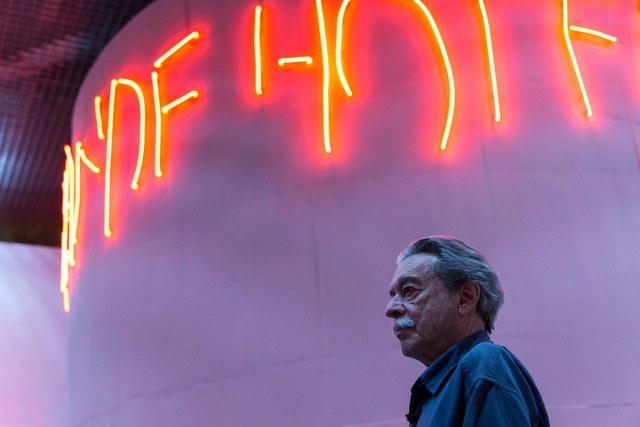
The acclaimed architect Paulo Mendes da Rocha, who passed away on May 23, cementing his eternal legacy, granted an interview to Revista América #1, published just over two years ago. In this journal from the Escola da Cidade graduate program, the architect, whose reflections lie at the core of the publication's editorial vision, expands—as he did on many other occasions—the concept of architecture, linking it to geographic and political dimensions.
https://www.archdaily.com/1128064/we-are-afraid-of-freedom-interview-with-paulo-mendes-da-rochaConselho Científico – Escola da Cidade
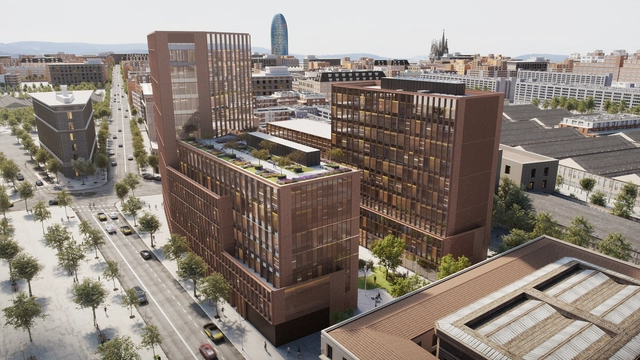
Currently under construction and scheduled for completion in 2022, the Smart 22@ building by GCA Architects is a project that seeks to integrate past and future while reflecting the values of modernity, sustainability, and technology. Located in Barcelona's 22@ district, the building aims to become Spain's first Smart Building, targeted to achieve LEED Platinum V4 certification with the highest score, alongside a WELL Gold certification.
# Red Dot Award: Product Design 2020 # 2019 Archiproducts Longlist # Selected for the 2020 ADI Design Index Exhibition
When Mies van der Rohe urged us to distill our walls to their bare essentials with his famous adage "less is more," he might not have anticipated that we would eventually grow weary of perfectly uniform boxes. While minimalism remains a dominant design style worldwide, there is a growing desire to inject clever details beyond mere simplicity, breaking its monotony to introduce aesthetic refinement and a warmer atmosphere. This is where Eclisse 40 comes in.
The door frame of the Eclisse 40 series is not only a technical innovation, but it also rethinks the frame as an aesthetic, design, and decorative element. The splayed profile defines the volume, playing with light to create a unique theatrical effect. What was once an invisible, purely structural element—the frame—now takes center stage, turning the door into a prominent feature in interior design with its own expressive power.
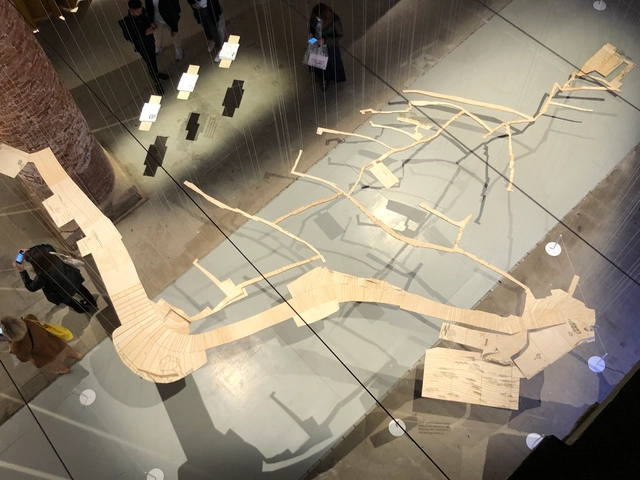
"Complete City: La Palomera, Acknowledgment and Celebration" is the installation by Enlace Arquitectura for the 17th International Architecture Exhibition at the Venice Biennale 2021. The model is a representation of the paths, stairways, and gardens of the La Palomera barrio in Caracas, Venezuela. The message: to recognize the barrio as part of the city.
Throughout history, the bicycle has endured as a means of transportation, evolving in various ways. In recent years (and even prior to the COVID-19 pandemic), however, its popularity has surged, specifically in major cities. In rural areas, by contrast, it has always been one of the primary modes of transportation due to the lack of other infrastructure. In Mexico, there are regions that have historically been highly bicycle-centric. While cycling is often associated with being a trendy mode of transportation, the reality is that its use is concentrated among low-income groups across towns, municipalities, and even entire states. Unfortunately, investment in cycling infrastructure in Mexico remains consistently low.
Since ArchDaily launched its recruitment services, we have received job postings from design firms of all scales across the country, from Beijing and Hangzhou to Shenzhen. Active across diverse architectural fields, these practices bring distinct perspectives and are looking for talented designers to join their teams. Below, we feature eight outstanding offices and a selection of their work. Readers are highly encouraged to apply.
Videos
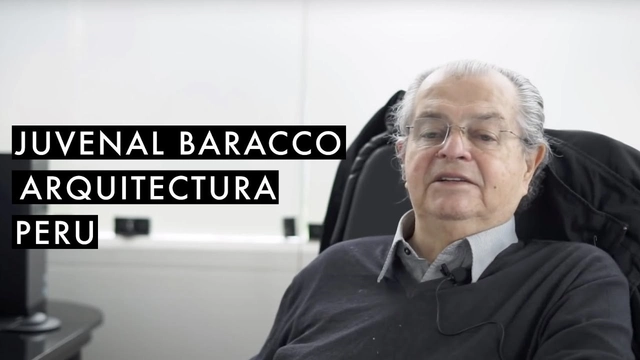
Juvenal Baracco. Image Cortesía de Archivo de ideas recibidas
Archivo de Ideas Recibidas is an interdisciplinary research and dissemination project that aims to record and connect the ideas of individuals who contribute to the contemporary creative ecosystem through art, design, and architecture. It is built on conversations between the team and various creators, exploring themes related to memory, academia, cultural context, their primary influences, and working methodologies.
Bryant Park in New York. Image by ymgerman. Image via Shutterstock
One of the greatest challenges of urban planning lies in managing city growth. Year after year, major cities see their populations increase, and it is estimated that by 2050, 70% of the world's population will live in urban areas. But how can we build sustainable, healthy, and equitable cities that foster urban diversity?
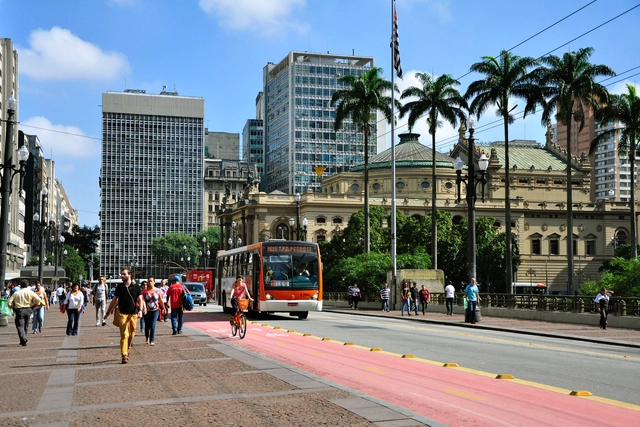
Downtown São Paulo. Image: Mariana Gil/EMBARQ Brasil, via Flickr. License CC BY-NC-SA 2.0
Measures that reduce the vulnerability of natural and human systems to the impacts of climate change are essential for sustainable development. In cities, the increase in climate risks driven by urbanization demands planning and investment from local governments to expand climate adaptation. This challenge transcends the geographical boundaries of urban areas and is directly linked to global prosperity—after all, cities are home to 55% of the world's population and 80% of global GDP.
https://www.archdaily.com/1128145/3-economic-arguments-to-expand-climate-adaptation-in-brazilian-citiesMarina Garcia e Luana Betti
















.jpg?1617032224 "Localities with more than 5,000 inhabitants where over 75% of households use bicycles as a means of transportation. Image © Adrián Acevedo")



.jpg?1624038503&format=webp&width=640&height=580)