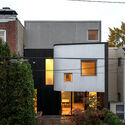
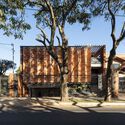
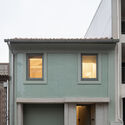
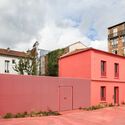
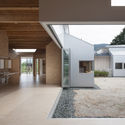
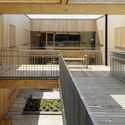
Facades are the calling card of any building, shaping visitors' first impressions of the space they are entering. They are also the part of a building most exposed to the elements and street pollution, requiring periodic maintenance. This article offers practical tips to guide you when renovating the front of your home.
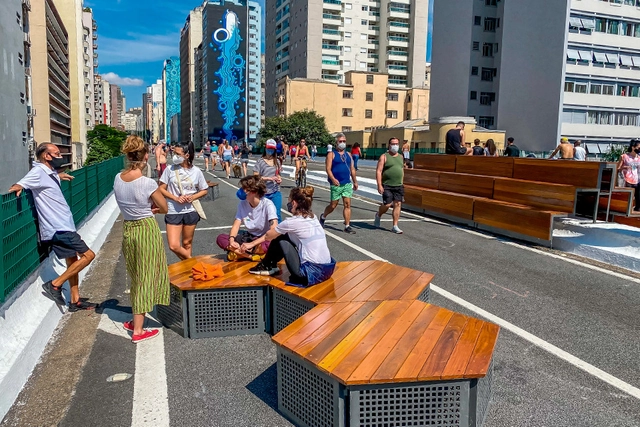
Image: Prefeitura de São Paulo. Courtesy of Caops Planejado
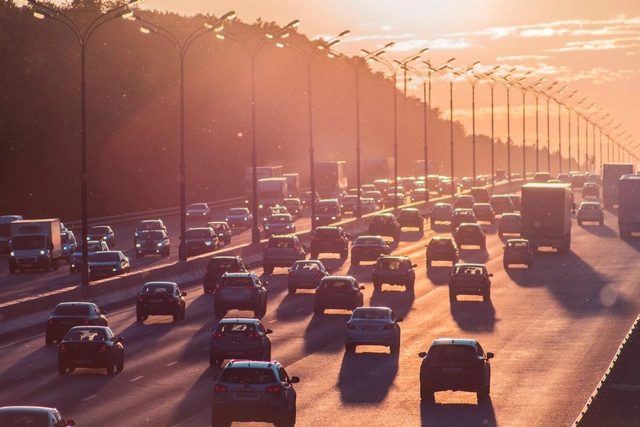
Departing from the 20th-century logic that shaped most cities, deprioritizing cars in urban development and reducing their designated street space does not worsen congestion. On the contrary, reclaiming road space by reducing vehicle lanes prompts a shift in transit habits. People increasingly opt for sustainable alternatives—such as walking, cycling, or public transit—which significantly reduces the volume of private vehicles.
https://www.archdaily.com/1132150/why-closing-streets-to-cars-does-not-increase-trafficSomos Cidade
São José dos Campos. Image by wtrilhas - Flickr, via Wikipedia. License CC BY-SA 2.0
This article begins with the premise that cities are not neutral spaces. Territories, much like architecture, urbanism, literature, culture, and politics, are conditioned by the values of a given society at a specific point in time. Consequently, the configuration of these spaces is shaped by societal values—in this case, those of a patriarchal, racist, and capitalist society. As a result, this lack of neutrality in the production of urban space leads to different ways in which cities are used and experienced by their inhabitants. These unique experiences, in turn, are deeply intertwined with issues of social class, race, and gender.
Whether or not they grow up to be architects, the fundamental skills that drive design and architecture can offer immense benefits to our children. The way children grow up to think, behave, solve problems, and create can be immeasurably enhanced by teaching them to think like architects from an early age.
We are living through a period of demographic transition—a shift we are all well aware of. The growth of the population over 60 has been exponential; however, it is not just this demographic increase that must be considered, but also the changing profile of this generation. After all, older adults are not what they used to be.
As the global population increasingly concentrates in urban centers, land in major cities is becoming progressively more expensive. Meanwhile, rising sea levels driven by climate change threaten the housing of millions worldwide—it is estimated that 800 million people will be at risk by 2050.
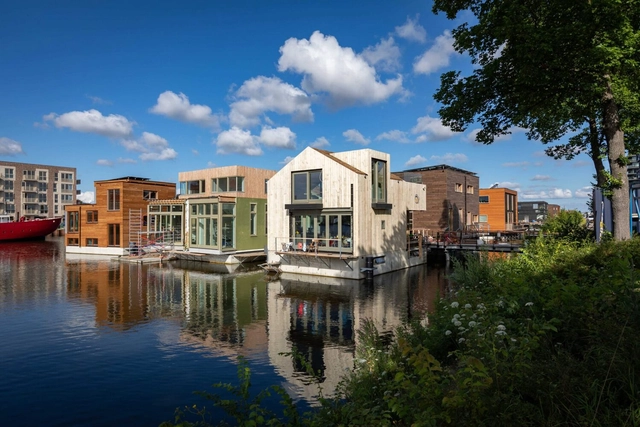
Living on water could offer a solution to both of these major challenges. This very premise inspired a new neighborhood in Amsterdam, the capital of the Netherlands—a country with a long history of adapting to environmental adversity, where a quarter of the land lies below sea level.
"I’m an architect... now what do I do?" is likely one of the most common questions asked by any recent architecture graduate. Over the years, many will find jobs in different industries that do not necessarily involve working in an office designing and constructing buildings.
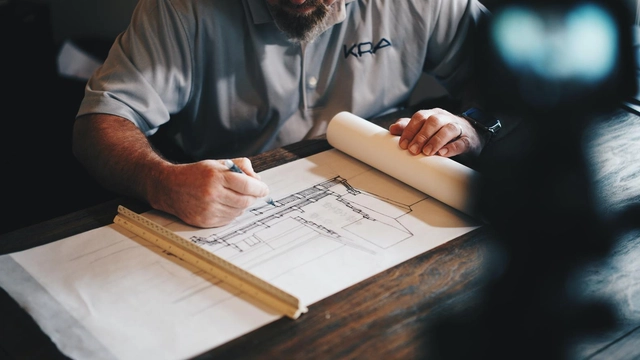
An architectural project goes far beyond final plans, stunning renderings, or physical models. It progresses through several phases that generate a comprehensive set of documents—including technical drawings, written reports, and various other forms of representation—covering everything from conceptualization to construction. More than just a methodology, these stages are governed by standards, with NBR 13532 (Preparation of Building Projects - Architecture) serving as the foundation for the necessary conditions of architectural design development.
The choice to use private cars is understandable, extending far beyond the so-called "car culture." The convenience of point-to-point transit, flexible scheduling, and a sense of personal security justifies its use, especially where sustainable transportation networks do not adequately serve the entire population. But do drivers actually pay for the impacts they generate?
https://www.archdaily.com/1132385/understand-why-you-pay-for-cars-even-if-you-dont-use-themITDP Brasil
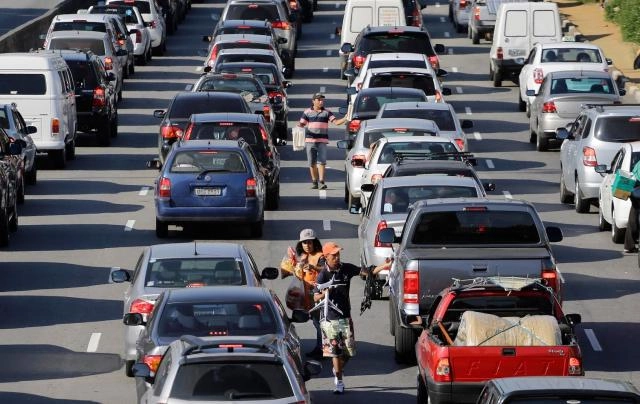
Using a car is an individual choice that causes significant collective harm. Photo: Nelson Antoine/Shutterstock
For decades, cars have been associated with a promise of convenience, autonomy, and comfort. Individually, this may well be true. However, prioritizing the automobile in city design makes urban mobility inefficient and fuels inequality by depriving a large portion of the population of access to opportunities. Using a car is an individual choice that imposes heavy collective costs. Charging for the social costs of this choice is a promising way to discourage it while simultaneously generating funding for sustainable mobility.
https://www.archdaily.com/1131971/why-charging-for-car-use-is-a-fair-and-smart-solution-for-sustainable-mobilityofLuis Antonio Lindau, Cristina Albuquerque, Guillermo Petzhold e Fernando Corrêa
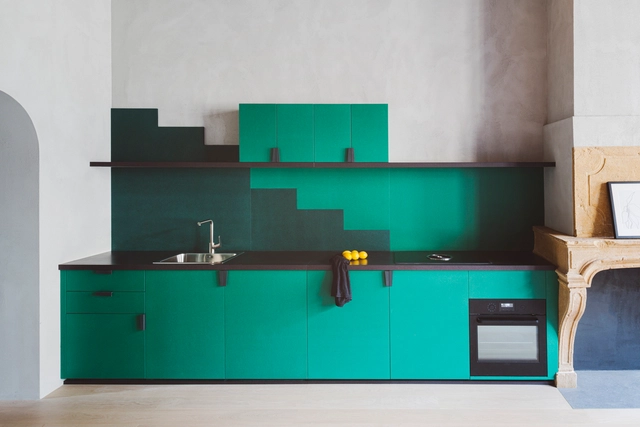
Renovations can often be a major headache. To avoid this, thorough planning and investing time in a comprehensive project are essential to ensure that every stage is executed on time and, most importantly, within budget. With this in mind, here are some tips and key elements to consider before embarking on a basic kitchen renovation.
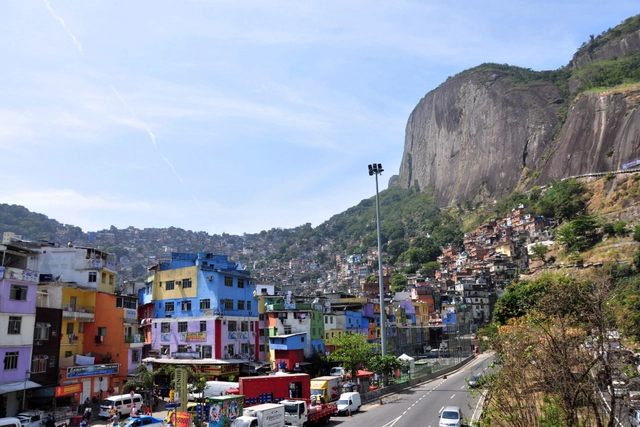
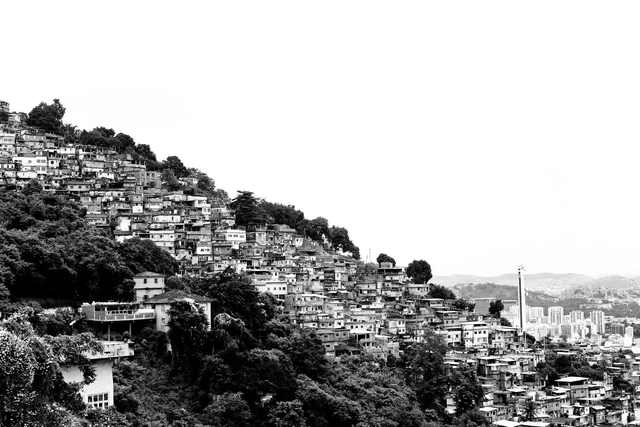
Rocinha, Rio de Janeiro. Image: Alexandre Macieira/Riotur
The future of urban planning may lie in Brazil's second-largest city: Rio de Janeiro. But it is not along the glittering waterfront of Ipanema, overlooked because it houses some of the most expensive real estate in Latin America. Nor is it in the city center, renovated for the 2016 Olympics and now the focus of a major urban revitalization plan. To glimpse the future of cities, one must pass by the Rodrigo de Freitas Lagoon to the Jardim Botânico neighborhood and then look up at the hills, where the immense neighborhood of Rocinha is perilously perched on the slopes.
In its most widely accepted definition, sustainable development is understood as meeting the needs of the present generation without compromising the ability of future generations to meet their own. While often associated with environmental and natural resource issues, sustainable development goes further, encompassing social and economic aspects such as justice, inclusion, and poverty eradication.
Something is deeply wrong when the most beautiful streets in Brazil would be forbidden from being built today. Indeed, the vast majority of Brazilian master plans prohibit any of us from building houses and buildings with the very characteristics that led these streets to be voted the most beautiful in the country.
Photo: Priscila Pacheco/WRI Brasil Sustainable Cities
The Covid-19 pandemic hit public transit hard. Initially, global ridership dropped by up to 80%, and by the end of 2020, public transit was still operating with only about 20% of its pre-pandemic passenger volume. The concern is that, if public transit does not recover, people will increasingly opt for private vehicles.
https://www.archdaily.com/1132004/3-ways-to-transform-public-transit-with-a-focus-on-climate-health-and-equityBen Welle, Rogier van den Berg e Claudia Adriazola-Steil
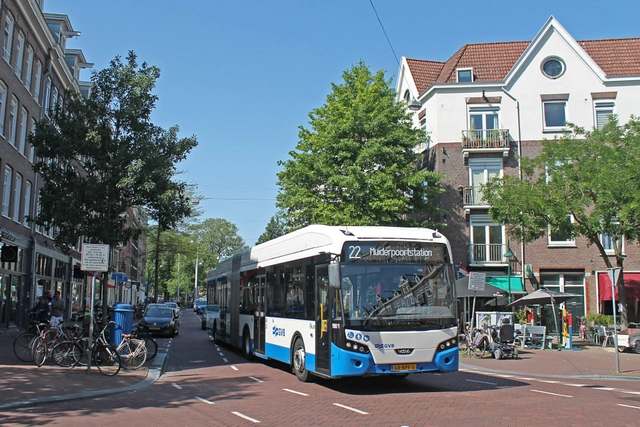
Photo: Daniël Bleumink/Flickr. Courtesy of Caos Planejado
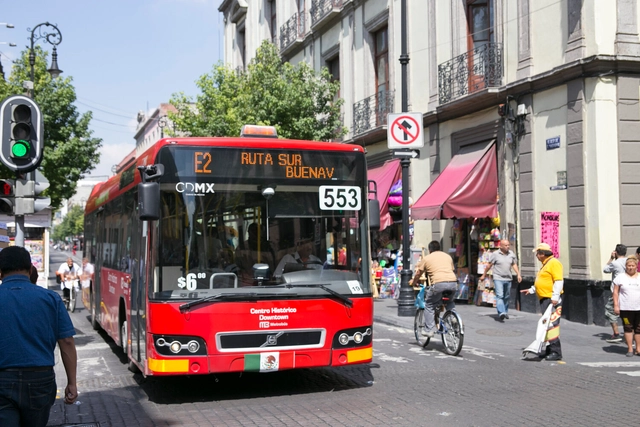
Over the last few decades, discussions on addressing climate challenges have unfolded even as we experience their effects. Although cars and motorcycles are the primary emitters of pollutants, buses also play a significant role in greenhouse gas emissions and the rise of illnesses related to air pollution. In this regard, adopting new technologies, such as electric buses and alternative fuels, is essential to reducing their impact on public health and the environment.
https://www.archdaily.com/1132188/electric-buses-can-make-our-cities-more-sustainableITDP Brasil
For the first time in history, the global urban population has surpassed the rural population. Today, 55% of people live in urban areas, and projections indicate this figure will reach nearly 70% by 2050—an increase of 2.5 billion urban dwellers. This prompts us to ask: what model of urbanization do we want for the coming decades? The answer depends on understanding rising urbanization rates as a challenge not only for cities but also for rural and peri-urban territories, whether productive or natural.
When we think of healthcare, we think of doctors, nurses, surgeons, radiologists, and anesthesiologists – the people who treat illnesses and save lives.
Yet we often overlook a large group of people who make saving lives possible – medical coding specialists, healthcare service managers, hospital architects and engineers, and others working behind the scenes to deliver positive health outcomes.
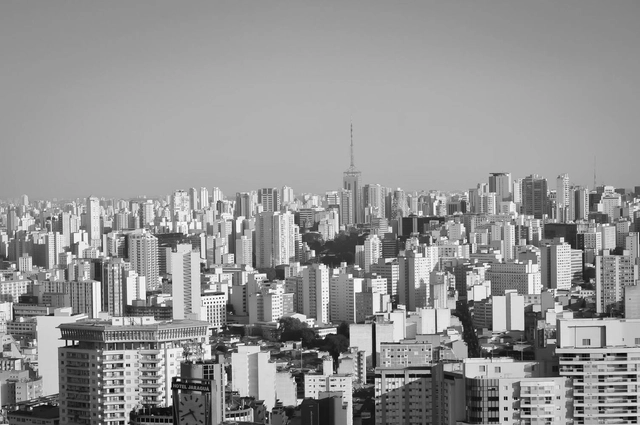
São Paulo's downtown area clearly displays the contradictions of our cities. On one hand, vacant properties sit idle in areas well-served by urban infrastructure; on the other, the number of people experiencing homelessness is growing, sheltered in tents and precarious, makeshift structures.
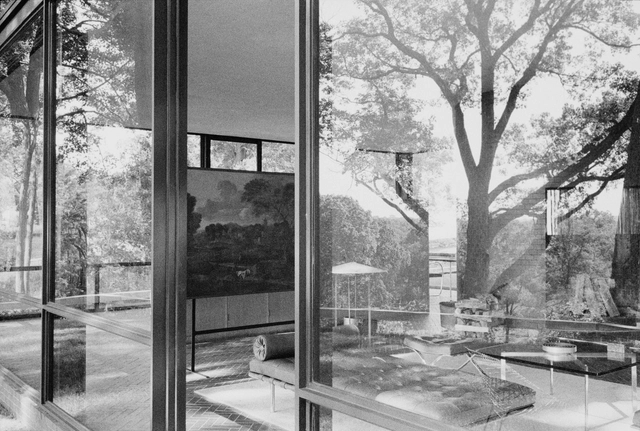
The Glass House, located on Ponus Ridge Road in New Canaan, Connecticut, was designed and built in the late 1940s as the home of its architect, Philip Johnson. Considered an icon of modern architecture, the house explores the boundaries between interior and exterior. One year after its completion, its mimesis, the Brick House, was built 25 meters in front of it, sharing the same length but only half the depth of the glass house.
https://www.archdaily.com/1132105/exhibitionism-and-seclusion-the-glass-house-complex-of-philip-johnson-and-david-whitneyHelena Ramos e Rafael Baumer
The impacts of human-induced climate change have already caused loss and damage to people and ecosystems. These impacts are most severe among marginalized urban populations, such as slum dwellers. In the most vulnerable regions, the number of deaths from droughts, floods, and storms was 15 times higher over the last decade than in the least vulnerable regions.
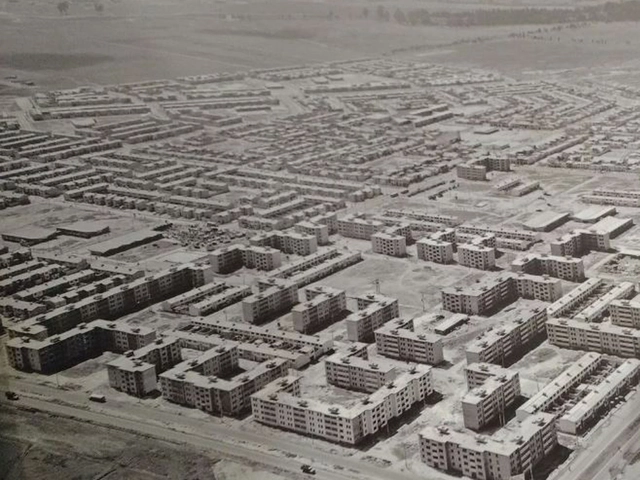
Panoramic view of the Kennedy neighborhood in 1964. It was renamed that year, having previously been called Ciudad Techo. ArchDaily. Image Courtesy of Felipe Cardona
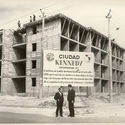
Across a 350-hectare site, 24 superblocks organize the ten thousand housing units of the Ciudad Kennedy complex in Bogotá. Built between 1961 and 1963, its construction embodies an urban vision embedded in a social, political, and ideological framework that specifically involved Colombia, yet was shared to some extent across Latin America during the Cold War.
Videos
Niterói, RJ. Photo by Nayani Teixeira on Unsplash
The postgraduate course Cidades em Disputa – pesquisa, história e processos sociais, at Escola da Cidade, hosted Tainá de Paula, who delivered the open lecture “Body and Territorialities: The Necessary Debate on the Non-City.” Raised in one of the favelas of Praça Seca, in the West Zone of Rio de Janeiro, the architect and urban planner defines herself as a Black woman, mother, and activist for urban struggles, particularly in the peripheries and favelas. During her talk, Tainá—who has also served as a city councilor since 2020—discussed subalternized territories and the “non-city,” which excludes and segregates, while stressing the urgent need to build an agenda to break away from these conditions through racial, class, and gender emancipation.
https://www.archdaily.com/1132097/taina-de-paula-talks-about-the-body-territorialities-and-the-non-cityEscola da Cidade
Videos
via Cities for Play. Designing Child Friendly High Density Neighbourhoods
Escola da Cidade, through the Architecture, Education, and Society and Mobility and Contemporary City courses of its Graduate Program, in partnership with the Alana Institute's Child and Nature program, invited Ursula Troncoso to deliver two lectures. Aiming to foster an agenda for creating greener, more accessible, and child-friendly cities that places childhood at the center of the urban debate, the initiative recognizes the need to build a collaborative network between universities, public officials, and civil society to promote actions centered on urban innovation, quality of life, sustainability, and well-being for both children and the planet.
https://www.archdaily.com/1132093/childhood-in-brazil-is-urban-ursula-troncoso-talks-about-the-city-children-and-mobilityEscola da Cidade