If you are looking for something different for your architectural presentations, virtual reality can be a compelling option (and a challenge if it is your first time working with it). Do you know which headsets are the most suitable, or what the ideal file size of a 360-degree render or 3D model is for VR viewing?
We hope the following answers to frequently asked questions are helpful!
https://www.archdaily.com/1119786/how-to-implement-virtual-reality-answers-to-architects-frequently-asked-questionsArchDaily Team
"Since childhood, I had lived by the warmth of the stove that heats and at the same time gathers the family. Seeking that warmth was a necessity in southern Chile. Here in the tropics, it is the cooling shade that gathers us, and unlike the stove, it is everywhere."
Based in Costa Rica, Bruno Stagno does not simply initiate reflections on how environmental responses can form the basis of architectural inspiration and identity; he proposes to go further, advocating for an architecture tailored to a specific latitude.
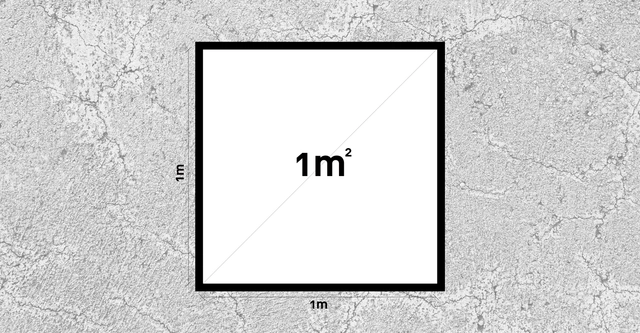
Even if you already know the answer, it is always worth reviewing key considerations regarding a building's square meters. Not only are they fundamental to determining construction costs and materials, but they also lay the groundwork for tax assessments and regulatory compliance.
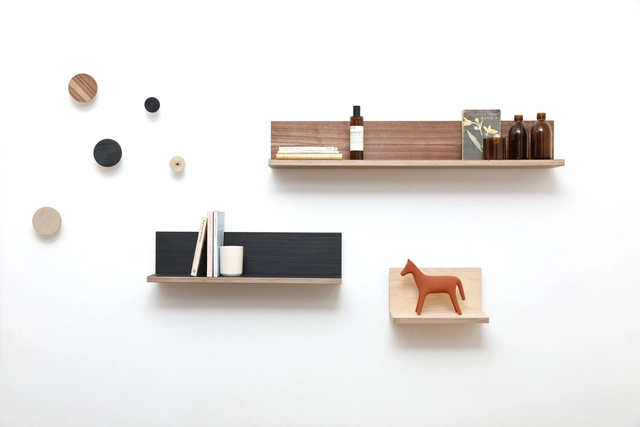
Pirwi, the leading national design editor, recently presented new collections featuring collaborations with Mexican artists and designers, including Daniel Pouzet, Joel Escalona, Moisés Hernández, Pablo Herrera, Sebastián Ángeles, Sergio Morales, and Mario García Torres. These collaborations range from small objects such as shelves and furniture to design pieces that offer a critique and reflection on the era we inhabit. Some of the pieces shown below come together as a complete range of daily-life objects designed by Pirwi, reflecting the brand's aspiration to reach a more inclusive audience and refresh its image with materials and finishes not previously explored.
Ruins are defined as structures, architectural remains, or constructions that have been partially or completely lost due to various factors (such as natural disasters, war, depopulation, abandonment, and lack of maintenance). They manifest as the material and tangible presence of a past era, representing the historical paradigm in which they were conceived and built. Their appeal lies in their ability to freeze a temporal plane different from current reality within the present, serving as a condensation of the ideals, interests, aspirations, questions, and challenges of a specific era. With this in mind, we present below a selection of 10 archaeological sites and ruins you can visit in Argentina.
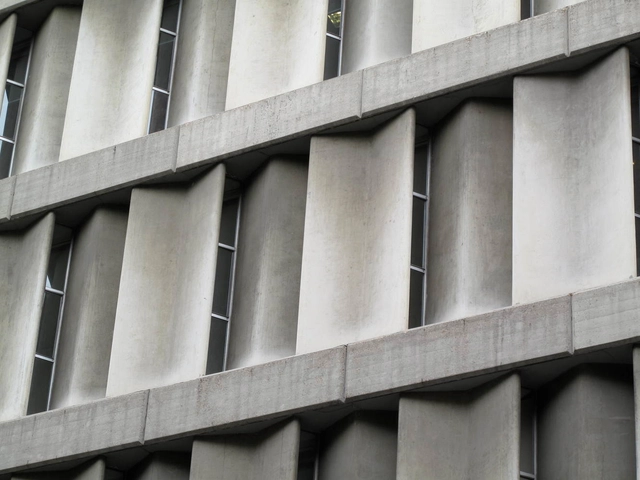
Curious, inquisitive, and tenacious, Miguel Fisac [1913–2006] learned by doing. Fascinated by technology and construction, his direct on-site experience made up for everything that neither university nor books could teach or convey to him. Although his early work could be described as "academicist," within a few years the architect from Ciudad Real managed to shed this approach, turning instead to organic-patterned masonry and beams with bone-like logic. All of this was rooted in an intrinsic, personal commitment to creating a humanized architecture aligned with technical precision.
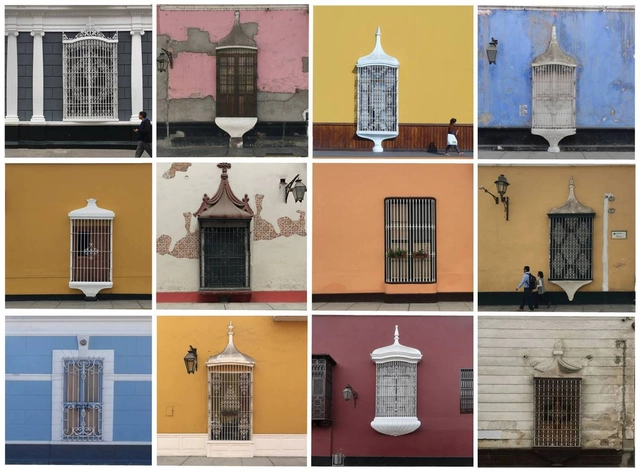
They represent one of the many treasures of northern Peru: its immense windows. When I learned I was heading pa'l norte to Trujillo, I immediately began to dream of its windows. I had encountered them in an excellent university course, and their dimensions were striking enough to occupy a significant place in my memory—compounded by a natural obsession with windows of any size or shape, their purpose, and what they make possible. Although I had been there years ago as a child, I was now returning with a fresh, more architectural perspective.
This is a photographic journey and compilation of the diverse variations of the Trujillo window. The images are not limited to the well-preserved areas of the city; they also reveal neglect or deterioration. Either way, their beauty shines through.
When designing outside of urban areas, where property lines are not constrained by party walls and adjacent buildings do not dictate the layout, some of the most honest architectural responses emerge regarding how to intervene and what stance to take toward the surrounding landscape.
The following four architectural projects located in the Province of Córdoba, shaped by the topographical conditions and the specific characteristics of their surroundings, establish a profound sense of belonging with the landscape. By blurring the line between the natural and the artificial, they offer valuable tools and insights for designing on suburban plots.
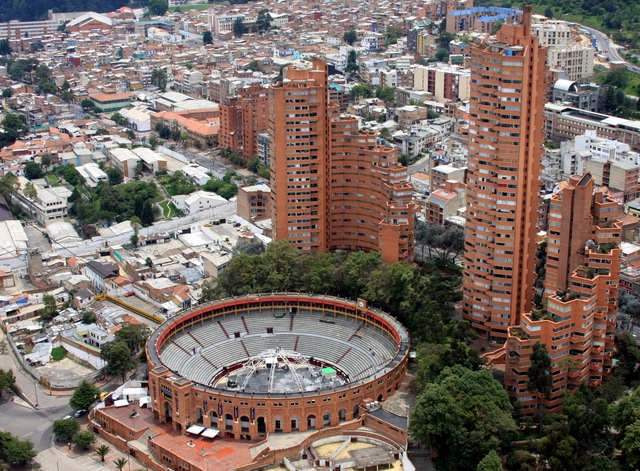
From La Candelaria to Teusaquillo and Santa Fe, Bogotá's modern architecture not only stands in stark contrast to the historical legacy of local forms, but also served as a call to rethink the modernization of the Colombian state around 1930.
The featured city sites serve as a starting point—an invitation to explore the capital and discover an architectural heritage that is distinct, yet remains an integral part of the urban fabric and the daily lives of Colombian citizens.
Automation has become a major talking point—not only for its potential to replace countless low-income or low-skilled jobs, but also for its capacity to render entire professional careers obsolete through artificial intelligence and machine learning.
At ArchDaily, we opened the floor to this discussion in 2017 with an in-depth report on the subject, and we recently turned to our Instagram audience to ask what they think about automation. Do they believe it will affect them? Our readers seem confident: some argue that architecture is an art—or rather, a discipline centered on emotions—even if they overlook the standardization and modulation processes already established in the real estate market. According to those who responded to our poll, this emotional dimension inherent to architecture is precisely what makes it harder to automate.
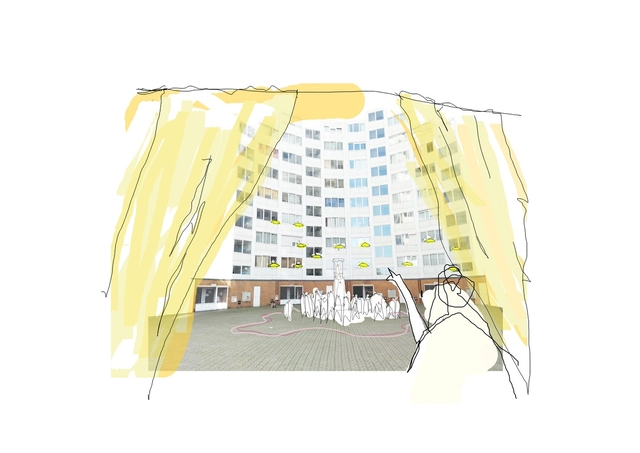
A spotlight illuminates a window opening in a Madrid building. A woman looks out. "I am a young, beautiful dove, full of hope," she declaims before breaking into Volare, the 1980s flamenco hit by the Gipsy Kings. This is one of the scenes from Kópera, the dystopian opera written by architects and neighborhood organizations for the first edition of Imagina Madrid.
In 2017, the experimental public art program of the Madrid City Council, coordinated by Intermediae, launched an open call to explore new forms of cultural intervention in the Spanish capital's public space. Out of 175 submissions, an international jury selected ideas, merged teams, reassigned proposals, and designated nine districts on Madrid's periphery.
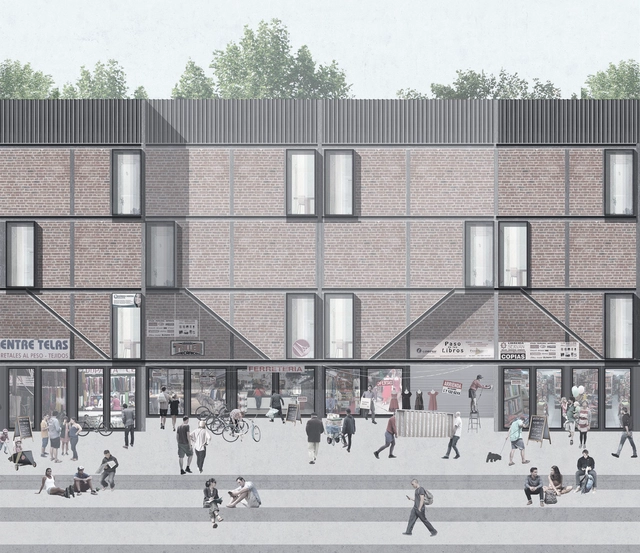
Vivienda de uso mixto / Andrea Fuentes Núñez. Image Cortesía de Archiprix
On Tuesday, April 23, Archiprix Chile 2019 announced the winners of this year's edition at the Centro Cultural Estación Mapocho, honoring the thesis projects of young Chilean architects with three top prizes and three honorable mentions. The award ceremony was preceded by a lecture by Martín del Solar, co-founder of Grupo Talca, a Chilean practice featured in the 2016 Venice Biennale.
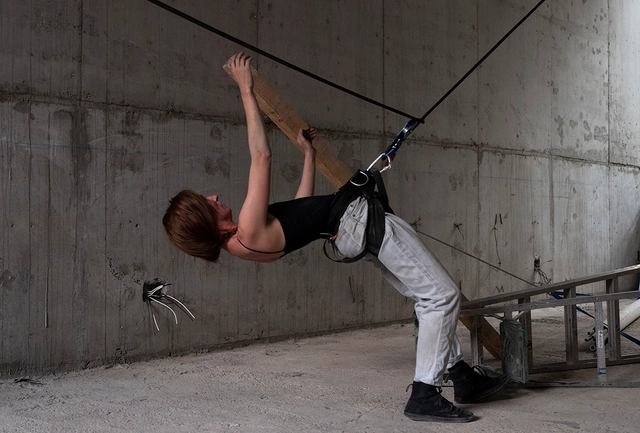
Obra en Obra is a multidisciplinary project led by architects, whose work focuses on experimenting in different ways with the built architectural object, as well as its processes and spaces, through the intersection of architecture with other disciplines such as dance and the visual arts. Conceived as a private, citizen-led, and professional non-profit initiative, Obra en Obra operates in partnership with various firms, conceiving architecture through the senses and experience—a perspective that arises from reversing processes and exposing confrontations.
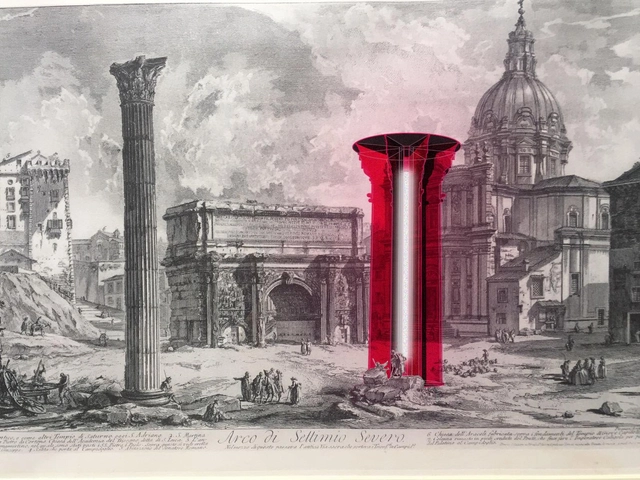
According to Vitruvius and Pausanias, its origin derives from the tree trunks used in primitive constructions of dwellings and religious buildings. In Egypt and Persia, they were commonly found in palaces and temples. In the Romanesque period, beyond structural necessity, they were employed for the pedagogical purpose of teaching the Holy Scriptures. During the Gothic era, they became stylized and clustered, eventually reaching a second peak during the Renaissance and Neoclassicism, evolving into a symbol of an almost nostalgic rationality. Ultimately, they were heavily and pedantly decorated during the Plateresque and Baroque periods, until all ornament was abandoned in favor of their structural and organizing capacity under the new order imposed by modernity through the free plan.
Originally published in ArquitecturaAhora, architect Ana Sugranyes explores the origin and evolution of the concept of the right to the city, from 1960s Paris to its global expansion.
In the name of social integration or sustainability, the United Nations New Urban Agenda (2016) also incorporated a reference to the right to the city. “Words, then, are of no use: they are just words,” says Alberti. Meanwhile, Chile maintains its high level of income inequality, which has a direct, correlative effect on the deep socio-spatial segregation of its territories and cities; this, in turn, corresponds to worrying levels of social, cultural, and structural violence.
Spaces and their designated uses are connected through circulation. When navigating the vertical axis, stairs, ramps, and elevators function as the primary systems of movement. Some view these architectural elements as protagonists in spatial configuration.
Stairs undoubtedly span the entire spectrum from mere utility to sculptural installations. The stairs designed by the Bogotá-based firm Yemail Arquitectura are no exception.
Life Reusing Posidonia. Image Cortesía de IBAVI (Instituto Balear de la Vivienda)
Continuing with the series of articles by Nikos A. Salingaros, David Brain, Andrés M. Duany, Michael W. Mehaffy, and Ernesto Philibert-Petit on the study of social housing in Latin America, this installment discusses construction work processes and operating systems. Review past publications and the new article below.
https://www.archdaily.com/1120293/maintenance-strategy-for-social-housing-in-latin-americaNikos A. Salingaros, David Brain, Andrés M. Duany, Michael W. Mehaffy & Ernesto Philibert-Petit
What Will Happen Here? (O que vai acontecer aqui?) is a new documentary by Left Hand Rotation, in collaboration with Stop Despejos and Habita, on the housing struggles in Lisbon—a city where rents have increased by 50% over the last three years and that has become the leading European city for real estate fund investment.
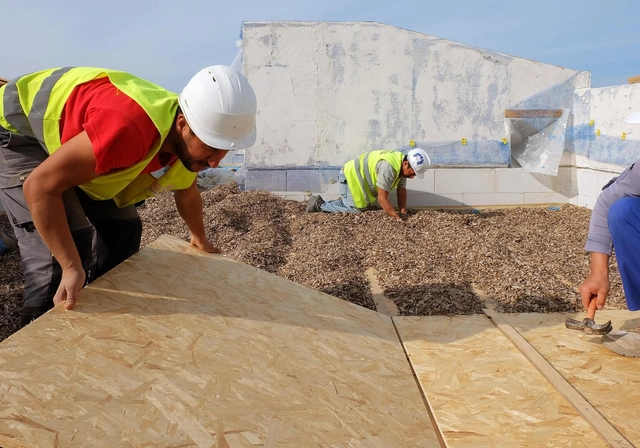
In its most recent edition, BBConstrumat, Spain's largest construction trade fair, underscored its commitment to supporting a new model in the construction industry—one centered on the circular economy and sustainable development.
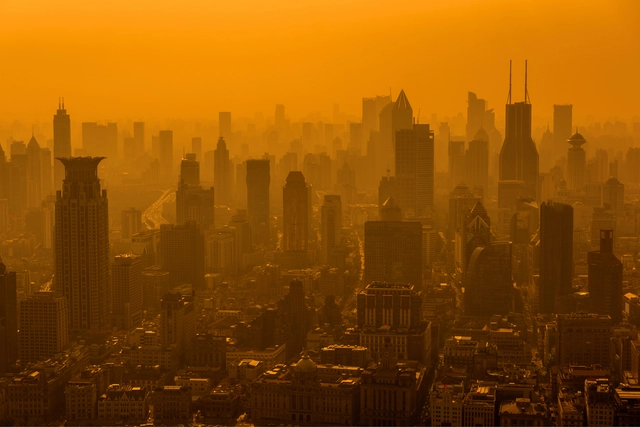
Among the event's key highlights, Ricardo Devesa—editor-in-chief at Actar and urbanNext and professor at IAAC—curated the refreshing congress Logics of Innovation and Change, where presentations and discussions revolved around global challenges such as climate change, robotics, resilience, migration, and new global narratives.
On Thursday, September 5, ArchDaily México celebrated its seventh anniversary. This year, Proyecto Público Prim was chosen as the venue—an early 20th-century building of great architectural value featuring interventions by architect Alberto Kalach and the firm PRODUCTORA. The venue served as the backdrop for some of the most influential figures on the contemporary scene to connect with the ArchDaily México team.
The article series by Nikos A. Salingaros, David Brain, Andrés M. Duany, Michael W. Mehaffy, and Ernesto Philibert-Petit investigating social housing in Latin America continues by exploring the choice of building materials. Read all past articles and the new piece below.
https://www.archdaily.com/1120321/the-need-for-adaptable-materials-in-latin-american-social-housingNikos A. Salingaros, David Brain, Andrés M. Duany, Michael W. Mehaffy & Ernesto Philibert-Petit
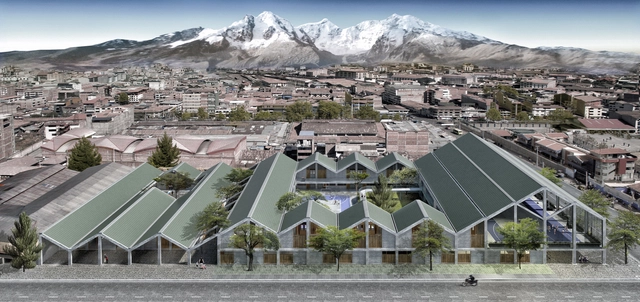
Vista_Panorámica. Image Cortesía de leonmarcial + Ghezzi Novak
The results of the National Catalog of Modular Schools Competition in Peru were recently announced, with a single winning team unanimously selected for all five categories across their respective bioclimatic zones: Coast, Rainy Coast, Highlands, Frost, and Rainforest. Remarkably, this team was formed by an alliance of several highly influential architecture firms in the country, as evidenced by the caliber of their proposals. What made this outcome so compelling was that unity and diversity prevailed in a competition that seeks to foster those very principles through architecture and education.
However, there is an important detail in the competition's process—and processes are journeys worth remembering. The project developed by the architecture offices leonmarcial + Ghezzi Novak was awarded first place by the jury in the Highlands Catalog category; however, it was disqualified for failing to meet the required documentation. Such situations are common in architectural competitions, where regulations must ultimately be upheld.
Beyond the outstanding projects that ultimately won, what happens to those left behind? What becomes of all that valuable material? They, too, deserve visibility, as they represent efforts that should lead to some outcome. We are committed to sharing quality architecture, and this project, given its winning caliber, is undoubtedly one of them.
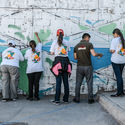
Ciudad Juárez is an industrial city located on the northern border with the United States, specifically bordering the city of El Paso, Texas. Over the years, Juárez's economy has been dominated by the ‘maquiladora’ assembly industry, and the city was once considered one of the most violent in the world due to a wave of crime between 2008 and 2012. In response to these conditions, in 2014, a group of friends from Ciudad Juárez, Chihuahua, eager to contribute to their city's resilience and recovery, came together to discuss and pitch ideas for reclaiming streets, plazas, and parks through sociocultural projects and public space interventions, ultimately giving rise to Nómada Laboratorio Urbano.









.jpg?1551453530 "The palanquin-chair of the character Guardia Ramón in Kópera. Image © Kópera")




.jpg?1570831614&format=webp&width=640&height=580)



_15.05.57.jpg?1568060908&format=webp&width=640&height=580)


_15.05.57.jpg?1568060908)