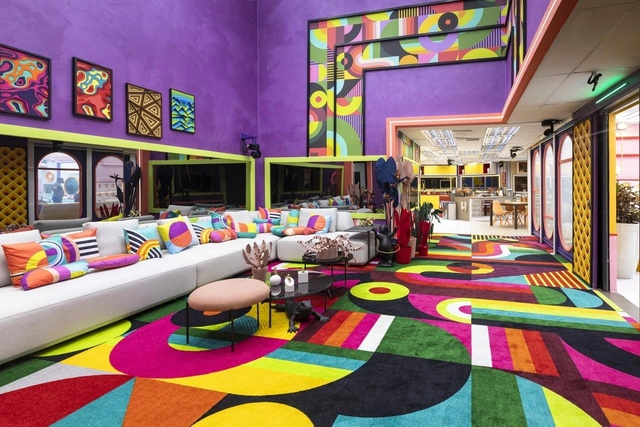
The accelerating rise of a homogenized, worldwide aesthetic is forcing creators to confront a critical reality: design trends are effortlessly transcending geography, but local identity is paying the price. The fifth episode of the Room For Dreams podcast tackles a head-on investigation into whether a boundaryless market is quietly erasing design diversity. Recorded live at Milan Design Week 2026 in cooperation with INDX|GLOBAL, host Claire Broadka of designboom sits down with Sachi Gupta, Shilpi Sonar, Krithika Subrahmanian, and Sumit Dhawan to map out the reality of the borderless creator.
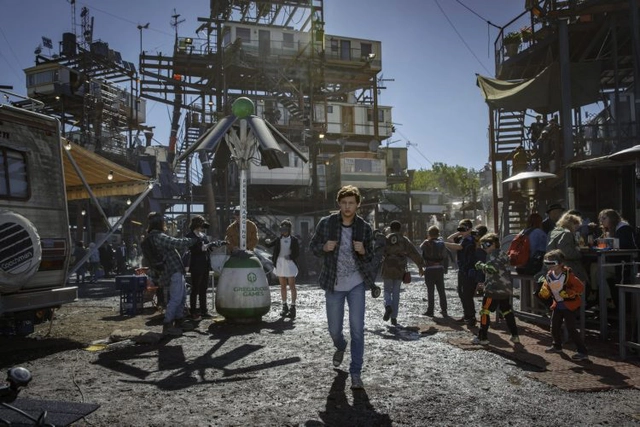
Wade walks the streets of Columbus, Ohio, the city where the film is set. Source: DubaiWeek (2018), under "fair use" terms
Cinema is an excellent tool for stimulating discussions and reflections on the spaces we inhabit, deeply engaging with architecture and urbanism through sets and locations. Films can address current issues within these fields of study and integrate them into their narratives, opening pathways for new debates.
The 2018 feature film Ready Player One, directed by Steven Spielberg, raises a series of questions about urbanism, social relations, contemporary cities, environmental conflicts, and how new technologies can interfere with an individual's relationship with public spaces. This article explores how these factors manifest in our daily lives and shape new concepts of the city.
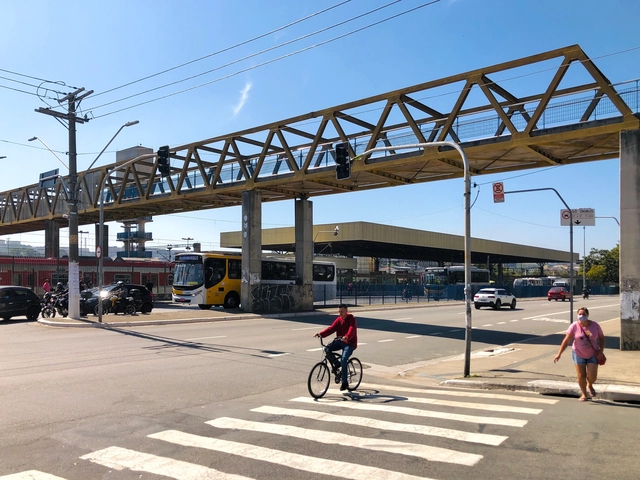
Metropolises in developing countries share the same mobility challenges: low service quality in public transportation, unequal accessibility, high rates of traffic accidents, congestion, and environmental pollution. There is widespread inequity in accessibility, safety, and comfort within transport conditions that reproduces and perpetuates socio-spatial inequality (VASCONCELLOS, 2000). This is a product of the historical urbanization process of the Metropolitan Region of São Paulo (RMSP), which shaped a territory characterized by income-based residential segregation, concentrated job markets, and an uneven distribution of transport infrastructure (VILLAÇA, 1998). Dating back to the 1950s, policies at the federal, state, and municipal levels favored automobile use. Consequently, this resulted in the low quality and inefficiency of road-based public transit and the sluggish expansion of the high-capacity rail system.
https://www.archdaily.com/1132608/modal-transitions-bicycle-parking-at-stations-in-the-sao-paulo-metropolitan-areaDeiny Façanha Costa
Without tackling urban challenges, we cannot solve the climate crisis. The central role of cities is undeniable: they account for 75% of energy-related greenhouse gas emissions. Urban choices influence and can drive change across all systems that must be decarbonized and made resilient, from transportation to food and energy production. As the 2018 report by the Intergovernmental Panel on Climate Change showed, cities—with their concentration of people, economic activity, and infrastructure—are among the most powerful levers we have to drive decarbonization and build resilience quickly enough to meet the targets of the Paris Agreement.
https://www.archdaily.com/1132503/5-priorities-for-cities-after-cop26Rogier van den Berg e Leo Horn-Phathanothai
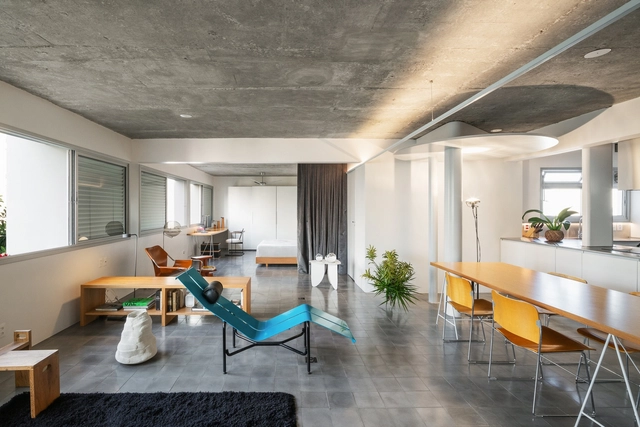
Designing a limited space like an apartment can be a genuine challenge. Creating new layouts and projects over what has already been imagined by someone else is an exercise that demands a keen eye and respect for the existing structure. In addition to this, there is the need to bring character to the space through interior design without overlooking spatial functionality, ensuring the best possible quality of life for its residents.
Parking lot in the city of Rio de Janeiro. Image: ITDP
Over the decades, the evolution of urban mobility has directly impacted not only the quality of travel but also the quality of life of everyone living in urban areas—especially those who are socioeconomically vulnerable. In the search for alternatives that can make travel more comfortable, safe, and efficient, managing automobile use combined with improving access to public transit, walking, and cycling is essential. But how does the supply of car parking spaces negatively affect mobility?
https://www.archdaily.com/1131990/how-parking-affects-urban-mobilityITDP Brasil
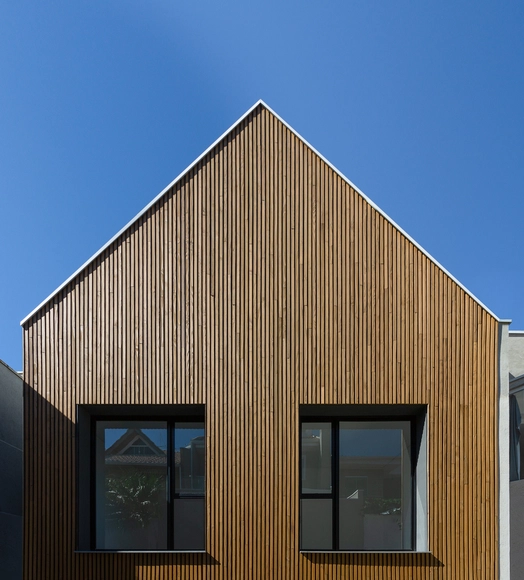
Wood is an incredibly common material in the construction industry, utilized across various stages and for multiple purposes. Below, we explore its potential to shape residential facades through 17 examples of Brazilian houses.
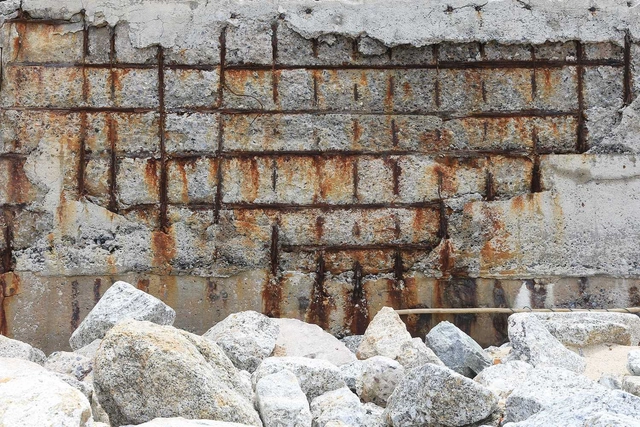
Reinforced concrete with exposed rebar. Image via Shutterstock
Reinforced concrete is the most widely used building material in the world. In Brazil, the nation's greatest architectural icon, Oscar Niemeyer, was passionate about the material, claiming it was the only one capable of giving shape to his sinuous curves.
Builders love concrete, making it the most widely used construction material in the world–but the production of the cement used in most concrete accounts for 8% of global greenhouse gas emissions.
For designers and architects, ugliness has historically not been something to strive for. Culturally, however, we are increasingly weary of perfection.
Following decades of designs that behaved in similarly simple and orderly ways—particularly during the twentieth century, with the rationalism and purity of Modernism—we now long for expressions that are less sanitized and, at the same time, more human.
Summer in the Southern Hemisphere, particularly in the region between the tropics and the Equator, is marked by high humidity, heavy rainfall, and high temperatures. Alongside these summer storms, Brazil also contends with a series of severe events such as flooding, landslides, and dam failures. Over the years, the concentration of these events between November and March has become increasingly common. Their occurrence is directly linked to seasonal summer rains, but also to the country's ongoing economic activities.
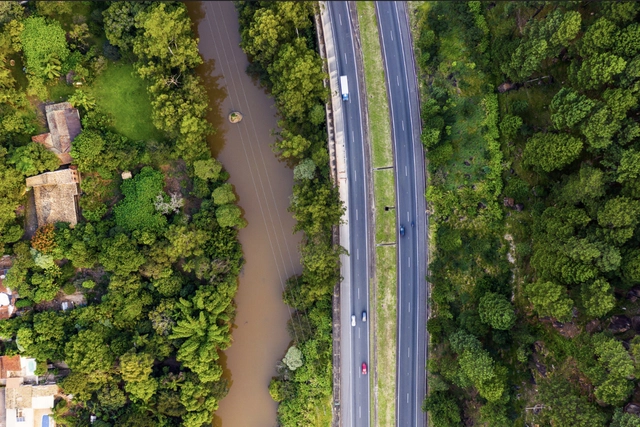
Preserving and restoring riparian forests has multiple benefits for climate adaptation and resilience. Pictured, the Atibaia River in Campinas. Photo: Renan Pissolatti, WRI Brasil
Will 2022 place Brazil on the path toward the economic transition needed to meet climate goals and keep the long-term target of net-zero emissions by 2050 viable? There is still a window of opportunity for the world to limit warming to 1.5°C, but countries' lack of ambition so far has made this scenario increasingly costly to achieve. Each passing year adds urgency, and science has made it clear that decisions made this decade will define the planet's climate balance.
https://www.archdaily.com/1132049/5-facts-and-trends-that-will-shape-the-environmental-agenda-in-brazil-in-2022WRI Brasil
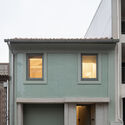
Facades are the calling card of any building, shaping visitors' first impressions of the space they are entering. They are also the part of a building most exposed to the elements and street pollution, requiring periodic maintenance. This article offers practical tips to guide you when renovating the front of your home.
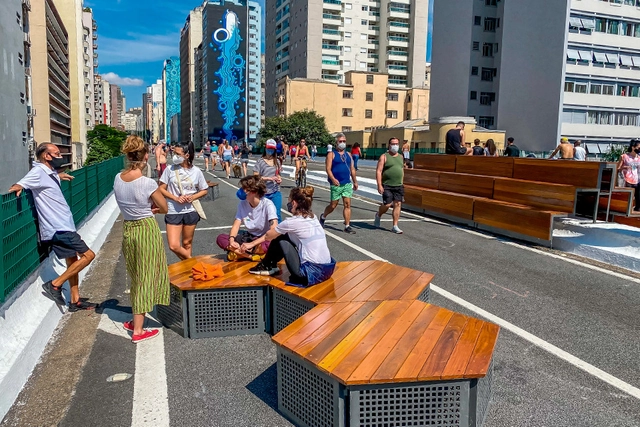
Image: Prefeitura de São Paulo. Courtesy of Caops Planejado
Departing from the 20th-century logic that shaped most cities, deprioritizing cars in urban development and reducing their designated street space does not worsen congestion. On the contrary, reclaiming road space by reducing vehicle lanes prompts a shift in transit habits. People increasingly opt for sustainable alternatives—such as walking, cycling, or public transit—which significantly reduces the volume of private vehicles.
https://www.archdaily.com/1132150/why-closing-streets-to-cars-does-not-increase-trafficSomos Cidade
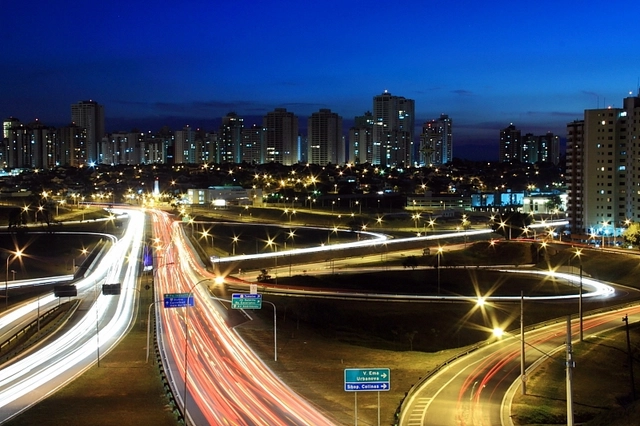
São José dos Campos. Image by wtrilhas - Flickr, via Wikipedia. License CC BY-SA 2.0
This article begins with the premise that cities are not neutral spaces. Territories, much like architecture, urbanism, literature, culture, and politics, are conditioned by the values of a given society at a specific point in time. Consequently, the configuration of these spaces is shaped by societal values—in this case, those of a patriarchal, racist, and capitalist society. As a result, this lack of neutrality in the production of urban space leads to different ways in which cities are used and experienced by their inhabitants. These unique experiences, in turn, are deeply intertwined with issues of social class, race, and gender.
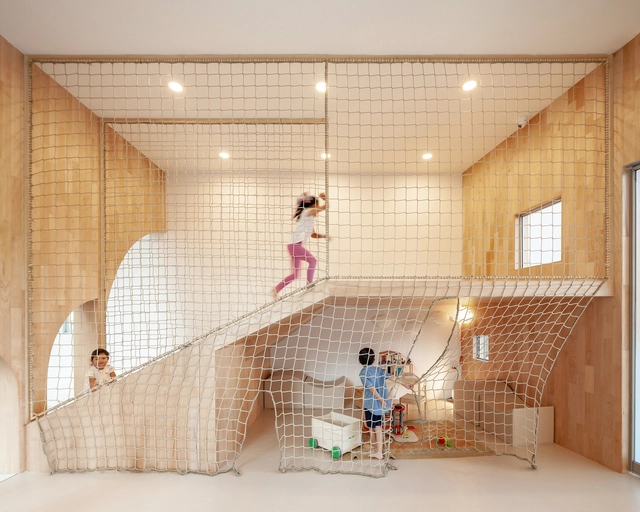
Whether or not they grow up to be architects, the fundamental skills that drive design and architecture can offer immense benefits to our children. The way children grow up to think, behave, solve problems, and create can be immeasurably enhanced by teaching them to think like architects from an early age.
We are living through a period of demographic transition—a shift we are all well aware of. The growth of the population over 60 has been exponential; however, it is not just this demographic increase that must be considered, but also the changing profile of this generation. After all, older adults are not what they used to be.
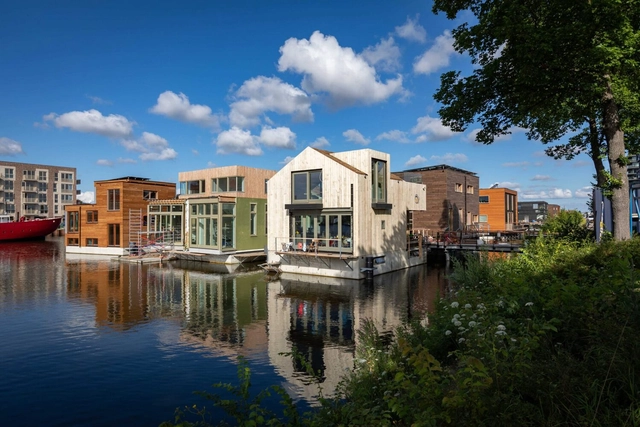
As the global population increasingly concentrates in urban centers, land in major cities is becoming progressively more expensive. Meanwhile, rising sea levels driven by climate change threaten the housing of millions worldwide—it is estimated that 800 million people will be at risk by 2050.
Living on water could offer a solution to both of these major challenges. This very premise inspired a new neighborhood in Amsterdam, the capital of the Netherlands—a country with a long history of adapting to environmental adversity, where a quarter of the land lies below sea level.
"I’m an architect... now what do I do?" is likely one of the most common questions asked by any recent architecture graduate. Over the years, many will find jobs in different industries that do not necessarily involve working in an office designing and constructing buildings.
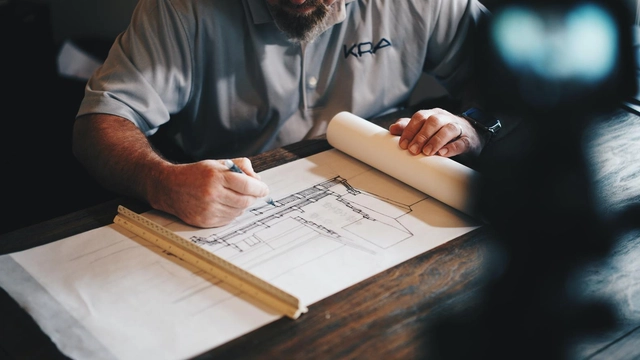
An architectural project goes far beyond final plans, stunning renderings, or physical models. It progresses through several phases that generate a comprehensive set of documents—including technical drawings, written reports, and various other forms of representation—covering everything from conceptualization to construction. More than just a methodology, these stages are governed by standards, with NBR 13532 (Preparation of Building Projects - Architecture) serving as the foundation for the necessary conditions of architectural design development.
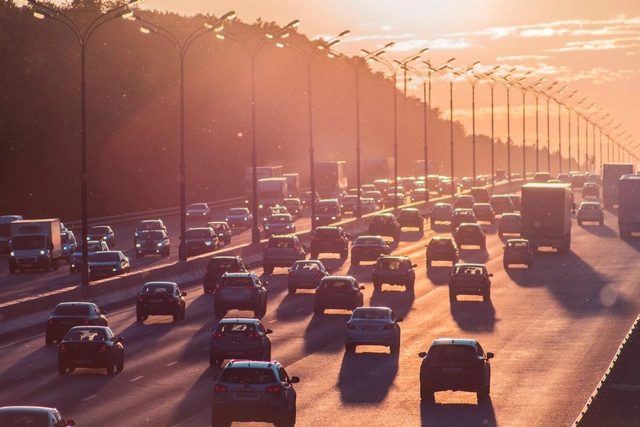
The choice to use private cars is understandable, extending far beyond the so-called "car culture." The convenience of point-to-point transit, flexible scheduling, and a sense of personal security justifies its use, especially where sustainable transportation networks do not adequately serve the entire population. But do drivers actually pay for the impacts they generate?
https://www.archdaily.com/1132385/understand-why-you-pay-for-cars-even-if-you-dont-use-themITDP Brasil
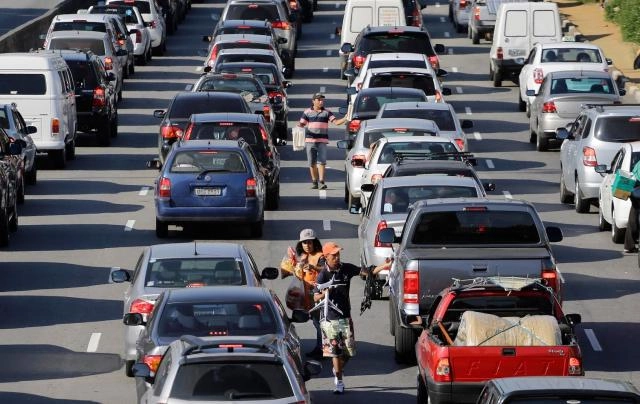
Using a car is an individual choice that causes significant collective harm. Photo: Nelson Antoine/Shutterstock
For decades, cars have been associated with a promise of convenience, autonomy, and comfort. Individually, this may well be true. However, prioritizing the automobile in city design makes urban mobility inefficient and fuels inequality by depriving a large portion of the population of access to opportunities. Using a car is an individual choice that imposes heavy collective costs. Charging for the social costs of this choice is a promising way to discourage it while simultaneously generating funding for sustainable mobility.
https://www.archdaily.com/1131971/why-charging-for-car-use-is-a-fair-and-smart-solution-for-sustainable-mobilityofLuis Antonio Lindau, Cristina Albuquerque, Guillermo Petzhold e Fernando Corrêa
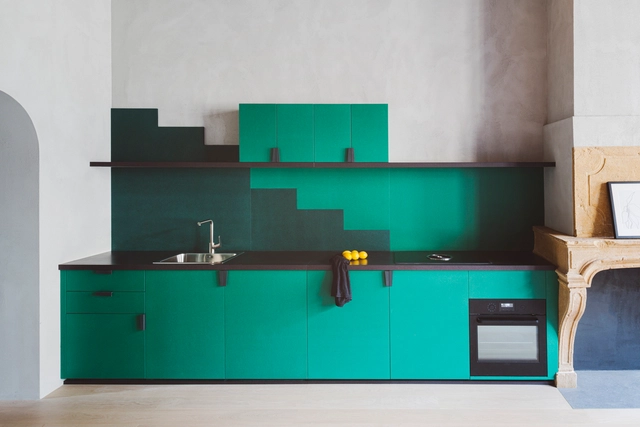
Renovations can often be a major headache. To avoid this, thorough planning and investing time in a comprehensive project are essential to ensure that every stage is executed on time and, most importantly, within budget. With this in mind, here are some tips and key elements to consider before embarking on a basic kitchen renovation.
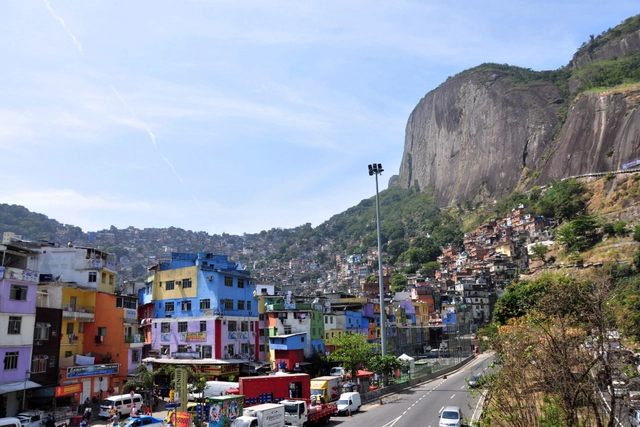
Rocinha, Rio de Janeiro. Image: Alexandre Macieira/Riotur
The future of urban planning may lie in Brazil's second-largest city: Rio de Janeiro. But it is not along the glittering waterfront of Ipanema, overlooked because it houses some of the most expensive real estate in Latin America. Nor is it in the city center, renovated for the 2016 Olympics and now the focus of a major urban revitalization plan. To glimpse the future of cities, one must pass by the Rodrigo de Freitas Lagoon to the Jardim Botânico neighborhood and then look up at the hills, where the immense neighborhood of Rocinha is perilously perched on the slopes.
In its most widely accepted definition, sustainable development is understood as meeting the needs of the present generation without compromising the ability of future generations to meet their own. While often associated with environmental and natural resource issues, sustainable development goes further, encompassing social and economic aspects such as justice, inclusion, and poverty eradication.