Educational facilities have evolved over the years in response to technological advancements and new pedagogical models, which increasingly focus on flexible methods that allow students to chart their own paths within a shared framework. The significance of these facilities lies in their role as meeting points that satisfy our social need to share physical spaces, pointing toward more horizontal and inclusive educational systems. A prime example is the Center for the Blind and Visually Impaired, designed by Taller de Arquitectura Mauricio Rocha + Gabriela Carrillo, which seeks to create diverse sensory experiences through materials, light, and temperature both inside and outside.
In its fourth consecutive edition in Chile, Casa FOA 2019—the international exhibition that brings together design, interior design, architecture, landscaping, and art—showcased established and emerging design talents who revitalized the forgotten Paseo San Damián in Las Condes.
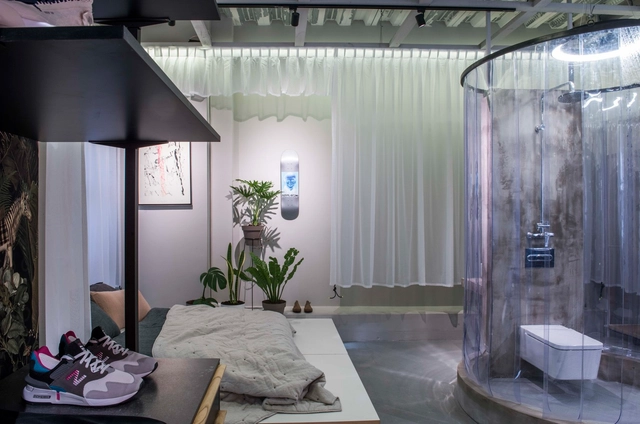
The exhibition aims to introduce the public to the latest trends in the design industry under the concept of creating, transforming, and rethinking the way we live and work. This year's edition was guided by the concept of Coliving, the current expression of social and generational evolution, pointing toward collaborative living and the construction of collective intelligence through shared workspaces and common home areas.
"Horizontal Vertigo" Pavilion for the Venice Biennale 2018. Image
The Venice Architecture Biennale is arguably one of the most influential exhibitions in the world. Established in 1895 as the "Venice International Art Exhibition," the Biennale has become one of the most prominent cultural institutions worldwide, serving as a universal platform for nations to showcase their work. Consequently, every two years, the global spotlight turns to Venice.
However, just as the selection of the Pritzker Prize can shape public debate, it is also influenced by public opinion. Consequently, a month ago we asked our Ibero-American readers from ArchDaily en Español and ArchDaily Brasil to share their thoughts on the potential winners. We conducted a poll on who should win the 2019 Pritzker Prize, offering a selection of architects we thought stood a chance, along with the freedom to nominate their own candidates—always keeping in mind not who is likely to win, but who should win.
https://www.archdaily.com/1120841/our-readers-suggest-who-should-win-the-2019-pritzker-prizeArchDaily Team
To showcase the valuable output of Argentine universities, for the third consecutive year we launched an open call inviting our Argentine readers to submit their final thesis projects, sharing the work that launched their careers as newly minted architects.
After receiving more than 60 submissions from various Argentine architecture schools and cities, our editorial team selected nine projects, focusing on those that demonstrated critical thinking toward contemporary issues, formal resolution, and representation. The selection not only recognizes those projects that delivered the best possible architecture through simple design suited to their context, program, and users, but also highlights those showing a strong commitment to human scale, mediation, transition, and new ways of approaching urban architecture. This edition's jury was composed of Fabian Dejtiar, Managing Editor of ArchDaily en Español; Mónica Arellano, Editor of ArchDaily México; and Delia Bayona, Editor of ArchDaily Perú.
Read on to explore the selected projects in detail.
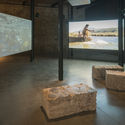
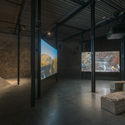
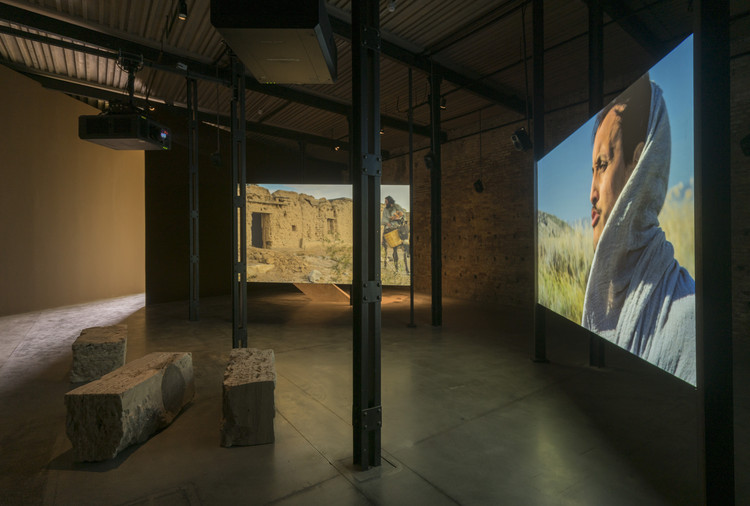
The International Art Exhibition of the Venice Biennale opened its 58th edition on May 11, 2019, at the Sale d'Armi in the Arsenale in Venice, and will run through November 24. At this world-renowned event, Mexico presented its contribution to the national pavilions with Acts of God by artist Pablo Vargas Lugo. Curated by Magalí Arriola, the project seeks to establish a dialogue with the curatorial concept of the Biennale Arte 2019, May You Live in Interesting Times, to examine how we value our actions, the connections we establish between the natural world and geological time, and to question the origins of our moral choices and inherited values, such as the idea of redemption.
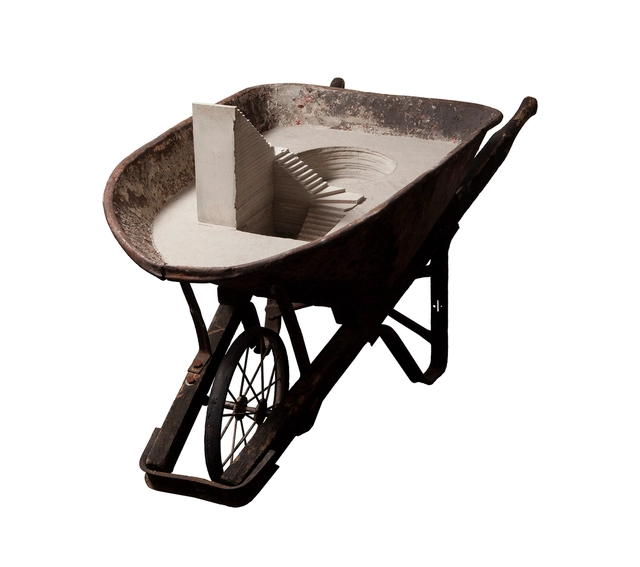
Through elements that once served a functional purpose in architecture—such as door frames, scaffolding, wheelbarrows, planters, or chairs—Colombian artist Sebastián Dávila assigns them a sculptural use, transmuting this obsolescence into the foundation for creating new scaled spatialities in cast concrete. In conversation with ArchDaily, the artist, sculptor, and near-architect explains how merging art and architecture transcends the stereotomic quality of concrete-generated space.
The Chilean city of Valparaíso is comprised of 42 hills overlooking the Pacific Ocean. Its unique topography has prompted—or forced—residents to build a creative network of elevators, staircases, and alleys, connecting every corner of the city despite its rugged terrain.
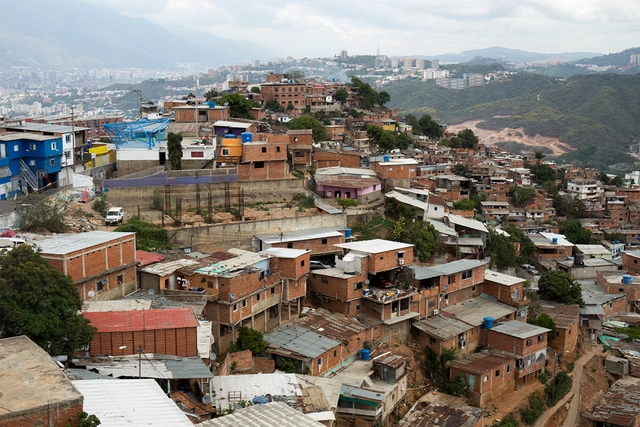
This chapter of the article series by Nikos A. Salingaros, David Brain, Andrés M. Duany, Michael W. Mehaffy, and Ernesto Philibert-Petit—which examines social housing in Latin America—presents recommendations for the sequence of actions required to generate housing in both rural and urban contexts. Review the previous installments and the new article below.
https://www.archdaily.com/1120741/22-steps-to-develop-social-housing-in-rural-or-urban-areasNikos A. Salingaros, David Brain, Andrés M. Duany, Michael W. Mehaffy & Ernesto Philibert-Petit
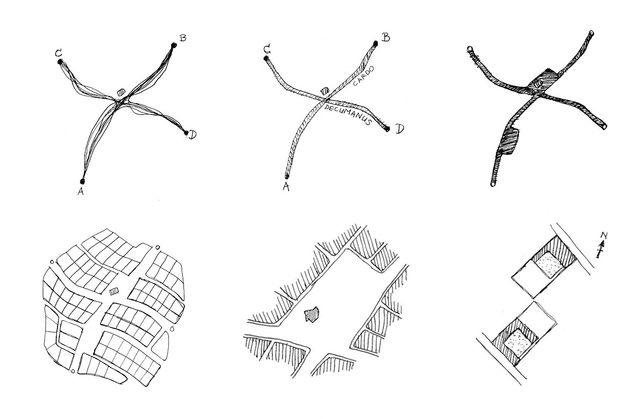
In this installment, as part of the series of articles by Nikos A. Salingaros, David Brain, Andrés M. Duany, Michael W. Mehaffy, and Ernesto Philibert-Petit, we examine the importance of design sequences and generative codes in social housing in Latin America. Explore all previous publications and the new article below.
https://www.archdaily.com/1120725/social-housing-in-latin-america-design-sequenceNikos A. Salingaros, David Brain, Andrés M. Duany, Michael W. Mehaffy & Ernesto Philibert-Petit
Mexico City’s vecindades (traditional tenement housing) are urban settlements located primarily in the downtown area. According to the National Institute of Anthropology and History (INAH), these buildings first emerged in the late 18th century, though their peak occurred during the 19th century as a result of rapid population growth, serving to provide affordable housing for the city's most marginalized sectors.
In September, we launched the fourth edition of our open call in Colombia, inviting architects to submit their undergraduate thesis projects. In this edition, the call received 104 submissions from more than 15 cities and 25 universities across the country, marking an 11% increase in proposals compared to 2018.
Following an exhaustive evaluation, and to celebrate Architects' Week in Colombia, we present the 13 thesis projects selected as winners by our editorial jury (Fabián Dejtiar, Mónica Arellano, and Santiago Baraya). The evaluation criteria prioritized projects that directly addressed current issues, such as urban, local, social, and environmental contexts.
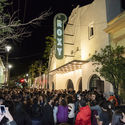
Sala Roxy is a historic venue located at 80 Mezquitán Street in the city of Guadalajara, Jalisco, Mexico. For years, this space served as a local symbol of freedom, bringing together alternative artistic and cultural expressions. First opening its doors in 1937, it operated for several decades as Cine Roxy; built in the Art Deco style, it became one of the first theaters dedicated to film screenings in Guadalajara.
Every October 1st, Mexico celebrates Architect's Day to highlight and recall the collective responsibility of architecture in designing the world's future cities and settlements. Over the years—following its official establishment in 2004—celebrations have varied widely across a massive community that constantly questions its role in society and the world. This has sparked ongoing debates about the meaning of architecture, the role of architects at pivotal moments in history, and above all, what the future of architecture in Mexico holds. Where should the profession direct its efforts to build spaces that improve people's quality of life?
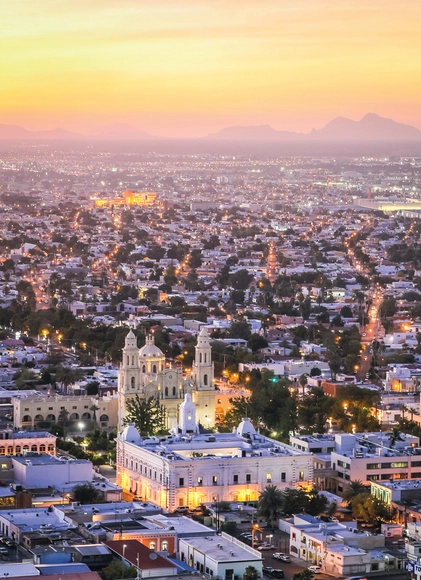
Courtesy of Felipe Vera, Diego Arcia & Andreina Seijas. ImageHermosillo, Mexico
Few may have heard of Hermosillo, a Mexican city of 850,000 inhabitants located in the middle of the desert, just 280 kilometers south of the United States border. It is a city of great strengths, but also immense challenges. In an increasingly urbanized world, cities have become platforms for innovation and change, particularly in developing countries. While megacities like Bogotá, Lima, and Mexico City struggle to distribute goods and services to their sprawling populations, intermediate cities like Hermosillo have the potential to offer a more sustainable alternative.
https://www.archdaily.com/1120492/hermosillo-the-mexican-city-that-became-a-testing-ground-for-urban-experimentation-in-the-desertFelipe Vera, Diego Arcia & Andreina Seijas
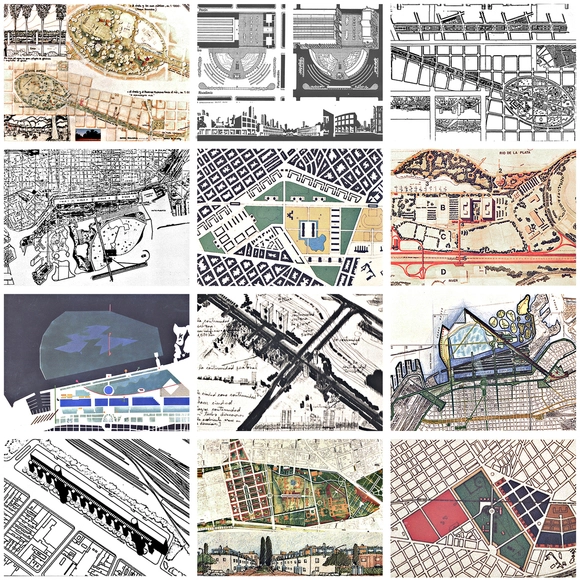
In 1986, an urban design competition was held in Argentina titled “Ideas Urbano-Arquitectónicas para Buenos Aires” (Urban-Architectural Ideas for Buenos Aires), more commonly known as “Las Veinte Ideas” (The Twenty Ideas). Organized as part of a cooperation program between the Community of Madrid and the Municipality of Buenos Aires during the mayoral administration of Facundo Suárez Lastra, this call for entries generated a high concentration of design concepts. With the participation of more than 400 architects, it yielded a total of 120 proposals for the city. Although unbuilt, these ideas hold significant theoretical and historical relevance; in many cases, they served as the seed or starting point for the development of subsequent urban projects.
Coffee shops are spaces whose history dates back to the 15th century. Originating in Arab countries before the rise of Europe, they began to play an important social role, often described as taverns where significant conversations took place, deals were struck, and political debates unfolded. Over time, these spaces evolved and the concept expanded to European countries like England, France, Italy, and Germany, where they served as highly public gathering spots for merchants, politicians, scientists, academics, philosophers, and poets.
'Silogismos' is an architecture and illustration project that bases its research on archives, publications, and photographs tracing the history of modern construction in Mexico. It offers a graphic narrative on the continuity and transformation of seminal 20th-century works through the synthesis, interpretation, and juxtaposition of their ideals. These paired concepts confront thought and form through deductive inference. Ultimately, the sum of these parts reveals critical architectural meanings and motives for future reconstruction.
https://www.archdaily.com/1120503/urban-syllogisms-discover-the-history-behind-ciudad-satelite-and-the-multifamily-housing-complex-in-mexicoJuan José Kochen + Ximena Rios-Zertuche
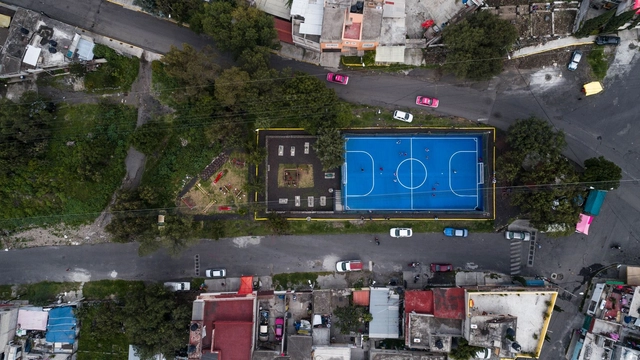
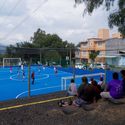
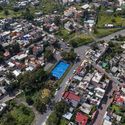
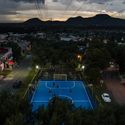
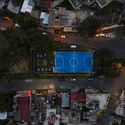
ALL Arquitectura is a Mexican firm that focuses on developing projects at both urban and architectural scales through methodologies rooted in participatory design. One of these projects is Cancha “LA DOCE”, a collaborative initiative born from a network and a proposal for change driven by the need to develop high-quality public spaces in marginalized areas of various cities worldwide. Drawing on an activity deeply woven into the lives of local residents, ALL Arquitectura leveraged soccer as a design catalyst to encourage participation, observation, and community life.
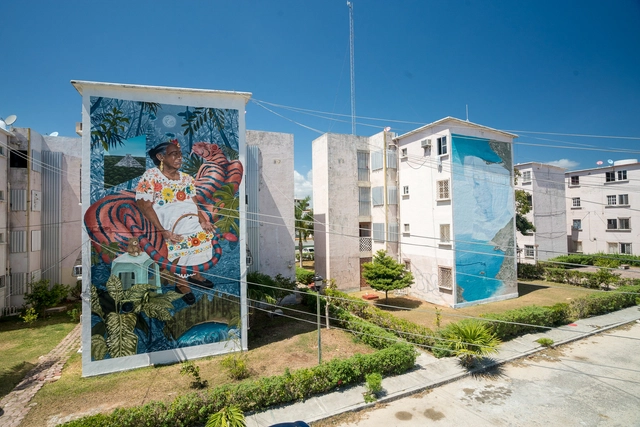
Proyecto Panorama is a civil association made up of a diverse group of young people from Cancún, who have been actively working for more than two years on public space interventions in Quintana Roo through urban art. These interventions have proven to generate a positive impact on the residents' environment, strengthening the sense of identity and belonging in one of the country's most important developing regions. Since its founding in 2016, and thanks to collaborations with renowned national and international artists, Proyecto Panorama has intervened in more than 30 public spaces, as well as an elementary school in Cancún and another in the Riviera Maya, resulting in 116 murals.
The Mexican state of Oaxaca is one of the most visited destinations in the country, drawing travelers from around the globe with its rich culinary, cultural, and architectural heritage. Located in the southeastern region of the country, it spans 93,757 km² and is divided into 570 municipalities, making it the fifth-largest state in Mexico.
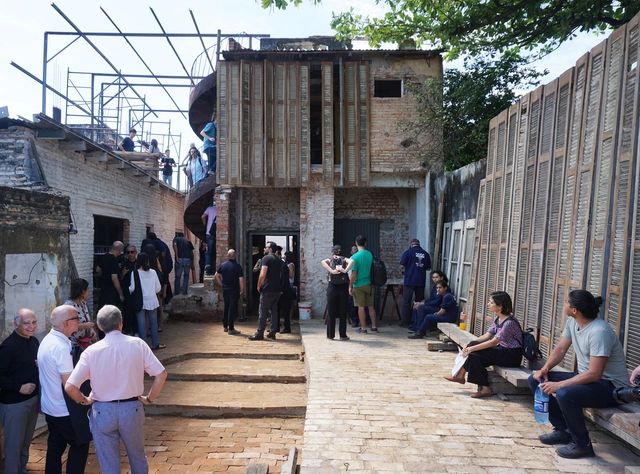
The new edition of the Ibero-American Biennial of Architecture and Urbanism (XI BIAU) poses a different challenge. This time, along the shores of the peaceful Paraguay River, the Ricardo Brugada neighborhood, known as La Chacarita—one of the oldest in Asunción's historic center—takes center stage.
Together with the residents—who also exhibited the biennial's award-winning projects in their own private homes—national curators led 13 working groups to develop proposals for the improvement and transformation of a sector historically overlooked by the city, often associated with crime and unemployment. Some of these initiatives have already been put into practice.
CityMakers is working alongside ArchDaily to publish a series of articles, conversations, and interviews with the key figures of urban co-production behind the Barcelona CityMakers Lab 2019, an event taking place from October 14 to 20.
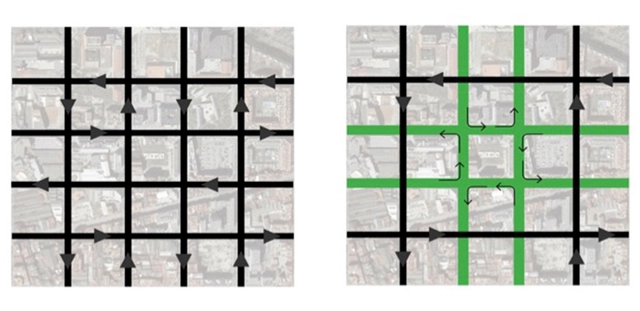
In this edition, we feature Salvador Rueda, director of the Urban Ecology Agency of Barcelona, who will give a Masterclass at the Barcelona CityMakers Lab 2019addressing concepts of "Ecosystemic Urbanism," the foundation of a new urban model for the city of Barcelona.
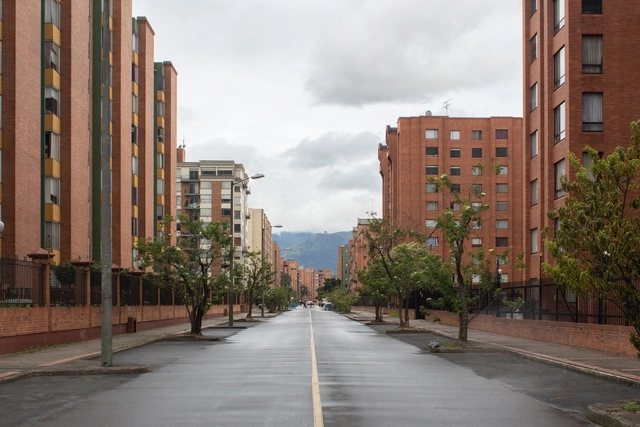
Ciudad Salitre. Foto de Santiago Beaumé, María Luisa Cervantes y Federico Chaparro. Image Cortesía de Ciudad Isla
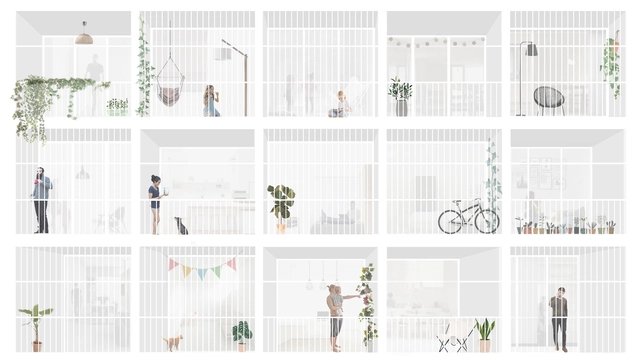
In Bogotá, a third of all households live in gated communities. This phenomenon is a misguided application of the model idealized by post-war American suburbs, which projected an idyllic, safe, happy, and perfect life—a life where mobility prioritizes motorized vehicles, utilizing simple, replicable, and, of course, highly profitable construction models.
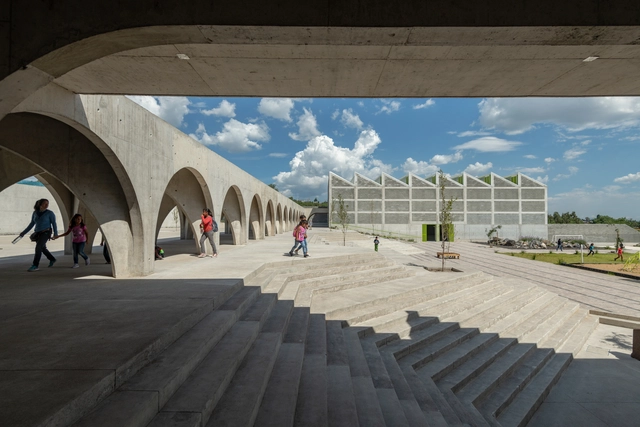


.jpg?1643052917 "Jojutla School / Taller de Arquitectura X / Alberto Kalach + Roberto Silva. Image")

.jpg?1559517037&format=webp&width=640&height=580)













.jpg?1597424114&format=webp&width=640&height=580)
.jpg?1597424114)