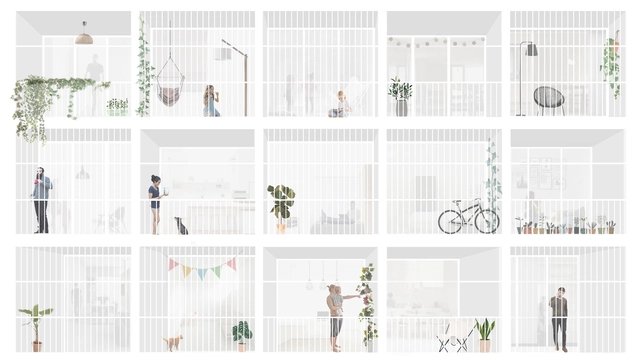
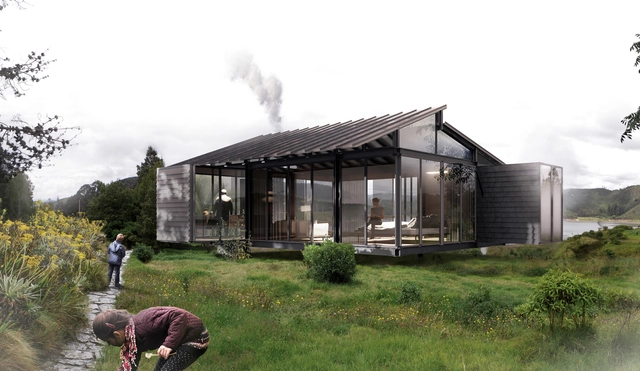
Presented at the recent edition of the Feria del Diseño 2019 in Medellín, Iku Hábitat is a modular architectural construction system developed in Colombia that aims to streamline construction processes using designed and prefabricated components assembled with screws.
https://www.archdaily.com/1120967/iku-habitat-a-modular-home-in-colombia-assembled-with-screwsArchDaily Team
Ilustración 6. Incorporación de vegetación para minimizar los efectos de islas de calor. Image Cortesía de Universidad de Cuenca
The following analysis was developed within the research project “Sustainable and Safe Building Certification,” funded by the Research Directorate of the University of Cuenca and led by Dr. Felipe Quesada Molina. This research addresses the sustainability assessment of residential buildings in the city of Cuenca.
https://www.archdaily.com/1120986/strategies-for-the-sustainable-and-safe-building-certification-of-the-city-of-cuenca-ecuadorArchDaily Team
André Gorz wrote in 1974: «Ecology is like universal suffrage and the Sunday day of rest: at first, all the bourgeois and all the proponents of order tell you that you want their ruin, and the triumph of anarchy and obscurantism. Then, when circumstances and popular pressure become irresistible, they grant you what they denied you yesterday and, fundamentally, nothing changes».
The recent book 'Plan de desarrollo urbano de la zona noroeste de la ciudad de Mar del Plata' by Guillermo Tella, Beatriz Cuenya, Martín Delucchi, and Laura Corbalán Vieiro synthesizes the results achieved through the technical assistance and institutional coordination experience carried out during 2017-2018 for the Municipality of General Pueyrredón (province of Buenos Aires, Argentina) by the Center for Urban and Regional Studies (CEUR-CONICET) and the Inter-American Development Bank (IDB).
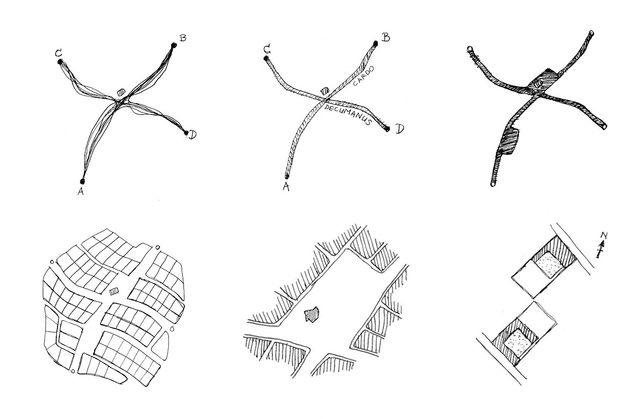
May 3 is a holiday originating from the Feast of the Finding of the Holy Cross, also known as the May Cross (Cruz de Mayo) or Festival of the Crosses (Fiesta de las Cruces), which has its roots in the Roman Rite celebrating the devotion to the Cross of Christ. Over time, this commemoration has evolved and been adopted across cities in Mexico, Chile, Spain, Ecuador, El Salvador, Guatemala, Paraguay, Peru, Trinidad and Tobago, Argentina, Colombia, and Venezuela, where the festivities typically include floral decorations, processions, and dances.
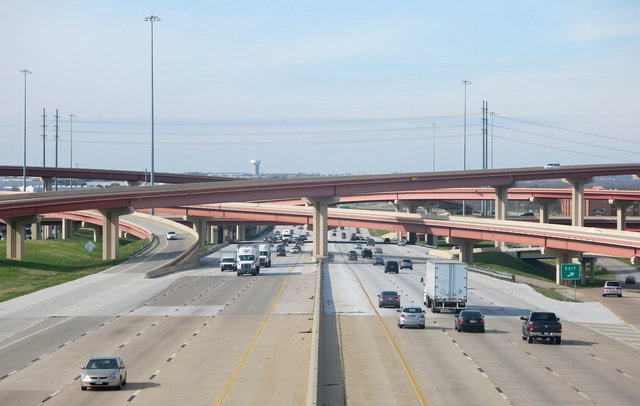
Today, discussing infrastructure means discussing geopolitics and connectivity as a key driver of global competitiveness. Connectivity, however, should not be understood solely as physical infrastructure, even if we are talking about roads for autonomous vehicles or hyperloop tunnels.
It seems almost impossible to imagine that a single public initiative could have spawned most of the national highways we have today in Argentina, established tourism as an economic driver for the country, consolidated the national oil company YPF against foreign competition, and driven a large part of the development of Argentine modern architecture.
Yet it is entirely plausible when we look at one of the largest territorial interventions in the country's history—a vanguard of modernity that established the automobile as a mass means of transportation in our region.
I met Vera Primavera in Ibarra, Ecuador, during the sixth edition of EARQ (PUCE-SI)—a graffiti and tattoo artist whose work revolves around mysticism, magic, intimacy, and women in the city.
Mexico City, considered one of the largest and most populous urban areas in the world, is in fact the largest city in the Americas and the Spanish-speaking world. Given this vast footprint, its immense population has led to sprawling peripheral settlements, highlighting the urgent need for a denser, more inclusive city. Various factors—such as the abandonment of downtown buildings following historic earthquakes like the one in 1985, compounded by a lack of basic habitability—have drawn the attention of diverse actors. Through clear, targeted interventions, they seek to restore a cohesive urban fabric that empowers residents to reclaim their city.
How did a house designed by the world’s most renowned engineer—the Frenchman Gustave Eiffel, designer of the tower that bears his name in Paris—end up in Argentina?
How did this structure settle in one of Córdoba’s most culturally active neighborhoods, only to open its doors a century later as a cultural space thanks to the intervention of local residents?
A few months ago, the first exhibition by Zaha Hadid Architects (ZHA) in Latin America concluded. It was held at the Museo Universitario de Arte Contemporáneo (MUAC) within the Centro Cultural of Ciudad Universitaria in Mexico City. The exhibition featured some of architect Zaha Hadid's projects through models, audiovisual materials, paintings, and photographs. It explored the creative process of her practice, highlighting the importance and complexity of design as the central axis linking form and construction processes in her work.
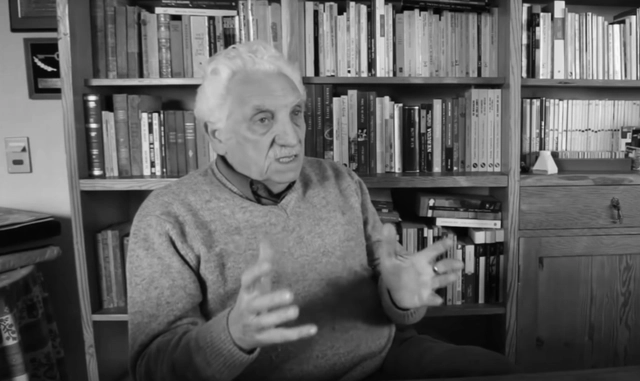
Last month, the National Board of the Association of Architects of Chile announced Miguel Lawner as the winner of the 2019 National Architecture Award, the highest honor an architect can receive in that country. The following interview, conducted in 2015, not only delves into the details of his life story, but also reflects several of his thoughts on the political sphere.
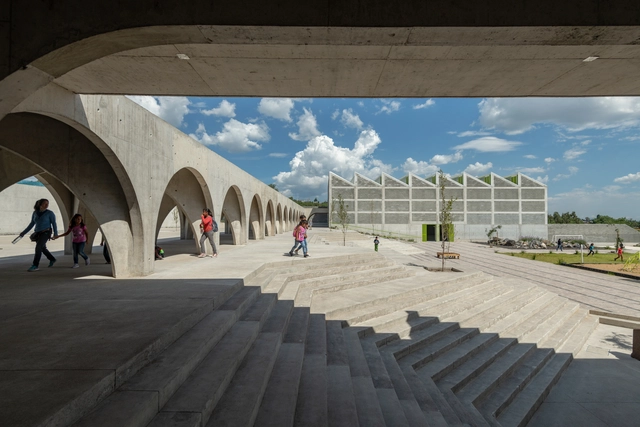
Educational facilities have evolved over the years in response to technological advancements and new pedagogical models, which increasingly focus on flexible methods that allow students to chart their own paths within a shared framework. The significance of these facilities lies in their role as meeting points that satisfy our social need to share physical spaces, pointing toward more horizontal and inclusive educational systems. A prime example is the Center for the Blind and Visually Impaired, designed by Taller de Arquitectura Mauricio Rocha + Gabriela Carrillo, which seeks to create diverse sensory experiences through materials, light, and temperature both inside and outside.
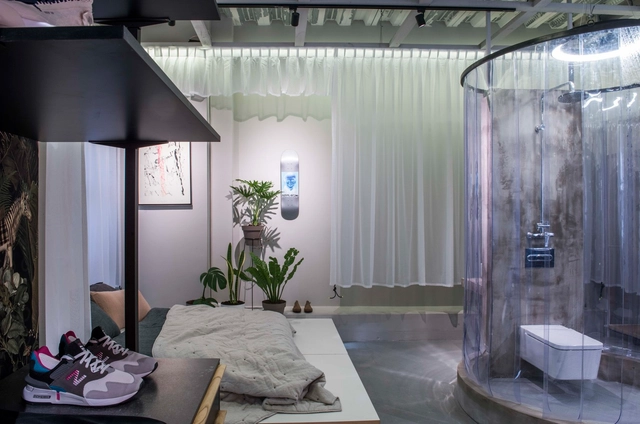
In its fourth consecutive edition in Chile, Casa FOA 2019—the international exhibition that brings together design, interior design, architecture, landscaping, and art—showcased established and emerging design talents who revitalized the forgotten Paseo San Damián in Las Condes.
The exhibition aims to introduce the public to the latest trends in the design industry under the concept of creating, transforming, and rethinking the way we live and work. This year's edition was guided by the concept of Coliving, the current expression of social and generational evolution, pointing toward collaborative living and the construction of collective intelligence through shared workspaces and common home areas.
"Horizontal Vertigo" Pavilion for the Venice Biennale 2018. Image
The Venice Architecture Biennale is arguably one of the most influential exhibitions in the world. Established in 1895 as the "Venice International Art Exhibition," the Biennale has become one of the most prominent cultural institutions worldwide, serving as a universal platform for nations to showcase their work. Consequently, every two years, the global spotlight turns to Venice.
However, just as the selection of the Pritzker Prize can shape public debate, it is also influenced by public opinion. Consequently, a month ago we asked our Ibero-American readers from ArchDaily en Español and ArchDaily Brasil to share their thoughts on the potential winners. We conducted a poll on who should win the 2019 Pritzker Prize, offering a selection of architects we thought stood a chance, along with the freedom to nominate their own candidates—always keeping in mind not who is likely to win, but who should win.
https://www.archdaily.com/1120841/our-readers-suggest-who-should-win-the-2019-pritzker-prizeArchDaily Team
To showcase the valuable output of Argentine universities, for the third consecutive year we launched an open call inviting our Argentine readers to submit their final thesis projects, sharing the work that launched their careers as newly minted architects.
After receiving more than 60 submissions from various Argentine architecture schools and cities, our editorial team selected nine projects, focusing on those that demonstrated critical thinking toward contemporary issues, formal resolution, and representation. The selection not only recognizes those projects that delivered the best possible architecture through simple design suited to their context, program, and users, but also highlights those showing a strong commitment to human scale, mediation, transition, and new ways of approaching urban architecture. This edition's jury was composed of Fabian Dejtiar, Managing Editor of ArchDaily en Español; Mónica Arellano, Editor of ArchDaily México; and Delia Bayona, Editor of ArchDaily Perú.
Read on to explore the selected projects in detail.
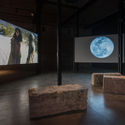
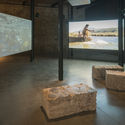
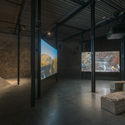
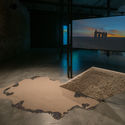
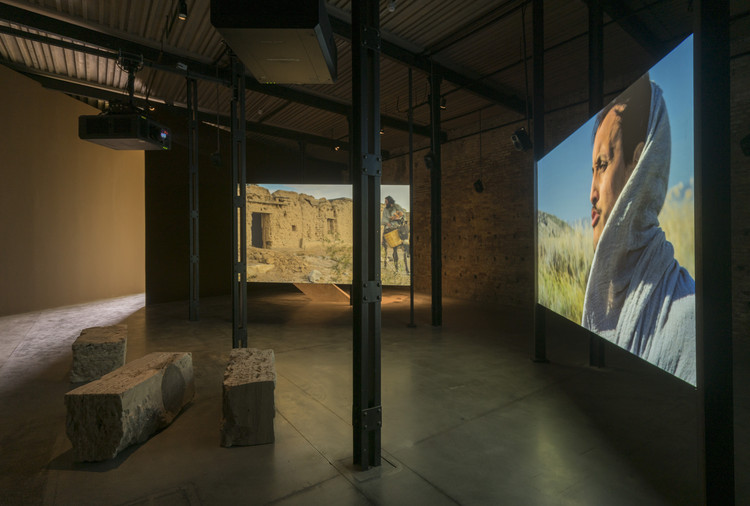
The International Art Exhibition of the Venice Biennale opened its 58th edition on May 11, 2019, at the Sale d'Armi in the Arsenale in Venice, and will run through November 24. At this world-renowned event, Mexico presented its contribution to the national pavilions with Acts of God by artist Pablo Vargas Lugo. Curated by Magalí Arriola, the project seeks to establish a dialogue with the curatorial concept of the Biennale Arte 2019, May You Live in Interesting Times, to examine how we value our actions, the connections we establish between the natural world and geological time, and to question the origins of our moral choices and inherited values, such as the idea of redemption.
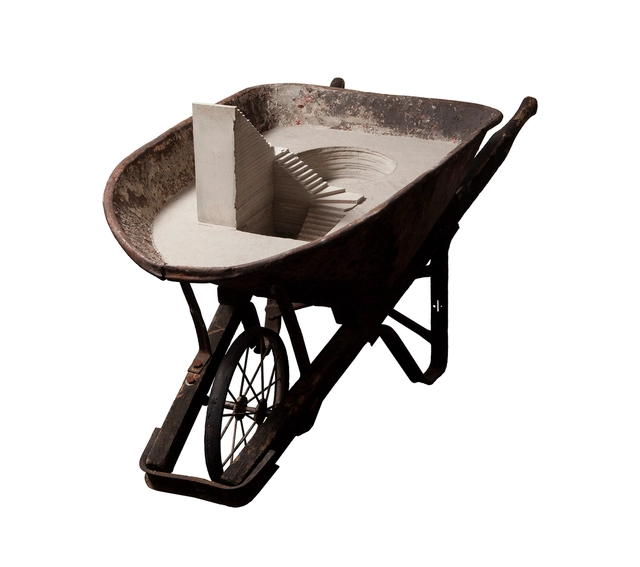
Through elements that once served a functional purpose in architecture—such as door frames, scaffolding, wheelbarrows, planters, or chairs—Colombian artist Sebastián Dávila assigns them a sculptural use, transmuting this obsolescence into the foundation for creating new scaled spatialities in cast concrete. In conversation with ArchDaily, the artist, sculptor, and near-architect explains how merging art and architecture transcends the stereotomic quality of concrete-generated space.
The Chilean city of Valparaíso is comprised of 42 hills overlooking the Pacific Ocean. Its unique topography has prompted—or forced—residents to build a creative network of elevators, staircases, and alleys, connecting every corner of the city despite its rugged terrain.
This chapter of the article series by Nikos A. Salingaros, David Brain, Andrés M. Duany, Michael W. Mehaffy, and Ernesto Philibert-Petit—which examines social housing in Latin America—presents recommendations for the sequence of actions required to generate housing in both rural and urban contexts. Review the previous installments and the new article below.
https://www.archdaily.com/1120741/22-steps-to-develop-social-housing-in-rural-or-urban-areasNikos A. Salingaros, David Brain, Andrés M. Duany, Michael W. Mehaffy & Ernesto Philibert-Petit





.jpg?1558985953&format=webp&width=640&height=580)
.jpg?1558985953)


.jpg?1643052917 "Jojutla School / Taller de Arquitectura X / Alberto Kalach + Roberto Silva. Image")

.jpg?1559517037&format=webp&width=640&height=580)