The Spanish Architecture Prize (Premio de Arquitectura Española) has been awarded biennially by the Higher Council of the Colleges of Architects of Spain (CSCAE) since 1993 to promote the quality of architectural works built across Spain.
The award has recognized built works by architects such as Enric Miralles, Mansilla y Tuñón, Sara de Giles, and Francisco Mangado Beloqui, among others, with projects including the Royal Collections Museum and the Palma Convention Center and Hotel. Explore all the winning projects below.
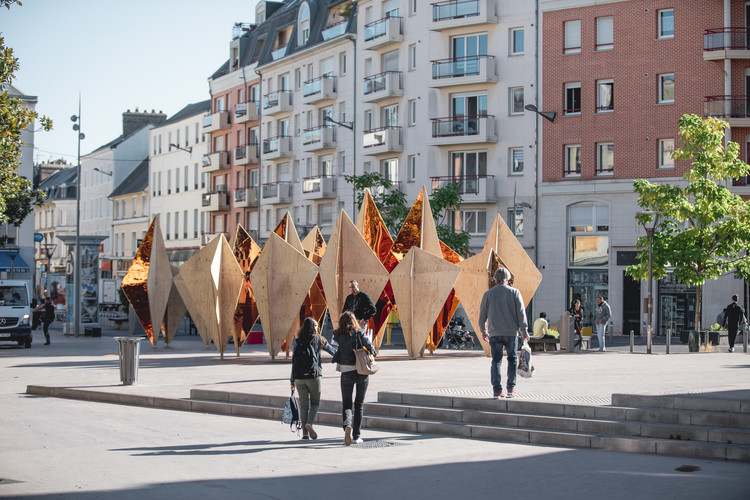
The Forêt Monumentale is a sustainable art and architecture exhibition featuring temporary works and pavilions designed as "site-specific" installations, created especially for a 4-kilometer trail in the Green Forest of Rouen, Normandy.
A few months ago, the first exhibition by Zaha Hadid Architects (ZHA) in Latin America concluded. It was held at the Museo Universitario de Arte Contemporáneo (MUAC) within the Centro Cultural of Ciudad Universitaria in Mexico City. The exhibition featured some of architect Zaha Hadid's projects through models, audiovisual materials, paintings, and photographs. It explored the creative process of her practice, highlighting the importance and complexity of design as the central axis linking form and construction processes in her work.
Educational facilities have evolved over the years in response to technological advancements and new pedagogical models, which increasingly focus on flexible methods that allow students to chart their own paths within a shared framework. The significance of these facilities lies in their role as meeting points that satisfy our social need to share physical spaces, pointing toward more horizontal and inclusive educational systems. A prime example is the Center for the Blind and Visually Impaired, designed by Taller de Arquitectura Mauricio Rocha + Gabriela Carrillo, which seeks to create diverse sensory experiences through materials, light, and temperature both inside and outside.
"Horizontal Vertigo" Pavilion for the Venice Biennale 2018. Image
The Venice Architecture Biennale is arguably one of the most influential exhibitions in the world. Established in 1895 as the "Venice International Art Exhibition," the Biennale has become one of the most prominent cultural institutions worldwide, serving as a universal platform for nations to showcase their work. Consequently, every two years, the global spotlight turns to Venice.
However, just as the selection of the Pritzker Prize can shape public debate, it is also influenced by public opinion. Consequently, a month ago we asked our Ibero-American readers from ArchDaily en Español and ArchDaily Brasil to share their thoughts on the potential winners. We conducted a poll on who should win the 2019 Pritzker Prize, offering a selection of architects we thought stood a chance, along with the freedom to nominate their own candidates—always keeping in mind not who is likely to win, but who should win.
https://www.archdaily.com/1120841/our-readers-suggest-who-should-win-the-2019-pritzker-prizeArchDaily Team
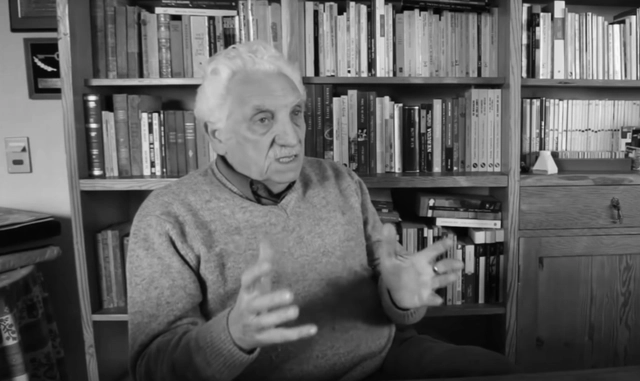
Last month, the National Board of the Association of Architects of Chile announced Miguel Lawner as the winner of the 2019 National Architecture Award, the highest honor an architect can receive in that country. The following interview, conducted in 2015, not only delves into the details of his life story, but also reflects several of his thoughts on the political sphere.
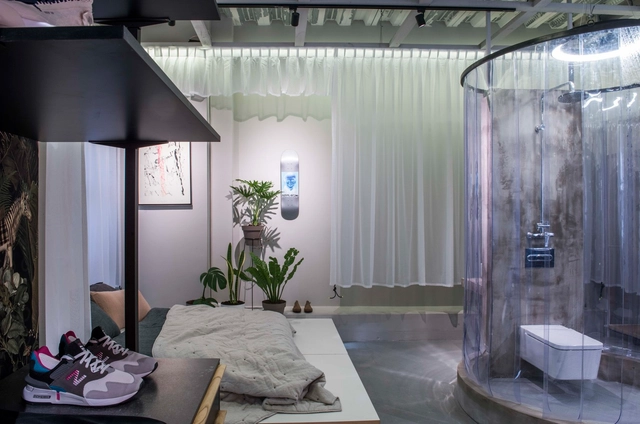
In its fourth consecutive edition in Chile, Casa FOA 2019—the international exhibition that brings together design, interior design, architecture, landscaping, and art—showcased established and emerging design talents who revitalized the forgotten Paseo San Damián in Las Condes.
The exhibition aims to introduce the public to the latest trends in the design industry under the concept of creating, transforming, and rethinking the way we live and work. This year's edition was guided by the concept of Coliving, the current expression of social and generational evolution, pointing toward collaborative living and the construction of collective intelligence through shared workspaces and common home areas.
In September, we launched the fourth edition of our open call in Colombia, inviting architects to submit their undergraduate thesis projects. In this edition, the call received 104 submissions from more than 15 cities and 25 universities across the country, marking an 11% increase in proposals compared to 2018.
Following an exhaustive evaluation, and to celebrate Architects' Week in Colombia, we present the 13 thesis projects selected as winners by our editorial jury (Fabián Dejtiar, Mónica Arellano, and Santiago Baraya). The evaluation criteria prioritized projects that directly addressed current issues, such as urban, local, social, and environmental contexts.
How did a house designed by the world’s most renowned engineer—the Frenchman Gustave Eiffel, designer of the tower that bears his name in Paris—end up in Argentina?
How did this structure settle in one of Córdoba’s most culturally active neighborhoods, only to open its doors a century later as a cultural space thanks to the intervention of local residents?
May 3 is a holiday originating from the Feast of the Finding of the Holy Cross, also known as the May Cross (Cruz de Mayo) or Festival of the Crosses (Fiesta de las Cruces), which has its roots in the Roman Rite celebrating the devotion to the Cross of Christ. Over time, this commemoration has evolved and been adopted across cities in Mexico, Chile, Spain, Ecuador, El Salvador, Guatemala, Paraguay, Peru, Trinidad and Tobago, Argentina, Colombia, and Venezuela, where the festivities typically include floral decorations, processions, and dances.
Today, discussing infrastructure means discussing geopolitics and connectivity as a key driver of global competitiveness. Connectivity, however, should not be understood solely as physical infrastructure, even if we are talking about roads for autonomous vehicles or hyperloop tunnels.
The recent book 'Plan de desarrollo urbano de la zona noroeste de la ciudad de Mar del Plata' by Guillermo Tella, Beatriz Cuenya, Martín Delucchi, and Laura Corbalán Vieiro synthesizes the results achieved through the technical assistance and institutional coordination experience carried out during 2017-2018 for the Municipality of General Pueyrredón (province of Buenos Aires, Argentina) by the Center for Urban and Regional Studies (CEUR-CONICET) and the Inter-American Development Bank (IDB).
Mexico City, considered one of the largest and most populous urban areas in the world, is in fact the largest city in the Americas and the Spanish-speaking world. Given this vast footprint, its immense population has led to sprawling peripheral settlements, highlighting the urgent need for a denser, more inclusive city. Various factors—such as the abandonment of downtown buildings following historic earthquakes like the one in 1985, compounded by a lack of basic habitability—have drawn the attention of diverse actors. Through clear, targeted interventions, they seek to restore a cohesive urban fabric that empowers residents to reclaim their city.
It seems almost impossible to imagine that a single public initiative could have spawned most of the national highways we have today in Argentina, established tourism as an economic driver for the country, consolidated the national oil company YPF against foreign competition, and driven a large part of the development of Argentine modern architecture.
Yet it is entirely plausible when we look at one of the largest territorial interventions in the country's history—a vanguard of modernity that established the automobile as a mass means of transportation in our region.
I met Vera Primavera in Ibarra, Ecuador, during the sixth edition of EARQ (PUCE-SI)—a graffiti and tattoo artist whose work revolves around mysticism, magic, intimacy, and women in the city.
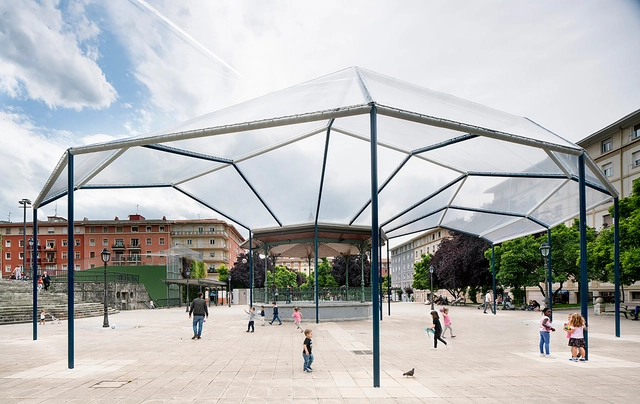
Located in the historic neighborhood of San Ignacio in the city of Bilbao, Spain, Levante Square is a prominent gathering point for residents and visitors alike. To address the lack of covered spaces protecting from the heavy rain, Spanish architecture office CANOBARDIN has designed a solution for users: a concentric structure titled "A Piece of Sky in Levante Square" that allows people to inhabit the public space and find shelter without losing touch with their surroundings, acting as a piece of the sky by day and a reflection of the square by night.
Developed by Tecno Fast and designed as part of a collaborative, sustainable tourist accommodation community, the Tiny Cabins designed by Chilean architects Mathias Klotz and Felipe Assadi measure 24.5 square meters and weigh approximately 5 tons, incorporating at least one bedroom, a kitchen, a bathroom, and storage space.
The cabin designed by Felipe Assadi sleeps up to four people and centers its layout on the bedroom, positioning the bed to face a large picture window, while incorporating two nautical-style bunk beds and a rooftop deck. Mathias Klotz's cabin is designed for three people, prioritizing the living room and connecting it with both the kitchen and the outdoors.
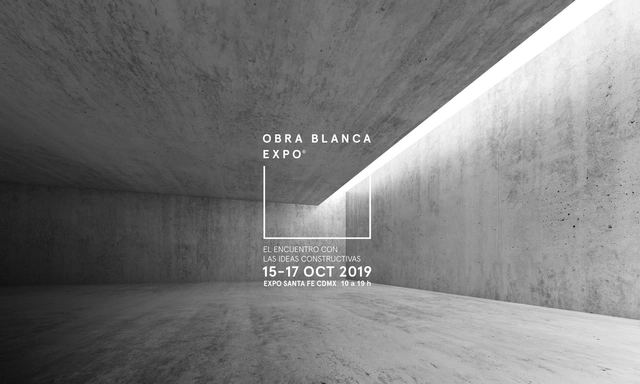
Designed to meet the construction sector's growing demand for finishes, Obra Blanca is a new event launched as a meeting point for professionals looking to showcase their products and those seeking to compare various finishing options. As a specialized exhibition, it focuses on the visitor experience and the professionalization of an increasingly comprehensive and sophisticated industry.
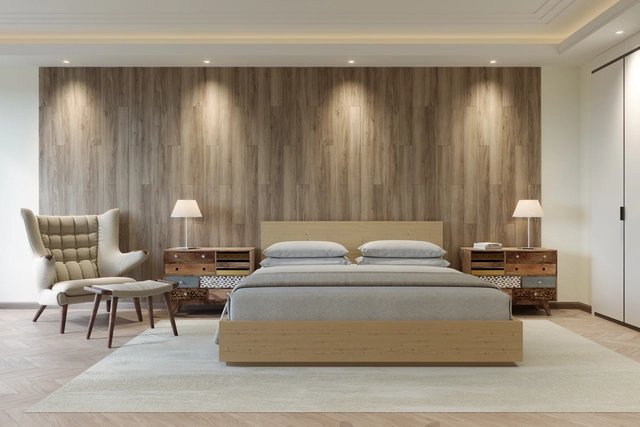
Providing warmth and a modern yet handcrafted aesthetic, wood is always an excellent choice for interior cladding or furniture manufacturing. However, how do you choose the right cladding for a specific project?
We have compiled a selection of cladding options with different appearances, dimensions, and installation systems, identifying their characteristics and differences to help you select the correct material. Melamine, MDF, or plywood? A natural look or colored pigments? Compare 5 different options below.
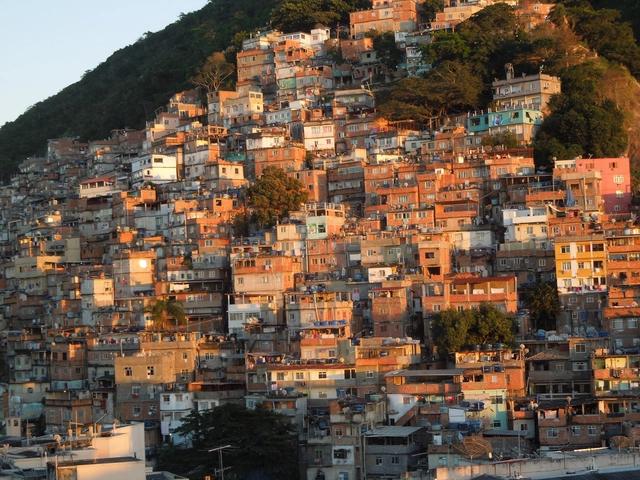
Continuing our series of articles studying social housing in Latin America, Nikos A. Salingaros, David Brain, Andrés M. Duany, Michael W. Mehaffy, and Ernesto Philibert-Petit present a reflection on the problems and solutions of favelas. Read the previous articles and the new piece below.
https://www.archdaily.com/1121024/problems-and-solutions-of-social-housing-in-latin-americaNikos A. Salingaros, David Brain, Andrés M. Duany, Michael W. Mehaffy & Ernesto Philibert-Petit
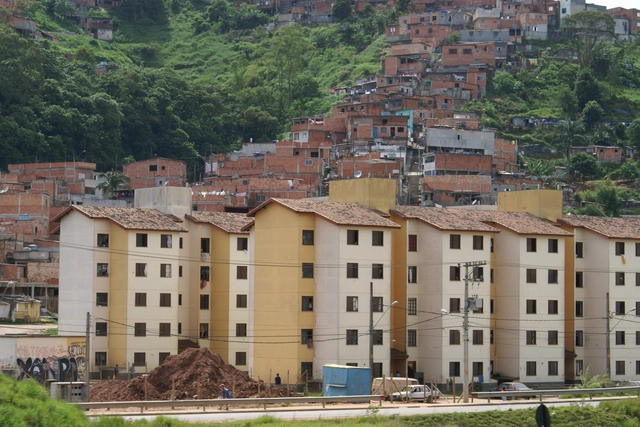
Concluding the series of articles on the study of social housing in Latin America, Nikos A. Salingaros, David Brain, Andrés M. Duany, Michael W. Mehaffy, and Ernesto Philibert-Petit present a reflection on high land prices, large-scale schemes, and national destabilization. Review the past publications and the new article below.
https://www.archdaily.com/1121011/uncomfortable-realities-of-social-housing-in-latin-americaNikos A. Salingaros, David Brain, Andrés M. Duany, Michael W. Mehaffy & Ernesto Philibert-Petit


.jpg?1571341153 "© lan Aubry - Métropole Rouen Normandie")
.jpg?1571341420 "© lan Aubry - Métropole Rouen Normandie")
.jpg?1571341659 "© lan Aubry - Métropole Rouen Normandie")
.jpg?1571341878 "© lan Aubry - Métropole Rouen Normandie")
.jpg?1558985953&format=webp&width=640&height=580)
.jpg?1558985953)
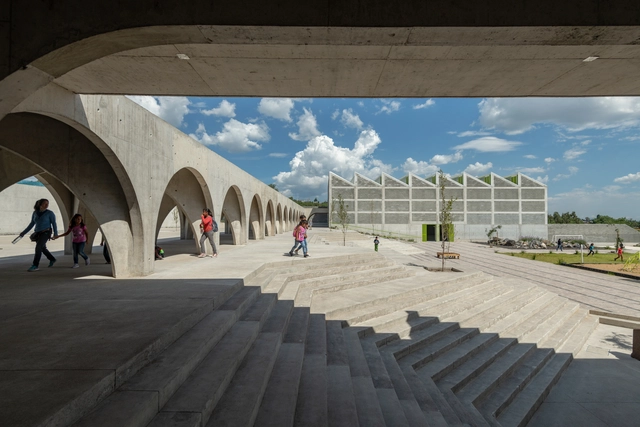


.jpg?1643052917 "Jojutla School / Taller de Arquitectura X / Alberto Kalach + Roberto Silva. Image")

.jpg?1559517037&format=webp&width=640&height=580)