1. ArchDaily
  2. Articles

Articles

Resilience Criteria for the Design of Educational Buildings in Chile

Subscriber Access | 

The following research, developed within the Master's in Sustainable Habitat and Energy Efficiency program at the Universidad del Bío-Bío by C. Matías Tapia Maureira and María Beatriz Piderit M., addresses the integration of resilience and sustainability criteria in the design of educational buildings in Chile. Read a summary of their work below.

The Best Architecture Graduation Projects in Peru 2018

Subscriber Access | 

The final thesis project represents a major milestone in earning an architecture degree, and one of the fairest ways to honor it is through promotion and visibility. To discover the valuable output of Peruvian universities, in January we launched our open call, inviting architects to submit their respective final graduation projects (PFC) defended through 2018. Although we originally published a compilation of undergraduate theses in 2015, this is the first official call in Peru on par with previous editions held in other Latin American countries such as Argentina, Mexico, Colombia, and Brazil, placing us at the heart of this international dialogue.

This first edition received 75 submissions from 17 universities across various cities nationwide. After an exhaustive evaluation, 15 final projects were selected by the editorial jury of ArchDaily en Español. The selection values precision and detail, a cohesive line extending from the design to its presentation, and above all, the boldness to advance revolutionary ideas in the face of a seemingly harsh yet diverse reality. They do not necessarily result in a building; rather, they suggest the promise of architecture without limits, demonstrating critical thinking and a firm stance on the country's major (and urgent) issues. In doing so, they pave the way for multidisciplinary, collaborative work that strongly emphasizes the social role of the architect. All of these architectural projects maximize the capacity to imagine, experiment, and design, proving to be not only the culmination of a well-learned academic chapter but also the beginning of building those dreams. Let us not forget this transformative spirit as we cross the threshold.

Below, explore the selected projects in detail.

Transforming a Small House on a Lima Hillside on a Budget

Subscriber Access | 

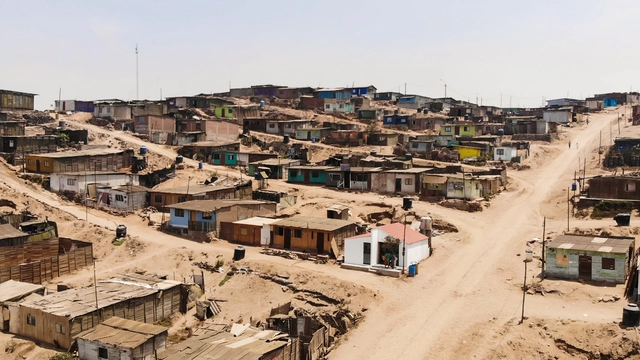
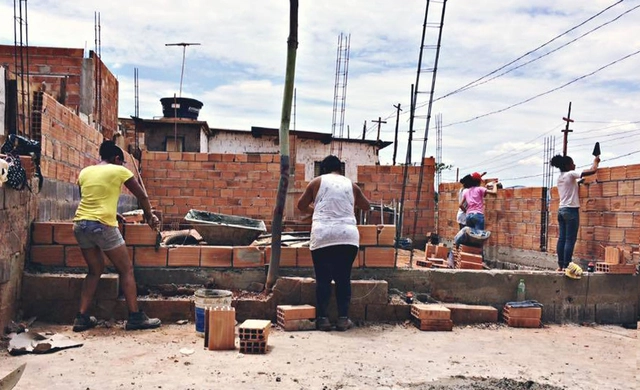
An exceptional small house, right there among all the other homes dotting the hillsides of Lima. At first glance, it might seem out of place, but once we learn its history and process, it couldn't be more relevant.

Discover the first exhibition to explore the parallels between Marcel Duchamp and Jeff Koons

Subscriber Access | 

Discover the first exhibition to explore the parallels between Marcel Duchamp and Jeff Koons - Imagem 1 de 4Discover the first exhibition to explore the parallels between Marcel Duchamp and Jeff Koons - Imagem 2 de 4Discover the first exhibition to explore the parallels between Marcel Duchamp and Jeff Koons - Imagem 3 de 4Discover the first exhibition to explore the parallels between Marcel Duchamp and Jeff Koons - Imagem 4 de 4Discover the first exhibition to explore the parallels between Marcel Duchamp and Jeff Koons - More Images+ 15

This article was originally published on May 23, 2019.

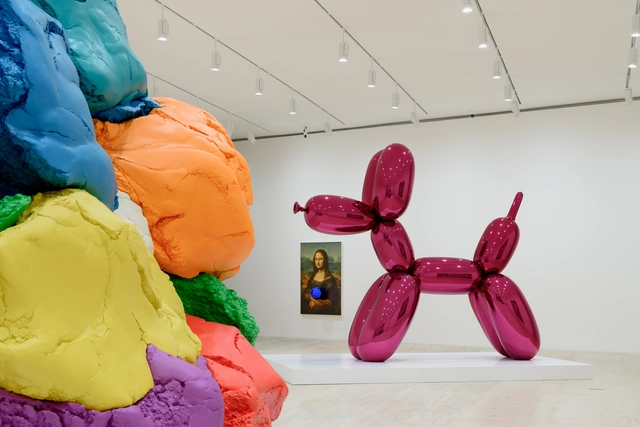
‘Appearance Stripped Bare’ is the exhibition that opened on May 19 at the Museo Jumex. It establishes a parallel fold right in the middle of the twentieth century, bringing face-to-face some of the most representative works of Marcel Duchamp and Jeff Koons—key figures in global contemporary art—to address concepts of objects, commodities, and the artist's relationship with society.

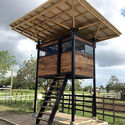
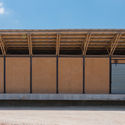
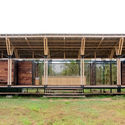
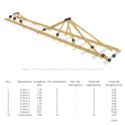
Learn how to design a bamboo roof structure

Subscriber Access | 

Learn how to design a bamboo roof structure - SustainabilityLearn how to design a bamboo roof structure - SustainabilityLearn how to design a bamboo roof structure - SustainabilityLearn how to design a bamboo roof structure - SustainabilityLearn how to design a bamboo roof structure - More Images

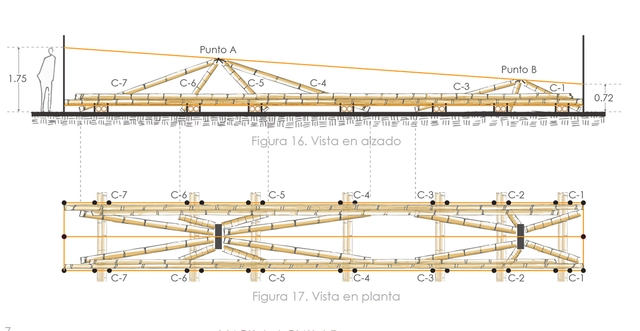
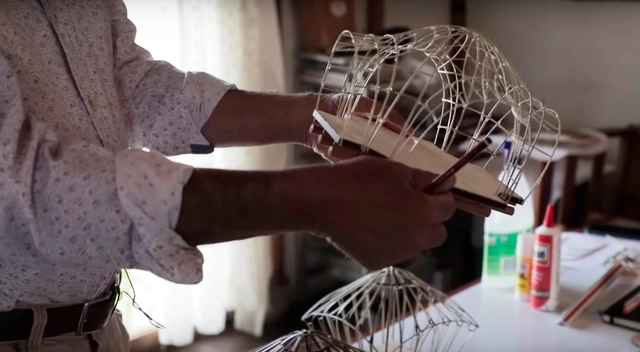
Bamboo is a building material that has been used since antiquity in various structures. Thanks to its countless benefits, it has proven superior to newer materials like plastic and steel, while its unique aesthetic appeal has established it as one of today's most prominent architectural trends.

Heritage Restoration in the Theaters of Córdoba

Subscriber Access | 

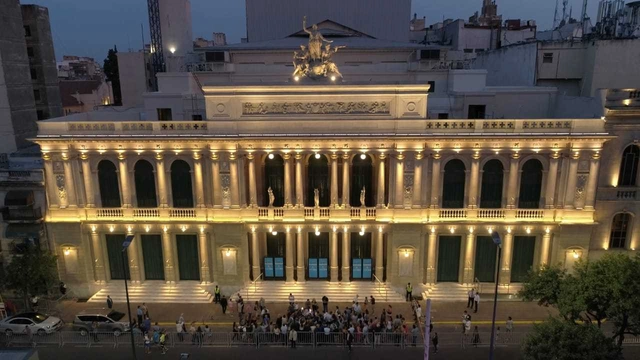
The construction of theaters in the Province of Córdoba, Argentina, was closely tied to the second wave of immigration that arrived between 1880 and 1930, alongside the expansion of the country's railway network. Today, the city boasts a large number of theaters, most of which date back to this period and form an integral part of Córdoba's cultural heritage, despite having suffered for many years from the neglect of successive governments.

The human and territorial architecture of Carme Pinós

Subscriber Access | 

Sometimes, architecture presents itself as an object of responsibility—an exercise in recognizing authorship, aiming to define and delimit it. We feel an urgent need to know who its author was, to credit whoever was capable of such inventions. Just as often, however, architecture does not claim any author; hence the terms anonymous architecture or "architecture without architects"—that is, a merely vernacular architecture. In the case of Carme Pinós, what is built inevitably speaks of who built it. Her architecture offers a glimpse of the energy that emanates from her persona: a vibrant, direct, tense architecture, swept by a continuous, dominating agitation. Within it, elements are in constant motion in a completely ungrounded way, rather than by their own virtue.

What effect does color have on workspaces?

Subscriber Access | 

Color is considered one of the most influential phenomena when it comes to human emotions, attitudes, and decisions. It can impact an environment both positively and negatively, and workspaces are no exception.

Simón Vélez: "I am an illegal builder"

Subscriber Access | 

In an interview with El Espectador, Colombian architect Simón Vélez opens a debate on the state of the discipline, prompting us to question the role of the architect in both economics and politics.

Autonomous Futures: Are Universities Incorporating New Construction Technologies into Their Agendas?

Subscriber Access | 

In the article "trends that will influence architecture in 2019," we identified a digital future for the construction sector. Growing search volumes for both BIM systems, modular and prefabricated systems, as well as 3D Printing, Automation and Artificial Intelligence point to upcoming shifts in construction methods. Is architectural academia preparing for this future of human-free construction?

Rethinking the way we build cities implies rethinking how we learn to build cities.

Subscriber Access | 

CityMakers is working alongside ArchDaily to publish a series of articles, conversations, and interviews with the diverse actors in city co-production behind the Barcelona CityMakers Lab 2019, an event taking place from October 14 to 20, 2019.

For this installment, we have compiled excerpts from a conversation with architect and urban planner Victor Torres, Creative Director of CityMakers, who invites us to reflect on the need to rethink traditional models of making and learning to build cities, and on CityMakers, a community that seeks to inspire change through on-site knowledge transfer in exemplary cities around the world.

The New Image of the Pre-Columbian Textile Museum in Peru

Subscriber Access | 

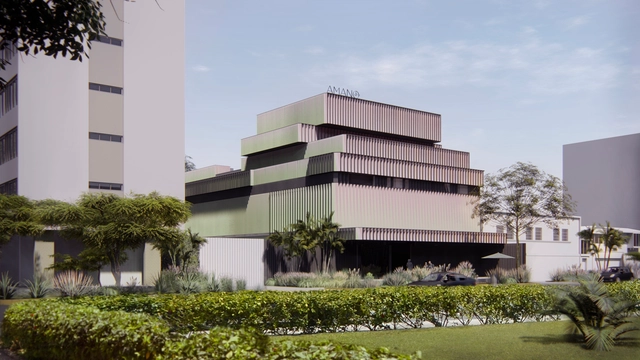
“In ancient Peru, textiles reveal the economic, social, political, and religious development of each culture. Their importance lies not only in their use as garments, but goes far beyond. The dimensions of some fabrics suggest they were used as canvases to cover walls—as is the case with painted textiles—or as funerary shroud wrappings,” reads an open book in the museum. This textile history, dating back to around 8000 BCE, is exhaustively preserved and narrated at the Amano Pre-Columbian Textile Museum, whose collection has been declared a national heritage.

Faced with the spatial challenge of housing such a treasure, how should architecture respond? Should museums be iconic infrastructures within the city? What is the best way to arrange spaces for this museological vision?

Social Housing in Latin America: Working with (or Bypassing) the System

Subscriber Access | 

Continuing the series of articles by Nikos A. Salingaros, David Brain, Andrés M. Duany, Michael W. Mehaffy, and Ernesto Philibert-Petit on the study of social housing in Latin America, this installment discusses labor processes and the operating system of construction. Review past publications and the new article below.

Malaquita: A New Terrace to Live and View Mexico City

Subscriber Access | 

Malaquita: A New Terrace to Live and View Mexico City - Imagen 1 de 4Malaquita: A New Terrace to Live and View Mexico City - Imagen 2 de 4Malaquita: A New Terrace to Live and View Mexico City - Imagen 3 de 4Malaquita: A New Terrace to Live and View Mexico City - Imagen 4 de 4Malaquita: A New Terrace to Live and View Mexico City - More Images+ 6

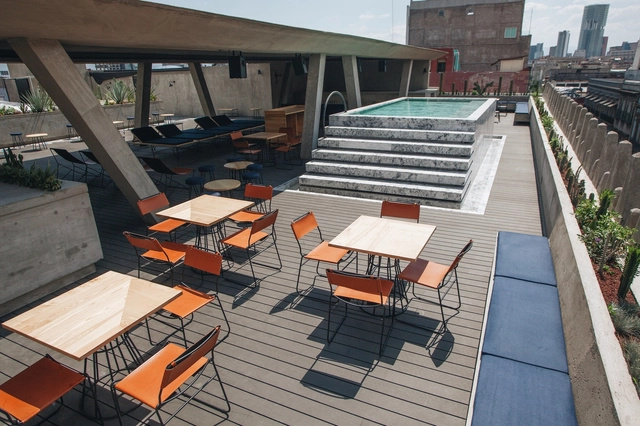
Malaquita is a project located on the terrace of the Hotel City Center in the heart of the Historic Center. Its design is conceived as an escape from the bustle of Mexico City, a place where the passage of time across the different eras that shape the territory is palpable: pre-Hispanic, colonial, modern, and postmodern coexisting in constant resilience. 

The winning projects of the 2019 Building of the Year!

Subscriber Access | 

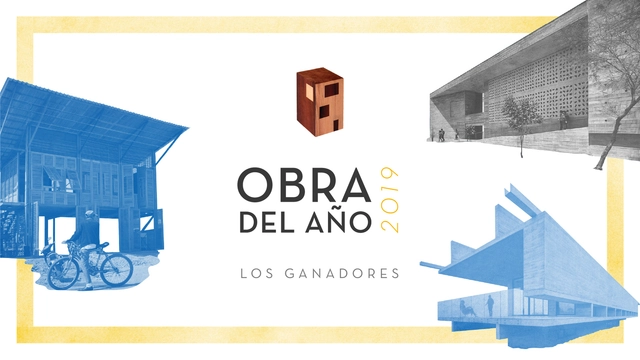
Last week, we announced the 15 finalists for the 2019 Building of the Year Award, which since 2008 has celebrated the best built architecture in Latin America and Spain, inviting our readers to select their favorite completed projects. Today, the time has come to announce the winners of ODA19.

We are pleased to present three architectural works from Peru, Chile, and Ecuador, where the winners not only showcase the architectural diversity of the region but also serve as examples of the public impact that architecture should deliver. Meet the three winners!

9 videos exploring some of Mexico's most famous abandoned buildings

Subscriber Access | 

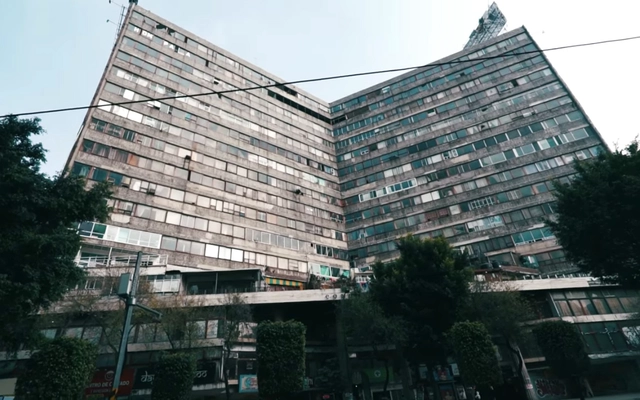
It is true that designers, architects, and the general public share an endless fascination with abandoned architecture. Throughout history, shifting economies, disasters, regime changes, and sheer incompetence have forced the evacuation of striking architectural structures, which today serve as curious—and even haunting—monuments to bygone eras.

This fascination has led to the publication of several articles on our site exploring the mysteries of some of the most famous sites through text and photography. Yet, this curiosity has also driven individuals to venture out and document their experiences firsthand. Such is the case of Mike Corey, a YouTuber who, through his channel Fearless & Far, has dedicated himself (among other pursuits) to exploring some of Mexico's most famous abandoned buildings.

Who has won the Spanish Architecture Award?

Subscriber Access | 

The Spanish Architecture Prize (Premio de Arquitectura Española) has been awarded biennially by the Higher Council of the Colleges of Architects of Spain (CSCAE) since 1993 to promote the quality of architectural works built across Spain.

The award has recognized built works by architects such as Enric Miralles, Mansilla y Tuñón, Sara de Giles, and Francisco Mangado Beloqui, among others, with projects including the Royal Collections Museum and the Palma Convention Center and Hotel. Explore all the winning projects below.

La Forêt Monumentale: A Sustainable Architecture Festival

Subscriber Access | 

La Forêt Monumentale: A Sustainable Architecture Festival - 1 的图像 4La Forêt Monumentale: A Sustainable Architecture Festival - 2 的图像 4La Forêt Monumentale: A Sustainable Architecture Festival - 3 的图像 4La Forêt Monumentale: A Sustainable Architecture Festival - 4 的图像 4La Forêt Monumentale: A Sustainable Architecture Festival - More Images+ 19

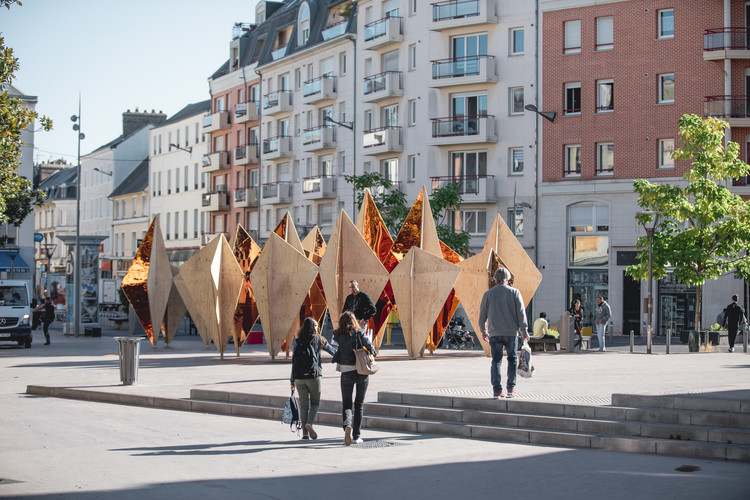
The Forêt Monumentale is a sustainable art and architecture exhibition featuring temporary works and pavilions designed as "site-specific" installations, created especially for a 4-kilometer trail in the Green Forest of Rouen, Normandy.

What is the relationship between architectural practices in Mexico and the work of Zaha Hadid Architects?

Subscriber Access | 

What is the relationship between architectural practices in Mexico and the work of Zaha Hadid Architects? - Imagen 1 de 4What is the relationship between architectural practices in Mexico and the work of Zaha Hadid Architects? - Imagen 2 de 4What is the relationship between architectural practices in Mexico and the work of Zaha Hadid Architects? - Imagen 3 de 4What is the relationship between architectural practices in Mexico and the work of Zaha Hadid Architects? - Imagen 4 de 4What is the relationship between architectural practices in Mexico and the work of Zaha Hadid Architects? - More Images+ 3

A few months ago, the first exhibition by Zaha Hadid Architects (ZHA) in Latin America concluded. It was held at the Museo Universitario de Arte Contemporáneo (MUAC) within the Centro Cultural of Ciudad Universitaria in Mexico City. The exhibition featured some of architect Zaha Hadid's projects through models, audiovisual materials, paintings, and photographs. It explored the creative process of her practice, highlighting the importance and complexity of design as the central axis linking form and construction processes in her work.

Architecture for Education: 24 School Projects in Mexico

Subscriber Access | 

Architecture for Education: 24 School Projects in Mexico - Imagen 1 de 4Architecture for Education: 24 School Projects in Mexico - Imagen 2 de 4Architecture for Education: 24 School Projects in Mexico - Imagen 3 de 4Architecture for Education: 24 School Projects in Mexico - Imagen 4 de 4Architecture for Education: 24 School Projects in Mexico - More Images+ 22

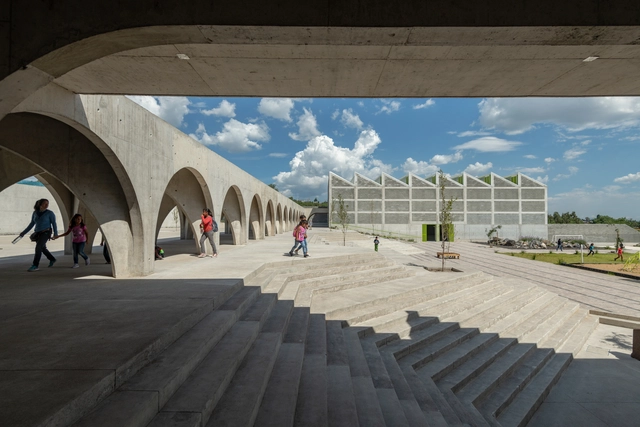
Educational facilities have evolved over the years in response to technological advancements and new pedagogical models, which increasingly focus on flexible methods that allow students to chart their own paths within a shared framework. The significance of these facilities lies in their role as meeting points that satisfy our social need to share physical spaces, pointing toward more horizontal and inclusive educational systems. A prime example is the Center for the Blind and Visually Impaired, designed by Taller de Arquitectura Mauricio Rocha + Gabriela Carrillo, which seeks to create diverse sensory experiences through materials, light, and temperature both inside and outside.

Argentina's Presence at the Venice Biennale Over Time

Subscriber Access | 

The Venice Architecture Biennale is arguably one of the most influential exhibitions in the world. Established in 1895 as the "Venice International Art Exhibition," the Biennale has become one of the most prominent cultural institutions worldwide, serving as a universal platform for nations to showcase their work. Consequently, every two years, the global spotlight turns to Venice.

Our readers suggest who should win the 2019 Pritzker Prize

Subscriber Access | 

If you look back at who has been awarded the Pritzker Prize in previous editions, you will realize that anything is possible. Over the last three decades, the world's most renowned architects have received it, helping to shape public discourse around current trends and ideas in the field of architecture. Recent years have been no exception: in 2014, for instance, Shigeru Ban's humanitarian work sparked a widespread discussion on the social role of architects; and in both 2016 and 2018, awarding the prize to Alejandro Aravena and Balkrishna Doshi served as a continuous reminder that "architects are at the service of society."

However, just as the selection of the Pritzker Prize can shape public debate, it is also influenced by public opinion. Consequently, a month ago we asked our Ibero-American readers from ArchDaily en Español and ArchDaily Brasil to share their thoughts on the potential winners. We conducted a poll on who should win the 2019 Pritzker Prize, offering a selection of architects we thought stood a chance, along with the freedom to nominate their own candidates—always keeping in mind not who is likely to win, but who should win.

Miguel Lawner: "Since architecture school, we were architects with clear political convictions"

Subscriber Access | 

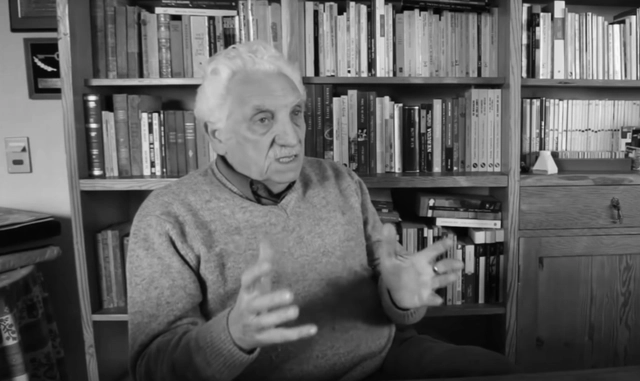
Last month, the National Board of the Association of Architects of Chile announced Miguel Lawner as the winner of the 2019 National Architecture Award, the highest honor an architect can receive in that country. The following interview, conducted in 2015, not only delves into the details of his life story, but also reflects several of his thoughts on the political sphere.

Casa FOA presented the latest interior design trends in Chile

Subscriber Access | 

In its fourth consecutive edition in Chile, Casa FOA 2019—the international exhibition that brings together design, interior design, architecture, landscaping, and art—showcased established and emerging design talents who revitalized the forgotten Paseo San Damián in Las Condes.

The exhibition aims to introduce the public to the latest trends in the design industry under the concept of creating, transforming, and rethinking the way we live and work. This year's edition was guided by the concept of Coliving, the current expression of social and generational evolution, pointing toward collaborative living and the construction of collective intelligence through shared workspaces and common home areas.

You've started following your first account!

Did you know?

You'll now receive updates based on what you follow! Personalize your stream and start following your favorite authors, offices and users.