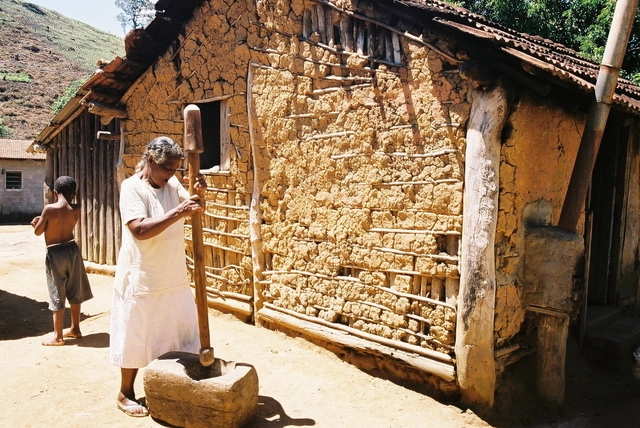
Quilombo Cangume, Itaóca (2004). Photo: Luis Eduardo Tavares, photo taken during the Cinevale em Movimento 2004 project. Via Flickr. CC BY-SA 2.0 License
By introducing terms associated with quilombos in two of its articles, the 1988 Federal Constitution paved the way for social peasant movements, mobilized and organized around ethnic identity, to appropriate this category. This was an unforeseen outcome for legislators, who had approached the quilombo category from a past-oriented perspective, relying on an archaeological and exoticizing view of cultural heritage associated with non-Luso-Brazilian cultural roots.
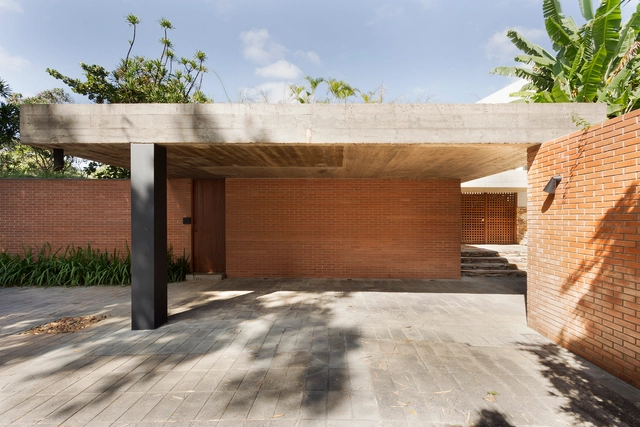
The tension between modernity and tradition is the most striking feature of Hans Broos's work, as evidenced by his designs for Cia Hering, where eclectic buildings are juxtaposed with exposed concrete structures in a symbiosis of historical eras.
Herein lies the radical contemporaneity of his work: Broos understands the contemporary as the coexistence of distinct eras meeting at the same moment, shaping the wonderful entanglement of which time is made, as Lina Bo used to say.
Places are physical spaces imbued with cultural significance, to which values are assigned. In Brazil, the term was permanently integrated into the heritage vocabulary in 2000, following Decree No. 3,551—which established the four Registry Books, including the Registry of Places—and the implementation of the National Inventory of Cultural References. Within this framework, Place is, therefore, a category for classifying cultural assets.
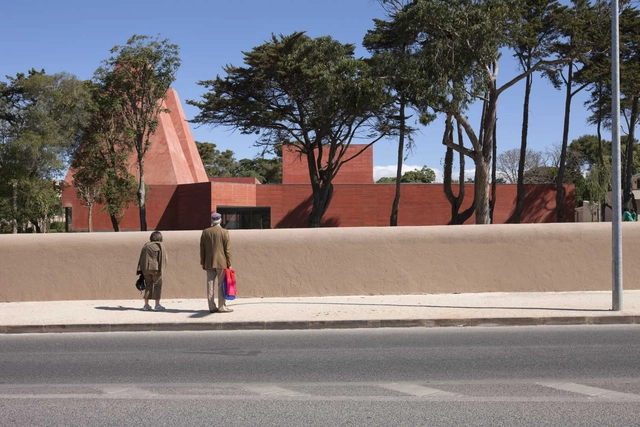
Signs all over the city, on trains and subways. The words "Souto Moura" require no further explanation in a city with two world-renowned architects. It is the opening night of his exhibition "Souto de Moura: Memory, Projects, Works" at Casa da Arquitectura on October 18, 2019, and the two greatest leading figures of the so-called Porto School are there, side by side. Álvaro Siza, alongside other guests of honor, walks through all forty projects in the exhibition, listening to Eduardo Souto de Moura's concise, humble, and almost simple explanations of each one. They are Portugal's two Pritzker laureates, who also happen to live and work in the same buildings, in addition to having collaborated on several projects. Eduardo does not hide his pride in Siza's presence at his solo exhibition. Nor does he hesitate to acknowledge the master's influence on his career. Yet Souto de Moura's architecture is unique; it has a life of its own. And everyone there knows it.
In May of this year, *The Guardian* recommended in its style guide that journalists and contributors heighten their language when discussing climate change or global warming. Now, the British newspaper announced, it is a climate crisis, emergency, or climate breakdown.
https://www.archdaily.com/1122551/climate-crisis-and-the-right-to-the-cityTama Savaget e Henrique Frota
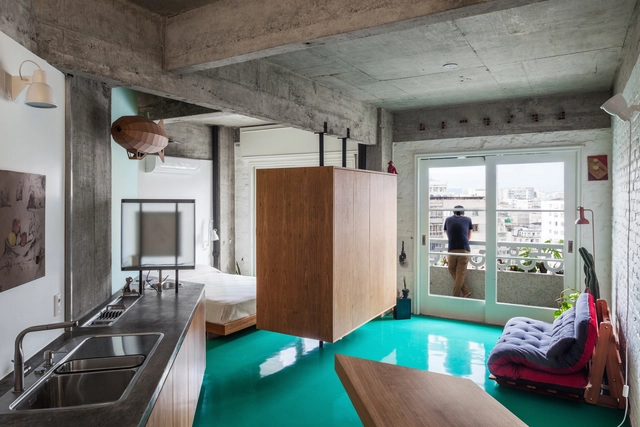
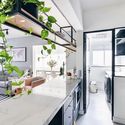
For several months, we have been publishing compilations of Brazilian residential projects across various themes in our Casas Brasileiras series. With this in mind, and considering the diverse challenges and scales that shape architectural practice—and, above all, contemporary living—we are launching our first article in the *Brazilian Apartments* series today. In it, we will explore the design challenges, innovative solutions, and new materialities of this housing typology.
55Laney69 on VisualHunt.com / CC BY-NC - modified. Image via Visual Hunt
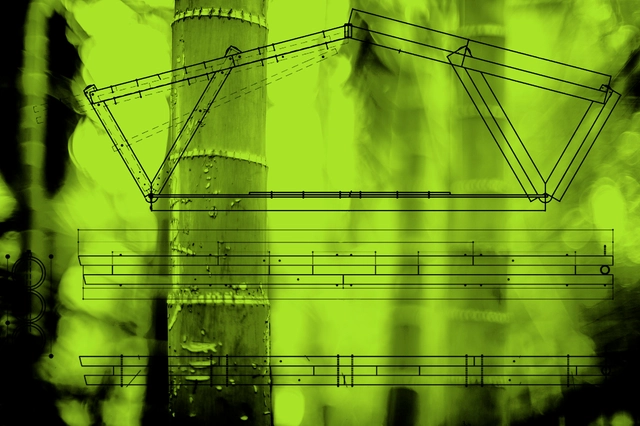
In this article shared by the Bamboo Experimentation Laboratory at UNESP - Bauru the researchers involved report on the construction of the Workshop Shed at the Horto de Aimorés Rural Settlement. The project utilized raw bamboo combined with round aroeira columns and metal connections. Read the summary submitted by the authors and the results of this process below.
https://www.archdaily.com/1122590/bamboo-components-production-design-and-prefabrication-processPedro Vada
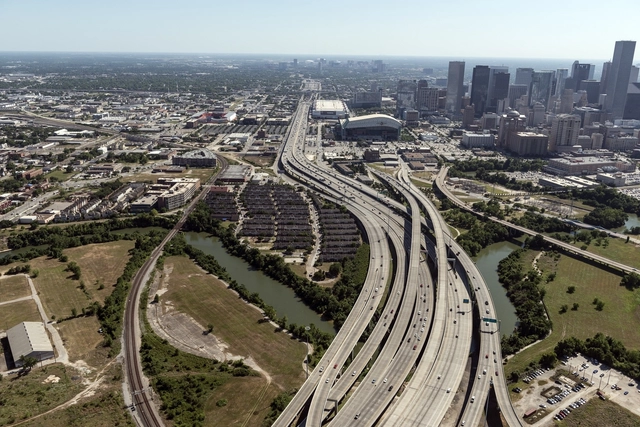
Aerial view of Houston. Courtesy of Caos Planejado
While conventional American urbanism is known to drive excessive sprawl, it is worth remembering that, ultimately, the true extent of a city's horizontal expansion lies far beyond the reach of urban planning controls.
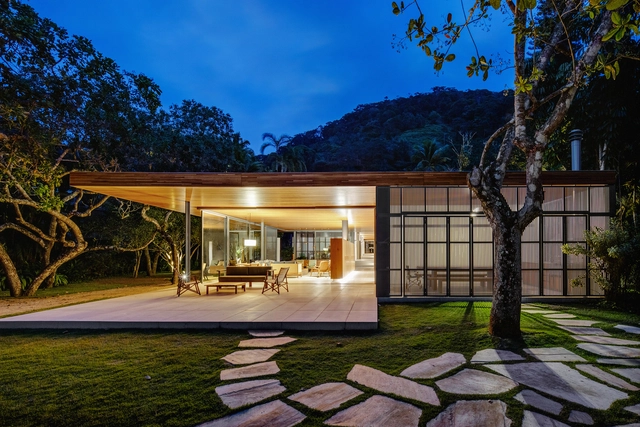
In architectural discourse, much is discussed regarding the influence of the site where a building is situated, whether through the incorporation of surrounding elements during the design process, or through the negation or overcoming of its undesirable characteristics. Some situations make this negotiation more evident than others, especially when the natural environment is dominant. In these cases, one constantly observes the tension between natural preexistence and human intervention, as well as the possible ways to achieve harmony between the two.
Since the 1970s, architecture has sought connections with other fields of art, looking for inspiration to break with the paradigms of the time in sculpture and painting, as well as in music and literature. In schools and professional practice, architectural projects were developed based on the study of "paintings by Vermeer, as well as those of the Cubists, the music of Bach, as well as Meredith Monk, literary fragments by Heraclitus, as well as Herman Melville's Moby-Dick and James Joyce's Finnegans Wake."[1]
Flávio de Carvalho, publicity photo. Image via Arquivo.Arq
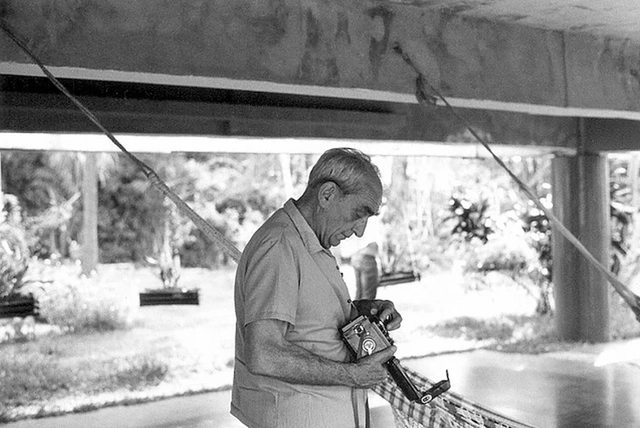
Flávio de Carvalho was a modern Brazilian architect recognized worldwide for his innovative and provocative way of showcasing his worldview through art. Discover some of his artistic expressions below.
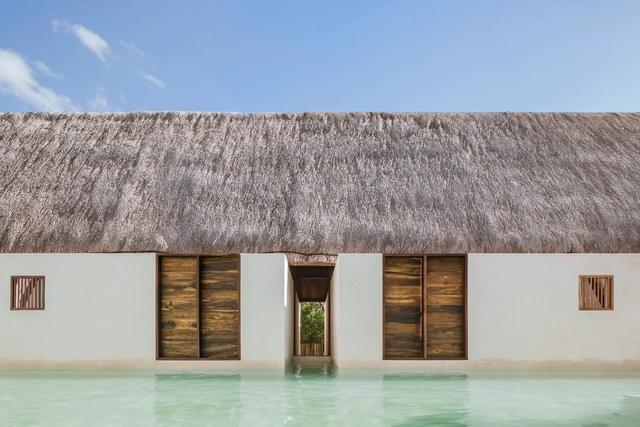
Much like stone, wood, and other natural materials, straw and thatch have been used as building resources since the dawn of human history. However, with the advent of new technologies like concrete, and the concept of *Progress* driven by the Industrial Revolution—and subsequently by the rise of steel—many traditional materials fell out of favor, widely replaced by modern alternatives.
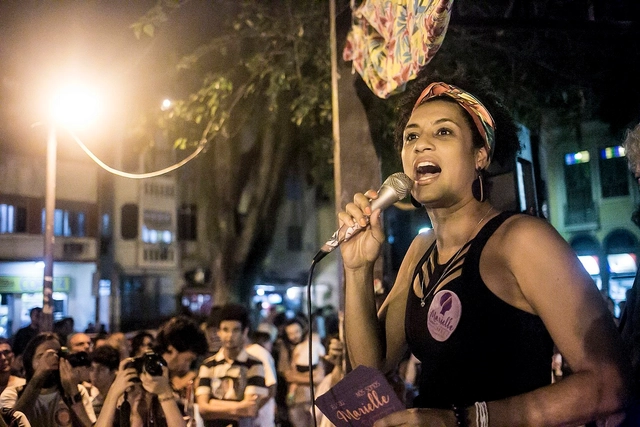
Today marks one year since the brutal assassination of Rio de Janeiro sociologist and city councilwoman Marielle Franco. The week before her death, Marielle took part in a series of debates organized by CAU/RJ called "Architecture - Feminine Noun," aimed at strengthening mobilizations for International Women's Day.
https://www.archdaily.com/1122060/watch-marielle-franco-in-the-debate-architecture-feminine-nounPedro Vada
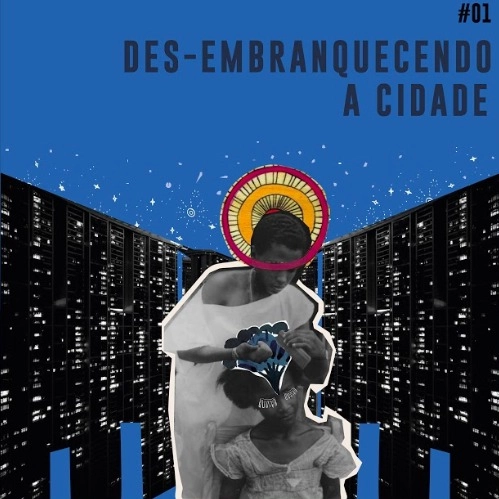
The “De-whitening the City” Podcast is a space invented from the desire of five Black women residing in Salvador, São Paulo, Rio de Janeiro, and Belo Horizonte to circumvent geographic distance in order to foster and celebrate connection. Emmily Leandro, Gabriela Gaia, Luciana Mayrink, Malu de Barros, and Natalia Alves make up the Terra Preta collective, giving shape and voice to this exercise in creating a shared virtual territory—both a political and aesthetic commitment—now made public for the first time.
https://www.archdaily.com/1122076/de-whitening-the-cityTerra Preta Cidade
Projeto Tercer Sonido, Madri, Espanha. Image Cortesia de CicloVivo
C40 Cities, a global coalition of cities, launched a competition to select the best solutions for transforming underutilized urban spaces into resilient, carbon-neutral developments. Named Reinventing Cities, the competition selected 15 innovative ideas poised to "reinvent" the future of cities.
Once subjugated by outlaw armed groups and devastated by the largest urban military operation in Colombia's history, the Las Independencias neighborhood, located in Medellín's Comuna 13, is today an open-air graffiti gallery of sorts, accessed via a system of electric escalators—the only ones in the world built in an informal settlement.
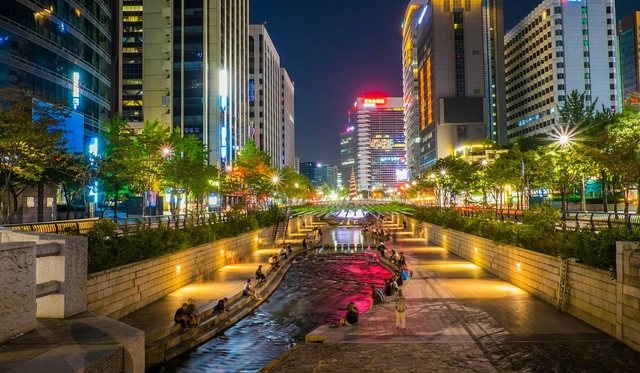
Renaturalization of the Cheonggyecheon River in Seoul – South Korea. Source: https://www.koreapost.com.br/wp-content/uploads/2016/01/Rio-Cheonggyecheon-Seul.jpg. Courtesy of the authors
The significant restoration of the natural riverbed of the Cheonggyecheon River in Seoul, South Korea, and the urban revitalization of its surroundings are a brilliant example of Sustainable Urban Drainage. This deconstruction is based on the premise of renaturalization, which aims to restore the pre-development water balance (increasing concentration time and reducing peak runoff) through high permeability. It also demonstrates the undeniable importance of preserving valley floors and Permanent Preservation Areas (APPs) in Brazil, as defined by the Forest Code.
https://www.archdaily.com/1121937/sustainable-urban-drainage-to-achieve-un-sdg-targetsAdriana Idalina Rojas Gutierrez e Ivanete Carpes Ramos
Whether for universal accessibility, spatial fluidity, or plastic continuity, ramps bring unique and highly welcome qualities to architectural projects. That is, of course, when they can be successfully integrated into the design—typically a demanding task due to accessibility standards governing maximum slopes.
Eletrodutos para distribuição da rede elétrica aparente. Aplicação de papel de parede. Projeto: Apartamento 203. Image Cortesia de Apartamento 203
Also known as "dry construction," this concept is increasingly used in interior renovations. These simple solutions transform the essence of indoor spaces in a more economical and sustainable way by minimizing construction waste and, consequently, reducing the waste of money, time, and raw materials. In this guide, we have gathered 8 tips to help you design more mindful interior renovations.
Today, computer-aided design (CAD) is the most widely used system for producing technical drawings among construction professionals and academics. It became popular through AutoCAD (Autodesk) by representing geometries that translated design intent into two dimensions. Released in the 1980s, it remains highly relevant and is still used by large corporations, extending its utility through the tradition it has built over four decades in the market.
Masonry is undoubtedly one of the most widespread construction techniques in Brazil. Brick, which can serve as both structural support and building enclosure, is an expressive and highly versatile material, easy to use due to its widespread production and the general availability of labor across the country.
Reflecting on the everyday. This is the premise of the 12th São Paulo International Architecture Biennial, which opens this September in the capital. Under the theme “Everyday” (“Todo dia”), the biennial aims to address the “most trivial dimension of reality,” shedding light on the production of ordinary, common space—which is, for this very reason, fundamental to the quality of the environment we inhabit daily. Curators Vanessa Grossman and Ciro Miguel join us for a conversation about this key event, which plays a crucial role in bridging academic research, architectural practice, and society at large.
Since their university days, architecture students are taught that ventilating indoor spaces is crucial for removing excess heat. However, the specific conditions under which this practice actually achieves adequate thermal performance are not always clearly defined, especially regarding residential roof ventilation.
https://www.archdaily.com/1121931/design-strategies-for-housing-ventilate-the-roof-or-add-thermal-insulationAdriana Camargo de Brito
Tasked with mapping contemporary Brazilian production, the Tomie Ohtake Institute AkzoNobel Architecture Prize began its activities in 2013 with loosely defined horizons. While there was the expectation of creating an unprecedented initiative on the national stage by honoring projects built over the last decade, there was also the clear challenge of establishing a prize without categories, dealing with a broad universe of programs and comparing initiatives of widely differing scales.


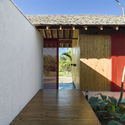
.jpg?1562845563 "House in Prumirim Beach / brro arquitetos. Image: © André Scarpa")
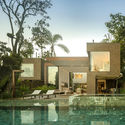
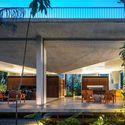


_(Custom).jpg?1559915700&format=webp&width=640&height=580)

.jpg?1556291339&format=webp&width=640&height=580)
.jpg?1562087791&format=webp&width=640&height=580)
.jpg?1561993576 "Aplicação de revestimento sobre revestimento. DEPOIS da Reforma de Banheiro em parceria com a Leroy Merlin Brasil. Projeto: Apartamento 203. Image Cortesia de Apartamento 203")
.jpg?1561992294 "Aplicação de papel de parede. Elétrica projeta com distribuição da rede elétrica aparente. Projeto: Apartamento 203. Image Cortesia de Apartamento 203")
.jpg?1561992738 "DEPOIS da Reforma de Banheiro em parceria com a Leroy Merlin Brasil. Projeto: Apartamento 203. Image Cortesia de Apartamento 203")
.jpg?1562087791)