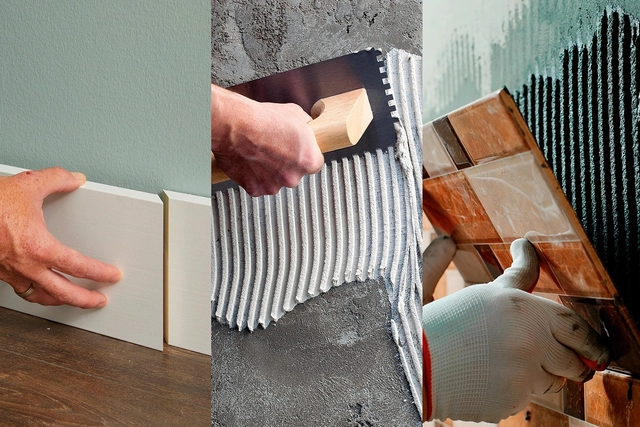
The history of building materials is a journey of innovation and adaptation to environmental demands. In their most rudimentary forms, for example, the earliest adhesives were made from natural sources, such as mixtures of tree resins, lime, and water. Later, cultures like the Egyptians refined these methods, using starch and casein (a milk protein) to bond elements in their structures. This evolution reached a milestone during the Industrial Revolution, when industrialization and the introduction of synthetic compounds laid the groundwork for the advanced products we know today. The production methods of these materials have transformed construction, optimizing processes and driving significant progress toward sustainability.
https://www.archdaily.com/1078839/architectural-adhesives-a-journey-of-innovation-toward-a-sustainable-futureEnrique Tovar
"Perhaps in other times knowledge was a secret, which held back progress. As knowledge is made public, knowledge advances." - Juan Baixas
This micro-documentary by HOLDER is the result of an initiative dedicated to bringing visibility to contemporary Latin American design through its histories and creations. In this first episode, Juan Baixas offers a first-person account of the creation and development of his Puzzle Chair, a piece that was added to the permanent collection of the Museum of Modern Art (MoMA) in New York in 2015, highlighting its significance in modern design.
https://www.archdaily.com/1078838/holder-archive-number-01-juan-baixas-the-puzzle-chair-1975ArchDaily Team
When the Minergie sustainable building standard was established in Switzerland 25 years ago to reduce energy consumption and improve indoor comfort, it was hard to foresee that it would become one of the country's most sought-after certifications. Today, it boasts a significant footprint with over 50,000 certified buildings. It was equally difficult to imagine its future in present-day Latin America: how could a system developed for the specific demands of one nation respond to the needs of another region with such diverse geography and culture?
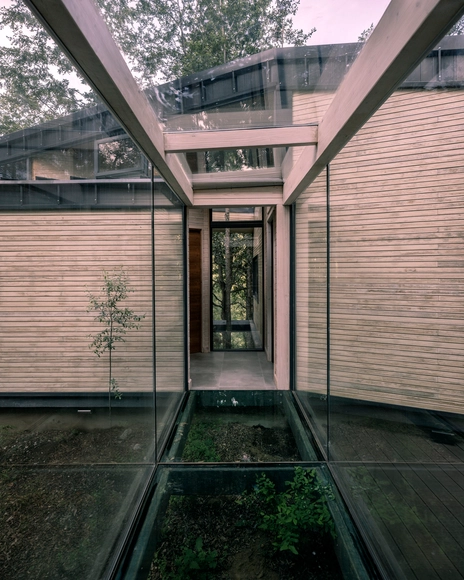
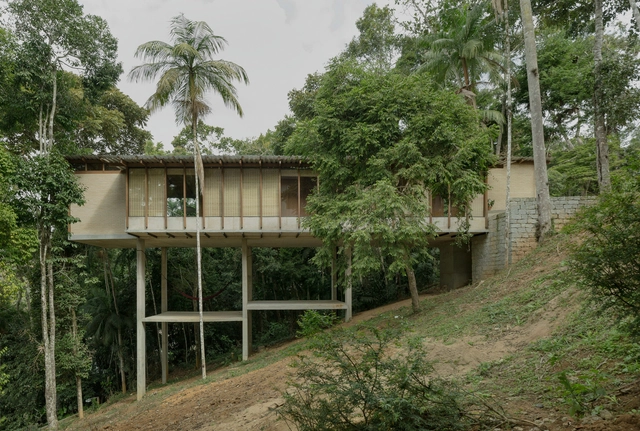
What role do glass surfaces play in connecting contemporary architecture, nature, and the experience of those who inhabit interior spaces? The evolution of the glass envelope has accompanied the development of contemporary architecture, with the transmission of natural light serving as one of its defining qualities. Furthermore, the material's versatility and transparent character blur the boundaries between indoors and outdoors, while evoking a range of sensory and psychological experiences, among other virtues. In its constant search for innovation, Glasstech offers a wide range of glass solutions, providing end-to-end support from initial project design to final installation. To illustrate these diverse applications, we examine Casa Bosque in Chile as a prime example of architecture in harmony with its natural surroundings.
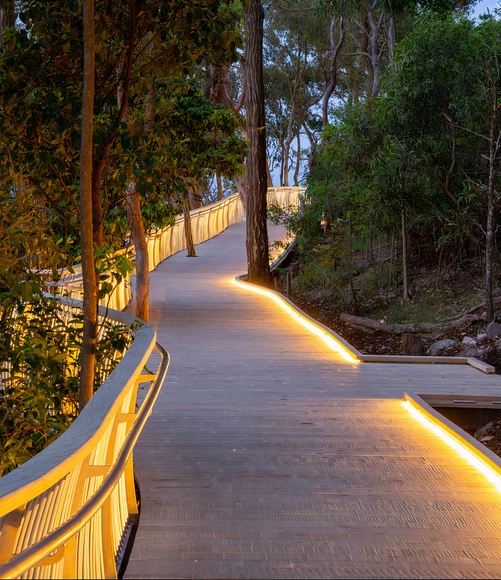
Offering a balance between aesthetics and comfort, designing wooden decks for outdoor spaces such as patios, terraces, walkways, balconies, gardens, or swimming pools represents an excellent alternative for creating outdoor areas for relaxation, entertainment, and recreation. When paired with swimming pools, fountains, or water features, decking in various dimensions, colors, and finishes combines the warmth of wood with the clarity of water, provided it is treated and maintained to maximize durability and optimize long-term performance. Indeed, Leaf Panel's Forta Deck offers a renewable, recyclable, and high-quality solution for outdoor flooring, highlighting the importance of reducing the carbon footprint of building products and leveraging the properties of acetylated wood to improve outdoor performance.
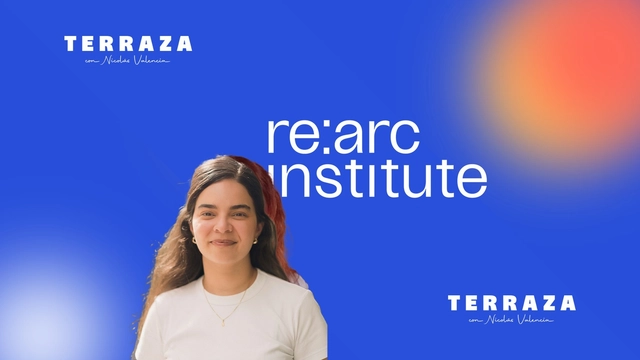
Nicolás Valencia speaks with Venezuelan architect Betina Rincón, research coordinator at re:arc institute, about the work of the Danish philanthropic organization in supporting and funding community-led solutions to address the climate crisis worldwide.
https://www.archdaily.com/1078790/betina-rincon-the-global-south-is-not-the-region-that-pollutes-the-most-but-it-will-be-the-most-affectedArchDaily Team
A cada ano, a equipe de Curadoria de Projetos do ArchDaily rememora a vasta gama de obras publicadas ao longo desse período, apresentando retrospectivas que permitem não apenas identificar tendências e variações na produção arquitetônica, mas também reconhecer de que forma impactam a nossa audiência. No ArchDaily Brasil, a seleção anual de melhores casas – que ano após ano, segue permanecendo como nossa categoria de projeto mais popular – representa uma amostra das variadas soluções, estratégias, técnicas e materiais encontrados na arquitetura residencial dos países de língua portuguesa.
Seeking to reflect on the contemporary city invariably runs up against the limitations imposed by the methods of the Modern Movement. Classical sciences and their deterministic methods, which guided—and still guide—the urban planning of this era, describe world phenomena through strict causal relationships and, consequently, define them by reductive universal laws that exclude contradictions and uncertainties. The frequent result of these perspectives is an idealized, mechanistic world that denies the complex, actual nature of phenomena such as cities.
https://www.archdaily.com/1078812/the-illusion-of-control-in-the-contemporary-cityPedro H. N. V. Santos
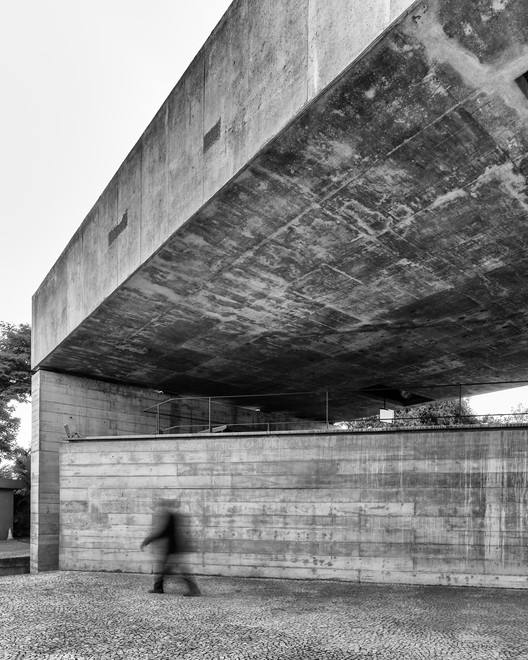
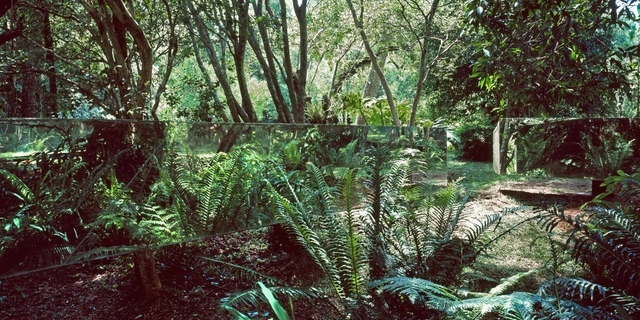
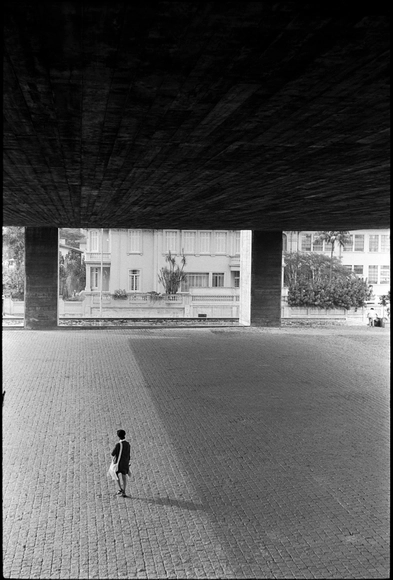
Designed by 2006 Pritzker Prize-winning architect Paulo Mendes da Rocha, the Brazilian Museum of Sculpture and Ecology (MuBE), completed in 1995 in São Paulo's Jardim Europa neighborhood, is one of the most emblematic works of contemporary architecture in São Paulo.
CCTV Headquarters in Beijing, China. A massive structural cantilever, dozens of meters off the ground, required designing the project as a symbiosis between architecture and engineering. Photo credit: rudenoon on Visual hunt / CC BY-NC-ND
Begin by imagining a composition of mostly vertical elements. Between them, ovoid shapes float, intertwined. Condensing this (in)formal schizophrenia, there is a translucent cubic envelope sliced horizontally into six equal parts. An iconic Cartesian coordinate system contaminated by amorphous bubbles.
Videos
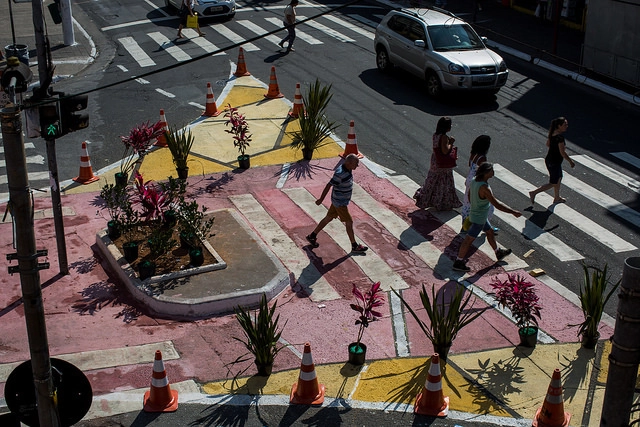
Temporary interventions can transform the landscape and the use of public space (Photo: Victor Moriyama/WRI Brasil)
No one knows a street or a neighborhood as well as the people who live there. Each place has its own peculiarities, potential, and challenges. Consequently, local-scale solutions can be created by citizens themselves, increasing both the efficiency and community buy-in of the project. Cities around the world have been adapting their legal frameworks to establish public policies that facilitate and foster citizen participation in transformative initiatives.
Educational Landscape is a data visualization project featuring an interactive interface based on a dot-density map that represents the population aged 25 or older, classified by educational attainment.
The transformations in the civil construction production model historically proposed by housing movements through self-managed *mutirões* (mutual-aid efforts) in Brazil, compared to market-driven production modes, are not limited to the labor force responsible for undertaking construction. That is, it is not merely a swap of wage labor for decommodified mutual-aid work. Instead, these innovations span various spheres, from architectural design—conceived from a collective perspective and as a common good that positions the mutual-aid builder as "author, producer, and future user"—to the production mode itself. Unlike the traditional model, in this framework "it is not possible to increase productivity through increased exploitation, precarization, overtime, and layoffs, but only through the invention of new procedures and construction techniques." This theme is a subject of debate for many architects, both in the theoretical arena and in practice and experimentation, where the construction site becomes the stage for efforts toward rationalization, optimization, and horizontal processes.
“Whatever is repeated endures, and is eternal, therefore, is sacred. That is why Sunday soccer is sacred; that is why sex is sacred; that is why having dinner with my mother on Saturdays is sacred. This builds within me a bond with the permanence of everything—all human beings, all dreams, all lives that, at this moment, cross my existence.”
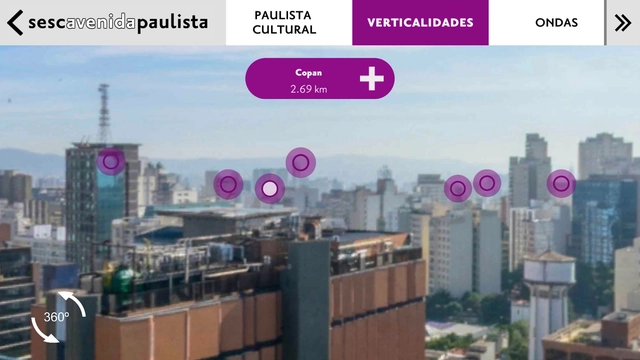
Recently, Sesc Avenida Paulista launched an app allowing users worldwide to immerse themselves in the panoramic views from the venue's Lookout, explore georeferenced tours covering topics as diverse as local cultural centers and native tree species, listen to audio tours about the avenue or the Brazilian artworks exhibited on-site, play a composition game inspired by the building's facade, and access the full events calendar, among other features and functionalities. The app is available for free download here and in the official Apple and Google stores.
https://www.archdaily.com/1122738/check-out-sescs-augmented-reality-and-360o-immersion-appPedro Vada
Taking the opportunity of our participation in the 9th Architecture and Urbanism Week of the Architecture and Urbanism program at the Centro de Ensino Superior de Juiz de Fora (CES/JF), we at Arquicast recorded this biweekly episode based on the event's theme: Scales and Places. Held in May, the week-long event was organized by the program's students and featured a series of lectures and activities, including this special episode. We address the relationships regarding the importance of scale and place in design education and practice across their various dimensions. Our guest was architect and professor Frederico Halfeld, who shared his experience as an educator alongside other insights on the topic.
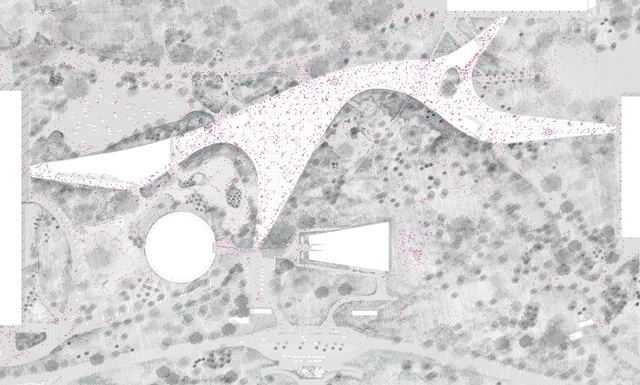
In his research presented in 2014, Eduardo Gurian begins the introduction by posing the following questions: "Could the greatness of an architectural work be defined solely by the brilliant gesture and capacity for synthesis of its author? Or should we take into account its utility and its capacity to meet the needs for which it was designed? Or even listen to those who actually use the space and question their satisfaction?" With these questions in mind, the researcher analyzes the evolution of the uses and occupation of the Ibirapuera Park Canopy, designed by Oscar Niemeyer. The master's thesis was advised by Professor Helena Aparecida Ayoub Silva, PhD, within the graduate program at FAUUSP. Read the author's abstract below.
https://www.archdaily.com/1122752/ibirapuera-canopy-support-for-indeterminate-usePedro Vada
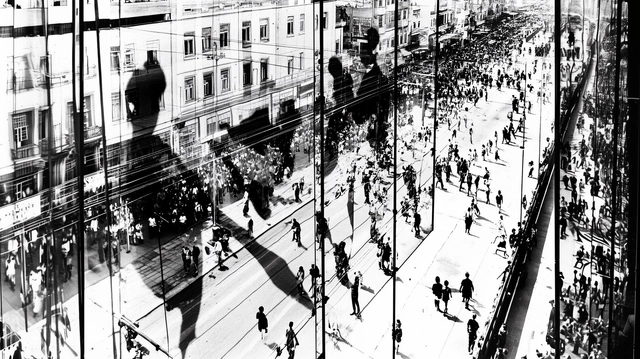
Human figures take center stage over buildings and streets through the lens of photographer Carlos Moreira, 82. Urban space is depicted through framings suggested not only by historical monuments (which are indeed there) but, above all, by the body and its actions. What emerges is an emotional, living vision of cities, capable of triggering a sensory expansion of spatial portraits.
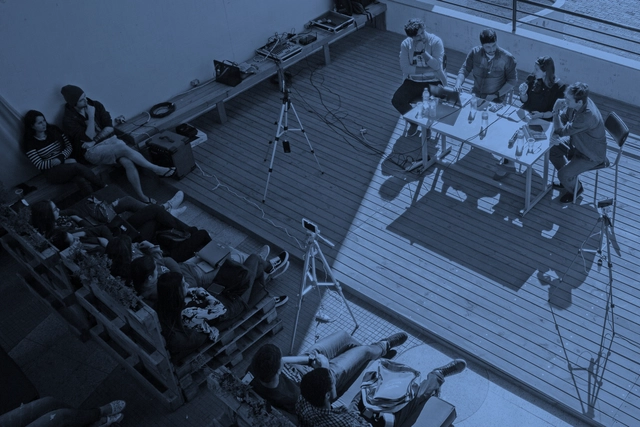
Given that 90% of cities are built without architects and urban planners, who are the real architects imagining and building the world we want to live in? What modes of production, materials, and forms of relationship and social reproduction are practiced by these collectives, pointing the way toward possible, inclusive, diverse, just, and ecological futures? What architectures exist to foster freedom, collaboration, co-responsibility, and care—for oneself, for others, and for the spaces we inhabit?
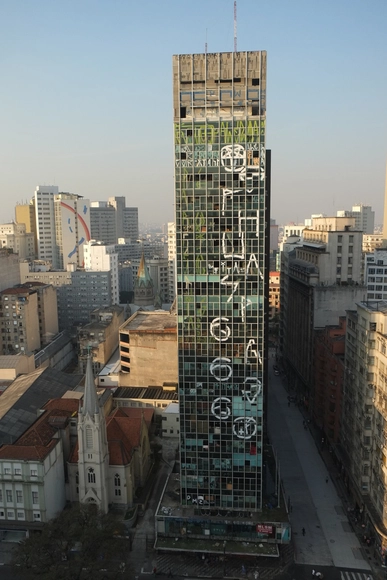
One year after the tragedy caused by the fire at the Wilton Paes de Almeida Building, we share this text originally published in 2018 in the newspaper "A Escola e a Cidade," produced by the publisher of Escola da Cidade.
https://www.archdaily.com/1122848/of-the-force-of-money-that-builds-and-destroys-beautiful-thingsIsadora de Andrade Guerreiro
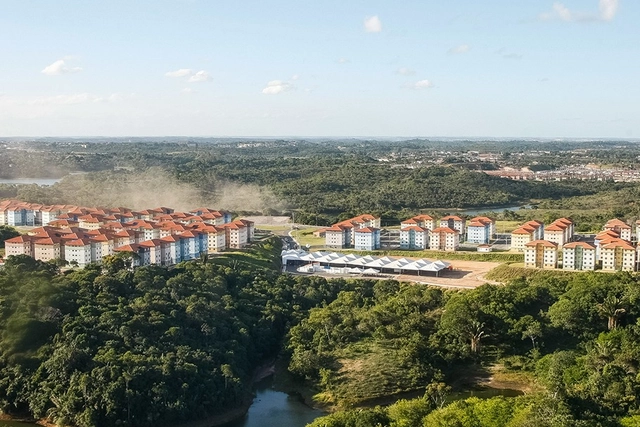
The Minha Casa, Minha Vida (MCMV) program was a cornerstone of federal housing policy under recent administrations. By financing new affordable housing, MCMV incentivizes developers to build in areas far from urban centers. This occurs because performance metrics focus solely on the number of units delivered, creating a strong economic incentive for developers to build far from downtown areas, where land is cheaper. Consequently, many of these developments are distant from job opportunities and basic services, as well as isolated from public mass transit networks, which are structurally unsuited to serve low-density peripheral areas.
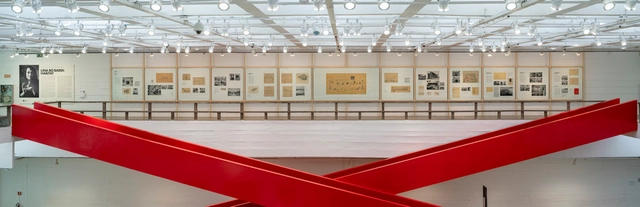
For three years, the Museu de Arte de São Paulo (MASP) has dedicated its program of exhibitions and seminars to annual themes. In 2016, the museum presented Histories of Childhood; in 2017, Histories of Sexuality; and in 2018, Afro-Atlantic Histories, which drew record attendance and was named "Best in Show" of 2018 by The New York Times.
In 2019, however, MASP is focusing on women with Women's Histories, Feminist Histories. The year began with two solo exhibitions by female artists, Lúcia Laguna and Sonia Gomes, at the intersection of both themes, closing the cycle of Afro-Atlantic Histories and launching Women's Histories.
Public authorities must make use of planning instruments available by law to promote coordinated land management and, thus, guarantee access to the city for all. Photo: Mariana Gil/WRI Brasil
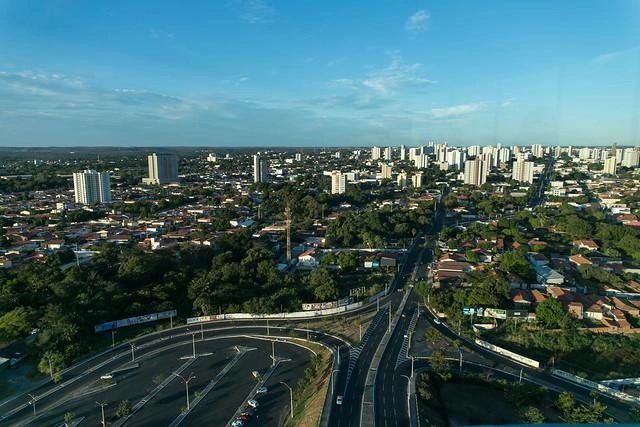
From the ground up, we build our cities. The places where we live, work, walk, and spend our lives are all built on the same surface. Land is one of a city's most valuable assets, and promoting the coordinated management of this territory is essential to ensuring that everyone has their place and that it is equitably distributed.






.jpg?1568210846&format=webp&width=640&height=580)

.jpg?1556661663)