1. ArchDaily
  2. Articles

Articles

The 15 Finalists of the 2026 ArchDaily en Español Building of the Year Award

Subscriber Access | 
Audio available

Over the last two weeks, the ArchDaily en Español community submitted more than 17,000 nominations, yielding 15 finalists that represent some of the most emblematic architectural works of the past year. Decided by its community, the 2026 Building of the Year Award—the most significant architecture prize in the Spanish-speaking world—exists to recognize the best of architecture across Spanish-speaking countries.

These 15 finalists, chosen by public vote in this 17th edition, showcase the breadth of recent Ibero-American production while highlighting shared shifts in contemporary practice: an architecture that prioritizes clear construction choices, operates within real-world constraints, and understands design as a way of adapting to specific contexts.

Transforming Creativity into a Profession: Discover the Master's Degree in Architecture at CEU UCH in Spain

Audio available

The world of architecture is evolving rapidly. Faced with technological transformation, environmental urgency, and growing cultural complexity, architects must combine creativity with technical expertise, cultural sensitivity, analytical skills, and the ability to work across multiple disciplines. The Master's Degree in Architecture at CEU Cardenal Herrera University responds to these demands through a transformative academic experience.

Meet the winning projects of ArchDaily Brasil's 2026 Building of the Year Award

Subscriber Access | 
Audio available

Three Brazilian projects have been chosen as the winners of the 2026 Obra do Ano Award by ArchDaily Brasil's readers. After three weeks of public voting, more than 700 projects were narrowed down to 15 finalists, concluding the process with three grand winners that represent the very best of Lusophone architecture.

Discover the winners of the 2026 ArchDaily en Español Building of the Year Award

Subscriber Access | 
Audio available

Three projects have been chosen by the ArchDaily en Español community as the winners of the 2026 Obra del Año Award. Representing Peru and Ecuador, the winners were selected after three weeks of public voting from a pool of over 800 projects. The award recognizes the best of architecture in Latin America and Spain, as decided by its community.

Last days to vote in the ArchDaily en Español 2026 Building of the Year Award

Subscriber Access | 
Audio available

There are only two days left to vote for the winners of ArchDaily en Español's 2026 Obra del Año Award. The three winners will be announced on April 16, following three weeks of public voting. The 15 finalists chosen by the public showcase the breadth of recent Ibero-American architectural production, spanning Argentina, Chile, Colombia, Cuba, Ecuador, Spain, Mexico, Peru, and Uruguay.

Discover the 15 finalists and help choose the three most significant projects of the past year in Spanish-speaking countries. In this final stage, users can vote for one project per day until April 15 at 6:00 PM (GMT-4).

Last days to vote for the finalists of ArchDaily Brasil's 2026 Obra do Ano Award

Subscriber Access | 
Audio available

The announcement of the 2026 Obra do Ano Award is drawing near, with only two days left until the close of the final selection stage. The three winners will be announced on April 16, following three weeks of public voting. The 15 finalists paint a portrait of the current state of architecture according to the public, who have been voting for their favorite projects.

View the 15 finalists and join an unbiased network of jurors responsible for choosing the most relevant projects built in Portuguese-speaking countries over the past year. In this final stage, each person can vote for one project per day until April 15 at 7:00 PM (Brasília time).

LANA: ergonomic laptop stand and the new dynamics of the workspace

Audio available

Work no longer takes place in a single location. It shifts, fragments, and adapts. It can begin in an office, move to an acoustic booth, transition to a shared space, and end at home. Throughout this journey, the laptop remains a constant. As work becomes increasingly mobile, spatial configurations must also adapt to this condition.

LANA: Ergonomic laptop stand that integrates into workspace design

Audio available

Work is no longer confined to a single place. It moves. It changes. It adapts. Today, it can start in an office, continue in an acoustic booth, shift to a shared space, and end at home. In this transition, the laptop has become a constant fixture. As work becomes more mobile, spatial needs change accordingly.

Solutions Guide for Building with Cross-Laminated Timber (CLT)

Subscriber Access | 
Audio available

In the field of architecture, wood was one of the first materials used by humans in construction, evolving and facing various challenges over the years. From the integration of new technologies in industrial production processes to ancestral techniques and materials reinterpreted in contemporary ways, timber construction continues to capture the interest of architecture and design professionals. Beyond its versatility, strength, appearance, and sustainability, cross-laminated timber, known as CLT, presents a promising future for the industry.

Heimtextil Colombia: Five Trends Redefining Home and Hospitality in 2026

Audio available

Heimtextil Colombia 2026 brings together an international showcase and a knowledge-sharing agenda that highlight the shift in value toward the home and hospitality categories, where Colombian and Latin American designers are expanding their creative DNA to scale the value chain, diversify revenue streams, and compete in global markets.

Winners of the ArchDaily China Building of the Year 2026 Awards

Subscriber Access | 
Audio available

Another year, another successful ArchDaily China Building of the Year Awards! Once more, the award has proved to be the largest architecture prize centered around people's opinion. Crowdsourced, the most relevant projects of the year were nominated and selected by our readers.

The 2026 China Building of the Year Awards is brought to you thanks to Dornbracht, renowned for leading designs for architecture, which can be found internationally in bathrooms and kitchens.

What is the life cycle of urban playgrounds?

Subscriber Access | 
Audio available

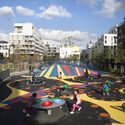
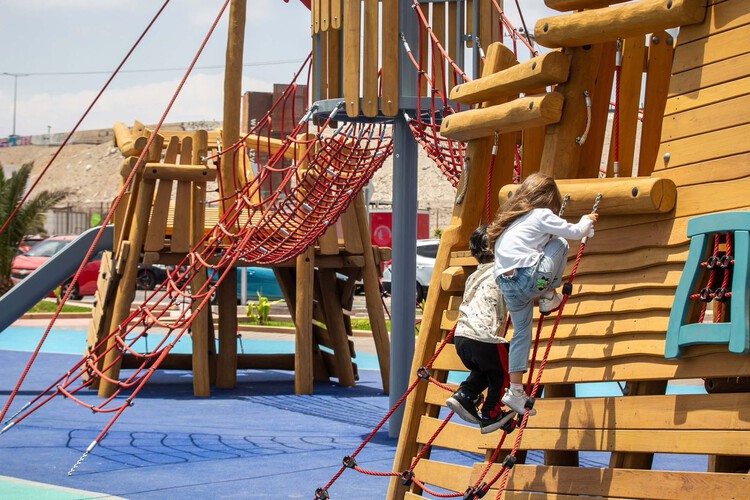
Understanding play as a social transformer and a key influence in defining public space, urban life is shaped by a diverse range of individuals across different ages, cultures, ideologies, interests, classes, and social groups. Thinking about how play inhabits cities means thinking about all generations, and about the need to build public spaces with urban equipment designed to endure and be preserved over time.

The performance of play structures calls for an examination of the different stages of their life cycle, along with their impact on the configuration of the urban environment. Analyzing the life cycle of urban play equipment means understanding everything from materials, durability, and maintenance to the role of certifications, applied manufacturing technologies, and environments that are more conscious of their ecological impact.

What is the life cycle of urban playgrounds? - Image 1 of 4What is the life cycle of urban playgrounds? - Image 2 of 4What is the life cycle of urban playgrounds? - Image 3 of 4What is the life cycle of urban playgrounds? - Image 4 of 4What is the life cycle of urban playgrounds? - More Images+ 15

Jobs in Chengdu & Nanjing | Modum Atelier is Hiring: Architectural Design / Interior Design / Commercial Research / Brand Communications / Interns

Subscriber Access | 
Audio available

Jobs in Chengdu & Nanjing | Modum Atelier is Hiring: Architectural Design / Interior Design / Commercial Research / Brand Communications / Interns - Image 1 of 4Jobs in Chengdu & Nanjing | Modum Atelier is Hiring: Architectural Design / Interior Design / Commercial Research / Brand Communications / Interns - Image 2 of 4Jobs in Chengdu & Nanjing | Modum Atelier is Hiring: Architectural Design / Interior Design / Commercial Research / Brand Communications / Interns - Image 3 of 4Jobs in Chengdu & Nanjing | Modum Atelier is Hiring: Architectural Design / Interior Design / Commercial Research / Brand Communications / Interns - Image 4 of 4Jobs in Chengdu & Nanjing | Modum Atelier is Hiring: Architectural Design / Interior Design / Commercial Research / Brand Communications / Interns - More Images+ 4

Armenta Resurge: Community Architecture by the River in Honduras

Subscriber Access | 
Audio available

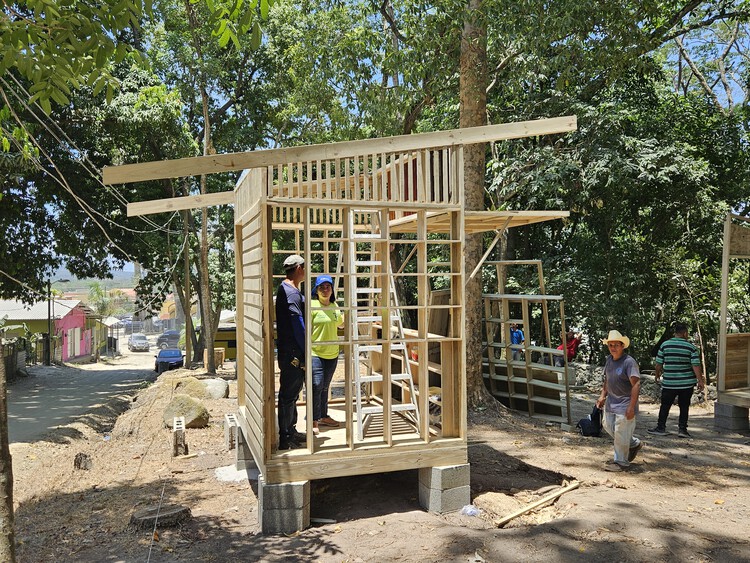
It is eight in the morning, and the car's dashboard display reads 36°C on the streets of San Pedro Sula, Honduras. The sky is almost clear: an intense blue with a few bright, drifting clouds. The air conditioning in the cars—all with tinted windows—makes you forget that upon stepping out, the warm, humid air will immediately weigh on your shoulders and break a sweat.

Puerto Cortés on the Caribbean coast is too far away for a quick dip, but in the neighborhood of Armenta, the eponymous river flows almost silently down from the Sierra del Merendón, running from west to east through gray stones. On the northern bank, tall, leafy trees along the upper edge of the ravine shade a long, dry, and dusty plaza, while thick, exposed roots give texture to the ground. The sun is less punishing.

Armenta Resurge: Community Architecture by the River in Honduras - Image 1 of 4Armenta Resurge: Community Architecture by the River in Honduras - Image 2 of 4Armenta Resurge: Community Architecture by the River in Honduras - Image 3 of 4Armenta Resurge: Community Architecture by the River in Honduras - Image 4 of 4Armenta Resurge: Community Architecture by the River in Honduras - More Images+ 11

Yemail Arquitectura designs a pavilion for the Bogotá International Book Fair 2022

Subscriber Access | 

“Reading for Life” is the name of the pavilion of the Mayor’s Office of Bogotá designed by Yemail Arquitectura for this latest edition of the Bogotá International Book Fair (FILBO). Welcoming over 30,000 visitors, the pavilion made a significant impact by presenting a narrative that allowed visitors to understand the Colombian capital from different perspectives. It took into account the city’s rural composition while proposing a future with a more organic connection, where the diversity of the neighborhood, water, air, land, and all the cities found in reading, community, and nature coexist in a single space.

Inhabiting After Exile: New Habitats in Putumayo, Colombia

Subscriber Access | 

This article by Jheisson Joseph Lasso Imbachi was originally published under the title "Habitar tras el destierro: Desplazamiento forzado y retorno como configurador de nuevos hábitats en el Putumayo" in the 30th issue of Dearq journal on May 1, 2021 (DOI: https://doi.org/10.18389/dearq30.2021.05).

It explores migration processes in the south of the country, a consequence of extractive economies that have shaped territorial organization and caused exile, forced displacement, and two lesser-studied phenomena: the settlement and permanence of the population in a host territory and the return to their place of origin. To this end, documentary and testimonial sources were studied, analyzed, and interpreted, allowing a direct approach to the community displaced by violence, in order to analyze the diverse ways of living after displacement and conclude with some considerations for future rural housing proposals that are easily accessible to the victim population.

Below, we present it as part of a joint collaboration to contribute to the dissemination of research, analysis, and opinions developed by the national and international academic community on architecture, urban issues, and related fields.

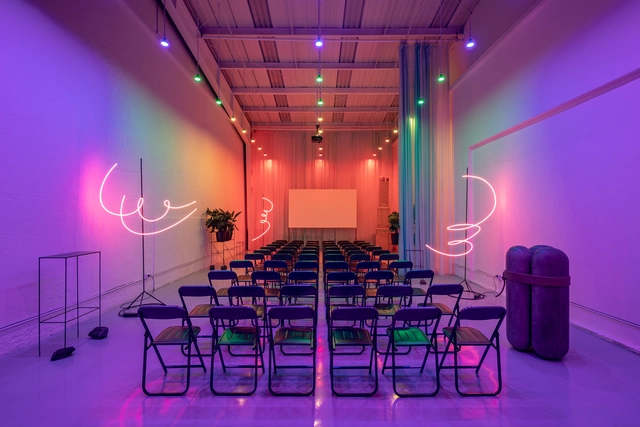
‘Beyond Human-Centered Design’: Inside SPACE10’s Pop-Up in Mexico City

Subscriber Access | 

‘Beyond Human-Centered Design’: Inside SPACE10’s Pop-Up in Mexico City - Imagem 1 de 4‘Beyond Human-Centered Design’: Inside SPACE10’s Pop-Up in Mexico City - Imagem 2 de 4‘Beyond Human-Centered Design’: Inside SPACE10’s Pop-Up in Mexico City - Imagem 3 de 4‘Beyond Human-Centered Design’: Inside SPACE10’s Pop-Up in Mexico City - Imagem 4 de 4‘Beyond Human-Centered Design’: Inside SPACE10’s Pop-Up in Mexico City - More Images+ 18

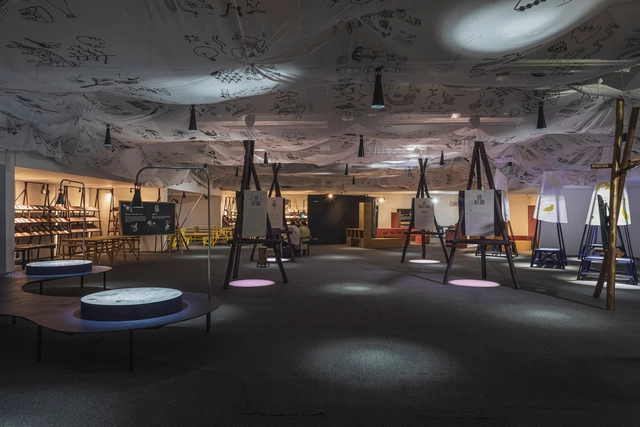
One of the defining features of cities is their undeniable capacity to bring together creative talent through multiculturalism and transdisciplinarity. Today, it is increasingly vital to generate spaces and platforms within these urban environments that serve as creative laboratories—places not only to share but, above all, to reflect on contemporary practice, viewing design not as a decontextualized entity, but as an integrated concept that bridges diverse disciplines.

"A city is made up of buildings like a screen of pixels: if there is one dead, the whole thing is ruined," our readers weigh in on aesthetics

Subscriber Access | 

Architects, designers, psychologists, and sociologists alike recognize that aesthetics and their underlying philosophy have the power to change how we perceive the world around us. Consequently, a deeper understanding of what is beautiful has the power to shift how people respond to their environment. Exploring the different meanings of aesthetics in architecture—from 'form follows function' to the new aesthetics of the metaverse—can help us understand the potential of our physical and virtual environments on the path toward a better world.

Much has been written on the subject, from Alberto Pérez-Gómez's Lo bello y lo justo en la arquitectura to Pablo Caldera's El fracaso de lo bello. However, we wanted to open the debate to our readers to share their views on what makes a building or a city beautiful.

After reading and compiling around 300 comments from construction professionals, students, and architecture enthusiasts alike, it was a pleasant surprise to find common ground regarding the importance of collective beauty, referencing both the urban and natural contexts.

Common Cause: New Perspectives in Santiago, Chile

Subscriber Access | 

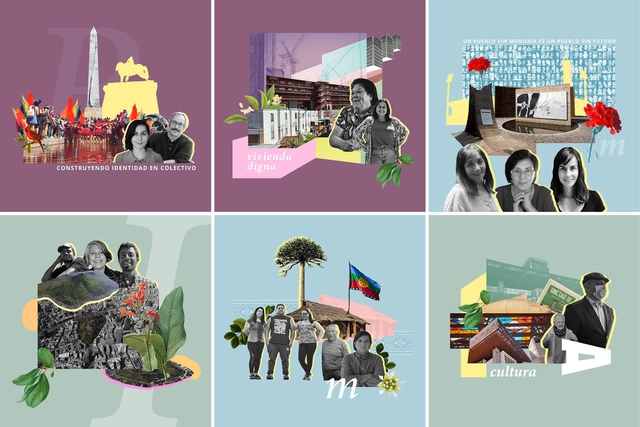
The fourth season of the podcast Causa Común—a co-production between Fundación Lepe and Fundación Aldea for the OH! Stgo festival, held in mid-January in Santiago, Chile—explores the past, present, and future of the capital, alongside the role of its inhabitants in prioritizing the common good and collaborative ways of making, inhabiting, and imagining our shared home.

Directed and coordinated by Francisca Cordero, Soledad Díaz de la Fuente, Magdalena Novoa, and Trinidad Piriz, the six-episode season examines the everyday stories, communities, monuments, and public spaces we inhabit from new perspectives. Featured topics range from the multiple identities of a public square, female leadership in housing projects, and the construction of urban memory, to island hills as socio-environmental opportunities, Mapuche urban dwelling, and the GAM building as an exponent of architecture and social change.
Lima, the Unpostponable: A Roadmap for the 2023–2026 Administration

Subscriber Access | 

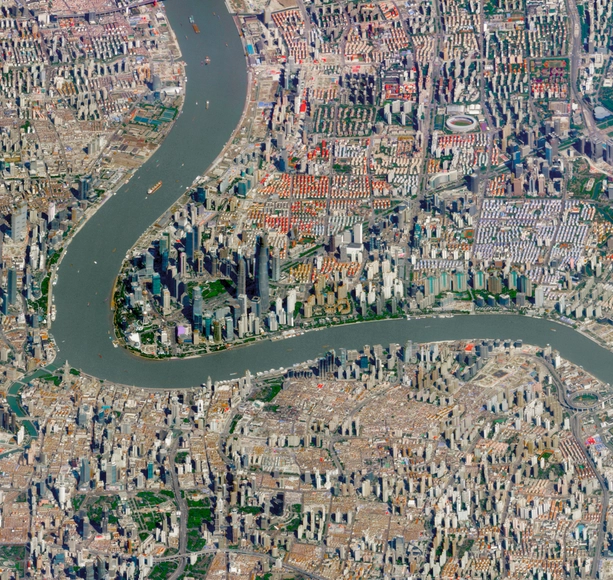
"Lima La Impostergable" (Lima, Unpostponable) is an initiative by the Lima Regional Chapter of the College of Architects of Peru. It aims to establish a roadmap for priority issues to be addressed by the 2023–2026 municipal administration of Metropolitan Lima and Callao, built through a platform of citizen engagement.

The Challenges of Ensuring Housing in the Face of Tourism in Mexico: The Case of Valladolid, Yucatán

Subscriber Access | 

The Challenges of Ensuring Housing in the Face of Tourism in Mexico: The Case of Valladolid, Yucatán - Imagen 1 de 4The Challenges of Ensuring Housing in the Face of Tourism in Mexico: The Case of Valladolid, Yucatán - Imagen 2 de 4The Challenges of Ensuring Housing in the Face of Tourism in Mexico: The Case of Valladolid, Yucatán - Imagen 3 de 4The Challenges of Ensuring Housing in the Face of Tourism in Mexico: The Case of Valladolid, Yucatán - Imagen 4 de 4The Challenges of Ensuring Housing in the Face of Tourism in Mexico: The Case of Valladolid, Yucatán - More Images+ 3

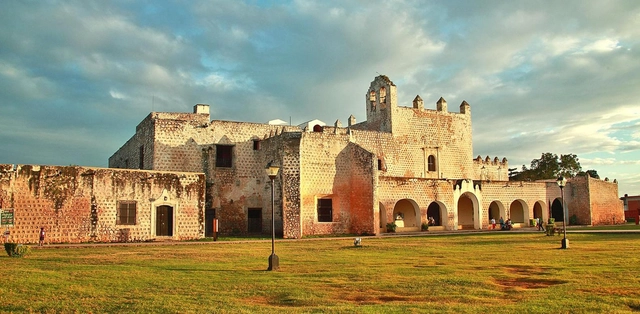
Valladolid is a town of just under 50,000 inhabitants, located in eastern Yucatán. It sits halfway between Cancún and Mérida, about 40 minutes from the Chichén-Itzá archaeological zone. Initially, the tourists who visited did so as a stopover during their travels across the peninsula. However, its gastronomy and architecture transformed it from an involuntary rest stop into a tourist destination in its own right.

Moray, the Lost Territory in Peru: Experiencing Muyus

Subscriber Access | 

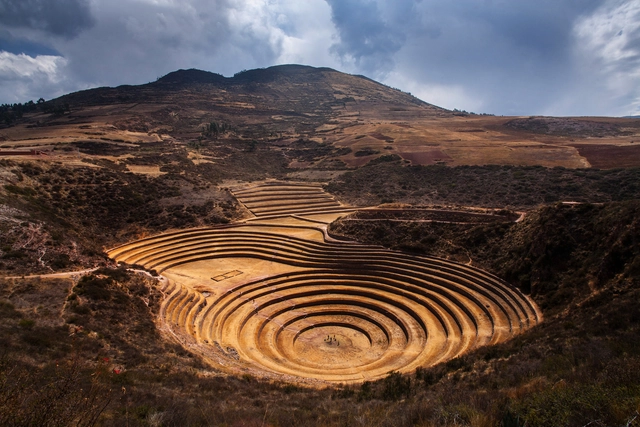
The project “Moray, the lost territory – Experiencing Muyus” was developed as part of AAVS Nanoturismo, an experimental teaching, research, and development program by the AA Visiting School of the Architectural Association, School of Architecture in London, United Kingdom. It was carried out by a multidisciplinary team in 2019 in Maras, Cusco, Peru.

Nanotourism reconsiders traditional tourism, shifting it toward a critical, creative, and local perspective. Accordingly, the study utilized the PAR (Participatory Action Research) method, which, through participation, action, and research, identified key “hidden” aspects within this context.

LAGO/ALGO: A New Cultural Space Opens Its Doors in Chapultepec Forest, Mexico City

Subscriber Access | 

LAGO/ALGO: A New Cultural Space Opens Its Doors in Chapultepec Forest, Mexico City - Image 1 of 4LAGO/ALGO: A New Cultural Space Opens Its Doors in Chapultepec Forest, Mexico City - Image 2 of 4LAGO/ALGO: A New Cultural Space Opens Its Doors in Chapultepec Forest, Mexico City - Image 3 of 4LAGO/ALGO: A New Cultural Space Opens Its Doors in Chapultepec Forest, Mexico City - Image 4 of 4LAGO/ALGO: A New Cultural Space Opens Its Doors in Chapultepec Forest, Mexico City - More Images+ 39

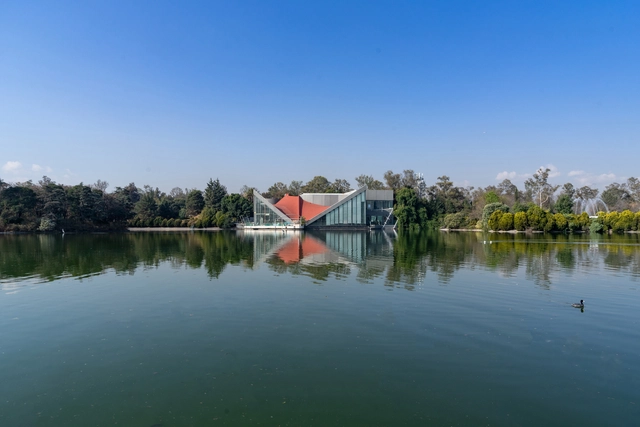
As part of the cultural program for Art Week and as a response to the pandemic crisis, a new space has opened its doors in Mexico City to reimagine our current situation and rethink our relationship with public space and the Chapultepec Forest. From the roots of change generated by this crisis emerged the opportunity to recover and repurpose the iconic building known as "Restaurante Lago"—inaugurated on October 24, 1964, and designed by architect Alfonso Ramírez Ponce—giving it a new purpose: "to transform the private into public, the exclusive into inclusive, the social into cultural. To peel back the layers of history and return the present to its origin, rediscovering an icon of 1960s modern architecture."

Architectural Objects: The exhibition gathering 27 pieces for Mexico City Art Week

Subscriber Access | 

Architectural Objects: The exhibition gathering 27 pieces for Mexico City Art Week - Image 1 of 4Architectural Objects: The exhibition gathering 27 pieces for Mexico City Art Week - Image 2 of 4Architectural Objects: The exhibition gathering 27 pieces for Mexico City Art Week - Image 3 of 4Architectural Objects: The exhibition gathering 27 pieces for Mexico City Art Week - Image 4 of 4Architectural Objects: The exhibition gathering 27 pieces for Mexico City Art Week - More Images+ 6

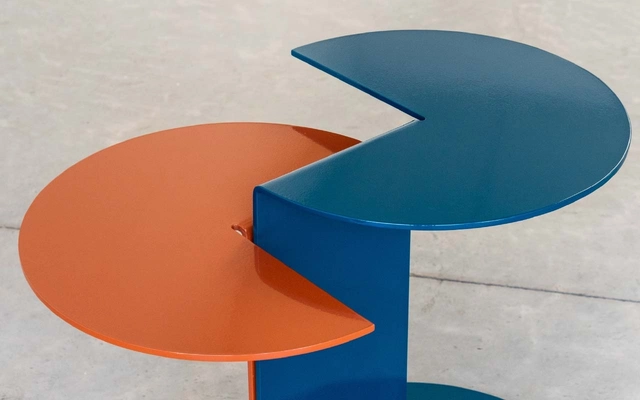
As part of the programming for Mexico City Art Week, CAPITALES presents its fifth exhibition, titled "Objetos Arquitectónicos" ("Architectural Objects"), from February 8 to 13, 2022, at Frontera 88, Roma Norte. Produced in collaboration with Manada Architectural Boundaries, the exhibition features 27 studios, including Alejandro Tapia, Ariel Rojo, Blanca Arcos, Carlos Bedoya, Carlos Candia, Carlos Torre Hütt, Chuen Mx, Déjate Querer, Dosa Studio, EDAA, Enrique Rosas, Estudio Atemporal, Fernando Polidura, Jimena Hogrebe, Julia Reyes Retana C, Lanza Atelier, Lupe Toys, María Santibáñez, Martacarmela, Onnis Luque, PRODUCTORA, PLECA, Rafael Rodríguez, Roberto Michelsen, Unidad de Protocolos, and Vera Primavera.

You've started following your first account!

Did you know?

You'll now receive updates based on what you follow! Personalize your stream and start following your favorite authors, offices and users.