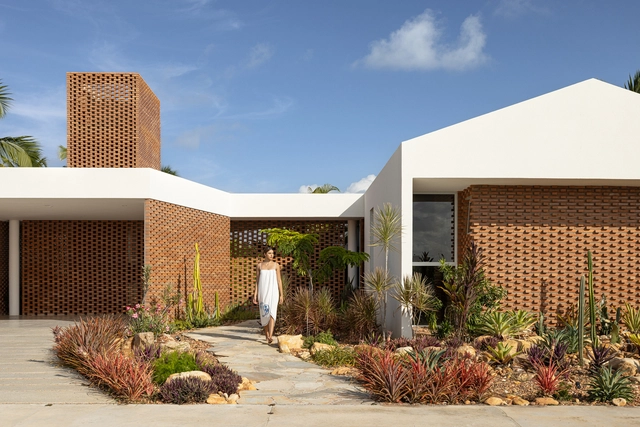
Over the past two weeks, the ArchDaily Brasil community has nominated more than 14,000 projects, resulting in 15 finalists representing some of the most iconic architectural works published over the last year. Now in its 10th edition, the Obra do Ano Award recognizes the best of architecture in Portuguese-speaking countries, chosen by the readers themselves. The finalists offer a snapshot of the current state of architecture, spanning residential, urban, cultural, and other programs.
Representing Brazil and Portugal, the 15 projects reflect the needs of their specific contexts through creative solutions proposed by local architects. From interior renovations to large-scale urban interventions, and from single-family homes to community projects, the selection is diverse, yet united by a common thread: recognition from the public, who seek to see their own aspirations represented.
https://www.archdaily.com/1054658/the-15-finalists-of-archdaily-brasils-2026-building-of-the-year-awardArchDaily Team
Over the last two weeks, the ArchDaily en Español community submitted more than 17,000 nominations, yielding 15 finalists that represent some of the most emblematic architectural works of the past year. Decided by its community, the 2026 Building of the Year Award—the most significant architecture prize in the Spanish-speaking world—exists to recognize the best of architecture across Spanish-speaking countries.
These 15 finalists, chosen by public vote in this 17th edition, showcase the breadth of recent Ibero-American production while highlighting shared shifts in contemporary practice: an architecture that prioritizes clear construction choices, operates within real-world constraints, and understands design as a way of adapting to specific contexts.
https://www.archdaily.com/1054657/the-15-finalists-of-the-2026-archdaily-en-espanol-building-of-the-year-awardArchDaily Team
The world of architecture is evolving rapidly. Faced with technological transformation, environmental urgency, and growing cultural complexity, architects must combine creativity with technical expertise, cultural sensitivity, analytical skills, and the ability to work across multiple disciplines. The Master's Degree in Architecture at CEU Cardenal Herrera University responds to these demands through a transformative academic experience.
Three Brazilian projects have been chosen as the winners of the 2026 Obra do Ano Award by ArchDaily Brasil's readers. After three weeks of public voting, more than 700 projects were narrowed down to 15 finalists, concluding the process with three grand winners that represent the very best of Lusophone architecture.
https://www.archdaily.com/1054654/meet-the-winning-projects-of-archdaily-brasils-2026-building-of-the-year-awardArchDaily Team
Three projects have been chosen by the ArchDaily en Español community as the winners of the 2026 Obra del Año Award. Representing Peru and Ecuador, the winners were selected after three weeks of public voting from a pool of over 800 projects. The award recognizes the best of architecture in Latin America and Spain, as decided by its community.
https://www.archdaily.com/1054651/discover-the-winners-of-the-2026-archdaily-en-espanol-building-of-the-year-awardArchDaily Team
There are only two days left to vote for the winners of ArchDaily en Español's 2026 Obra del Año Award. The three winners will be announced on April 16, following three weeks of public voting. The 15 finalists chosen by the public showcase the breadth of recent Ibero-American architectural production, spanning Argentina, Chile, Colombia, Cuba, Ecuador, Spain, Mexico, Peru, and Uruguay.
Discover the 15 finalists and help choose the three most significant projects of the past year in Spanish-speaking countries. In this final stage, users can vote for one project per day until April 15 at 6:00 PM (GMT-4).
https://www.archdaily.com/1054513/last-days-to-vote-in-the-archdaily-en-espanol-2026-building-of-the-year-awardArchDaily Team
The announcement of the 2026 Obra do Ano Award is drawing near, with only two days left until the close of the final selection stage. The three winners will be announced on April 16, following three weeks of public voting. The 15 finalists paint a portrait of the current state of architecture according to the public, who have been voting for their favorite projects.
View the 15 finalists and join an unbiased network of jurors responsible for choosing the most relevant projects built in Portuguese-speaking countries over the past year. In this final stage, each person can vote for one project per day until April 15 at 7:00 PM (Brasília time).
https://www.archdaily.com/1054514/last-days-to-vote-for-the-finalists-of-archdaily-brasils-2026-obra-do-ano-awardArchDaily Team
Work no longer takes place in a single location. It shifts, fragments, and adapts. It can begin in an office, move to an acoustic booth, transition to a shared space, and end at home. Throughout this journey, the laptop remains a constant. As work becomes increasingly mobile, spatial configurations must also adapt to this condition.
Work is no longer confined to a single place. It moves. It changes. It adapts. Today, it can start in an office, continue in an acoustic booth, shift to a shared space, and end at home. In this transition, the laptop has become a constant fixture. As work becomes more mobile, spatial needs change accordingly.
Soporte oculto para vigas - CBH. Image Cortesía de Simpson Strong Tie
In the field of architecture, wood was one of the first materials used by humans in construction, evolving and facing various challenges over the years. From the integration of new technologies in industrial production processes to ancestral techniques and materials reinterpreted in contemporary ways, timber construction continues to capture the interest of architecture and design professionals. Beyond its versatility, strength, appearance, and sustainability, cross-laminated timber, known as CLT, presents a promising future for the industry.
Heimtextil Colombia 2026 brings together an international showcase and a knowledge-sharing agenda that highlight the shift in value toward the home and hospitality categories, where Colombian and Latin American designers are expanding their creative DNA to scale the value chain, diversify revenue streams, and compete in global markets.
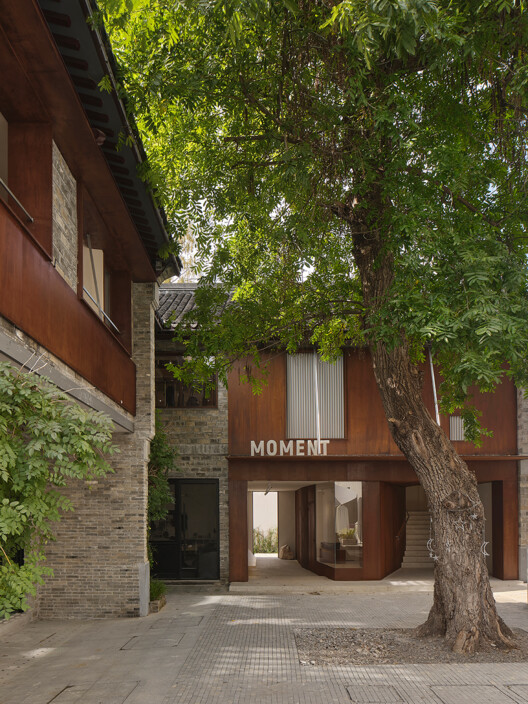
Another year, another successful ArchDaily China Building of the Year Awards! Once more, the award has proved to be the largest architecture prize centered around people's opinion. Crowdsourced, the most relevant projects of the year were nominated and selected by our readers.
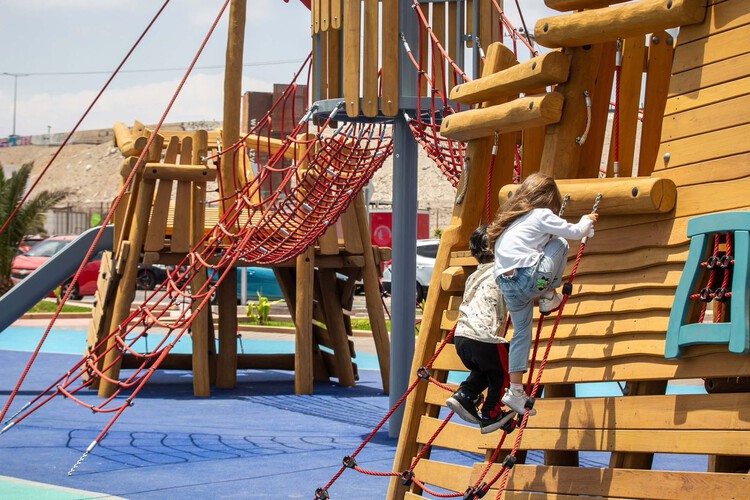
Understanding play as a social transformer and a key influence in defining public space, urban life is shaped by a diverse range of individuals across different ages, cultures, ideologies, interests, classes, and social groups. Thinking about how play inhabits cities means thinking about all generations, and about the need to build public spaces with urban equipment designed to endure and be preserved over time.
The performance of play structures calls for an examination of the different stages of their life cycle, along with their impact on the configuration of the urban environment. Analyzing the life cycle of urban play equipment means understanding everything from materials, durability, and maintenance to the role of certifications, applied manufacturing technologies, and environments that are more conscious of their ecological impact.
https://www.archdaily.com/1054664/jobs-in-chengdu-and-nanjing-modum-atelier-is-hiring-architectural-design-interior-design-commercial-research-brand-communications-interns韩爽 - HAN Shuang
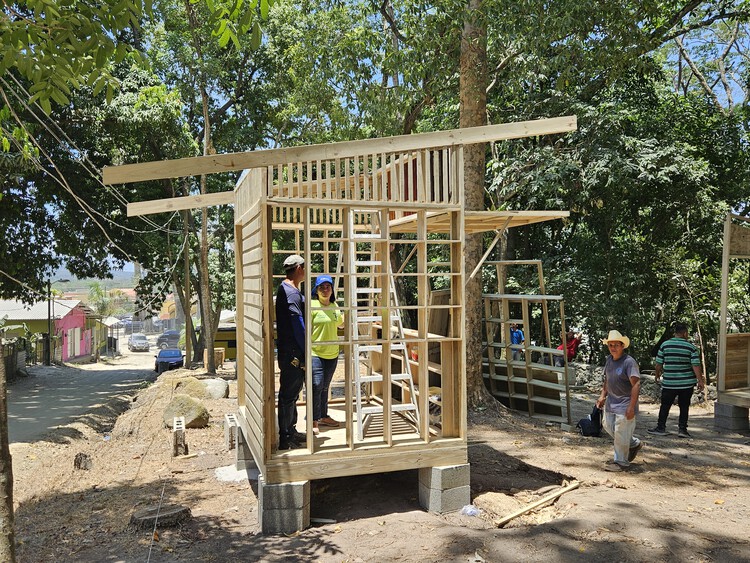
It is eight in the morning, and the car's dashboard display reads 36°C on the streets of San Pedro Sula, Honduras. The sky is almost clear: an intense blue with a few bright, drifting clouds. The air conditioning in the cars—all with tinted windows—makes you forget that upon stepping out, the warm, humid air will immediately weigh on your shoulders and break a sweat.
Puerto Cortés on the Caribbean coast is too far away for a quick dip, but in the neighborhood of Armenta, the eponymous river flows almost silently down from the Sierra del Merendón, running from west to east through gray stones. On the northern bank, tall, leafy trees along the upper edge of the ravine shade a long, dry, and dusty plaza, while thick, exposed roots give texture to the ground. The sun is less punishing.
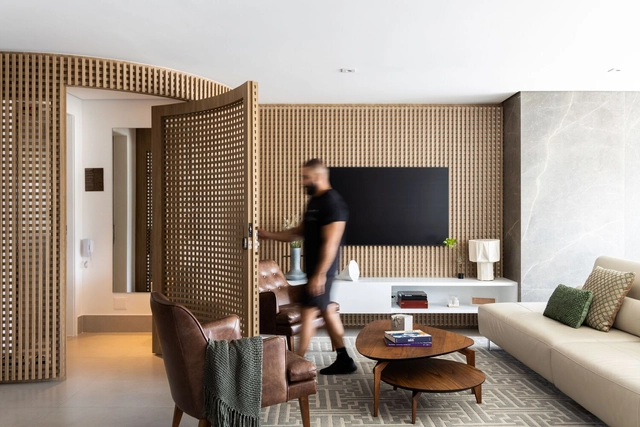
While typical floor plans tend to prevail in residential buildings, no two apartments are ever truly identical. Designing the interiors of these spaces requires much more than simply decorating a layout previously conceived by another architect. Among the many challenges of these projects are reconfiguring the structure to expand spaces, enhancing natural light, creating spatial permeability, and introducing decorative or landscaping elements that reflect the residents' personalities. In 2023, numerous projects showcased inspiring apartments. To provide a representative overview, we compiled the Brazilian apartments that were most visited by the ArchDaily Brasil audience over the past year.
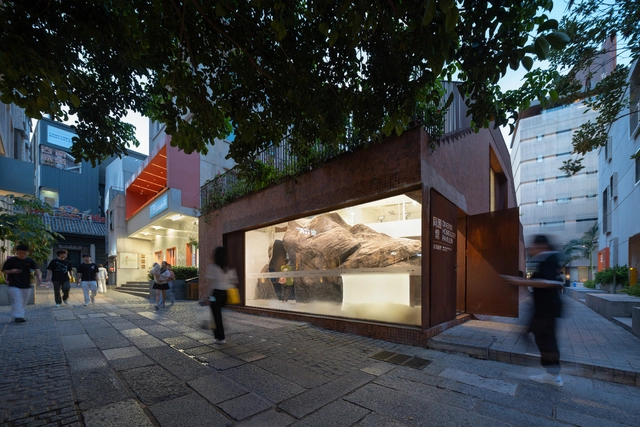
Project Positioning: Urban Renewal, Bay Area Cultural Landmark, Cultural Services for an Ancient Town's Historical Community Nantou Ancient City is located in the rapidly developing Nanshan District of Shenzhen. Situated on the eastern bank of the Pearl River Estuary, its history dates back nearly 1,700 years to the establishment of Dongguan County in 331 AD (the sixth year of the Xianhe era in the Eastern Jin Dynasty) [1]. With Shenzhen’s reform and opening up, the area has not only preserved the spatial layout of its historical village settlement but has also integrated industrial development and high-density housing, evolving into Shenzhen’s most unique “urban village” (chengzhongcun). In 2019, with the official launch of the Nantou Ancient City Protection and Utilization Project, two core questions emerged: how to unearth Nantou's historical context, and how to address the contemporary challenges of urban renewal through innovative design? These questions became the starting point for our team, Diameter Narrative Design (DND), in curating and designing the visitor experience for the “Shared Origins Museum Group” (Tongyuan Guanqun). Nantou's history dates back to 110 BC, when the Han government established the Panyu salt office here to oversee salt production along the eastern shore of the Pearl River Estuary. During the Eastern Jin Dynasty, the seats of both Dongguan County and Bao'an County were set in the Nantou area, extending Dongguan's jurisdiction from the eastern bank of the estuary to what is now eastern Guangdong. Subsequently, successive imperial dynasties established political, economic, and military administrative organs in Nantou. Consequently, Nantou is not only a witness to the shared roots of Shenzhen and Hong Kong but has also directly experienced the historical evolution of the Greater Bay Area. From its inception, the Nantou project aimed to become a cultural landmark for the Greater Bay Area, with the “Shared Origins Museum Group” serving as both a physical manifestation of Nantou's historical value and a hub for community public cultural services.
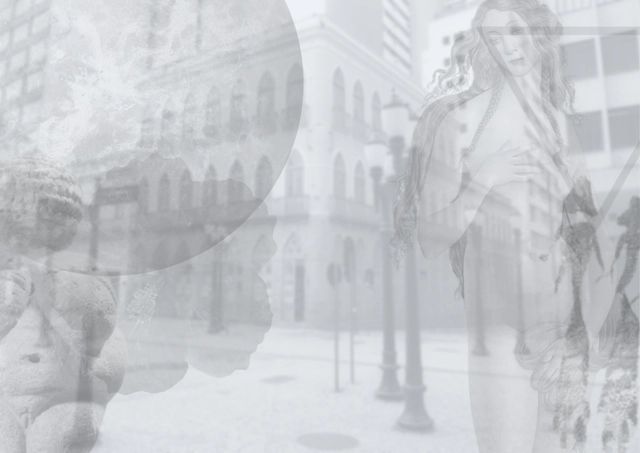
Illustration "Being a Woman on the Streets", digital collage technique, source: Luíza Chiarelli de Almeida Barbosa, 2022
Have you ever stopped to reflect on whether your city's downtown streets influence how you behave?
City centers are urban microcosms where women’s experiences, in particular, are both profound and silent. In 2022, an ethnographic exercise shed light on the dynamics lived by women navigating four locations in downtown Curitiba: the Guadalupe Terminal, the corner of Rua Pedro Ivo and Travessa da Lapa, the pedestrianized stretch of Rua XV de Novembro (between Rua Marechal Floriano Peixoto and Rua Monsenhor Celso), and Praça General Osório.
https://www.archdaily.com/1078789/being-a-woman-on-city-streets-a-philosophical-and-ethnographic-perspectiveLuíza Chiarelli de Almeida Barbosa e Aline Barbosa
Applying neuroscience to architecture, specifically within the realm of neurogastronomy, provides a unique understanding of the intersection between human sensory domains and the built environment. It seeks to understand brain function in relation to eating, which has traditionally been viewed as a process limited to the mouth and stomach. Ultimately, it is the brain that eats. Accordingly, this article aims to consolidate scientific concepts related to neurogastronomy applied to architecture, examining the dining experience and architectural spaces, with a particular focus on active aging.
https://www.archdaily.com/1078810/neurogastronomy-applied-to-architecture-in-support-of-human-agingCiro Férrer Herbster Albuquerque e Paulo de Tarso Souza
I was intrigued to read on UOL that Silicon Valley billionaires plan to build a perfect city from scratch in California. But what, after all, actually makes a perfect city?
According to the article, the city would feature high-quality public services, walkability, lush greenery, and safety, along with housing at various price points and sizes, all integrated with shops, schools, and restaurants.
In addition, the city would offer high-paying jobs for its residents, while local schools would train people from the area to work in local businesses.
https://www.archdaily.com/1078806/planned-neighborhoods-of-sao-paulo-missed-opportunitiesVitor Meira França
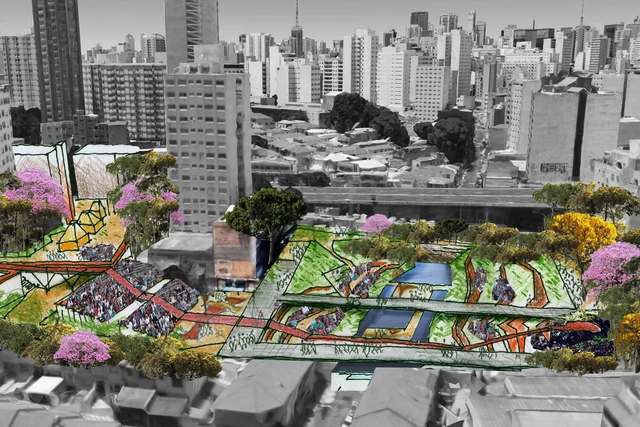
Bixiga Park project created by activists — Image: Courtesy
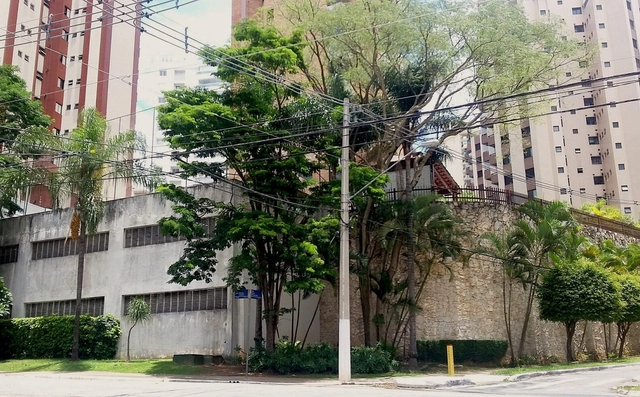
The city of São Paulo, characterized by its vastness and cultural diversity, is also frequently the stage for conflicts over the occupation of its urban space. Spanning more than four decades, the dispute over the plot adjacent to the Teatro Oficina, designed by Lina Bo Bardi in the Bixiga neighborhood, has finally culminated in the creation of a long-awaited public amenity: the Rio Bixiga Park. This milestone is not only a victory for the local and artistic community but also a remarkable achievement for the right to the city and public leisure in São Paulo, especially after years of confrontation with the Silvio Santos Group.
One of the key themes of the past year was reclaiming the connection between humans and nature—or rather, recognizing that we are not separate from it. Strategies such as biophilia, biomimicry, and approaches drawing from vernacular and ancestral techniques show that incorporating natural elements into architecture is no longer just a compositional choice, but a practice that directly influences behavioral and health outcomes. Consequently, landscape design goes beyond mere aesthetics, turning yards, gardens, and outdoor spaces into functional and therapeutic extensions of the home.
https://www.archdaily.com/1078859/the-best-brazilian-residential-landscape-projects-of-2023ArchDaily Team
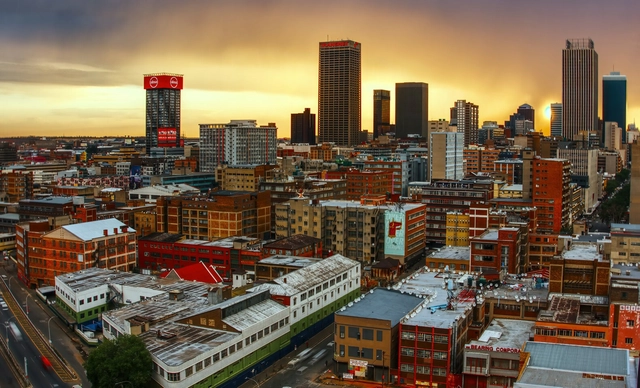
Johannesburg, South Africa. Photo by Simon Hurry, via Unsplash
A quick scan of Africa's 100 largest cities yields few surprises. Most are located in the continent's wealthiest nations. The majority serve as national or regional/state capitals. At least half feature river or sea ports. Many have had railway stations for decades and, more recently, airports and highway connections. A large number host universities. All have Wikipedia profiles, many of which span several pages.
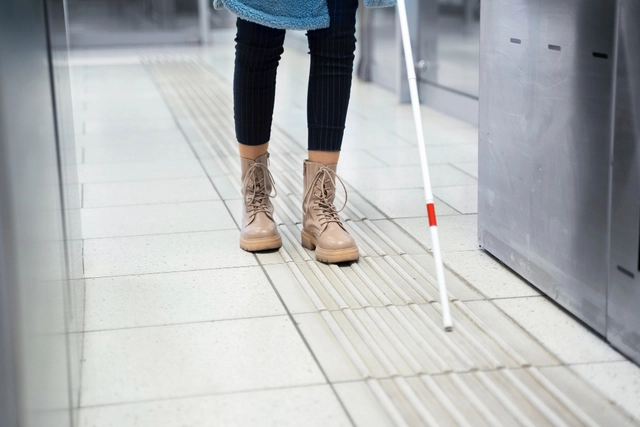
Although people with disabilities represent nearly 15% of the global population, and more than half of them live in urban areas, our cities rarely meet their needs. Most are designed from the perspective of non-disabled people traveling by private transport (such as cars and motorcycles), rather than those who walk, cycle, or use public transportation.
https://www.archdaily.com/1078840/how-to-ensure-access-to-the-city-for-people-with-disabilitiesITDP Brasil