This guide shows how to use a D5 Render a free live-sync plugin to improve SketchUp workflow.
Articles
How to improve rendering workflow on SketchUp
| Sponsored Content
https://www.archdaily.comhttps://www.archdaily.com/catalog/us/products/32369/how-to-improve-rendering-workflow-on-sketchup-d5-render
How habit change happens – and what it has to do with sustainable mobility
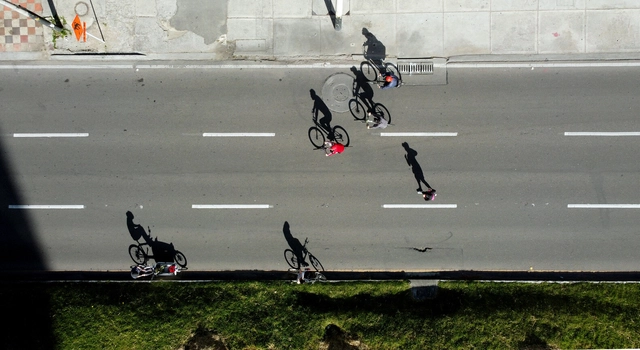
It is clear that cities worldwide must make concerted efforts to encourage more people to choose sustainable modes of transportation—such as walking, cycling, and public transit—over cars and motorcycles. But what drives us to choose one mode of transport over another? What factors lie behind our choices? Are they, in fact, conscious decisions or merely "automatic habits"? Understanding this process is an important step toward promoting sustainable mobility.
https://www.archdaily.com/1132207/how-habit-change-happens-and-what-it-has-to-do-with-sustainable-mobilityGuillermo Petzhold
Designing for People with Physical Disabilities: For More Inclusive and Accessible Spaces
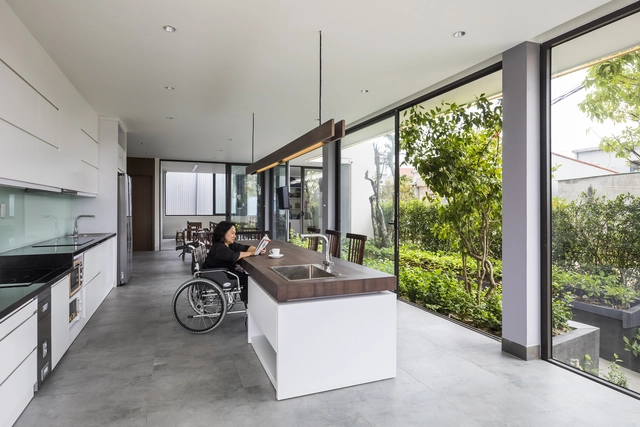
Over 13 million Brazilians live with a physical disability. Data from the Ministry of Health indicates that roughly 6% of the population has some form of compromised mobility and overall coordination due to the complete or partial impairment of one or more body segments. Designing more inclusive environments is key to eliminating architectural barriers, ensuring the integration of this entire demographic into social and cultural activities. During the month of the National Day of Persons with Physical Disabilities, we aim to combat prejudice and present universal design alternatives as a tool for change for architecture and urban planning professionals.
https://www.archdaily.com/1132138/designing-for-people-with-physical-disabilities-for-more-inclusive-and-accessible-spacesArchDaily Team
Equity on the streets begins with parking reform.
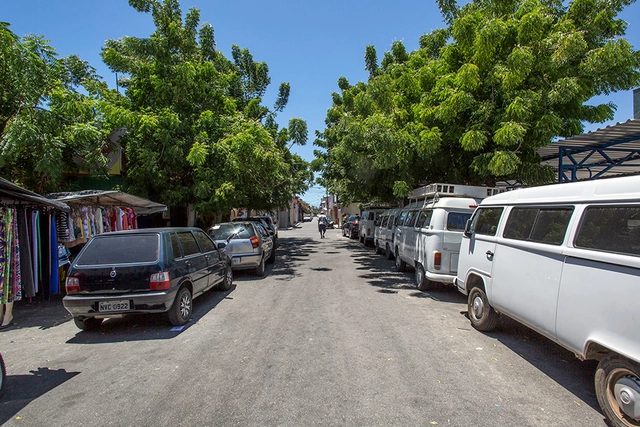
In recent years, several extreme weather events around the world have devastated cities, including those in Brazil. In 2022, heavy rains battered the mountainous region of Rio de Janeiro, especially the city of Petrópolis, which recorded 250 landslides in a single day.
A similar situation occurred in Pernambuco, where above-average rainfall triggered landslides. In late 2021, in the state of Bahia, severe storms pushed at least 72 municipalities into a state of emergency. As in previous cases, these disasters caused casualties and left numerous families displaced. Globally, the situation is no different, even if the specific hazards vary.
https://www.archdaily.com/1132284/equity-on-the-streets-begins-with-parking-reformITDP Brasil
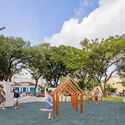
TAC! Urban Architecture Festival begins its first edition in Granada, inaugurating the temporary pavilion "AIRE"
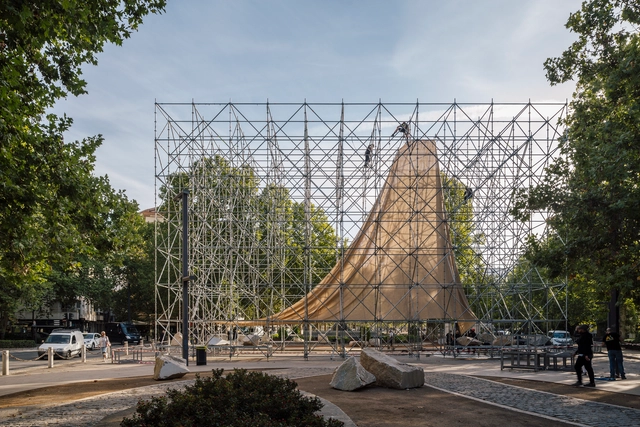
On October 14, the first edition of the TAC! Urban Architecture Festival will begin. This year, the festival will be held in the city of Granada and will run until November 14. The opening of the event will be marked by the inauguration of the temporary pavilion “AIRE,” the winning project of the open call, located in Plaza del Humilladero and designed by P + S Estudio de Arquitectura.
https://www.archdaily.com/1131928/tac-urban-architecture-festival-begins-its-first-edition-in-granada-inaugurating-the-temporary-pavilion-aireMili Sánchez Azcona
10 Years of ArqFilmFest: What Do We Talk About When We Talk About Cinema and Architecture?
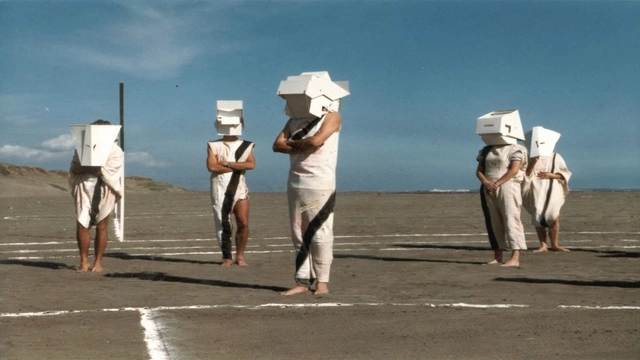
To celebrate the first decade of ArqFilmFest, Santiago Architecture Film Festival, various members of its community—including architects, cultural managers, film critics, academics, among other professionals—were invited to answer the question: What do we talk about when we talk about film and architecture?
Journalist and film critic Christian Ramírez responds with "Filmed Space, Inhabited Space," reflecting on the relationship between the recorded and the built; architect Martin Schmidt Radic presents "Reflections of the Future," addressing projections over time; and sociologist and cultural manager Julia Ramos responds with "10 Years of Narrating the City," exploring the importance of fostering exchange between film and architecture. Read the full columns below.
https://www.archdaily.com/1132204/10-years-of-arqfilmfest-what-do-we-talk-about-when-we-talk-about-cinema-and-architectureFabian Dejtiar
Urbanism from a Gender Perspective: Eva Kail and the Design Competition for Vienna
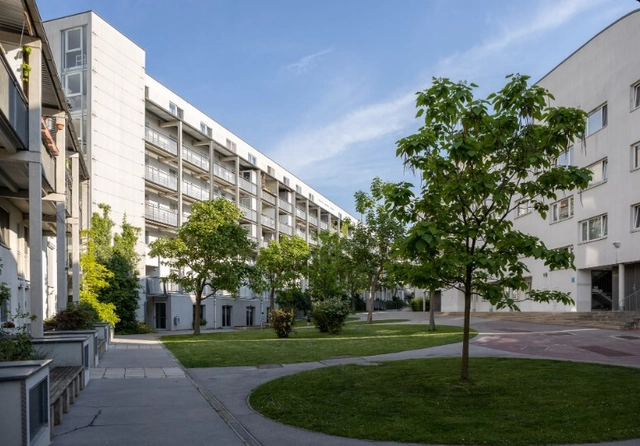
Eight teams led exclusively by women were invited to participate in an urban design competition to redesign the Austrian capital in 1993. Organized by urban planner and trained engineer Eva Kail, the competition brief restricted male participation—a decision justified by data showing that, in recent years, every single urban project, whether selected through competition or direct commission, had been led by men.
https://www.archdaily.com/1132384/urbanism-from-a-gender-perspective-eva-kail-and-the-design-competition-for-viennaBárbara Ghisleni e Camilla Ghisleni
From Diagram to Project: The University City of the National University of Colombia
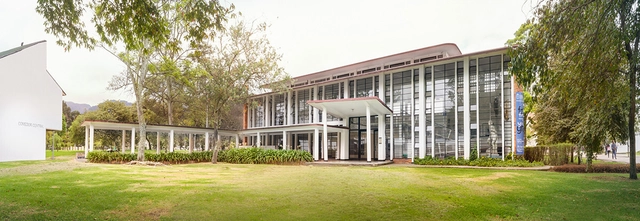
University Cities constituted the most powerful architectural and urban action during the period of progressive Latin American governments. Despite North American influences, which pioneered the concept of the campus [1], projects in Latin America emerged in different contexts and took highly unique directions. Because of the scale and complexity of these complexes, for instance, they required several decades to complete. This extended timeline allowed multiple generations of architects to participate, infusing their architecture with diversity. Another characteristic feature in Latin America is the close relationship between University City projects and developmentalist governments—as noted by Gorelik (2005)—which invested in public policies during periods of economic prosperity.
https://www.archdaily.com/1132578/from-diagram-to-project-the-university-city-of-the-national-university-of-colombiaMaria Julia de Castro Herklotz
New Low-E Technology and Its Impact on Energy Efficiency
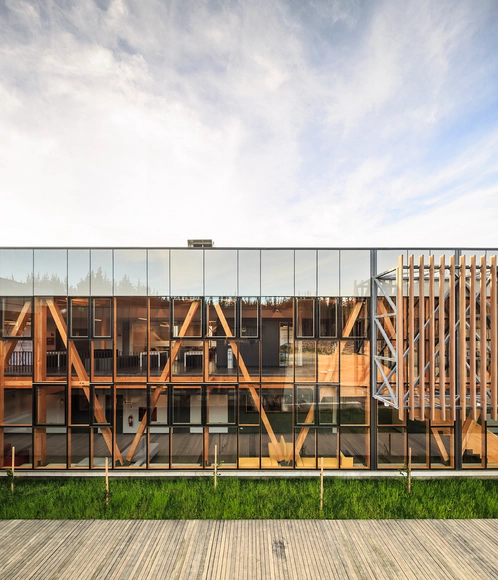
The search for technological innovations that promote passive strategies has become key to advancing energy efficiency in architecture. Low-E technology emerges as a new concept in glass, providing the material with thermal control capabilities. What does this new technology entail? The Low-E concept refers to low-emissivity glass—meaning glass whose surface emits a smaller proportion of thermal radiation at a given temperature. This feature increases its insulation capacity, thereby reducing the amount of heat lost through it.
https://www.archdaily.com/1132087/new-low-e-technology-and-its-impact-on-energy-efficiencyCamila Prieto
Brazilian elections: what to expect and demand from the executive branch?
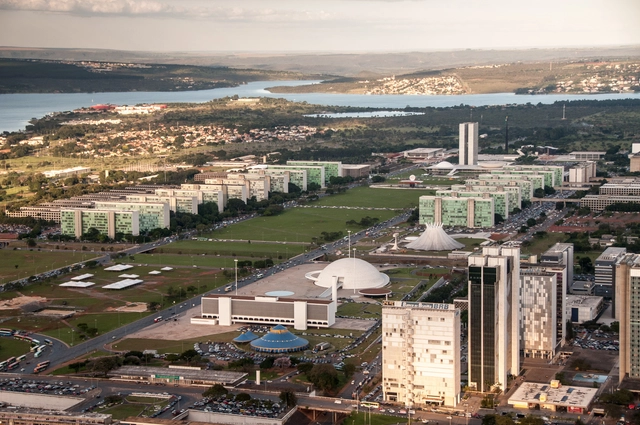
The city of Brasília, inaugurated in April 1960, is perhaps one of the greatest milestones of how architecture, urbanism, and national politics intertwine. The result of Juscelino Kubitschek's government program, which promised "50 years of progress in 5," the city stands as a testament to modernism, revealing political strategies of the era such as heavy investment in the automotive industry and the widespread use of reinforced concrete. While Brasília is a milestone in global architecture, its very existence stems from political and economic strategies implemented by the government in the late 1950s. With the 2022 elections fast approaching, it is crucial for us, as a professional field, to understand how our profession is impacted by the presidency and what we can demand from the executive branch.

https://www.archdaily.com/1132267/brazilian-elections-what-to-expect-and-demand-from-the-executive-branchGiovana Martino
Discover the exhibition “Survey: Architectural Practices of the North” in Monterrey, Mexico
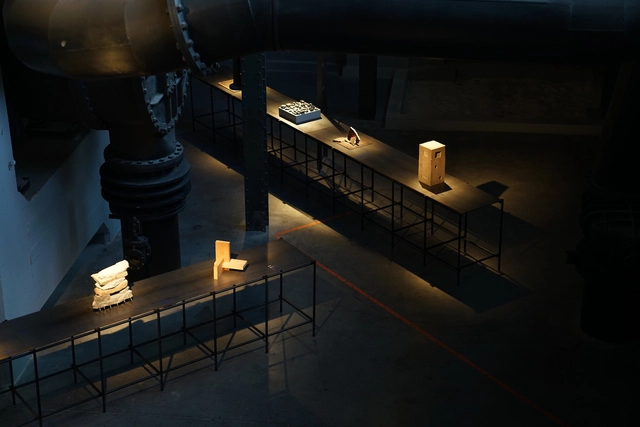
As part of an initiative to recognize the architecture of northern Mexico, the exhibition “Levantamiento. Prácticas de arquitectura del Norte” is on display at the Nave Generadores in the Centro de las Artes (Fundidora Park) in Monterrey, Nuevo León, through November 13, 2022. The venue brings together the work of some of the region's most prominent architects. Curated by Brenda Fernández and Edgar Castro, the project is an invitation to establish a shared platform to disseminate, discuss, and foster new creative discourses in Mexico.
https://www.archdaily.com/1132390/discover-the-exhibition-survey-architectural-practices-of-the-north-in-monterrey-mexicoMónica Arellano
Artacho Jurado, architect?
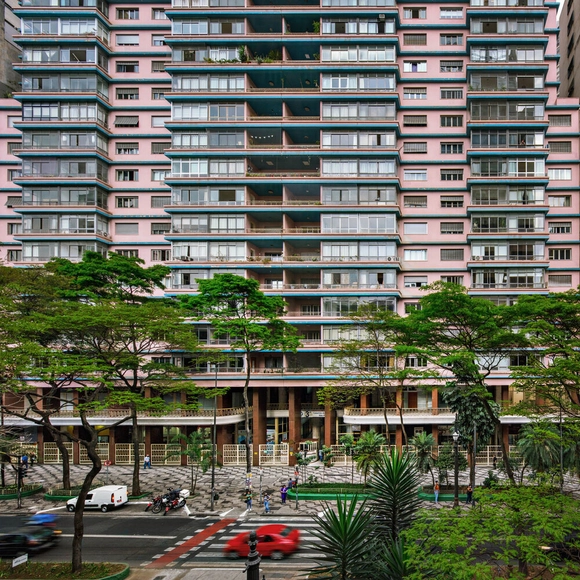
Bretagne, Louvre, Viadutos, Planalto. These are just some of the projects designed by Artacho Jurado, a controversial figure in São Paulo's architectural scene. With a particular focus on decorative elements, the self-taught architect was highly criticized by the professional establishment at the time, yet embraced by the public. Today, his work continues to garner increasing attention as a vision that reached beyond the modern canon, and his buildings have become symbols of São Paulo's urban landscape. Exploring his architecture, the exhibition Artacho Jurado, architect?, curated by Abilio Guerra, is on view at Chácara Lane, Museu da Cidade de São Paulo, through April 2022.
https://www.archdaily.com/1131986/artacho-jurado-architectArchDaily Team
Industry, Innovation, and Cultural Infrastructure in Steel: Discover the Winning Chilean Projects of the 2022 CAP Competition
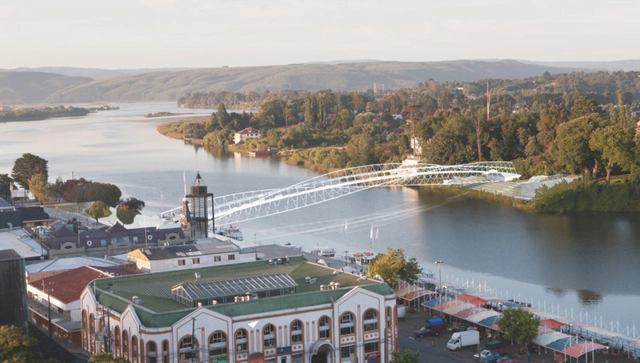
Within the framework of the 36th edition of the CAP Competition—held annually since 1986—Chilean schools of architecture were invited to propose and explore steel-based designs responding to the theme "Industry, Innovation, and Cultural Infrastructure." This theme aligns with the United Nations (UN) 2030 Agenda for Sustainable Development Goals (SDGs). The organizers challenged participants to study steel deeply, seeking a higher level of knowledge and understanding of the material as both an architectural and structural element.
https://www.archdaily.com/1132595/industry-innovation-and-cultural-infrastructure-in-steel-discover-the-winning-chilean-projects-of-the-2022-cap-competitionVictoria Riquelme
The Line: Linear Cities Make Absolutely No Sense
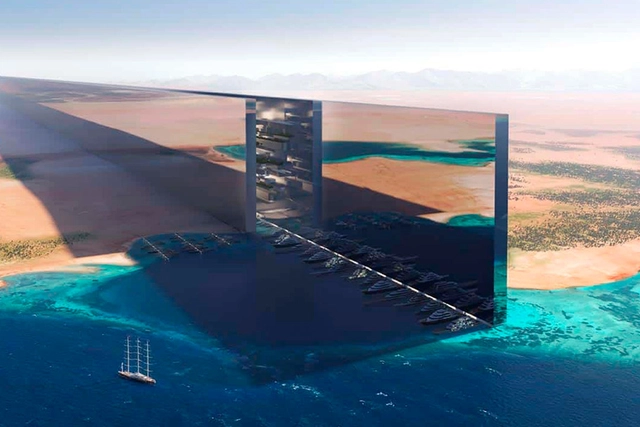
In recent months, the internet has been flooded with videos of the Middle East's new futuristic wonder: Neom, or The Line, a planned city commissioned by the Saudi Arabian government to rival its neighbors, Dubai and Abu Dhabi. As Henry Grabar writes, the city is a collection of buzzwords like "smart city," "net-zero carbon," and "15-minute city." In a world where images go viral faster than cities can actually be built, these concepts serve as powerful marketing tools. Yet, so far, no explanation has been offered as to how they will actually be implemented.

https://www.archdaily.com/1132326/the-line-linear-cities-make-absolutely-no-senseAndré Sette
New affordable housing models in downtown São Paulo
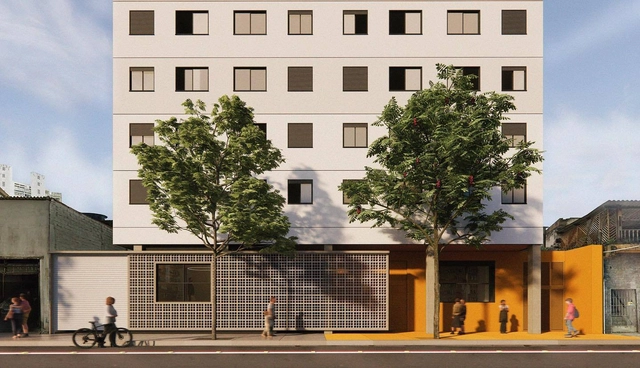
Downtown areas in major cities are targeted by various public and private agents. Usually boasting comprehensive urban infrastructure, these central districts concentrate multiple layers of complexity: from a significant number of vacant properties to phenomena like gentrification, which drives up the local cost of living and pushes low-income residents to far-flung neighborhoods, creating a host of municipal issues.
https://www.archdaily.com/1132245/new-affordable-housing-models-in-downtown-sao-pauloArchDaily Team
A tribute to the legacy of Fernando González Gortázar
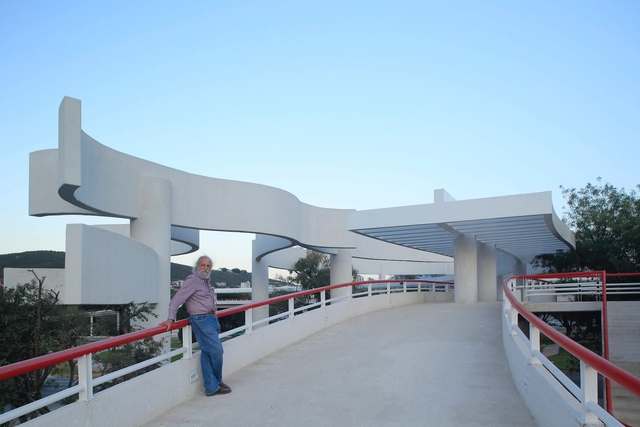
One of the things I admired most about Fernando González Gortázar was his irreverence, which he cultivated with genuine dedication, as one of the sharpest forms of intelligence, a form of rebellion, and a bastion of freedom. Indeed, Fernando's irreverence arose from the intersection of his admirable talent for everything that interested him and his pronounced sense of humor and cynicism. Another singular trait was how he carried this irreverence into his artistic production, sometimes subtly and underground, sometimes overtly. Some of his celebrated acts of irreverence resulted in highly accomplished projects; moreover, I believe all of his works were largely driven by irreverence as a major force, the other undoubtedly being the love and passion that ensued.
https://www.archdaily.com/1132403/a-tribute-to-the-legacy-of-fernando-gonzalez-gortazarÁlvaro Morales
VI: On sustainable building and the choice of local materials
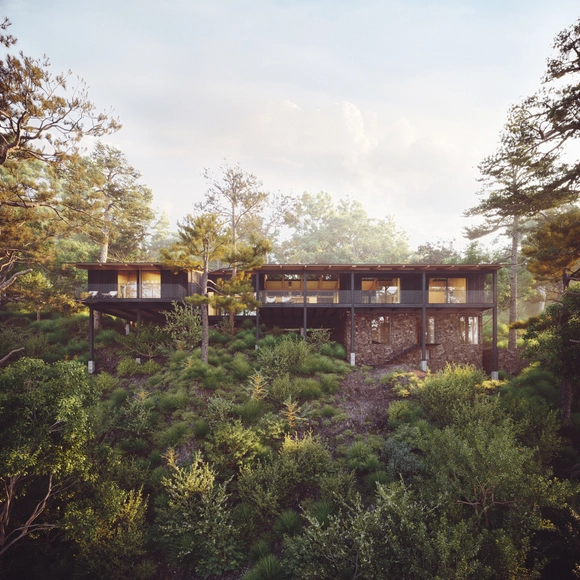
Every year, Earth Overshoot Day demonstrates that the availability of natural resources has a limit. In the words of the WWF, this day marks when “humanity’s demand for ecological resources and services in a given year exceeds what Earth can regenerate in that same year.” As this day arrives earlier each year, implementing renewable strategies becomes vital for sustainable development. To minimize environmental impact, the concept of ‘sustainable building’ has emerged as a guide to promote sustainability throughout all stages of construction. Alongside the integration of technologies that foster passive strategies, selecting materials based on local availability and conditions is essential to reducing a building's environmental impact, both in its construction and its future use.
Jachen Schleich, architect and coordinator of the CEELA Project in Mexico, discusses their vision of architecture and the importance of sustainability in design decisions. For their architectural firm, ‘Locus’—whose name means place in Latin—architecture must establish a new aesthetic understanding through site-responsive design. The 'VI' Project exemplifies this design methodology, where form is proposed as the result of three dimensions: behavior, belonging, and function.
https://www.archdaily.com/1132610/vi-on-sustainable-building-and-the-choice-of-local-materialsCamila Prieto
One year without Federico Correa, Barcelona architect and co-founder of the iconic Correa-Milà studio
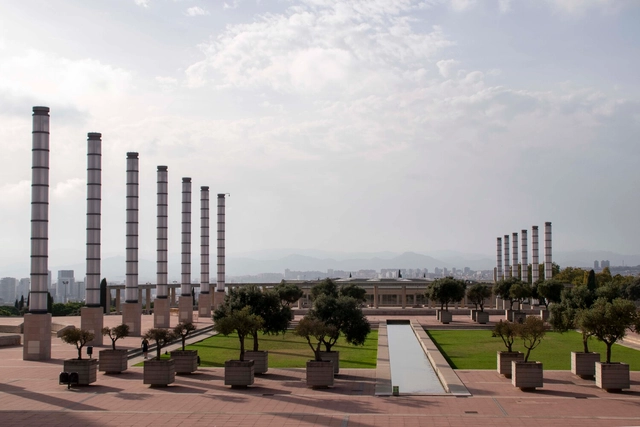
Federico Correa Ruiz, co-designer of iconic architectural works in Catalonia, a legendary professor at ETSAB, and one of the most highly regarded figures in Barcelona's architectural community, passed away on October 19 at the age of 96, with this year marking the first anniversary of his passing.
https://www.archdaily.com/1132353/one-year-without-federico-correa-barcelona-architect-and-co-founder-of-the-iconic-correa-mila-studioMili Sánchez Azcona
UNAM Faculty of Architecture presents the exhibition "20 Years. Lines in Dialogue. Archive of Mexican Architects"
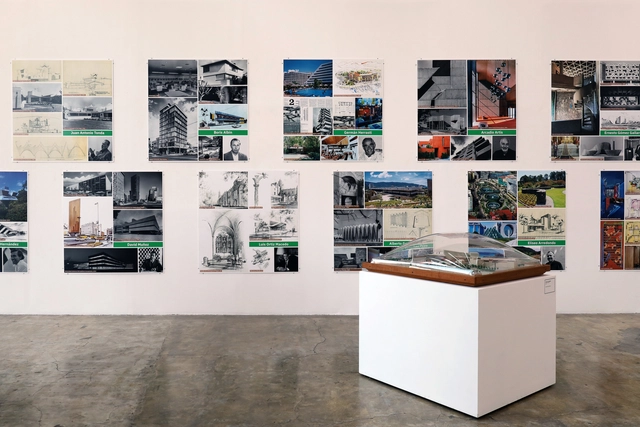
The School of Architecture at the National Autonomous University of Mexico invites the public to the exhibition “20 Years: Lines in Dialogue. Archive of Mexican Architects,” celebrating the anniversary of this institution and its commitment to preserving Mexico's architectural heritage. The Archive of Mexican Architects (AAM) project began in January 2002 with the acquisition of the Augusto H. Álvarez collection. This initial contribution paved the way for subsequent donations over the past two decades, now totaling 31 collections.
https://www.archdaily.com/1132373/unam-faculty-of-architecture-presents-the-exhibition-20-years-lines-in-dialogue-archive-of-mexican-architectsArchDaily Team
Mapocho Vivo: A project that seeks to rehabilitate the urban riverbed of Santiago, Chile
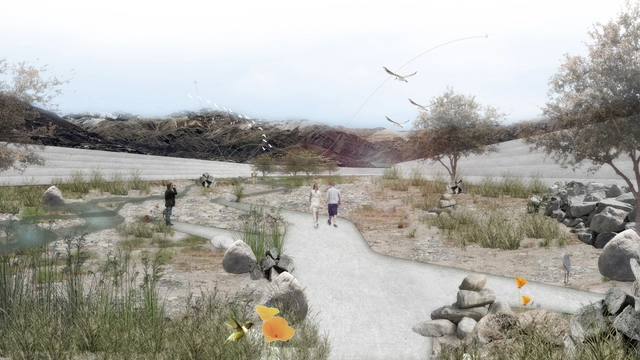
The Mapocho Vivo Foundation was formally established in 2020 on the initiative of Joaquín Moure, an agricultural technician and muralist, who since 2019 had been captivated by the flora and fauna he found in the river when everyone else believed it to be lifeless, waste-filled water. Today, the project has established itself as an organization that maintains cleanliness, protects, and plans the future of the 110-kilometer biological corridor spanning 16 municipalities of Santiago de Chile, operating under the understanding that architecture must embrace natural ecosystems to integrate them into urban systems.
https://www.archdaily.com/1132311/mapocho-vivo-a-project-that-seeks-to-rehabilitate-the-urban-riverbed-of-santiago-chileVictoria Riquelme
Her City: Safer Urban Spaces for Girls and Women
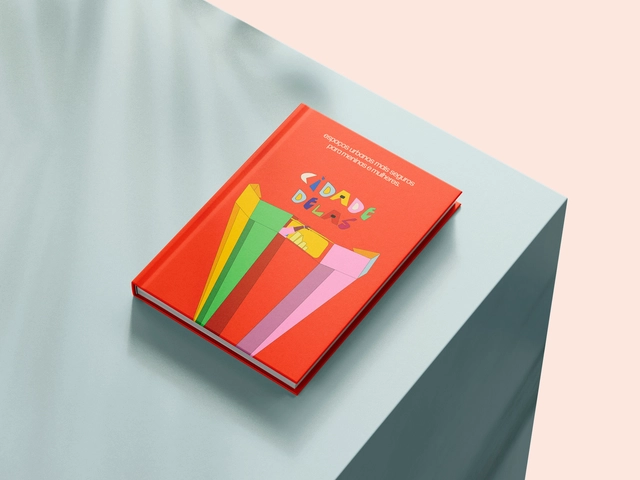
Despite women's achievements and overall societal progress, cities continue to be planned and built through a patriarchal lens. Urban planning often overlooks the diverse needs of the population regarding the inclusion of race, gender, and social class—factors that directly shape the use of space and the urban layout.
https://www.archdaily.com/1132123/her-city-safer-urban-spaces-for-girls-and-womenAnna Cândida
Design House 2022: design, architecture, and interior design by Design Week Mexico
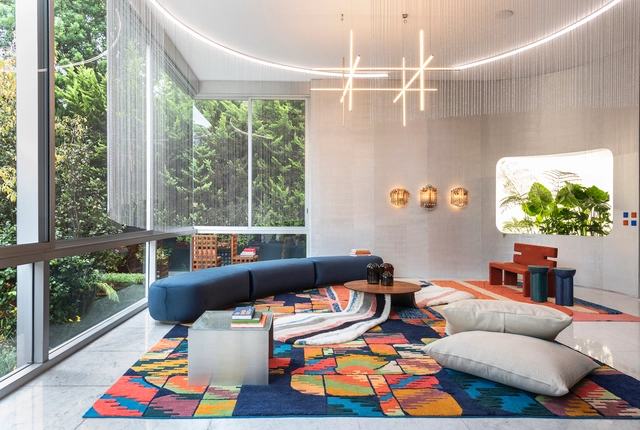
On October 13, Design House opened in Mexico City. As it does every year, the event showcases a series of installations integrating disciplines such as design, architecture, and interior design. Over the course of ten years, across various properties, it has presented cutting-edge proposals from more than one hundred participating firms in collaboration with the showrooms of the Ruta del Diseño (Design Route), which provide the pieces and accessories that bring the diverse spaces to life.
https://www.archdaily.com/1132563/design-house-2022-design-architecture-and-interior-design-by-design-week-mexicoMónica Arellano
Is road space a public good?
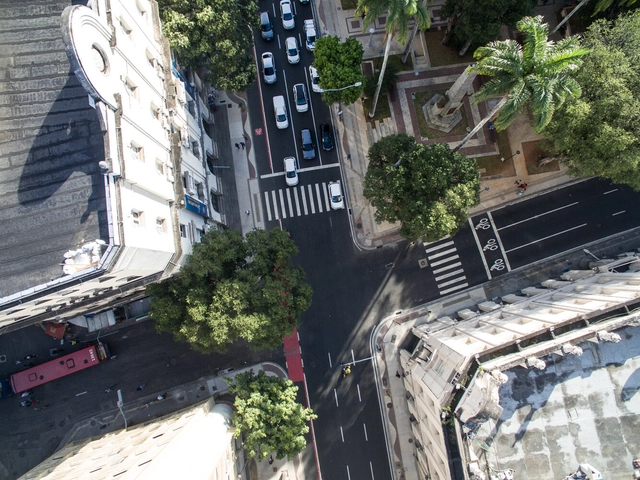
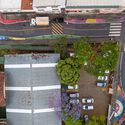
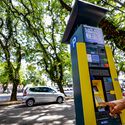
In legal terms, road space belongs to government entities and is therefore viewed as public. However, according to economic theory, the various goods produced by society exhibit distinct characteristics.

https://www.archdaily.com/1132116/is-road-space-a-public-goodCristiano Scarpelli
Mexican architect Miguel de la Torre designs Day of the Dead altar with 10,000 cempasúchil flowers
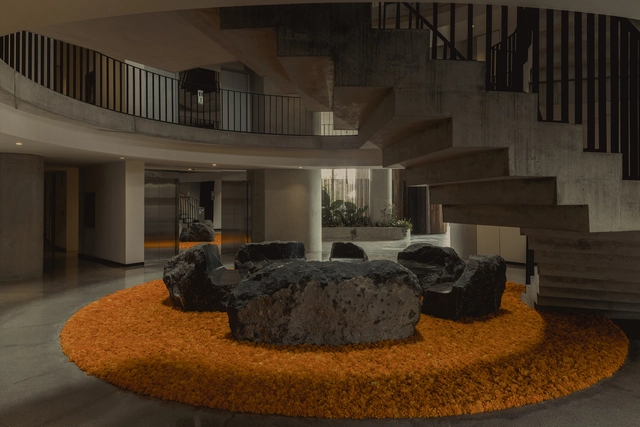
To mark one of Mexico's most important celebrations, architect Miguel de la Torre designs an annual installation for November 1 and 2. The celebration features cempasúchil (Mexican marigold) flowers, a plant native to Mexico that blooms in autumn. According to traditions dating back to pre-Hispanic times, the yellow and orange petals are used to guide the deceased during their visit, as they are believed to hold the light and warmth of the sun.
https://www.archdaily.com/1132127/mexican-architect-miguel-de-la-torre-designs-day-of-the-dead-altar-with-10000-cempasuchil-flowersMónica Arellano
Design Week Mexico presents the eighth edition of the "Inédito" platform until January 8, 2023

As part of the annual collaborative efforts of the Design Week team in Mexico City, the "Inédito" exhibition opened on October 14 at the Espacio CDMX Arquitectura y Diseño gallery. This showcase is part of the seventh consecutive edition of this open call, which aims to support, disseminate, and promote utilitarian design projects across several categories: social impact, environmental impact, innovation, function, aesthetics, concept, user experience, materials, and processes. Rather than being competitive, the exhibition—divided into professional, university, and limited-edition categories—opens up new opportunities in both national and international markets for exceptional design with commercial and production viability.
https://www.archdaily.com/1132340/design-week-mexico-presents-the-eighth-edition-of-the-inedito-platform-until-january-8-2023Mónica Arellano